Rapid DNA and RNA isolation from few or single cells using low-cost NAxtra magnetic nanoparticles
Eirin Johannessen Starheim, Adeel Manaf, Adnan Hashim, Niklas Nonboe Andersen, Erlend Ravlo, Wei Wang, Vidar Langseth Saasen, Nina-Beate Liabakk, Sten Even Erlandsen, Per Arne Aas, Lars Hagen, Magnar Bjørås

TL;DR
Researchers developed a low-cost, fast method to isolate DNA and RNA from very few cells, including single cells, using magnetic nanoparticles, which could make genetic research more accessible and efficient.
Contribution
The study optimized a nucleic acid isolation method for single-cell applications, enabling high-throughput processing at lower costs.
Findings
The NAxtra method achieves comparable or better performance than existing kits in (RT)-qPCR detection.
It allows high-quality RNA extraction suitable for transcriptomics from limited cell quantities.
Automated processing handles 96 samples in 12–18 minutes, improving efficiency.
Abstract
A novel, cost-effective nucleic acid (NA) isolation method for purifying total NA, DNA, or RNA from both two- and three-dimensional cell cultures has been developed at the Norwegian University of Science and Technology utilizing NAxtra magnetic nanoparticles. This method achieves comparable yields to existing isolation kits while offering significant improvements in cost and processing speed. However, the original protocol was not optimized for small-cell numbers or single-cell applications. Given the growing interest in single-cell and rare-cell population studies, there is a critical need for more sensitive isolation techniques. In this study, we have enhanced the sensitivity of the NAxtra-based isolation method to facilitate mid- to high-throughput purification from as few as 10,000 cells down to single cells. Automated processing using KingFisher systems enables the rapid handling…
Genes, proteins, chemicals, diseases, species, mutations and cell lines named across the full text — each resolved to its canonical identifier and authoritative record.
Click any figure to enlarge with its caption.
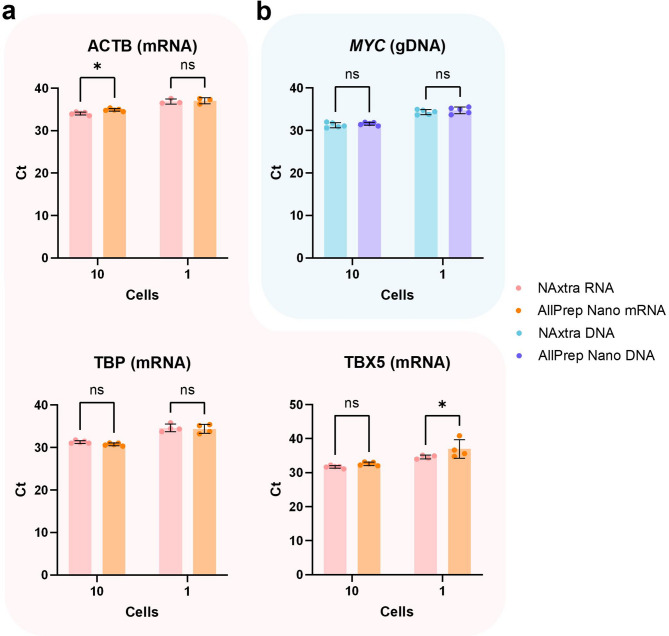 Figure 1
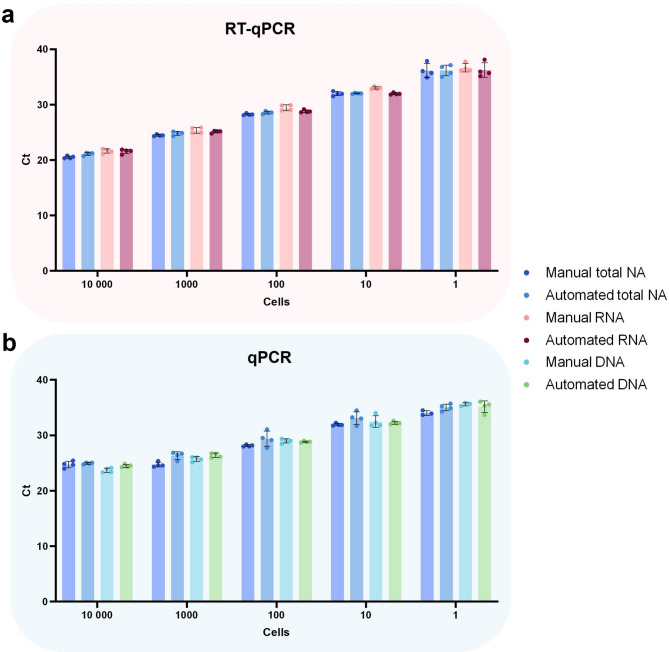 Figure 2
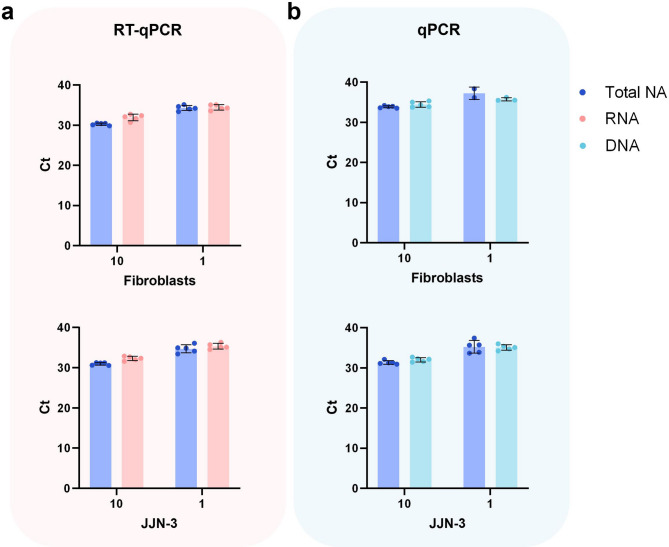 Figure 3
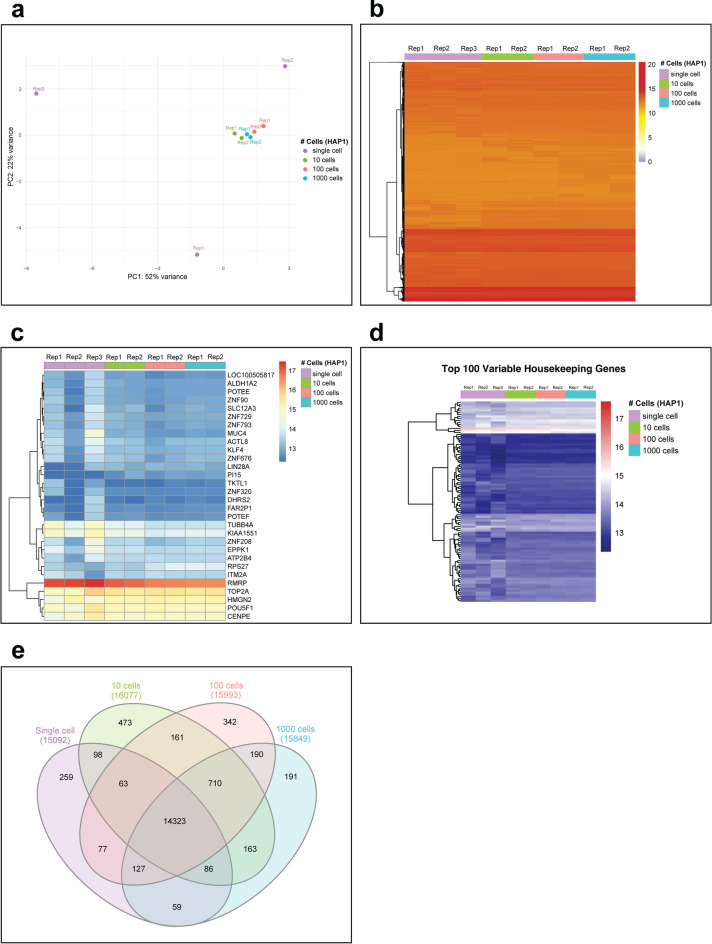 Figure 4
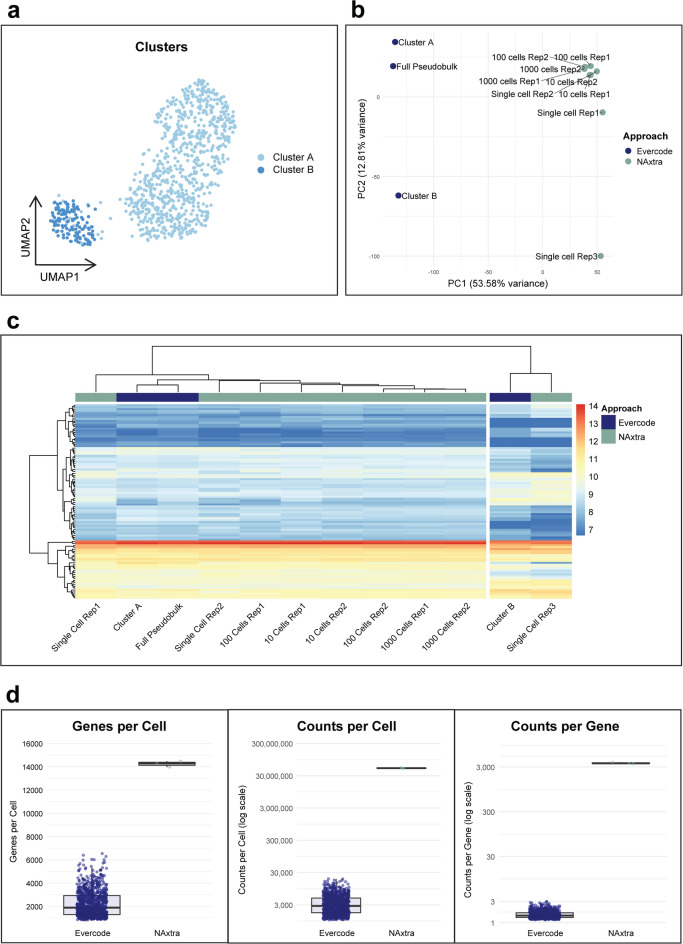 Figure 5
Peer Reviews
No public reviews on file for this paper yet. If you reviewed it on a platform where reviews are public (OpenReview, ICLR, NeurIPS, ICML), you can paste yours below so the community can read it here.
Videos
No videos yet. Explain this paper in a talk, walkthrough, or lecture? Add one.
Taxonomy
TopicsAdvanced biosensing and bioanalysis techniques · Single-cell and spatial transcriptomics · Molecular Biology Techniques and Applications