Behavioural response of prey to repeated attacks by non-coordinating predators
Siddhant Mohapatra, Pallab Sinha Mahapatra

TL;DR
This study explores how prey respond to repeated attacks by multiple non-coordinating predators, revealing complex behavioral transitions and non-additive predation effects.
Contribution
The paper introduces an agent-based model to study prey responses to persistent multi-predator attacks, revealing new insights into group dynamics and predation success.
Findings
Prey exhibit a transition from cohesive to split-and-escape behavior based on predator angular configuration.
Attacking the nearest prey is the most effective strategy, while targeting the group center causes splitting.
Higher prey coordination leads to faster population decline, suggesting detrimental effects of excess alignment.
Abstract
Collective behaviour is a ubiquitous phenomenon entailing the emergence of fascinating pattern formations in organisms. Reduction of predation risk is presumed to be a major factor contributing towards the evolution of such behaviour. However, the effect of persistent attacks by multiple predators on the behavioural response of the prey remains largely unexplored. The current work aims to address this issue using an agent-based approach employing an underdamped Langevin model. A continuous transition in prey response from a cohesive escape to split-and-escape is discussed with respect to the angular configuration of the predators before the attack. The statistics show that the attack on the nearest prey is the most successful pursuit strategy, while alternative strategies, such as attacking the centre of the group, have conspicuous ancillary effects, such as group splitting. A long-term…
Genes, proteins, chemicals, diseases, species, mutations and cell lines named across the full text — each resolved to its canonical identifier and authoritative record.
Click any figure to enlarge with its caption.
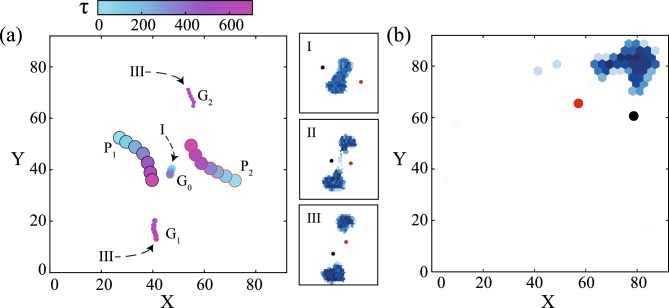 Figure 1
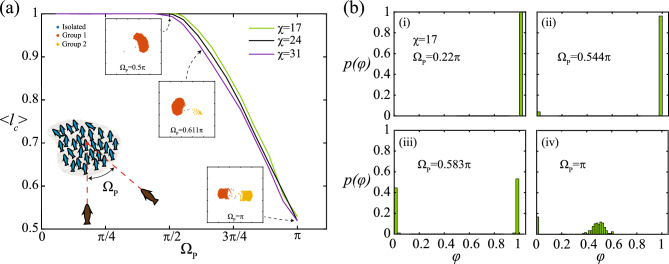 Figure 2
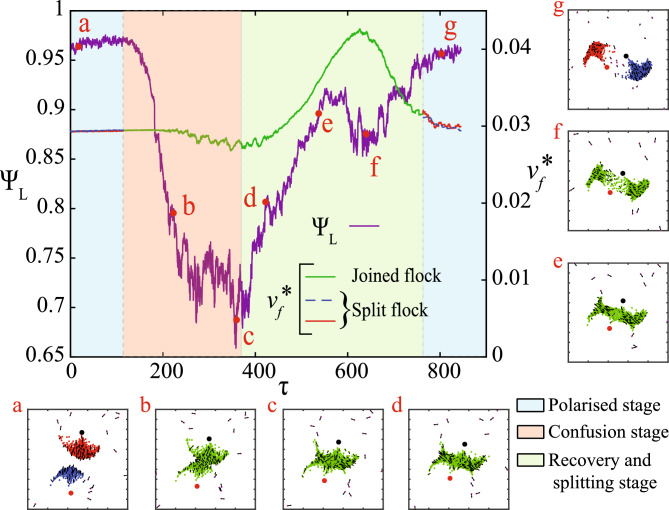 Figure 3
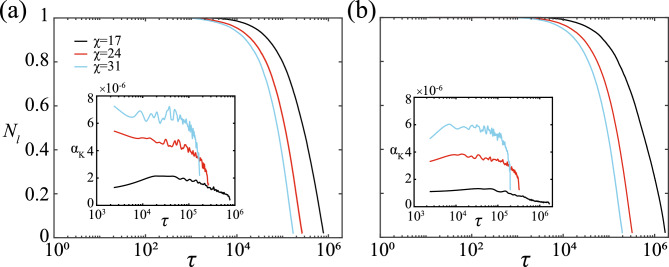 Figure 4
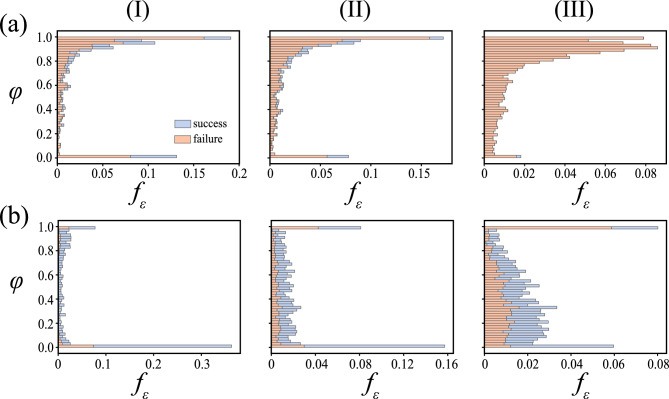 Figure 5
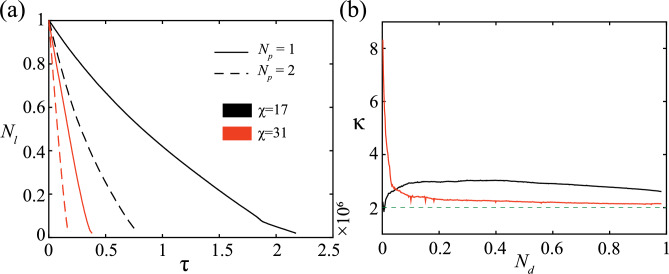 Figure 6
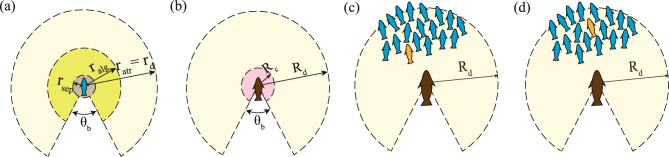 Figure 7
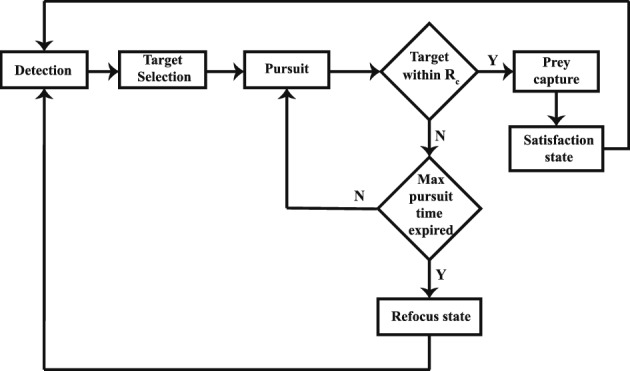 Figure 8
Peer Reviews
No public reviews on file for this paper yet. If you reviewed it on a platform where reviews are public (OpenReview, ICLR, NeurIPS, ICML), you can paste yours below so the community can read it here.
Videos
No videos yet. Explain this paper in a talk, walkthrough, or lecture? Add one.
Taxonomy
TopicsEvolutionary Game Theory and Cooperation · Evolution and Genetic Dynamics · Mathematical and Theoretical Epidemiology and Ecology Models