Emerging roles of the cancerous inhibitor of protein phosphatase 2A (CIP2A) in ovarian cancer
Alice Filipe, Sayeh Saravi, Denis Mustafov, Suzana Panfilov, Simran Banger, Seyedehnajmeh Mousavikivaj, Maria Braoudaki, Senthilkumar Kailasam, Yasser Riazalhosseini, Michelle A. Sahai, Fotios Drenos, Cristina Sisu, Emmanouil Karteris

TL;DR
This study explores how CIP2A, a protein linked to cancer, contributes to ovarian cancer progression and identifies potential therapeutic strategies.
Contribution
The study reveals new insights into CIP2A's role in ovarian cancer and suggests drug repurposing for treatment.
Findings
CIP2A is overexpressed in ovarian cancer patients, especially in metastatic cases.
High CIP2A expression correlates with reduced survival rates in ovarian cancer patients.
CIP2A inhibition affects pathways like p53, DNA replication, and cell cycle in ovarian cancer cells.
Abstract
Ovarian cancer (OvCa) is the sixth most common gynaecological cancer in the UK, accounting for over 200,000 deaths worldwide. Cancerous Inhibitor of Phosphatase 2 A (CIP2A) is an oncoprotein and an endogenous inhibitor of PP2A. CIP2A is a key regulator for cellular processes (e.g. proliferation, DNA damage) and is involved in the progression of many malignancies. In this study we provide a comprehensive overview of its role in OvCa making use of in silico tools, clinical samples and in vitro models. CIP2A is overexpressed in OvCa patients, with metastatic patients having significantly higher expression when compared to patients with malignant and benign ovarian tumours. High CIP2A expression reduces both overall-and progression-free survival, whereas an R530T mutation is predicted to cause structural destabilisation of the CIP2A dimer. We also provide evidence for microRNA (miRNA) and…
Genes, proteins, chemicals, diseases, species, mutations and cell lines named across the full text — each resolved to its canonical identifier and authoritative record.
Click any figure to enlarge with its caption.
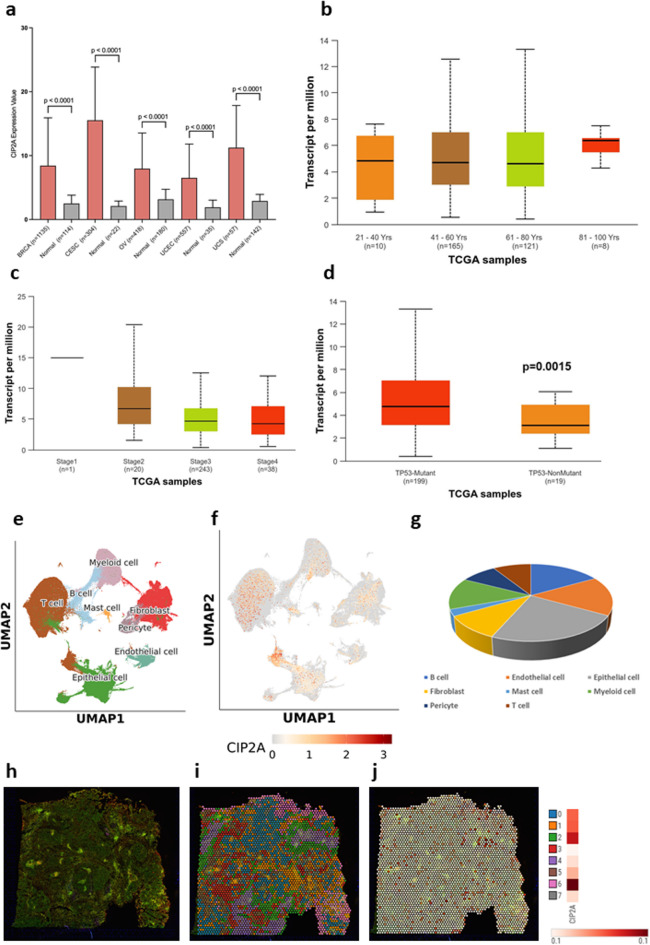 Figure 1
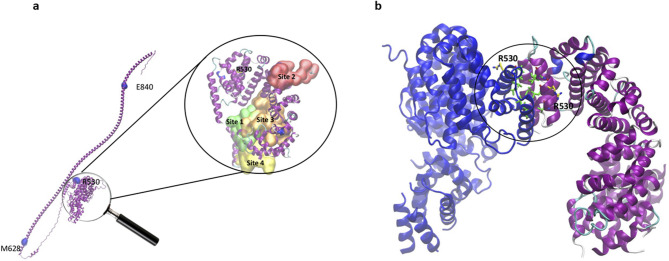 Figure 2
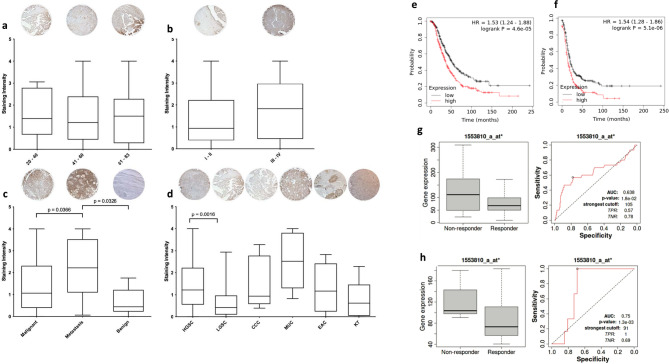 Figure 3
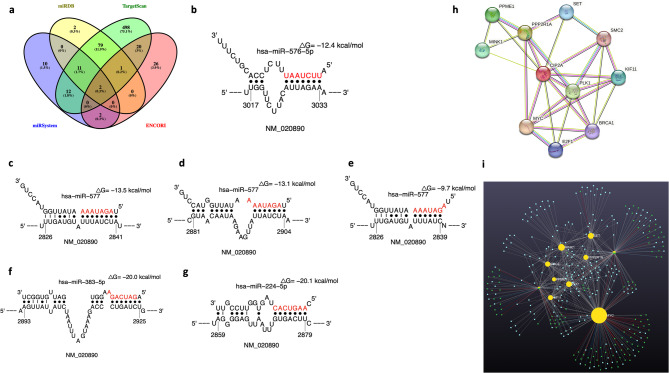 Figure 4
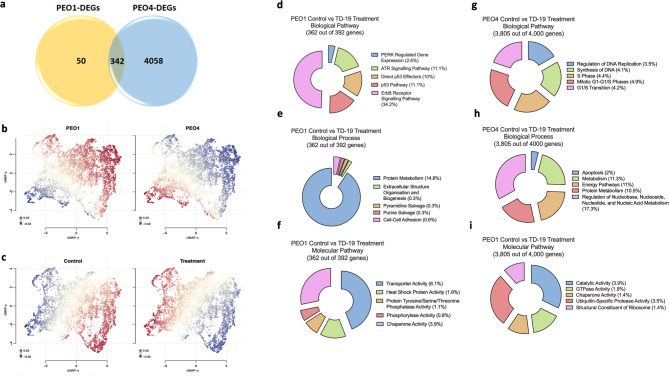 Figure 5
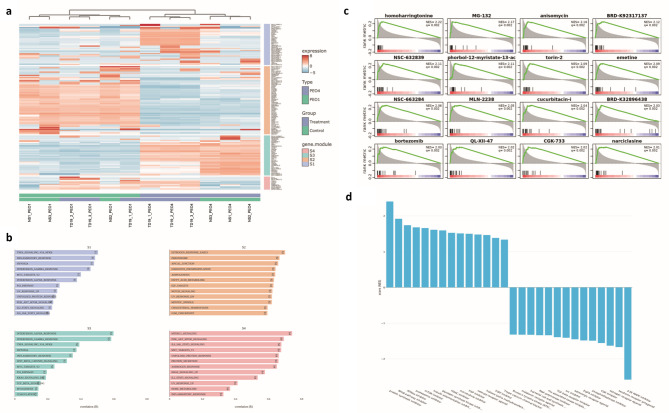 Figure 6
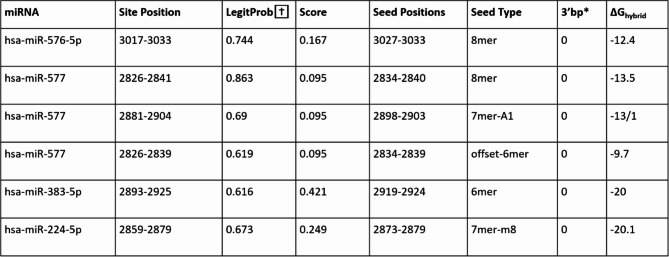 Figure 7
 Figure 8
Peer Reviews
No public reviews on file for this paper yet. If you reviewed it on a platform where reviews are public (OpenReview, ICLR, NeurIPS, ICML), you can paste yours below so the community can read it here.
Videos
No videos yet. Explain this paper in a talk, walkthrough, or lecture? Add one.
Taxonomy
TopicsMicroRNA in disease regulation · RNA Research and Splicing · RNA modifications and cancer