A novel short-course, low-intensity blood-flow-restricted exercise (BFRE) regimen to study satellite cell function in critical illness survivors with sustained muscle atrophy following intensive care unit-acquired weakness (ICUAW)
Sunita Mathur, Nathalia P. S. Maia, Manoela De Paula Ferreira, Christian Martin, Christina Doherty, Judy Correa, Caterina Di Ciano-Oliveira, Pamela J. Plant, Jane Batt

TL;DR
A new low-intensity exercise method was tested to study muscle cell function in people recovering from critical illness, showing it can stimulate muscle cells in healthy individuals but not in those with long-term muscle loss.
Contribution
A novel low-intensity blood-flow-restricted exercise regimen was developed and tested for its ability to stimulate satellite cells in ICUAW survivors.
Findings
BFRE increased satellite cell content and MuRF1 transcript expression in healthy controls.
BFRE was tolerated by ICUAW survivors and did not cause adverse effects.
Satellite cell content did not increase in ICUAW survivors with low muscle mass.
Abstract
ICU-acquired weakness (ICUAW) develops in critically ill patients and can persist after hospital discharge, resulting in physical disability. Decreased satellite cell content is reported in the atrophic muscle of critical illness survivors, suggesting that the sustained muscle wasting results from satellite cell dysfunction and impaired muscle regeneration. Intense resistance exercise stimulates satellite cell proliferation and can be used to study the satellite cell role in persisting muscle atrophy following ICU discharge; however, the intensity of exercise required can be intolerable for older or frail ICU survivors. This study tested the capacity of a novel low-intensity, short-duration blood-flow-restricted exercise (BFRE) regimen, designed to accommodate the physical exercise limitations of critical illness survivors, to stimulate the satellite cell. Eight healthy controls (five…
Genes, proteins, chemicals, diseases, species, mutations and cell lines named across the full text — each resolved to its canonical identifier and authoritative record.
Click any figure to enlarge with its caption.
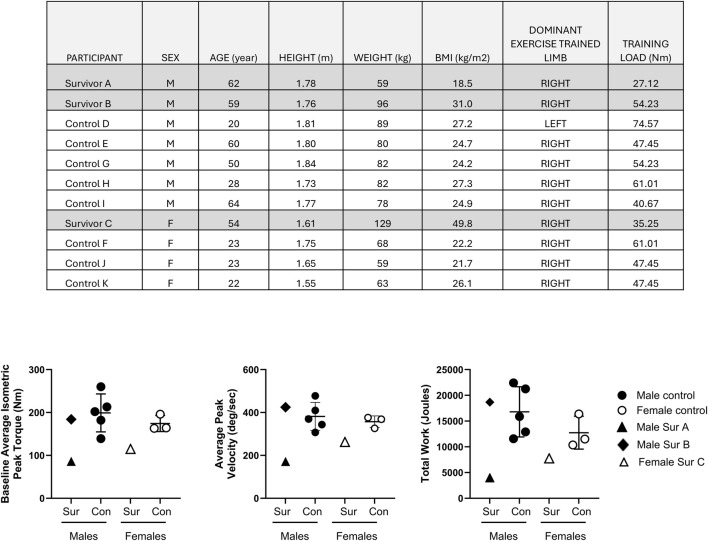 Figure 1
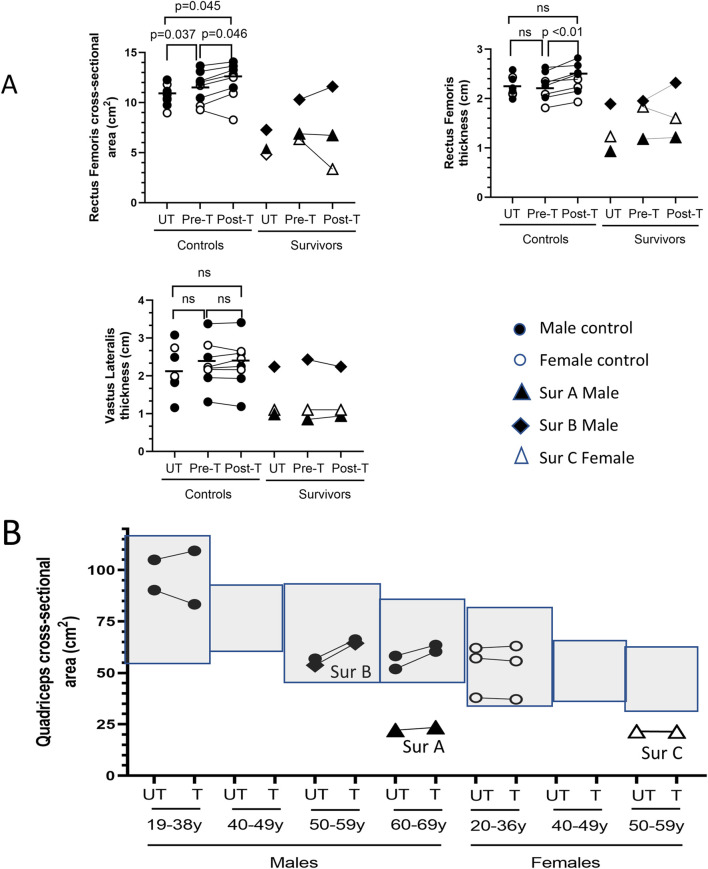 Figure 2
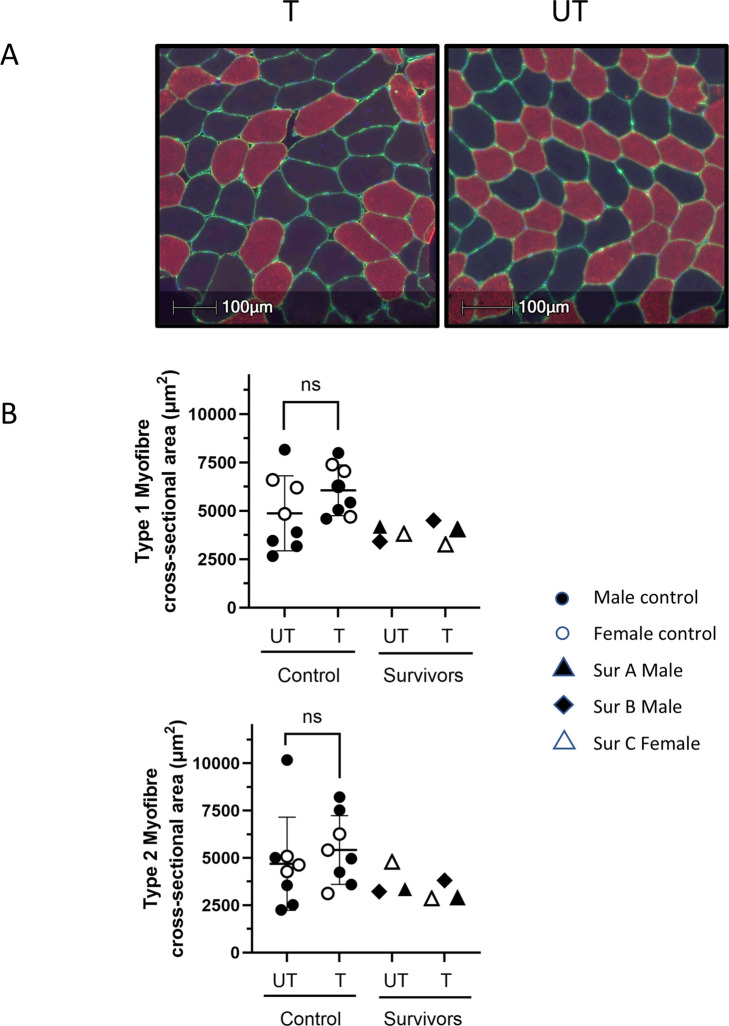 Figure 3
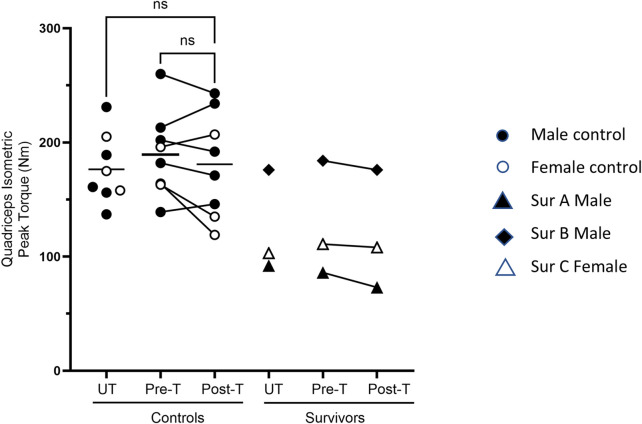 Figure 4
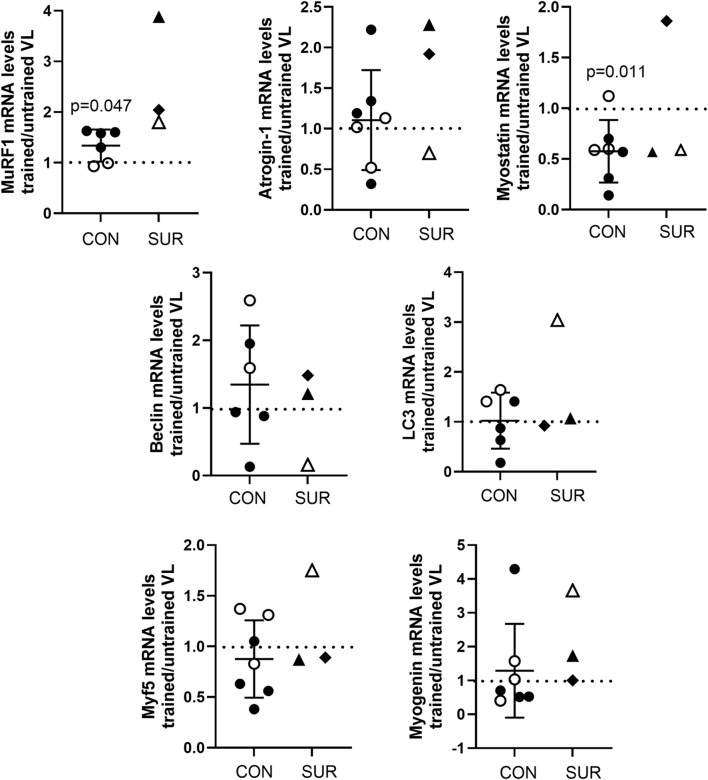 Figure 5
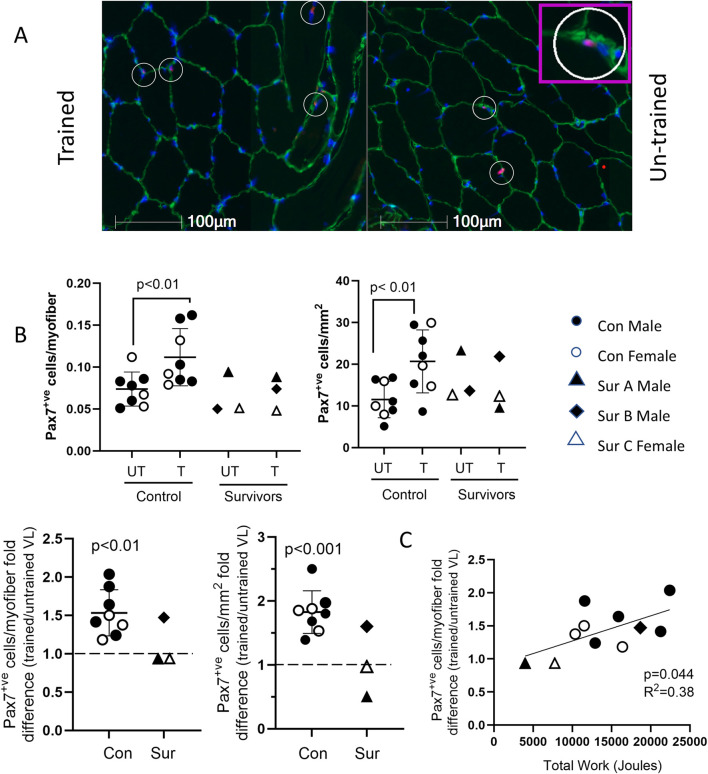 Figure 6
Peer Reviews
No public reviews on file for this paper yet. If you reviewed it on a platform where reviews are public (OpenReview, ICLR, NeurIPS, ICML), you can paste yours below so the community can read it here.
Videos
No videos yet. Explain this paper in a talk, walkthrough, or lecture? Add one.
Taxonomy
TopicsIntensive Care Unit Cognitive Disorders · Long-Term Effects of COVID-19 · Anesthesia and Neurotoxicity Research