N-aldehyde-modified phosphatidylethanolamines generated by lipid peroxidation are robust substrates of N-acyl phosphatidylethanolamine phospholipase D
Reza Fadaei, Annie C. Bernstein, Andrew N. Jenkins, Allison G. Pickens, Jonah E. Zarrow, Abdul-Musawwir Alli-Oluwafuyi, Keri A. Tallman, Sean S. Davies

TL;DR
This study shows that NAPE-PLD can hydrolyze various NALPEs formed during lipid peroxidation, expanding its known substrate range and suggesting a new role in clearing lipid peroxidation products.
Contribution
The study identifies NAPE-PLD as a robust enzyme capable of hydrolyzing diverse NALPEs, a novel finding in lipid metabolism.
Findings
NAPE-PLD can hydrolyze NALPEs with different linkage types and chain lengths.
Some NALPEs, like N-4-hydroxynonenal-PE, are hydrolyzed at rates similar to NAPEs.
The enzyme may help clear lipid peroxidation products in addition to its known functions.
Abstract
N-acyl phosphatidylethanolamine-hydrolyzing phospholipase D (NAPE-PLD) hydrolyzes phosphatidylethanolamines (PEs) where the headgroup nitrogen has been enzymatically modified with acyl chains of four carbons or longer (N-acyl-PEs or NAPEs). The nitrogen headgroup of PE can also be nonenzymatically modified by reactive lipid aldehydes, thus forming N-aldehyde-modified PEs (NALPEs). Some NALPEs such as N-carboxyacyl-PEs are linked to PE via amide bonds similar to NAPEs, but others are linked by imine, pyrrole, or lactam moieties. Whether NAPE-PLD can hydrolyze NALPEs was unknown. We therefore characterized the major NALPE species formed during lipid peroxidation of arachidonic acid and linoleic acid and generated various NALPEs for characterization of their sensitivity to NAPE-PLD hydrolysis by reacting synthesized aldehydes with PE. We found that NAPE-PLD could act on NALPEs of various…
Genes, proteins, chemicals, diseases, species, mutations and cell lines named across the full text — each resolved to its canonical identifier and authoritative record.
Click any figure to enlarge with its caption.
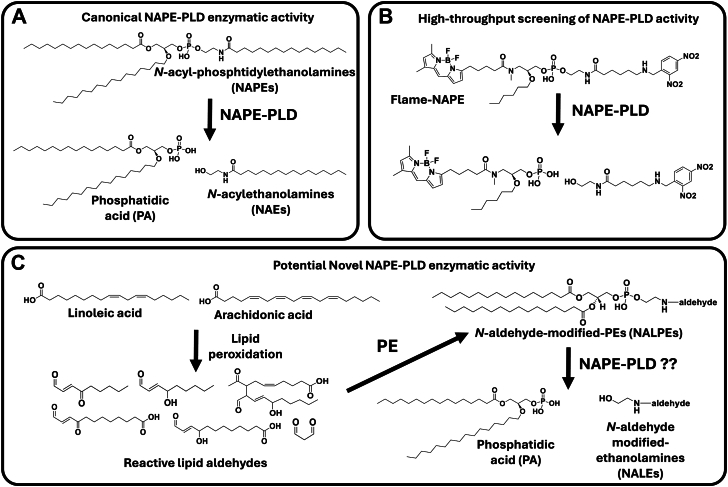 Figure 1
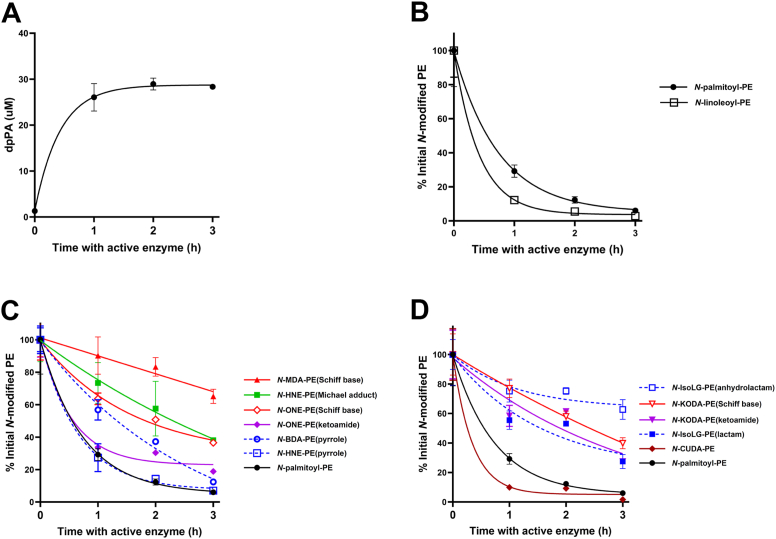 Figure 2
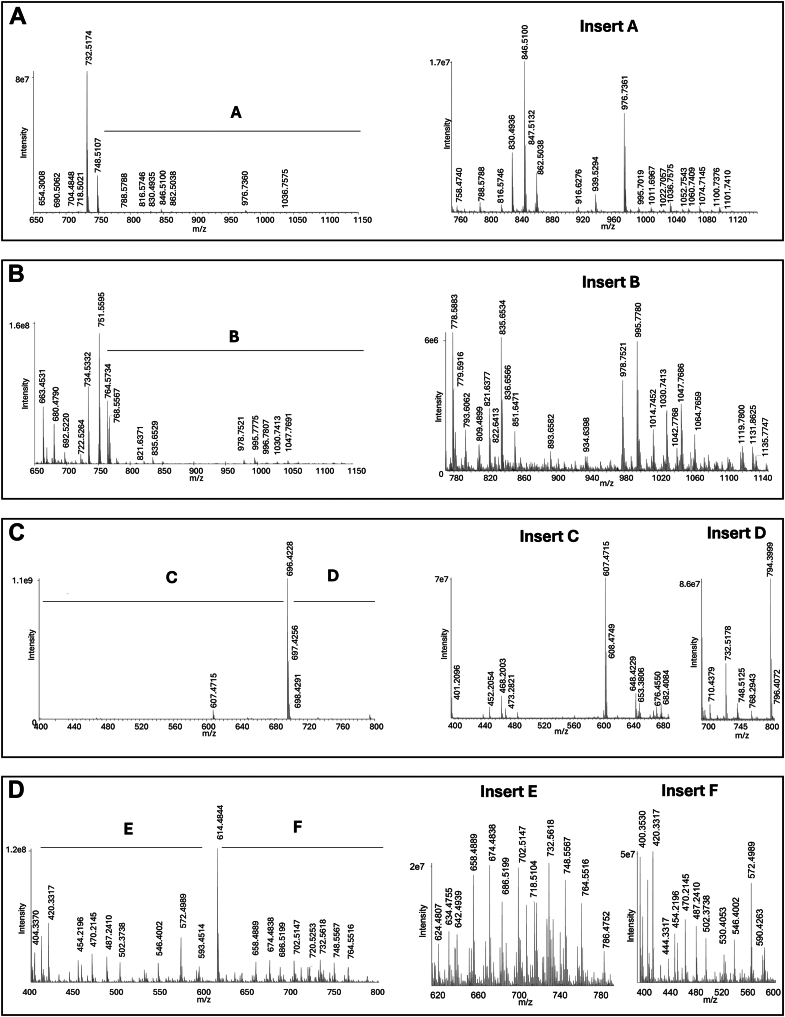 Figure 3
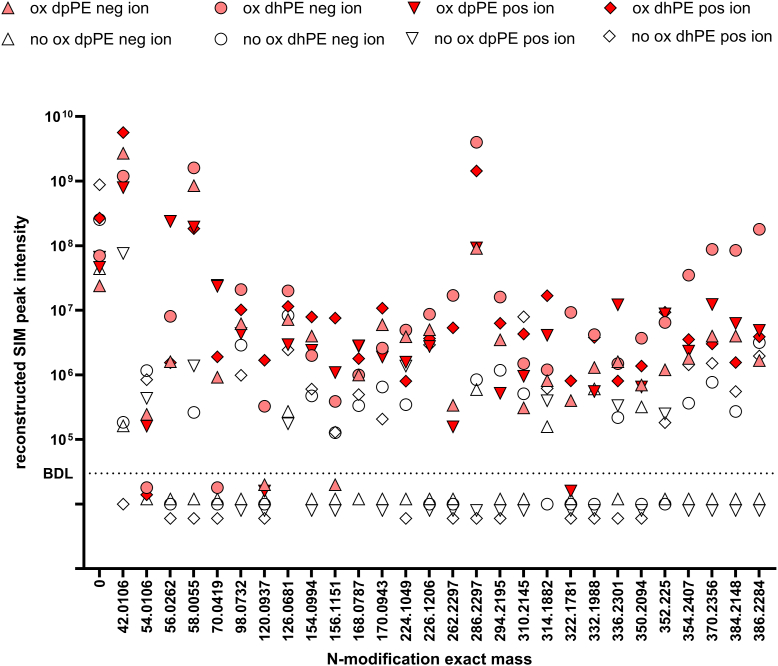 Figure 4
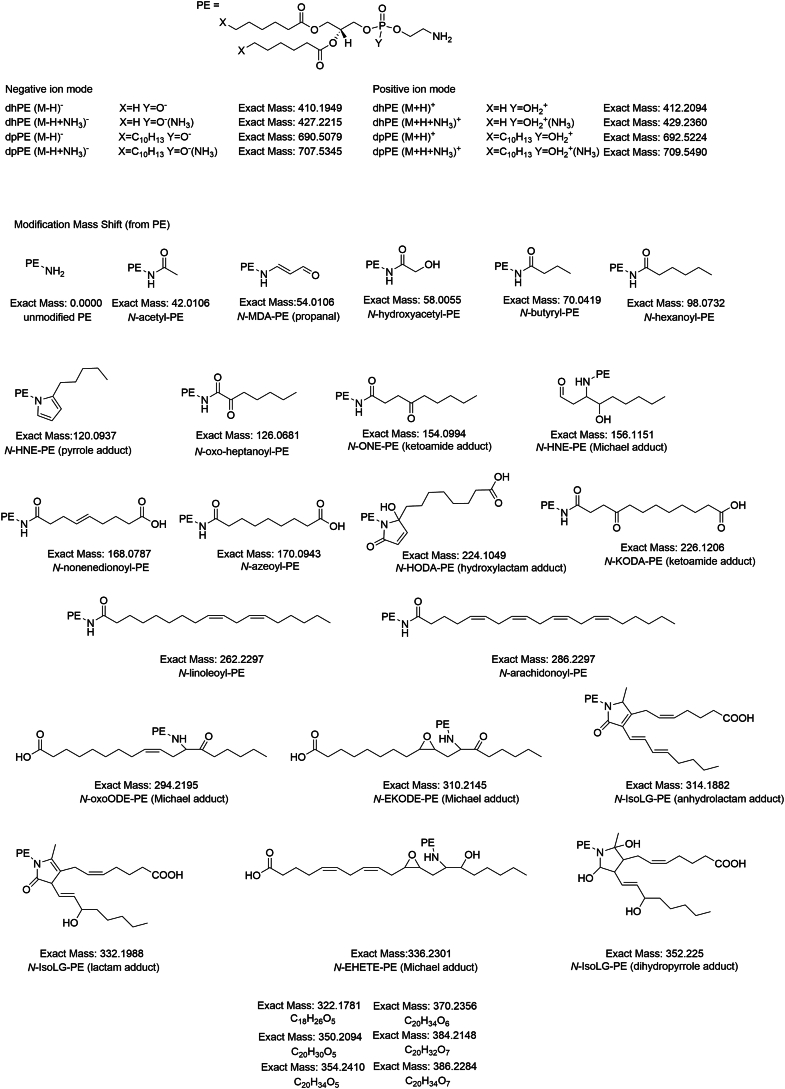 Figure 5
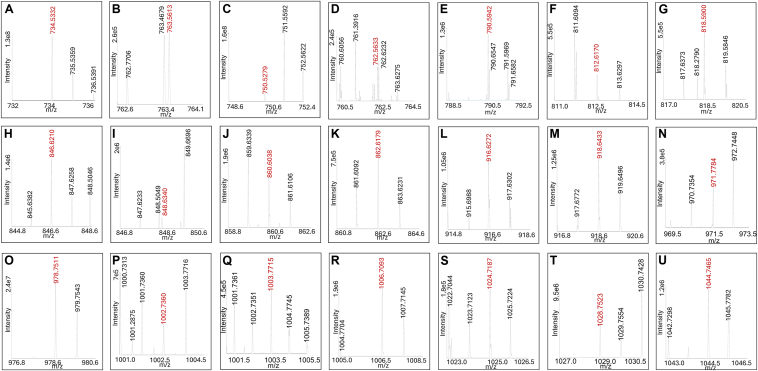 Figure 6
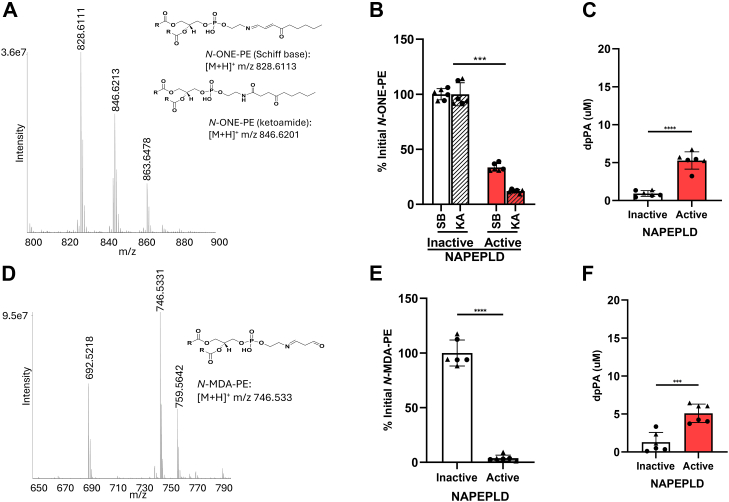 Figure 7
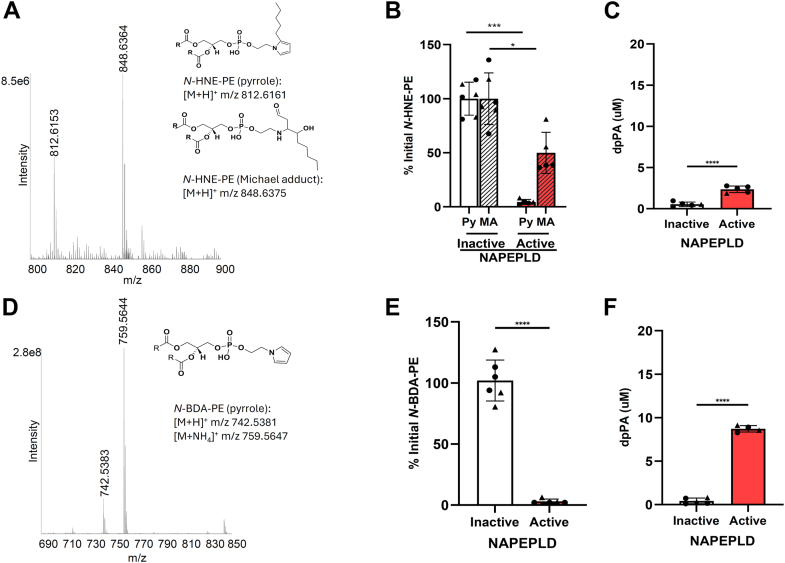 Figure 8
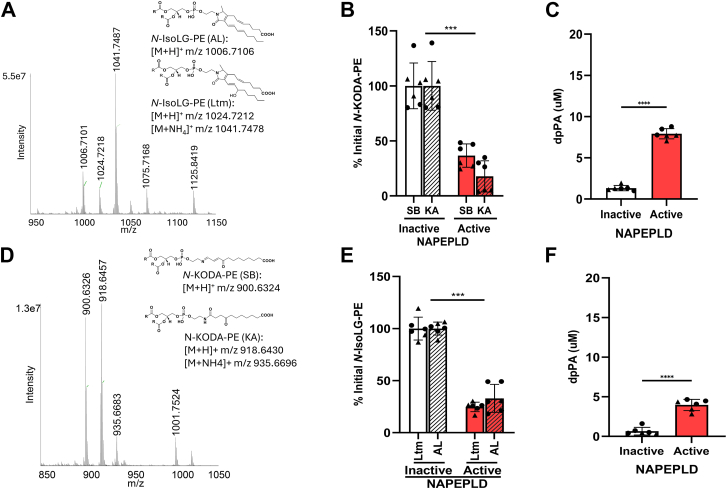 Figure 9
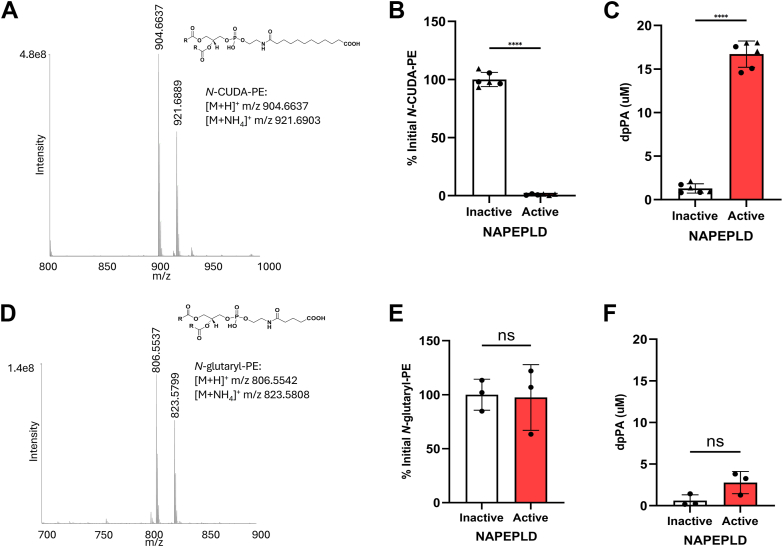 Figure 10
Peer Reviews
No public reviews on file for this paper yet. If you reviewed it on a platform where reviews are public (OpenReview, ICLR, NeurIPS, ICML), you can paste yours below so the community can read it here.
Videos
No videos yet. Explain this paper in a talk, walkthrough, or lecture? Add one.
Taxonomy
TopicsNatural Antidiabetic Agents Studies · Cannabis and Cannabinoid Research · Peroxisome Proliferator-Activated Receptors