Eye movements as predictors of student experiences during nursing simulation learning events
Madison Lee Mason, Caleb Vatral, Clayton Cohn, Eduardo Davalos, Mary Ann Jessee, Gautam Biswas, Daniel T. Levin

TL;DR
The study shows that eye movement patterns during nursing simulations can reveal how students process information and interact with others.
Contribution
The research introduces a method of analyzing eye movements within participant-defined events to better understand cognitive processes in real-world learning.
Findings
Longer fixation duration and larger pupil diameter predicted better teamwork and communication ratings.
Greater saccade amplitude was linked to higher self-efficacy perceptions.
Fixation duration increased at the start of events, indicating an initial encoding phase.
Abstract
Although the “eye-mind link” hypothesis posits that eye movements provide a direct window into cognitive processing, linking eye movements to specific cognitions in real-world settings remains challenging. This challenge may arise because gaze metrics such as fixation duration, pupil size, and saccade amplitude are often aggregated across timelines that include heterogeneous events. To address this, we tested whether aggregating gaze parameters across participant-defined events could support the hypothesis that increased focal processing, indicated by greater gaze duration and pupil diameter, and decreased scene exploration, indicated by smaller saccade amplitude, would predict effective task performance. Using head-mounted eye trackers, nursing students engaged in simulation learning and later segmented their simulation footage into meaningful events, categorizing their behaviors, task…
Genes, proteins, chemicals, diseases, species, mutations and cell lines named across the full text — each resolved to its canonical identifier and authoritative record.
Click any figure to enlarge with its caption.
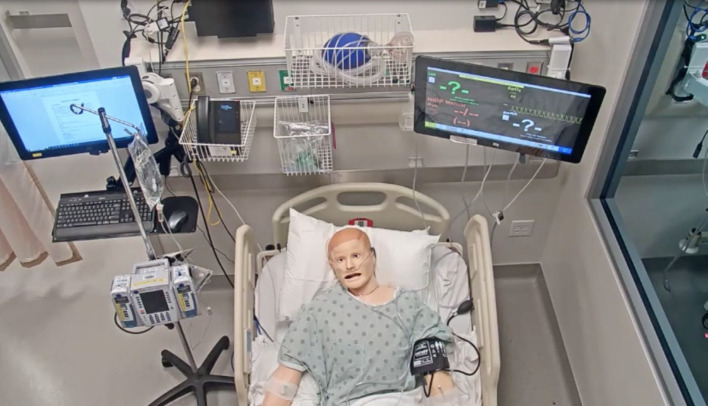 Figure 1
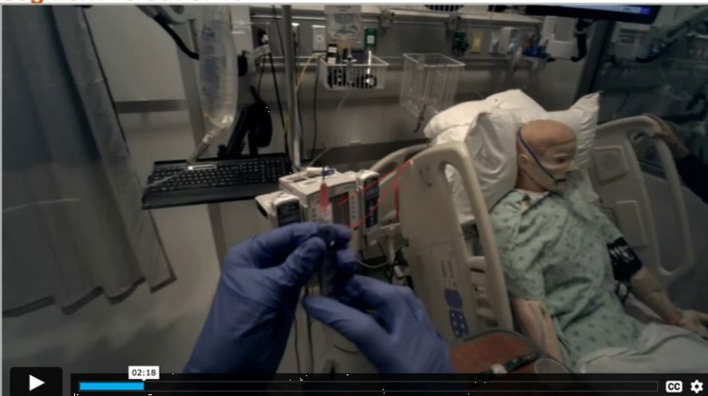 Figure 2
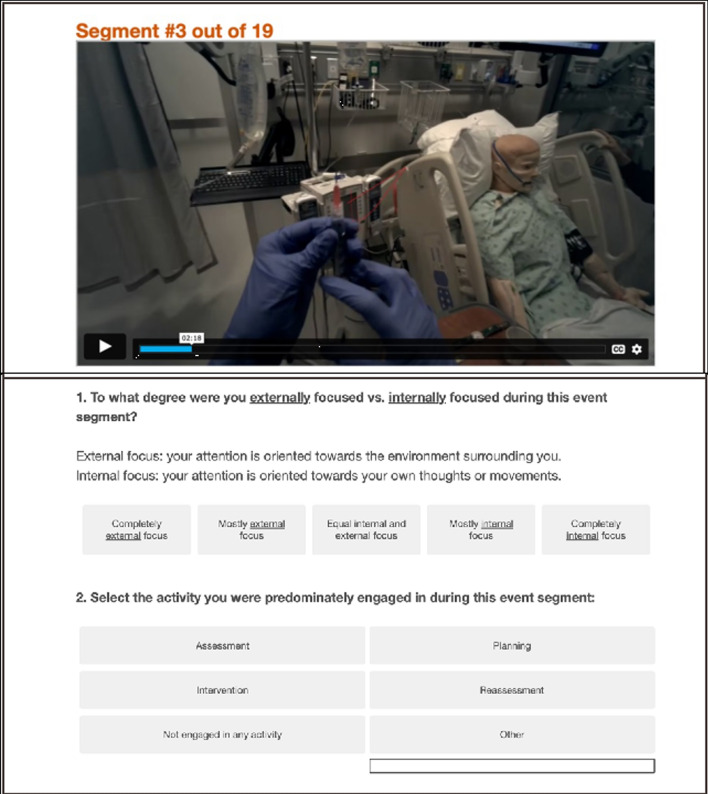 Figure 3
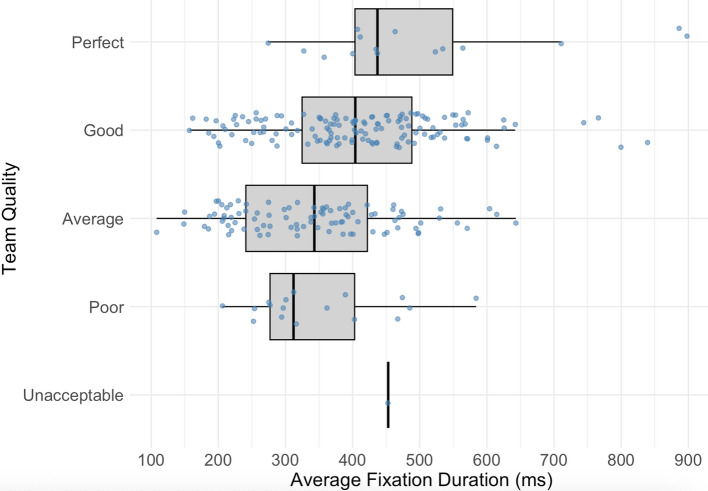 Figure 4
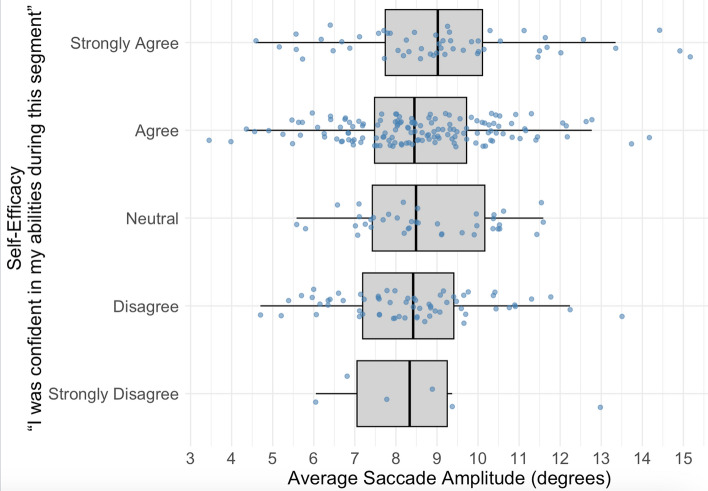 Figure 5
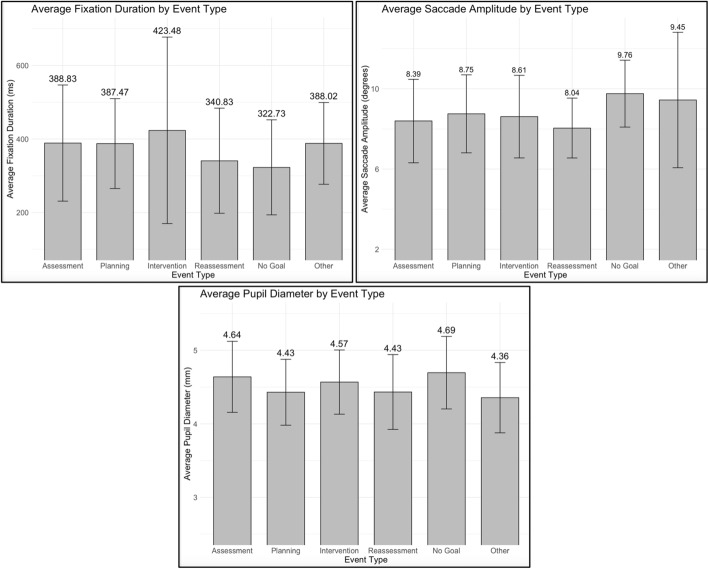 Figure 6
Peer Reviews
No public reviews on file for this paper yet. If you reviewed it on a platform where reviews are public (OpenReview, ICLR, NeurIPS, ICML), you can paste yours below so the community can read it here.
Videos
No videos yet. Explain this paper in a talk, walkthrough, or lecture? Add one.
Taxonomy
TopicsVisual and Cognitive Learning Processes · Gaze Tracking and Assistive Technology · Memory Processes and Influences