Enhancing patient-centric care: the role of PROMs utilizing SRS-30 in pediatric scoliosis management
Marina Rosa Filezio, Ramyn Jooma, Paul Fairie, David Parsons, Maria J. Santana

TL;DR
This study shows how the SRS-30 questionnaire helps improve care for children with scoliosis by tracking their quality of life before and after surgery.
Contribution
The study demonstrates the value of the SRS-30 PROM in pediatric scoliosis surgery outcomes, emphasizing patient-centered care.
Findings
Function/Activity scores decreased post-surgery but returned to baseline by 12 months.
Self-Image/Appearance and Satisfaction with Management improved most rapidly at 3 months post-surgery.
Age had no significant impact on PROM outcomes across five domains.
Abstract
Scoliosis is defined by a curvature of the spine greater than 10 degrees. The most common type of scoliosis is called Adolescent Idiopathic Scoliosis and is found in individuals between 11 to 18 years of age. It corresponds to 90% of the cases of scoliosis in the pediatric population, with an overall prevalence of 0.47–5.2%, affecting girls more than boys (3:1). There are different treatment options for scoliosis, and surgery is reserved for patients with curves greater than 45 degrees while still growing or greater than 50 degrees for skeletally mature patients. There is a growing recognition of the important role of patient-reported outcomes measures (PROMs) for understanding the impact of scoliosis on individuals’ lives and its management. This paper explores the importance of PROMs, specifically the Scoliosis Research Society-30 (SRS-30) questionnaire, in assessing and improving the…
Genes, proteins, chemicals, diseases, species, mutations and cell lines named across the full text — each resolved to its canonical identifier and authoritative record.
Click any figure to enlarge with its caption.
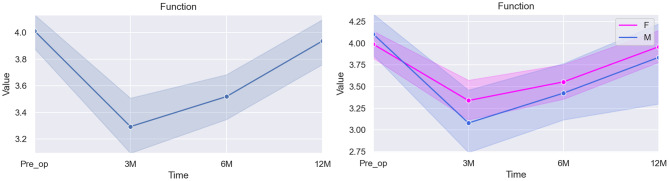 Figure 1
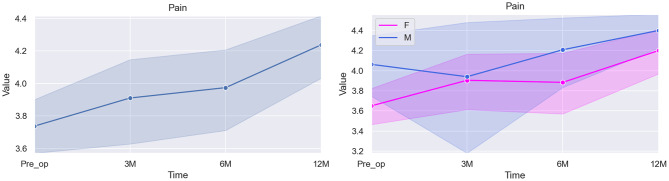 Figure 2
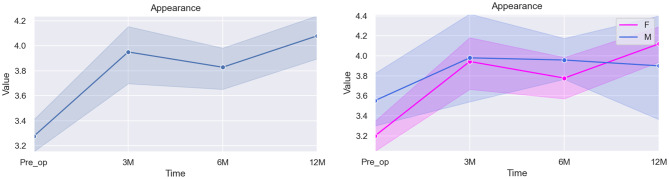 Figure 3
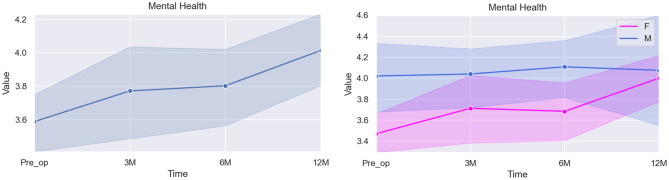 Figure 4
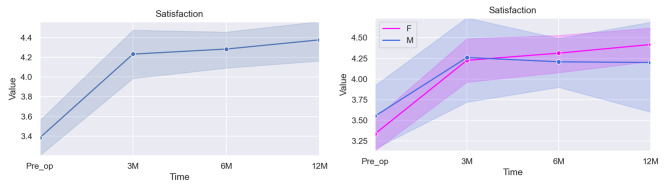 Figure 5
Peer Reviews
No public reviews on file for this paper yet. If you reviewed it on a platform where reviews are public (OpenReview, ICLR, NeurIPS, ICML), you can paste yours below so the community can read it here.
Videos
No videos yet. Explain this paper in a talk, walkthrough, or lecture? Add one.
Taxonomy
TopicsScoliosis diagnosis and treatment · Pelvic and Acetabular Injuries · Hip disorders and treatments