N6-methyladenosine RNA landscape in the aged mouse hearts
Xia Jing, Yingming Li, Zhaofu Liao, Jing-Yu Wu, Zi-Yang Xu, Zhi-Peng Yang, Hai-Liang Mo, Shun Xu, Xinguang Liu, Zhuguo Wu, Jun Tao, Xing-Dong Xiong

TL;DR
This study explores how RNA modifications called m6A change in aging mouse hearts and identifies EFEMP1 as a potential target for treating age-related heart disease.
Contribution
The study reveals novel insights into m6A modification's role in cardiac aging and identifies EFEMP1 as a potential therapeutic target.
Findings
METTL14 and FTO m6A regulators are upregulated in aged hearts, with METTL14 knockdown reducing senescence markers.
Dysregulated m6A peaks in aged hearts are enriched in genes linked to cardiomyopathies and the PI3K-Akt pathway.
EFEMP1 is upregulated in aged hearts and its suppression reduces cell senescence, suggesting therapeutic potential.
Abstract
Cardiac aging is a major risk factor for the development of cardiovascular diseases. Although evidence suggests an association between N6-methyladenosine (m6A) modification and numerous cardiovascular diseases, its role in cardiac aging remains unclear. This study was conducted to elucidate the role of m6A modification in cardiac aging and the molecular mechanisms involved. Global methylation levels and the expression of major m6A regulators were compared between young and aged hearts. Transcriptome-wide m6A landscape analysis was conducted using methylated RNA immunoprecipitation sequencing (MeRIP-seq) and RNA sequencing (RNA-seq) to identify aberrant m6A peaks. Furthermore, gene set enrichment analysis (GSEA) was performed to identify gene sets associated with cardiac aging. Functional validation of key molecules was carried out through in vitro experiments. The overall m6A level…
Genes, proteins, chemicals, diseases, species, mutations and cell lines named across the full text — each resolved to its canonical identifier and authoritative record.
Click any figure to enlarge with its caption.
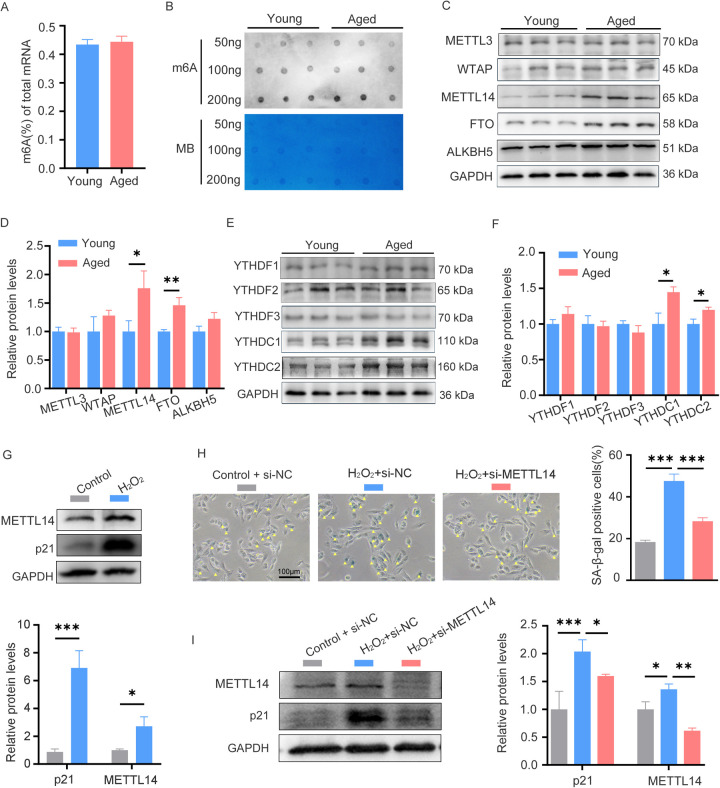 Figure 1
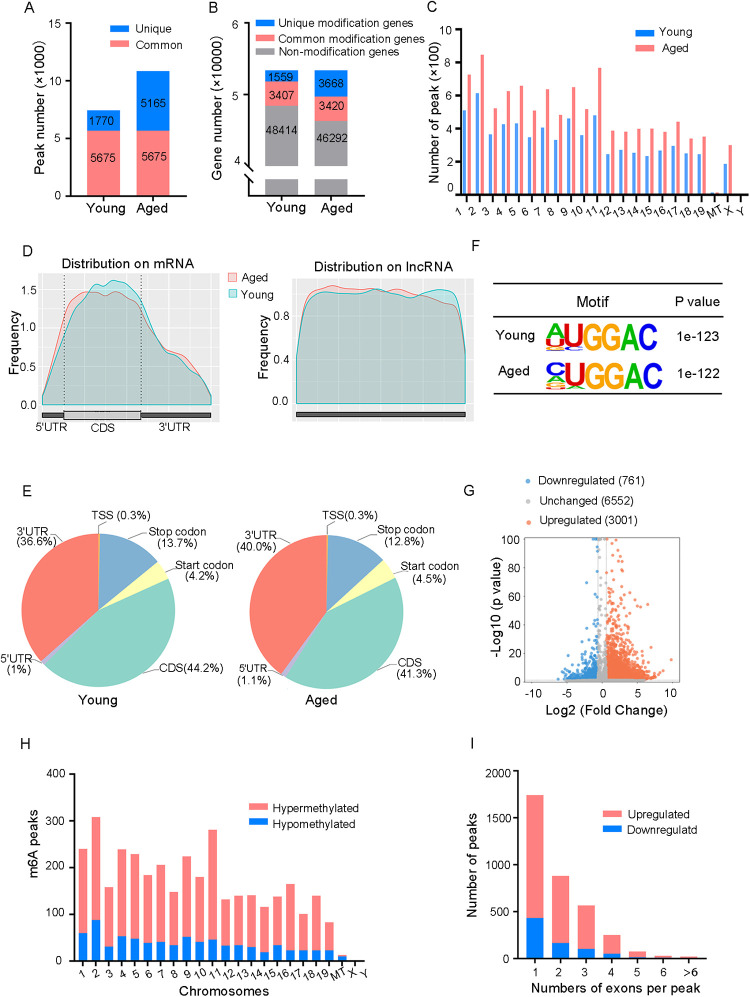 Figure 2
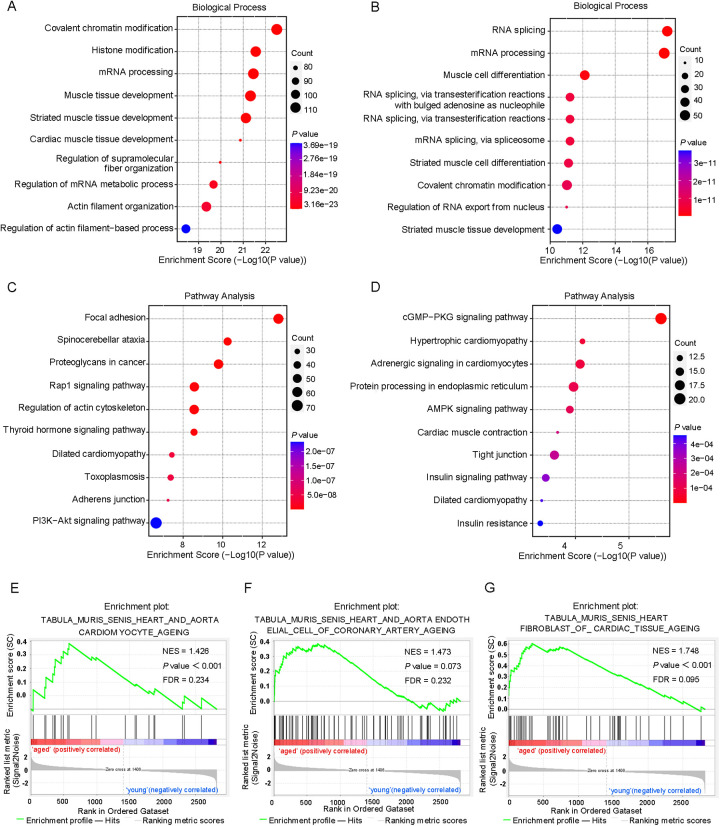 Figure 3
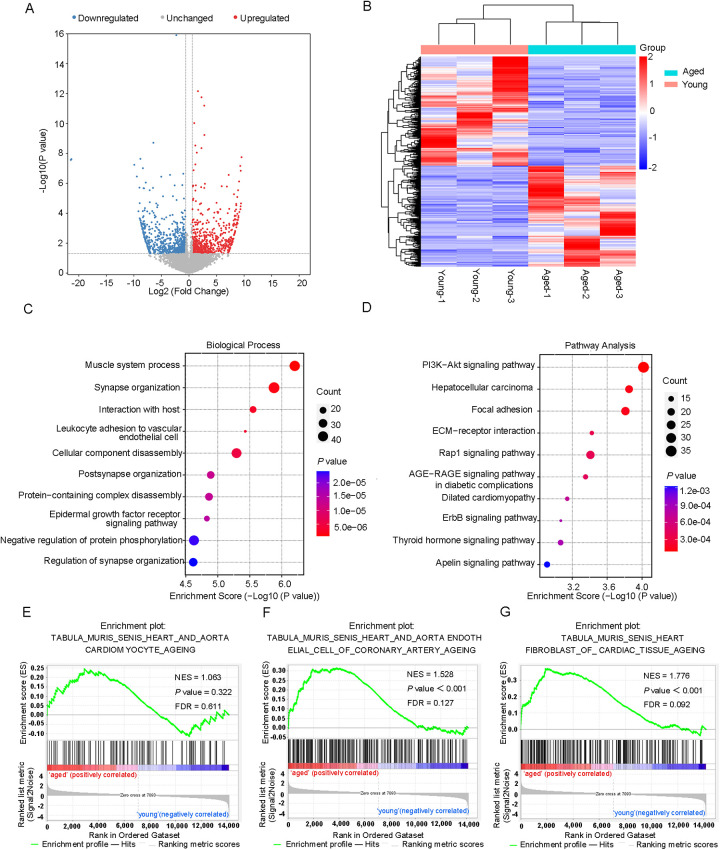 Figure 4
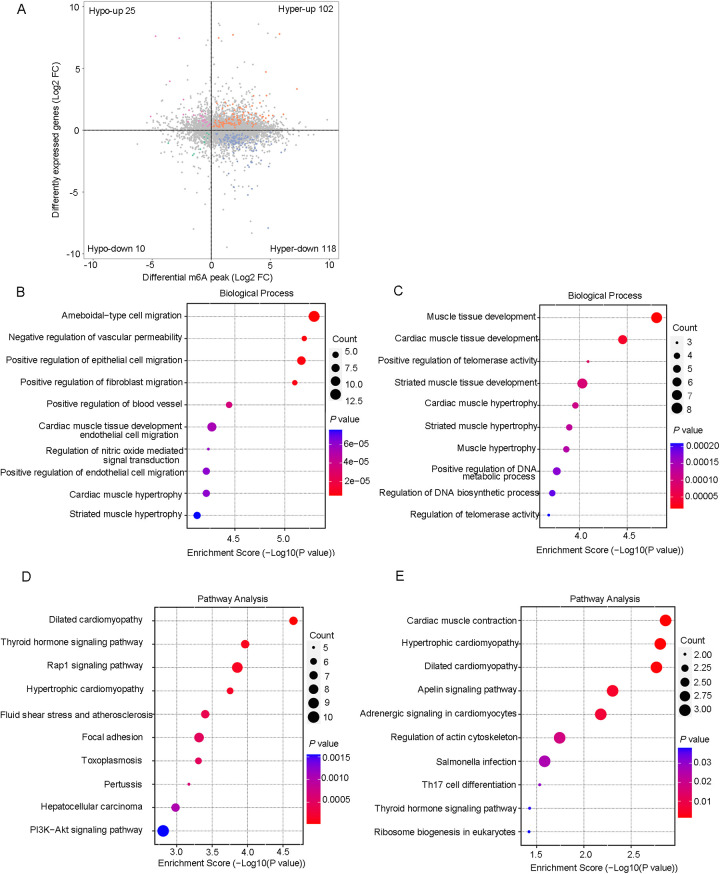 Figure 5
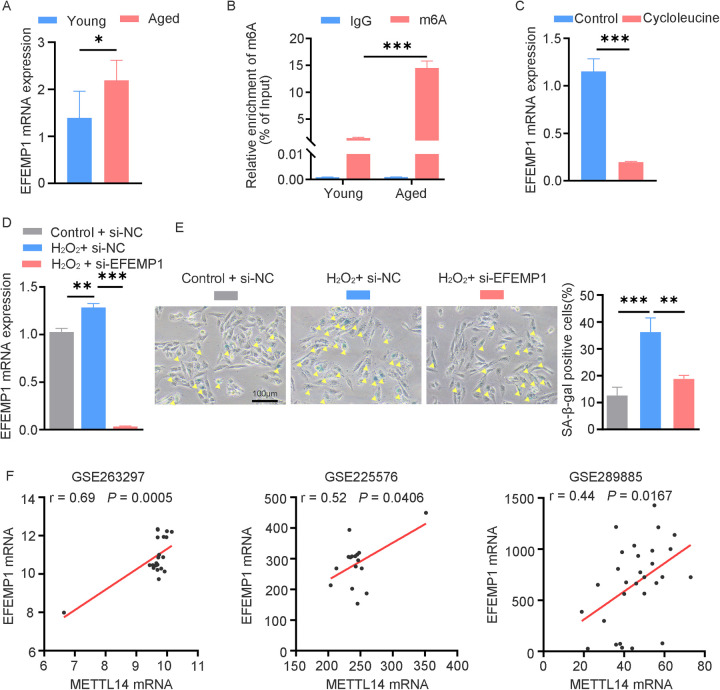 Figure 6
Peer Reviews
No public reviews on file for this paper yet. If you reviewed it on a platform where reviews are public (OpenReview, ICLR, NeurIPS, ICML), you can paste yours below so the community can read it here.
Videos
No videos yet. Explain this paper in a talk, walkthrough, or lecture? Add one.
Taxonomy
TopicsRNA modifications and cancer · Cancer-related molecular mechanisms research · Circular RNAs in diseases