Effective unilateral/bilateral robot-assisted training for upper limb motor function rehabilitation: a cross-sectional study
Guang Feng, Guohong Chai, Jiaji Zhang, Tao Song, Changcheng Shi, Jialin Xu, Guokun Zuo

TL;DR
This study compares different robot-assisted training methods for upper limb rehabilitation in stroke patients, finding that specific training strategies and feedback types improve muscle activation and performance.
Contribution
The study identifies optimal robot-assisted training strategies and feedback types for enhancing upper limb rehabilitation in stroke patients.
Findings
Bilateral passive training with visual feedback significantly increased muscle activation compared to other passive training methods.
Unilateral active training with single-modality feedback improved task performance and active participation more than multi-modality feedback.
Complex tasks like circular and S-shaped paths enhanced the effectiveness of various training strategies.
Abstract
The therapeutic effect of robot-assisted training is still indecisive due to the lack of patient-tailored protocols and dose-matched training strategies when compared to traditional treatment. The objective of this study was to investigate the optimal robot-assisted training strategies for the upper limb functional recovery in hemiparetic stroke patients. A bilateral upper limb rehabilitation robot was employed to execute unilateral and bilateral training. Eighteen able-bodied subjects were recruited to test the effective of robot-assisted training strategies before transferring them to stroke patients. We compared unilateral passive training (UPT), bilateral passive training (BPT), and unilateral active training (UAT) with various feedback types (visual, force, and visual-force, none). These trainings were performed on three kinds of virtually-guided (straight-line, circular,…
Genes, proteins, chemicals, diseases, species, mutations and cell lines named across the full text — each resolved to its canonical identifier and authoritative record.
Click any figure to enlarge with its caption.
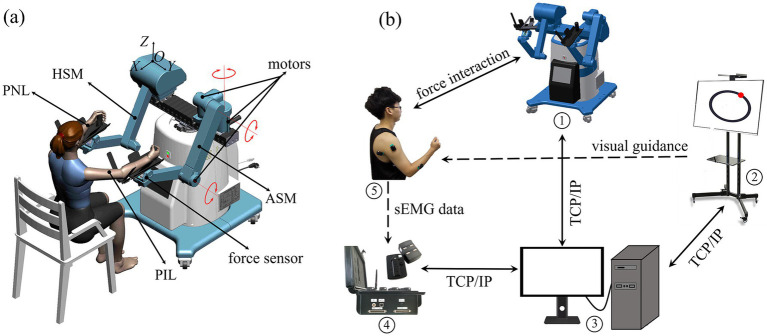 Figure 1
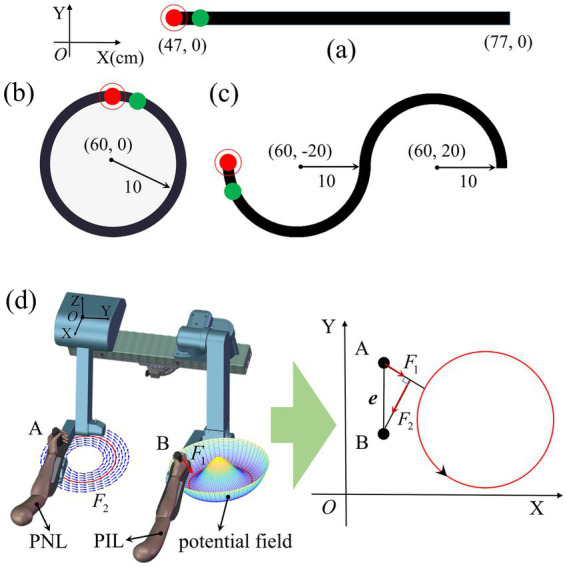 Figure 2
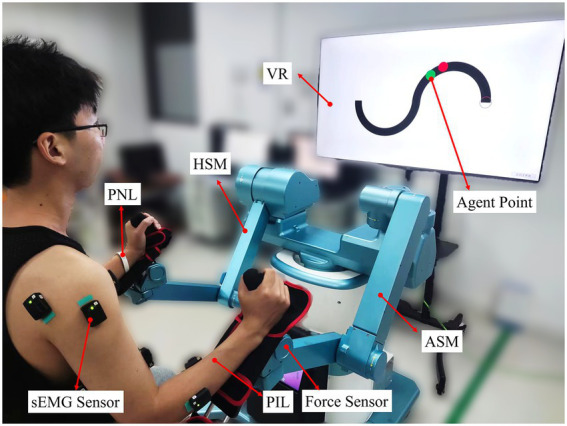 Figure 3
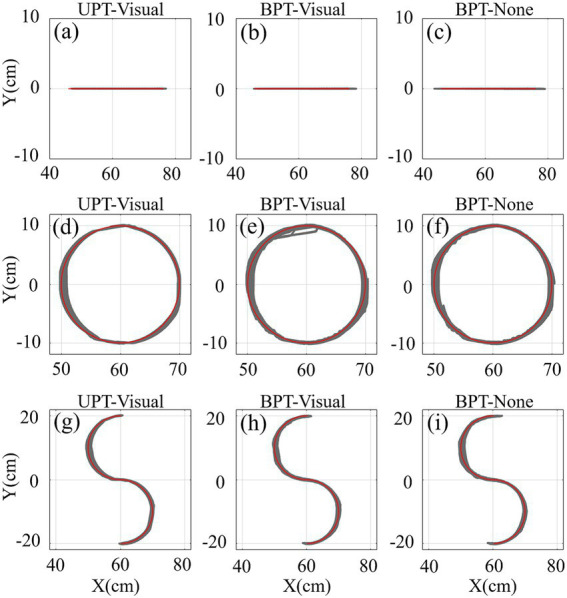 Figure 4
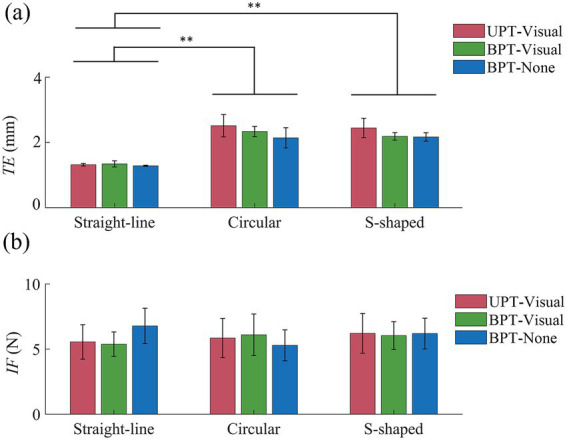 Figure 5
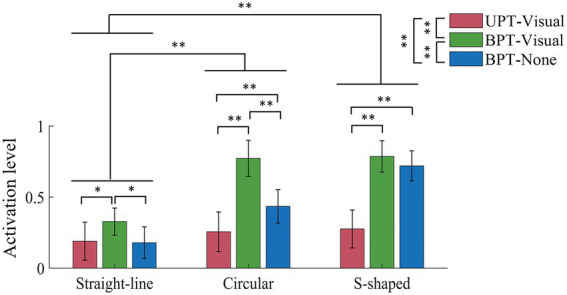 Figure 6
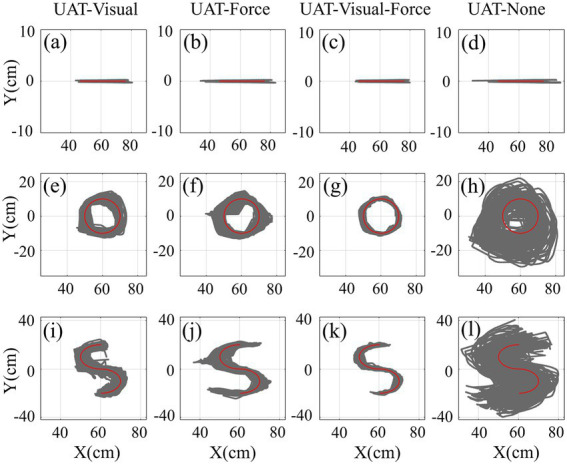 Figure 7
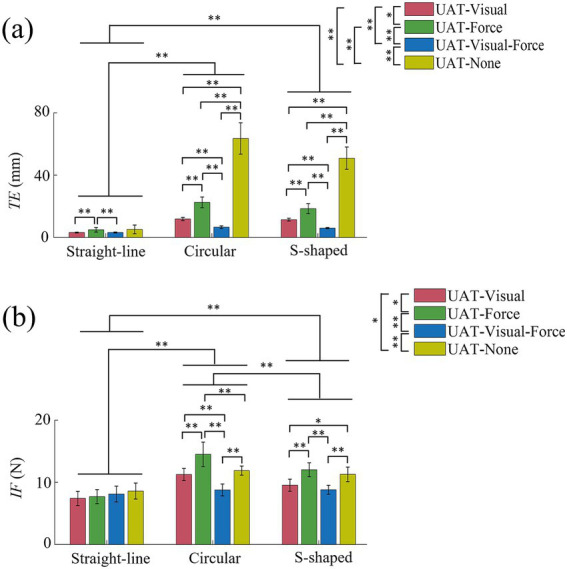 Figure 8
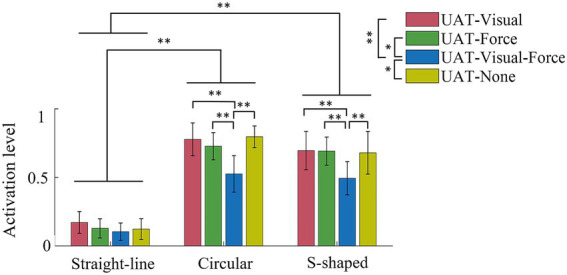 Figure 9
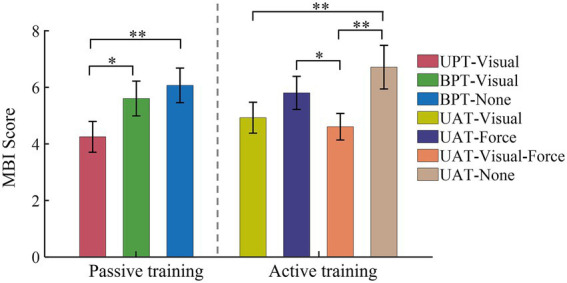 Figure 10
Peer Reviews
No public reviews on file for this paper yet. If you reviewed it on a platform where reviews are public (OpenReview, ICLR, NeurIPS, ICML), you can paste yours below so the community can read it here.
Videos
No videos yet. Explain this paper in a talk, walkthrough, or lecture? Add one.
Taxonomy
TopicsStroke Rehabilitation and Recovery · Musculoskeletal pain and rehabilitation · Muscle activation and electromyography studies