Expansion of CD103+CD69+CD8+ cytotoxic liver tissue resident memory T cells and inflammatory monocytes in advanced biliary atresia
Freya Sibbertsen, Regine J. Dress, Sören Alexander Weidemann, Katharina Möller, Uta Herden, Lutz Fischer, Kevin Paul, Jun Oh, Eva Tolosa, Sebastian Schulz-Jürgensen, Søren W. Gersting, Ania C. Muntau, Gábor A. Dunay

TL;DR
This study finds that specific immune cells in the liver are more active in children with biliary atresia, suggesting they may contribute to liver damage and could be targets for new therapies.
Contribution
The study identifies expanded CD103+CD69+CD8+ T cells and inflammatory monocytes in biliary atresia, linking them to tissue destruction and potential therapeutic targets.
Findings
CD103+CD69+CD8+ Trm cells and CD14+CD16+ monocytes are significantly increased in biliary atresia compared to controls.
T cells in BA show elevated CD103, CD69, CD39 expression and produce more TNF-α and Granzyme-B.
Cell contact with monocytes in vitro reproduces the elevated T cell activity observed in BA.
Abstract
The pathogenesis of biliary atresia (BA) is unclear to date and no therapies targeting immune regulatory pathways exist. Here we characterized potent effector liver tissue resident memory CD8+ T cells (Trm) and monocytic cells in children with advanced BA and an age-matched control group to gain insight into BA pathogenesis and immunologic regulation. Liver explants from 18 children with biliary atresia and 10 with metabolic disease and normal histology were analyzed ex vivo by multicolor flow-cytometry and immunohistochemistry. Cytokines and cytotoxic mediators were quantified by intracellular staining and bead-based arrays in culture supernatant. The frequency of CD103+CD69+CD8+ Trm cells and CD14+CD16+ monocytes was significantly higher in BA than in the control group. In BA, T cells showed elevated expression of CD103, CD69, CD39 and production of TNF-α and Granzyme-B ex vivo,…
Genes, proteins, chemicals, diseases, species, mutations and cell lines named across the full text — each resolved to its canonical identifier and authoritative record.
Click any figure to enlarge with its caption.
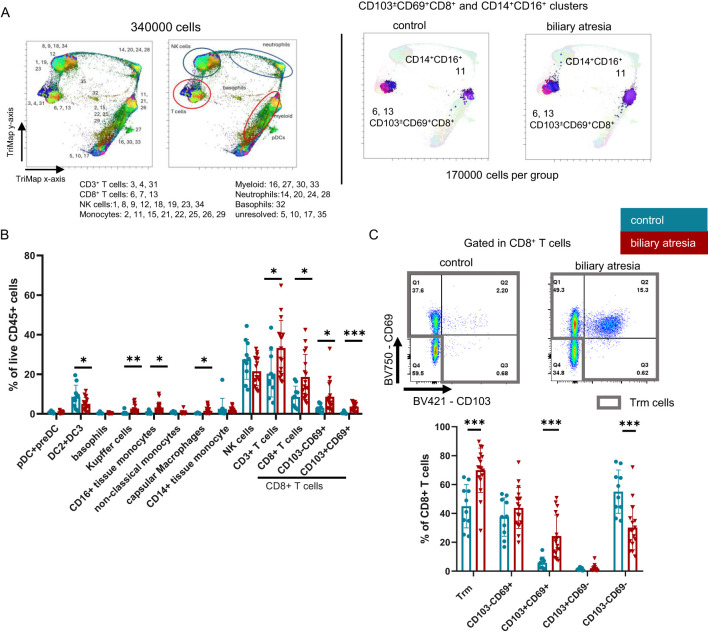 Figure 1
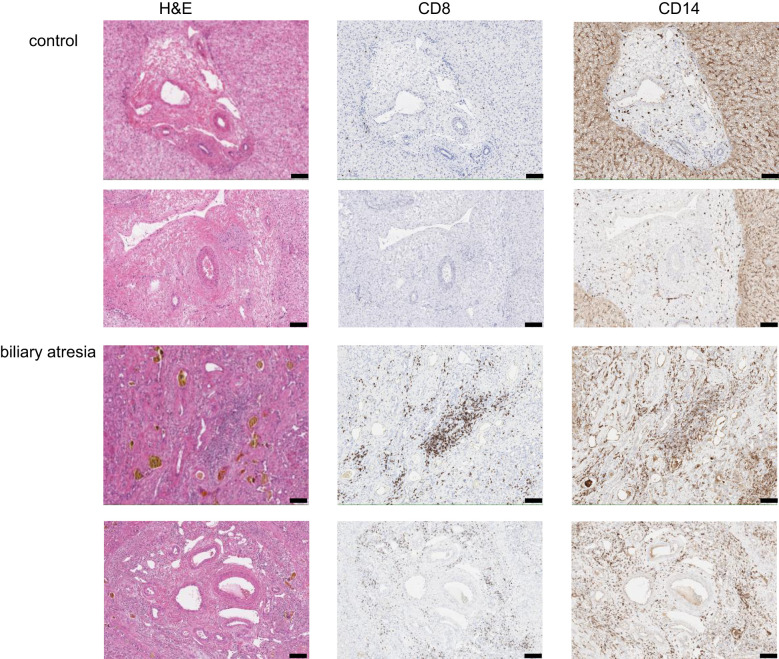 Figure 2
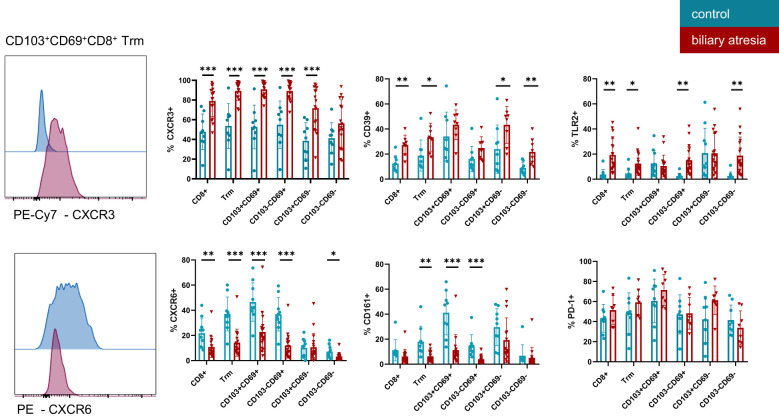 Figure 3
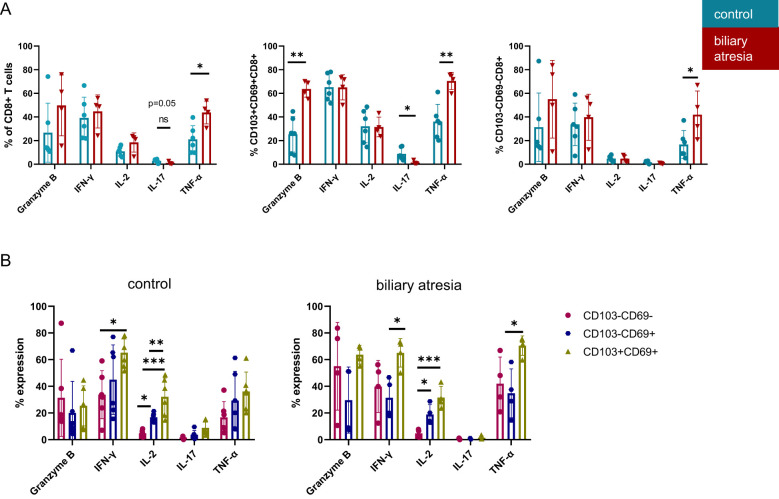 Figure 4
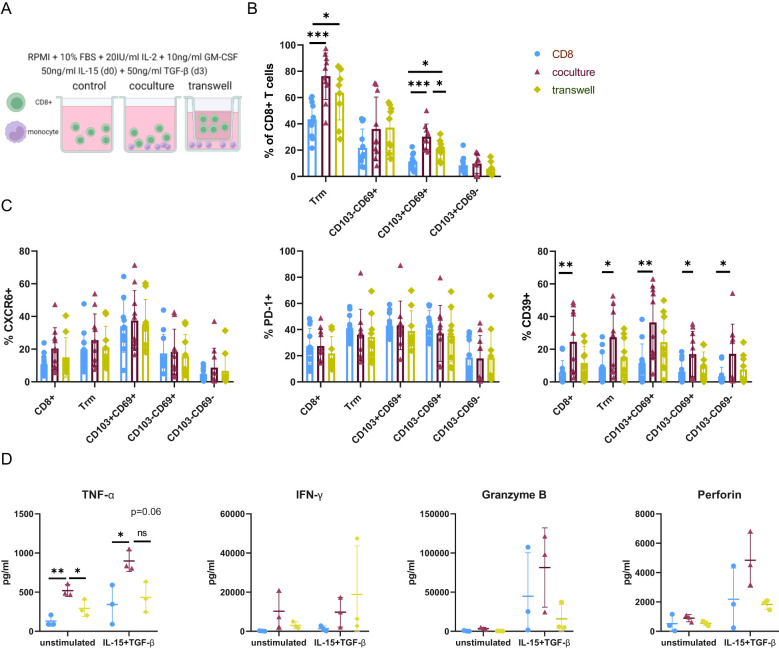 Figure 5
Peer Reviews
No public reviews on file for this paper yet. If you reviewed it on a platform where reviews are public (OpenReview, ICLR, NeurIPS, ICML), you can paste yours below so the community can read it here.
Videos
No videos yet. Explain this paper in a talk, walkthrough, or lecture? Add one.
Taxonomy
TopicsPediatric Hepatobiliary Diseases and Treatments · Infant Nutrition and Health · Liver Diseases and Immunity