Screening of Metabolites and Metabolic Pathways in Five Different Ocimum Species From the Same Origin Using GC-MS
Ravi Prakash Jaiswal, Vishal Chugh, Sushil Nagar, Shalini Purwar, Akbare Azam, Ankit Verma

TL;DR
This study compares the chemical profiles of essential oils from five Ocimum species using GC-MS, revealing distinct metabolite diversity and pathway activations.
Contribution
The study provides a comparative metabolic profiling of five Ocimum species, highlighting unique pathway activations and chemical diversity.
Findings
111 bioactive compounds were identified, with O. citriodorum showing the highest diversity.
Key compounds like α-pinene, linalool, and caryophyllene were consistently found across species.
PCA and HCA confirmed the distinct chemical profiles and clustering of the Ocimum species.
Abstract
This study presents the comparative and preliminary phytochemical analysis of essential oils extracted from 5 different Ocimum species, including Ocimum basilicum Linn, Ocimum canum Sims, Ocimum citriodorum, Ocimum gratissimum Linn and Ocimum sanctum Linn. The gas chromatography coupled with single quadrupole mass spectrometry was employed for the screening of the different metabolites. The present study investigates a total number of 111 bioactive compounds which were identified across the five Ocimum species, with O. citriodorum exhibiting the highest diversity. The analysis revealed significant variations in the chemical profiles, attributed to differing eco-climatic conditions. Key bioactive compounds, such as α-pinene, linalool and caryophyllene, were consistently found across species. The study also mapped these compounds to metabolic pathways, highlighting their roles in…
Genes, proteins, chemicals, diseases, species, mutations and cell lines named across the full text — each resolved to its canonical identifier and authoritative record.
Click any figure to enlarge with its caption.
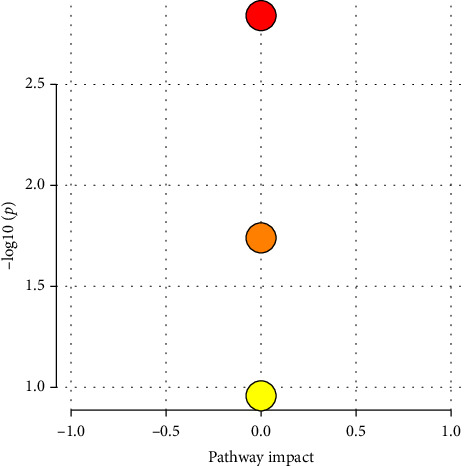 Figure 1
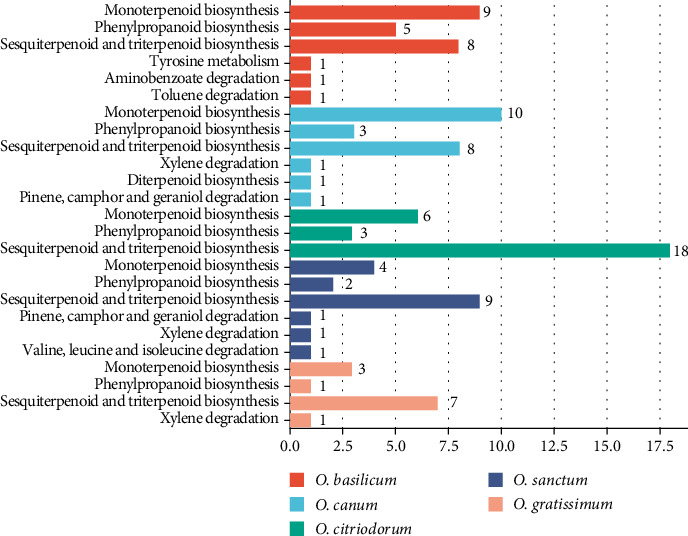 Figure 2
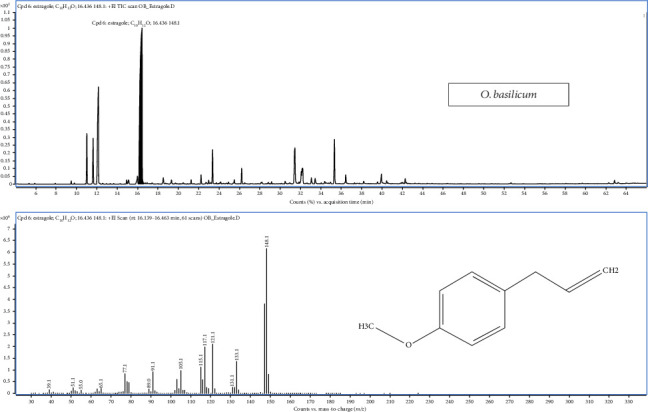 Figure 3
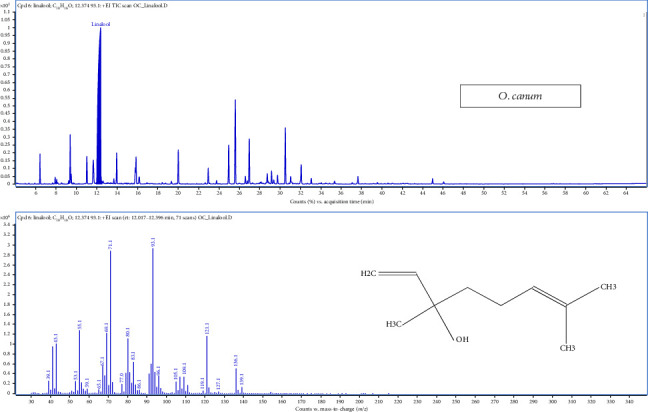 Figure 4
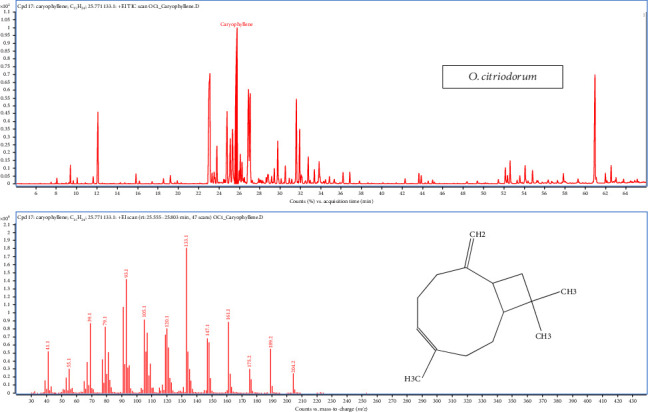 Figure 5
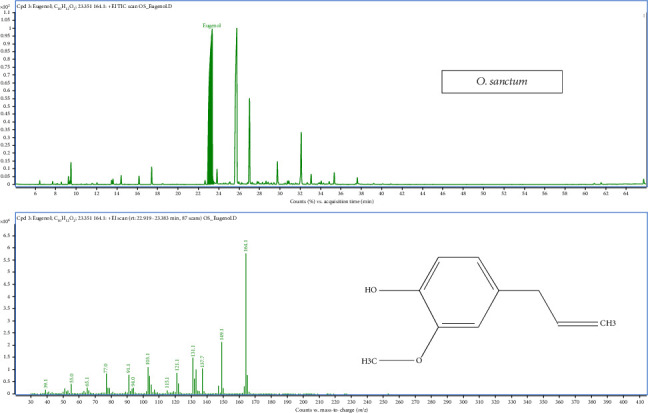 Figure 6
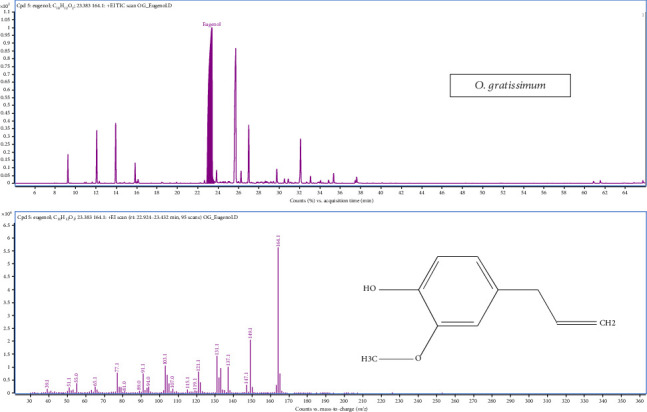 Figure 7
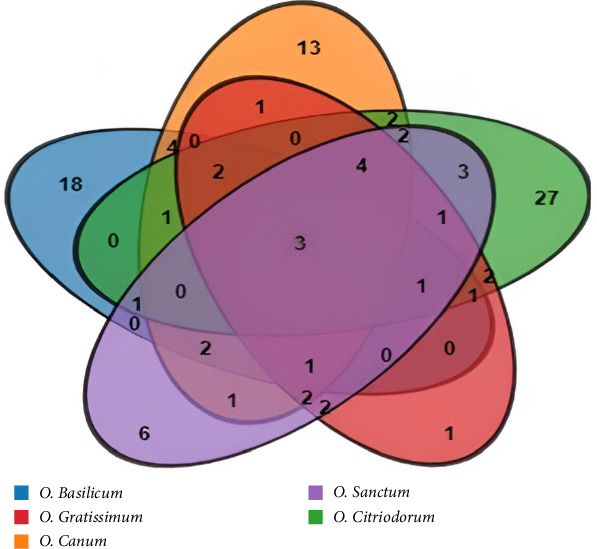 Figure 8
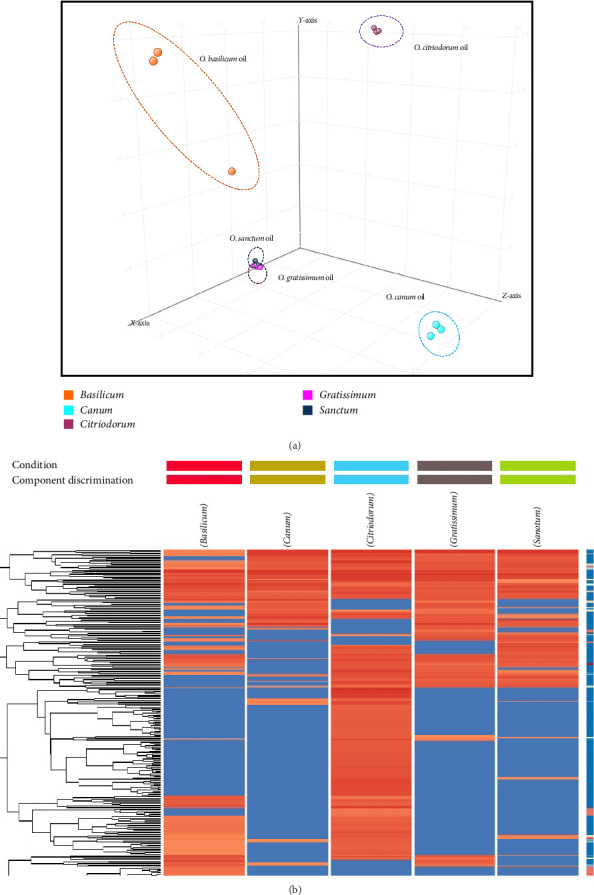 Figure 9
Peer Reviews
No public reviews on file for this paper yet. If you reviewed it on a platform where reviews are public (OpenReview, ICLR, NeurIPS, ICML), you can paste yours below so the community can read it here.
Videos
No videos yet. Explain this paper in a talk, walkthrough, or lecture? Add one.
Taxonomy
TopicsPhytochemicals and Medicinal Plants · Essential Oils and Antimicrobial Activity · Medicinal Plants and Neuroprotection
1. Introduction
The genus Ocimum, family Lamiaceae, is a well-known aromatic and rich essential oil-bearing plant family. More than 111 species are grown widely and distributed throughout tropical and temperate regions and are collectively known as the ‘basils', Tulsi (Urdu language). From ancient times to modern research, this plant has made significant contributions to the field of science. It contains various bioactive compounds, including aromatic esters, phenolics, terpenes and alkaloids, which have led to numerous medicinal applications. These applications include insecticidal, antimicrobial, repellent, larvicidal, nematocidal, antioxidant and therapeutic uses. Therapeutic benefits encompass anti-inflammatory, antinociceptive, antipyretic, antiulcer, cardioprotective, anthelmintic, immunomodulatory, analgesic, anticarcinogenic, skin permeation enhancement and antilipidemic properties [1–5]. Ocimum gratissimum, Ocimum basilicum and Ocimum sanctum are commonly known as clove basil (wild basil/East India basil), holy basil and sweet basil, respectively. The several countries of East Asia, Europe, America and Australia are frequently cultivating these Ocimum species for the production of essential oils. Another species Ocimum americanum (O. americanum), formerly known as Ocimum canum (O. canum), includes a wild species in India, and its essential oil is used for several profitable purposes [6, 7]. These species have varied medicinal properties due to their high biological activities, which are used in various traditional and native medicines. In addition to these, they are also apparent for their distinctive composition of flavour/aroma due to their high-quality essential oils and aroma chemicals appreciated in food, cosmetic, fragrance and pharmaceutical industries [8–11]. The essential oil composition of Ocimum taxa is very complex and shows wide-ranging composition variations due to different morphotypes, genotypes, chemotypes, environmental/climatic conditions and varied agronomical factors with cultivars within the taxa [12].
Chemical characterization can separate accelerations based on the concentration of a particular substance and determine the inherent variability or variability between subscriptions of the same species. Sometimes, O. gratissimum and other chemotypes of O. tenuiflorum [6, 13] and tarragon-rich (87%) were reported as chemotypes of O. tenuiflorum in Australia [14]. The chemical composition of essential oils in the genus Ocimum, particularly the plant of O. basilicum, has been the subject of many studies because chemotaxis can also be used to assess interspecies or interspecies variability [15]. The composition of the ether oils of Ocimum gave rise to a comprehensive variety of oil components, and various chemical types have been reported from different regions of the world. The major components distributed in Ocimum species are phenylpropanoids (eugenol, methyleugenol, tarragon, methylcinnamic acid), monoterpenoids (linalool, 1,8-cineole, camphor, thymol) sesquiterpenoids mainly β-caryophyllene, germacrene D, β-selinene, β-bisabolene, α-selinene and elemol [16–19].
The aim of this study was to chemically quantify ether oils of Ocimum species for the examination of major molecules such as estragole, caryophyllic, linalol and eugenol of five Ocimum species, namely, Ocimum species, viz. Ocimum basilicum Linn*, Ocimum citriodorum*, Ocimum canum Sims, Ocimum gratissimum Linn and Ocimum sanctum Linn. This study first used gas chromatography–mass spectrometry (GC-MS) analysis to evaluate essential oils of Ocimum species to quantify and identify target molecules, and show all Ocimum species that do not characterize and identify molecules at the same time, but exhibit detailed variation in the composition. Gas chromatography combined with a single quadrupole mass spectrometry (GC-MS) and identification of their metabolic pathway by Kyoto Encyclopedia of Genes and Genomes (KEGG).
2. Materials and Methods
2.1. Sampling and Isolation of Essential Oils
Five different species of Ocimum seeds like O. basilicum, O. canum, O. sanctum, O. citriodorum and O. gratissimum were collected from the National Seed Bank of NBPGR, New Delhi. Plants were grown in an open area of 100 × 2500 cm (plot size) with plant spacing of 50 cm^2^ located at Government Girls P.G. College, Ghazipur. The plot was drip irrigated for 2 h, 3 times per week with a dose of fertilizing (Urea [46-0-0] and NPK fertilizer [15-15-15] in the ratio 1:3) once a month until flowering. These essential oils, consisting of fresh herbs, were extracted from the Ocimum species' inflorescence (flower) parts. The extraction process was carried out through hydrodistillation using a Clevenger apparatus for a duration of 3 h. The extracted essential oils were quantified directly within the extraction burette. Subsequently, the oil samples underwent dehydration using anhydrous sulphate and were stored at low temperatures in the fridge for further analysis [20].
2.2. Sample Preparation
Before quantifying the molecules in essential oils of Ocimum species, approximately 0.2 g of each sample was meticulously measured and placed into 20-mL amber-coloured volumetric flasks. To ensure proper mixing, 5 mL of methanol (specifically LC-MS CHROMASOLV, ≥ 99.9% purity, obtained from Merck) was added and homogenized. The solution was then brought to the desired volume. Subsequently, the solution was passed through a 0.45-μm membrane filter, and 0.5 mL of the filtrate was employed as the testing solution for screening the molecules present in basil oil samples using GC-MS [21].
2.3. GC-MS Qualitative Analysis
The GC-MS was performed, as per the method already streamline by Jaiswal et al. [22]. Briefly, the methanolic extract analysis of oil samples isolated from different Ocimum species through GC-MS was conducted using an Agilent 8890 gas chromatograph coupled with a model 5977B GC/MSD (gas chromatograph/mass spectrometry detector), featuring an HP-5 MS capillary column having length of 30 m, with an inner diameter of 250 μm and a film thickness of 0.25 μm. Helium gas was used as the carrier gas, with a flowing rate of 1 mL/min and a split ratio of 1:100. The temperature profile of the oven was programmed to increase from 60°C to 240°C at a rate of 3°C per minute. Subsequently, it was raised to 270°C at a rate of 5°C per minute, followed by a postrun period of 4 min at 305°C. The injector and mass transfer line temperatures were held at 250°C [23].
In the MS analysis, electron impact ionization mode (EI) at 70 electron volts (eV) was utilized, with a mass scan range spanning from 30 to 500 m/z (mass-to-charge ratio) at a sampling rate of 1.0 scan per second. The mass source and quadrupole (Quad) temperatures were set at 230°C and 150°C, respectively. For the identification of volatile compounds within the basil essential oil, data processing involved comparing the retention indices (RI), which were determined using a C_7_–C_30_ Saturated Alkanes Calibration Standard from Sigma-Aldrich, St. Louis, MO, USA, with the mass spectra fragmentation patterns of each compound. These were matched with the RI and mass spectra information in the Wiley Registry 12th Edition/NIST 2020 Mass Spectral Library. This analysis used the Mass Hunter Workstation Qualitative Analysis Version 10.0 software developed by Agilent Technologies, Palo Alto, CA, USA (22).
2.4. Qualitative Analyses and Statistical Evaluation of Analytical Data
The results were subjected to statistical evaluation using Agilent Mass Hunter WorkStation Mass Profiler Professional (MPP) Version 15.1.
2.5. Metabolic Pathway Analysis by KEGG
The sample pathway analysis was carried out using the pathway analysis function available at the KEGG web server. This function combines enrichment and topology analysis to estimate the possible biological influences based on the perturbed pathways.
3. Results
3.1. Identification of Basil Oil Compounds in Ocimum Species
Remarkably, there has been no previous report on plant metabolic characterization using GC-MS to unveil the presence of various bioactive compounds in extracts of different basil species. Thus, this study was conducted to fill this knowledge gap. During the GC-MS analysis, 111 distinct peaks were observed in the essential oils of various basil species. Each of these peaks represented bioactive compounds, and their identities were established by correlating their retention times and molecular formulas with known compounds as proposed by the NIST library (Table 1). Notably, O. citriodorum exhibited the highest number of compounds (51 compounds) in its extract, followed by O. basilicum (36 compounds), O. sanctum (28 compounds) and O. gratissimum (20 compounds) (Table 1). These variations in chemical composition among different basil species may be attributed to their origin in diverse climatic and soil conditions.
Our findings highlight the biological significance of most of the identified compounds. The identification and separation of constituents in basil oils from 5 distinct Ocimum spp. were achieved using the GC-MS protocol developed for this purpose. This was based on the retention index determined with a series of n-alkanes (C_7_–C_30_) calibration standards. The analysis was conducted under identical experimental conditions, involving coinjection with standards or known essential oil constituents, a mass spectra library search, and comparing the mass spectral and retention data with the existing literature. The relative quantities of distinct components were determined using the peak area normalization and expressed in percentages (%). This comprehensive analysis sheds light on the diverse and biologically important compounds in the essential oils of different basil varieties, making it a valuable resource for multiple industries.
3.2. Analysis of Metabolic Pathways of Different Ocimum Varieties
Table 1 provides a comparative list of compounds found across different species. The chemical analysis of Ocimum essential oils revealed the presence of 110 volatile constituents in all five basil varieties. Compared with the KEGG web server database, it was found that the specific metabolites in the experiment were primarily involved in monoterpenoid biosynthesis, phenylpropanoid biosynthesis, sesquiterpenoid and triterpenoid biosynthesis (Figures 1 and 2). Based on our analyses, some compounds were consistently found in significant quantities among the different species, including α-pinene, α-elemene, α-neoclovene, D-limonene, (E)-linalool oxide A, cis-linalool oxide, δ-cadinene, α-cubebene, linalool, eugenol, methyleugenol, estragole, caryophyllene, aromadendrene, α-humulene, α-bisabolene, acetyl eugenol, caryophyllene oxide and caryophyllenyl alcohol. The specific metabolites dedicatedly present in specific species of the Ocimum variety are shown in Supporting Tables S1–S5.
3.3. Analysis of Metabolic Pathways and Properties of O. basilicum
The chemical composition of O. basilicum oil was found to comprise a total of 47 compounds, and the chromatogram confirms it as estragole-rich, with a major peak at 16.46 min (Figure 3). The specific metabolites of O. basilicum were determined in six specific pathways, like monoterpenoid biosynthesis, phenylpropanoid biosynthesis, sesquiterpenoid and triterpenoid biosynthesis, aminobenzoate degradation, tyrosine metabolism and toluene degradation (Figure 2). The chromatogram showed that the predominant compounds in this basil oil were estragole, the dominant constituent in phenylpropanoid biosynthesis, accounting for a substantial percentage of the oil (49.49%–61.05%). Additionally, the other major compounds included (E)-linalool oxide A (ranging from 0.95% to 3.73%), linalool (14.3%–20.33%), α-longipinene (1.26%–1.83%) and 4-methoxycinnamaldehyde (2.77%–5.19%). Among these pathways, aminobenzoate degradation, tyrosine metabolism and toluene degradation only occur in O. basilicum.
3.4. Analysis of Metabolic Pathways and Properties of O. canum
The chromatogram of GC-MS analysis of Ocimum canum (Figure 4) identified 39 compounds, confirming it as a linalool-rich sample with a major peak at 12.37 min. KEGG analysis of compounds revealed that six pathways were activated in O. canum involved in monoterpenoid biosynthesis, phenylpropanoid biosynthesis, sesquiterpenoid and triterpenoid biosynthesis, xylene degradation, diterpenoid biosynthesis and pinene, camphor and geraniol degradation (Figure 2). Table 1 shows that monoterpene hydrocarbons were the dominant compounds, with linalool accounting for the largest proportion (ranging from 50.81% to 51.26%). Caryophyllene (7.66%–7.98%) and α-humulene (3.71%–3.8%) were identified as major sesquiterpene compounds in O. canum oil. Other compounds present in noteworthy quantities included α-pinene (1.59%–1.61%), D-limonene (3.05%–3.3%), (E)-linalool oxide A (1.94%–2.06%), eugenol (1.15%–1.39%), methyleugenol (2.92%–2.94%) and α-bisabolene (4.53%–5.22%).
3.5. Analysis of Metabolic Pathways and Properties of O. citriodorum
The results presented in Table 1 highlight that O. citriodorum essential oil was particularly rich in volatile compounds, with a total of 53 different compounds identified and a chromatogram, where a prominent peak at approximately 25.77 min corresponds to caryophyllene, identified based on its retention time and intensity (Figure 5). These are related to three pathways: monoterpenoid biosynthesis, phenylpropanoid biosynthesis, sesquiterpenoid and triterpenoid biosynthesis (Figure 2). Caryophyllene was the major sesquiterpene compound, constituting 17.87%–17.93% of the oil. Other compounds found in significant amounts included α-neoclovene (3.52%–3.79%), γ-cadinene (1.23%–1.25%), D-limonene (0.64%–2.64%), aromadendrene (7.11%–7.17%), α-humulene (6.02%–6.1%), linalool (3.62%–5.62%), eugenol (11.5%–13.5%), copaene (1.59%–1.67%), cinnamaldehyde dimethyl acetal (2.38%–4.17%), α-elemene (2.55%–2.75%), α-longipinene (1.06%–1.07%), δ-cadinene (1.99%–2.02%), fonenol (2.37%–2.61%), caryophyllenyl alcohol (4.78%–4.83%), ledol (1.31%–1.36%), acetyl eugenol (1.06%–1.08%) and rosifoliol (6.68%–6.87%).
3.6. Analysis of Metabolic Pathways and Properties of O. sanctum
In a similar vein, the analysis of O. sanctum essential oil identified 31 volatile compounds and six metabolic pathways including monoterpenoid biosynthesis; phenylpropanoid biosynthesis; sesquiterpenoid and triterpenoid biosynthesis; pinene, camphor and geraniol degradation; valine, leucine and isoleucine degradation; and xylene degradation that constituted the entire oil composition, as depicted in Figures 2 and 6. Sesquiterpenoid and triterpenoid biosynthesis has a major pathway with nine compounds present. The major sesquiterpene compound in O. sanctum oil was caryophyllene (25.43%–26.16%). Other compounds present in noteworthy amounts included eucalyptol (1.01%–1.05%), citronellol (0.88%–0.97%), copaene (0.89%–0.93%), α-humulene (6.91%–6.97%) and δ-cadinene (1.43%–1.5%).
3.7. Analysis of Metabolic Pathways and Properties of O. gratissimum
The analysis of O. gratissimum essential oil identified 23 compounds, with the chromatogram showing a dominant peak at 23.35 min corresponding to eugenol, confirmed by its retention time and peak intensity (Figure 7), and four metabolic pathways such as monoterpenoid biosynthesis, phenylpropanoid biosynthesis, sesquiterpenoid and triterpenoid biosynthesis and xylene degradation (Figure 2). In this case, phenylpropanoids also dominated the oil composition, with eugenol being the major constituent, constituting a significant proportion (58.67%–59.83%). Additionally, the major sesquiterpene compound identified was caryophyllene (ranging from 17.69% to 18.61%), while monoterpene hydrocarbons such as linalool were present in the range of 3.38%–3.33%. Other compounds found in notable quantities included p-cymene (1.42%–1.57%), 2-bornanone (3.87%–3.89%), α-terpineol (ranging from 1.18% to 1.19%), α-humulene (4.25%–4.41%) and caryophyllene oxide (ranging from 2.38% to 3.36%).
3.8. Exploring the Chemical Diversity of Different Ocimum spp.
Table 1 and Supporting Tables S1–S5 show that different Ocimum species have specific metabolites. However, the selected five Ocimum species were of same origin, but they had their own properties, and their metabolic pathways and mechanisms were still different. The Venn analysis approach was used to investigate and compare the compound compositions of different Ocimum species. The intricate interplay of phytochemicals within these plants, illustrated in Figure 8, revealed the distinctive and shared compounds among the various species. This comparative examination significantly enriches our understanding of the chemical profiles inherent to Ocimum. Interestingly, when comparing all five species, only three compounds (α-humulene, caryophyllene and caryophyllene oxide) were shared, suggesting a common origin for these Ocimum varieties. This comparative analysis highlights that the chemical distinctions among these species, such as those observed in O. basilicum, O. sanctum, O. canum, O. citriodorum and O. gratissimum, underscore their unique properties and potential applications.
3.9. Principal Component Analysis (PCA) and Hierarchical Clustering Analysis (HCA)
PCA was used as an unsupervised statistical tool to reduce the dimensionality of large data sets to reveal differences between the volatile compositions and Ocimum essential oil varieties. A total of one hundred and ten volatile selected compounds were subjected to 3D PCA. The first three principal components account for approximately 80% of the total variance in the original data (36.4%, 27.57% and 15.53%, respectively). A clear separation between O. citriodorum essential oil and the four remaining Ocimum species was observed in the 3D score plot, indicating that the selected compounds were characteristic for sample discrimination (Figure 9(a)). Similarly, one hundred and fifty volatile selected compounds were subjected to HCA. The HCA is a powerful method to identify subgroups within a dataset, permitting observations with similar abundance profiles to merge into clusters. The result is displayed as a dendrogram (Figure 9(b)). Ocimum essential oil was classified into five clusters for the association of compounds detected in 5 different varieties of basil oil, with a cutoff = 0.05.
4. Discussion
The assessment of essential oil's chemical structure and composition in 5 basil varieties is of great significance due to their importance in different manufacturing. This study pioneers the use of a nontargeted approach with GC-MS to explore the existence of bioactive compounds in methanolic extracts of basil species [8, 9, 24–26]. This novel approach reveals a wealth of previously unexplored information that can influence the quality and utility of basil oils in various sectors. The GC-MS analysis, a basis of this study, uncovered a remarkable 111 distinct peaks in the essential oils of these basil species. Each peak represents a unique bioactive compound, and their identities were confirmed by matching their retention times and molecular formulas to known compounds as catalogued in the NIST library.
Comparing the GC data across five different Ocimum species, including O. basilicum, O. gratissimum, O. sanctum, O. canum and O. citriodorum, provides a captivating foretaste into the unique chemical profiles of their essential oils. O. basilicum distinguishes itself by its rich pathways of sesquiterpenoid and triterpenoid biosynthesis, then monoterpenoids and phenylpropanoid pathways, notably featuring the dominant compounds eugenol, estragole and caryophyllene, known for their pleasing, aromatic and anti-inflammatory properties, respectively [27–29]. The three compounds such as caryophyllene, α-humulene and caryophyllene belong to sesquiterpenoid and triterpenoid were found in all five O. gratissimum and O. sanctum contrast showed a distinct chemical signature with the presence of high Eugenol content. The eugenol is distinguished for its therapeutic properties, anti-inflammatory and antimicrobial effects [30–32]. Meanwhile, O. canum is chiefly defined by its monoterpene hydrocarbons, with linalool taking the lead. Linalool, renowned for its soothing and floral aroma, finds applications in the fragrance and cosmetics [33, 34]. O. citriodorum presents a chemical profile featuring sesquiterpenoid and triterpenoid biosynthesis, with caryophyllene as a standout compound known for its anti-inflammatory and antimicrobial properties [35, 36], rendering O. sanctum valuable in medicinal contexts [27, 37, 38]. These discrepancies in chemical composition among the Ocimum species underscore the diverse attributes and potential applications, underscoring the critical role of selecting the appropriate variety for specific purposes, whether culinary, therapeutic or aromatic.
These metabolic pathways confer distinct functions to various Ocimum species. O. basilicum, for instance, exhibits three dominant pathways alongside aminobenzoate degradation, tyrosine metabolism and toluene degradation. Aminobenzoate degradation is involved in breaking down aromatic compounds, contributing to nitrogen and carbon recycling for energy and essential molecules [39]. Tyrosine metabolism is crucial, converting tyrosine into secondary metabolites like phenolic compounds (flavonoids, coumarins and lignin), impacting plant defence, UV protection and structural support. It also contributes to the synthesis of melanin-like compounds and is linked to alkaloid biosynthesis for defensive functions [40]. O. canum specifically features the diterpenoid biosynthesis pathway, producing compounds that serve as defence mechanisms. O. canum and O. sanctum share pathways like xylene degradation and pinene, camphor and geraniol degradation, with O. sanctum having an additional valine, leucine and isoleucine degradation pathway [41]. O. gratissimum uniquely possesses the xylene degradation pathway [42]. While plants like Tulsi are recognized for their pharmacological properties, the microbial degradation of complex pollutants, such as xylene, is typically associated with specific soil bacteria. The presence of pinene, camphor and geraniol degradation pathways in Ocimum contributes to its unique characteristics by participating in the recycling of carbon and other elements [1–3].
The significant difference in the composition of essential oils in different Ocimum species was due to environmental factors, genetic differences and growth conditions. The comparative analysis of essential oil compositions in various Ocimum species reveals significant variations in the presence and abundance of chemical compounds. The compounds such as α-pinene, D-limonene and linalool are present in different quantities across the species, suggesting distinct aromatic profiles and therapeutic agents for malignant melanoma [3, 42, 43]. Additionally, the chemical composition of these essential oils is highly diverse, as seen from the varying percentages of compounds like estragole, β-caryophyllene, eugenol, linalool and camphor. Kholiya et al. described that O. basilicum (sweet basil) oil is often used for its calming and uplifting properties [27]. It is a common culinary herb and also has applications in aromatherapy. In a study conducted by [43], the antioxidant properties of essential oils derived from distinct varieties of O. basilicum, specifically O. basilicum var. purpureum and O. basilicum var. thyrsiflora, were explored. The findings from our research demonstrated that these particular varieties of basil are notably abundant in estragole, a compound recognized for its antioxidant attributes [4]. Consequently, these basil varieties exhibited the highest levels of antioxidant activity, underscoring their potential as a valuable source of natural antioxidants [4]. O. basilicum contains phenolic compounds such as 2-methoxy-4-butylphenol and diethyl phenol. According to a study by Bungau [44], these phenolic compounds exhibit potent antioxidant, antimicrobial, anti-inflammatory and antidiabetic properties. O. sanctum has key compounds, including eugenol, methyl chavicol (estragole), β-caryophyllene and camphor, and is valued for its adaptogenic and stress-relieving properties in traditional medicine [5, 24]. O. gratissimum, also known as African basil, has several important compounds like eugenol, β-caryophyllene, α-pinene and camphor for its antimicrobial and anti-inflammatory properties [5, 30, 31]. The major caryophyllene content ranged from 17.87% to 17.93% in O. citriodorum oil, which is higher than the literature reported earlier [19, 35]. This comprehensive chemical analysis provides valuable insights into the composition of essential oils in different basil varieties, with O. citriodorum standing out for its rich diversity of compounds, including caryophyllene as a major constituent. Caryophyllene has different valuable effects on nonalcoholic fatty liver disease/nonalcoholic steatohepatitis liver diseases, obesity, diabetes, cardiovascular diseases and other nervous system disorders [5]. O. canum rich in estragole, α-pinene, limonene and camphor has sweet and anise-like aroma. Due to α-pinene and limonene, O. canum essential oils have antioxidant and hypoglycaemic potential in diabetes mellitus, which may make it suitable for certain culinary dishes and potentially for aromatherapeutic purposes [7, 34]. O. citriodorum, due to the presence of compounds like methyl chavicol (estragole), α-pinene, β-caryophyllene and camphor, is used for its pleasant aroma and potential therapeutic benefits, similar to sweet basil [5, 45, 46]. Ocimum species are rich in terpenes, a diverse group of naturally occurring plant compounds that have emerged as potential therapeutic agents. They possess anticancer properties due to their ability to their ability to inhibit tumour initiation and induce apoptosis in tumour cells [3]. Additionally, these species exhibit antidiabetic, anti-inflammatory and antiallergic effects [4, 5]. They show promise in treating fatty liver disease/nonalcoholic, diabetes, cardiovascular diseases, pain and other nervous system disorders [5].
Indeed, these variations in chemical profiles among the Ocimum species play a pivotal role in shaping their essential oils' aroma, flavour and potential therapeutic properties. The unique chemical compositions influence the distinct scent and taste of the oils and determine their specific medicinal attributes. This understanding is paramount, particularly in industries like aromatherapy and herbal medicine, where selecting the right Ocimum species can be tailored to harness the desired chemical constituents for specific therapeutic or aromatic purposes. It underscores the significance of precise species selection based on their distinct chemical compositions to maximize the potential benefits in these specialized fields.
The PCA and HCA analyses provide valuable insights into the chemodiversity of Ocimum species, revealing distinct metabolic profiles that reflect species-specific biosynthetic pathways. The clear separation of O. canum and O. basilicum suggests the presence of unique metabolites, which could be linked to specialized ecological adaptations or functional properties. This detailed metabolic differentiation enhances our understanding of chemical variability within Ocimum and its potential applications. By identifying unique and shared metabolites across species, these analyses can guide future research on the genetic basis of metabolic traits and support breeding programmes to enhance essential oil composition for pharmaceutical, cosmetic and culinary uses. Such findings deepen our knowledge of basil chemodiversity and its relationship with genetic and environmental influences [46, 47].
5. Conclusion
The present study represents a significant advancement in essential oil analysis, specifically in the context of five different Ocimum species. By employing an untargeted approach with GC-MS, this research offers a detailed and comprehensive understanding of the diverse composition of essential oils in these species. The ability to clearly differentiate between Ocimum species and quantify the major pathways is sesquiterpenoid and triterpenoid biosynthesis compounds, such as D-limonene, linalool, caryophyllene, estragole, eugenol and more, is a pivotal achievement. Importantly, this study fills a notable gap in scientific literature, as there was no prior report of a comparative quantification study using GC-MS scan mode for these basil oils. This work not only enhances our understanding of the chemical profiles of basil oils but also holds practical implications for pharmaceutical and cosmetic industries, offering a basis for quality control and screening of raw materials. Identifying the varying chemical characteristics emphasizes the importance of precise botanical identification and knowledge of the plant's origin, particularly in traditional medicine applications. Ultimately, this research serves as a valuable resource for industries looking to harness the potential of these enriched molecules for perfumery and healthcare products.
Moreover, the use of statistical tools like PCA and HCA contributes to the depth of this study, enabling the visualization and distinction of these chemical profiles. The application of PCA highlights the clear separation between O. citriodorum and the other Ocimum species, underscoring the significance of the selected compounds in discerning between these varieties. The HCA results further enrich our understanding, providing insights into the associations between compounds and revealing resemblances among the five different Ocimum species. In a broader context, this work serves as a stepping stone for future research endeavours, offering opportunities to isolate and study specific bioactive compounds or optimize cultivation and extraction techniques for these basil oils. Overall, the findings from this study have the potential to transform the utilization of Ocimum essential oils across various industries, offering a rich source of industrially important molecules for developing products in perfumery, healthcare and beyond.
The reference list from the paper itself. Each links out to its DOI / PubMed record.
- 1Pandey A. K. Singh P. Tripathi N. N. Chemistry and Bioactivities of Essential Oils of Some Ocimum Species: an Overview Asian Pacific Journal of Tropical Biomedicine 20144968269410.12980/APJTB.4.2014 C 772-s 2.0-84922658921 · doi ↗
- 2Abdel-Aty A. M. Barakat A. Z. Bassuiny R. I. Mohamed S. A. Improved Production of Antioxidant-Phenolic Compounds and Certain Fungal Phenolic-Associated Enzymes Under Solid-State Fermentation of Chia Seeds With Trichoderma reesei: Response Surface Methodology-Based Optimization Journal of Food Measurement and Characterization 20221653488350010.1007/s 11694-022-01447-6 · doi ↗
- 3Wróblewska-Łuczka P. Cabaj J. BargiełJ. Łuszczki J. J. Anticancer Effect of Terpenes: Focus on Malignant Melanoma Pharmacological Reports 20237551115112510.1007/s 43440-023-00512-137515699 PMC 10539410 · doi ↗ · pubmed ↗
- 4Al-Mijalli S. H. Mrabti H. N. Ouassou H. Chemical Composition, Antioxidant, Anti-Diabetic, Anti-Acetylcholinesterase, Anti-Inflammatory, and Antimicrobial Properties of Arbutus unedo L. and Laurus nobilis L. Essential Oils Life 20221211 p. 187610.3390/life 1211187636431011 PMC 9695135 · doi ↗ · pubmed ↗
- 5Scandiffio R. Geddo F. Cottone E. Protective Effects of (E)-β-Caryophyllene (BCP) in Chronic Inflammation Nutrients 20201211 p. 327310.3390/nu 12113273 PMC 769266133114564 · doi ↗ · pubmed ↗
- 6Pushpangadan P. Bradu B. L. Basil in: Advances in Horticulture Medicinal and Aromatic Plants 199511 New Delhi Malhotra Publishing House 628657
- 7Silva M. G. d. V. Matos F. J. d. A. Lopes O. Silva F. O. Holanda M. T. Composition of Essential Oils From Three Ocimum Species Obtained by Steam and Microwave Distillation and Supercritical CO 2 Extraction Arkivoc 200420046667110.3998/ark.5550190.0005.609 · doi ↗
- 8Makinen S. M. Paakkonen K. K. Processing and Use of Basil in Foodstuffs, Beverages and in Food Preparation Basil: The Genus Ocimum 1999 Amsterdam Harwood Academic Publishers 137152