Stable H-bond networks are crucial for selective CLK1 inhibition: a computational perspective
Yuzhou Huang, Baichun Hu, Haihan Liu, Jian Wang, Na Duan

TL;DR
This paper uses computational methods to understand how CLK1 inhibitors can be selective, which could help in developing better cancer treatments.
Contribution
The study identifies key molecular interactions and structural differences that enable selective CLK1 inhibition over CLK3.
Findings
Computational simulations reveal key roles of protein-ligand interactions in CLK1/3 inhibitor selectivity.
Conformational differences in amino acid residues contribute to CLK1 inhibitor specificity.
Binding free energy calculations and molecular dynamics simulations highlight distinct binding modes for CLK1 and CLK3.
Abstract
Studying the selectivity mechanism of inhibitors towards highly similar isoforms is an important task in the development of new drugs, which are designed to avoid the undesired side effects in vivo. CDC-like kinase isoforms (CLKs) are serine/threonine protein kinases that are involved in the phosphorylation of mRNA spliceosomes leading to the regulation of gene expression. The CLK isoforms are expressed in most human tissues and cells, but the expression levels of each isoform vary in different cells. Typically, CLK3 is expressed in male testes and sperm, by contrast, as a potential cancer treatment target, the expression level of CLK1 in testicular tissue is significantly lower than other isoforms. These differences in the tissue distribution of CLK1 and CLK3 suggest that the development of selective CLK1 inhibitors to avoid potential side effects. Here, our study is designed to reveal…
Genes, proteins, chemicals, diseases, species, mutations and cell lines named across the full text — each resolved to its canonical identifier and authoritative record.
Click any figure to enlarge with its caption.
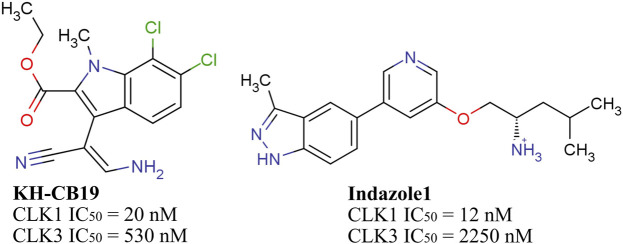 Figure 1
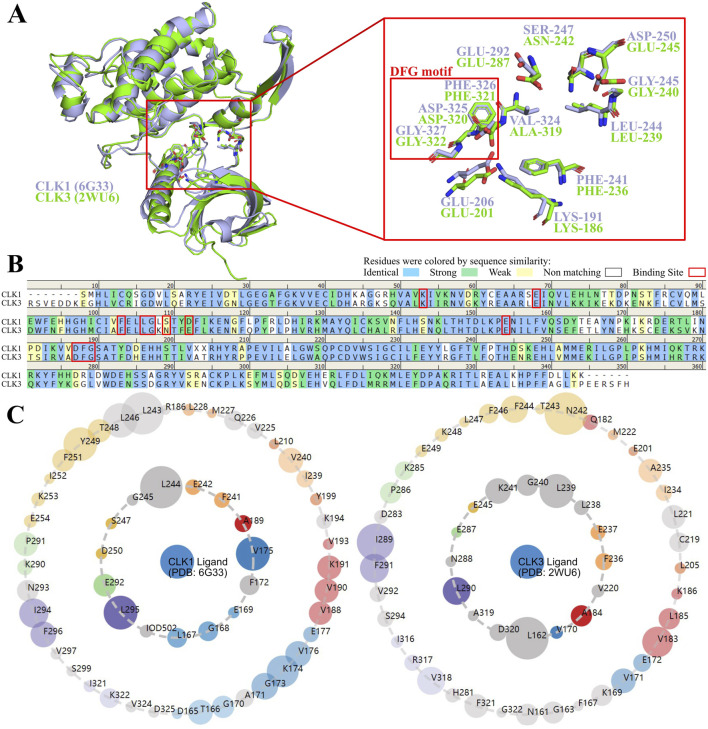 Figure 2
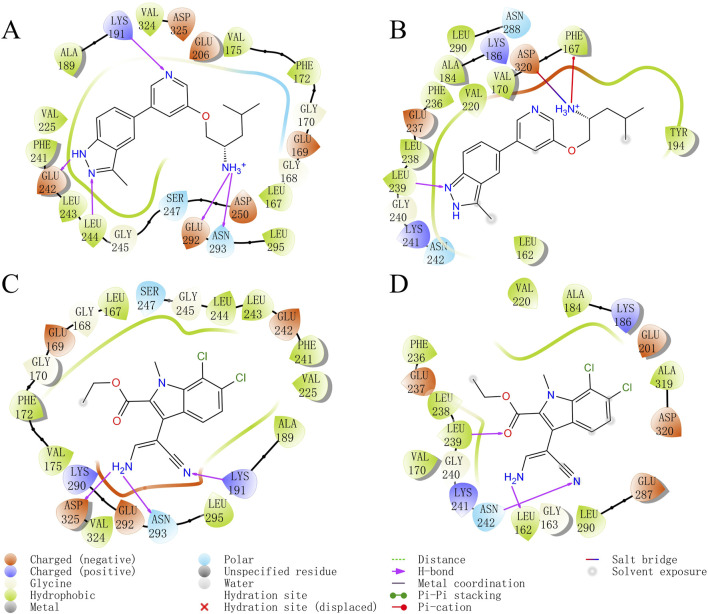 Figure 3
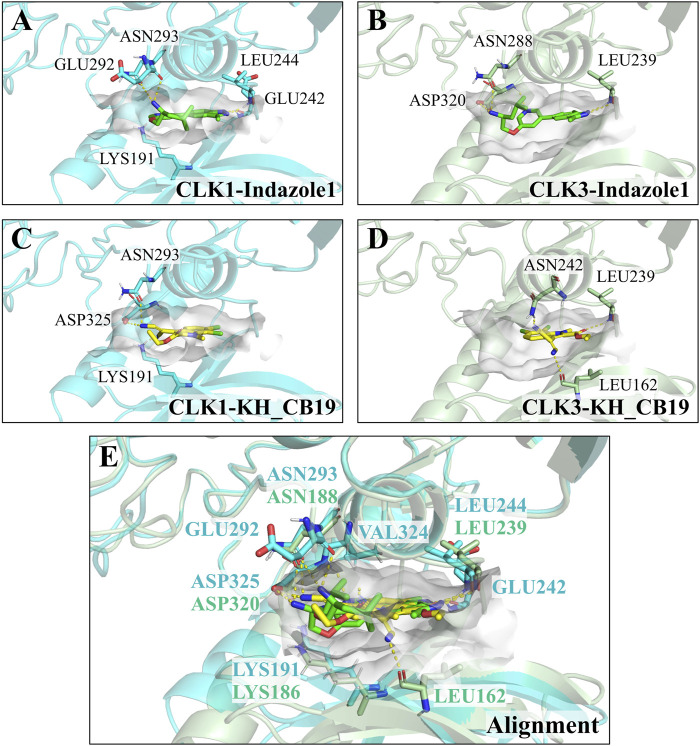 Figure 4
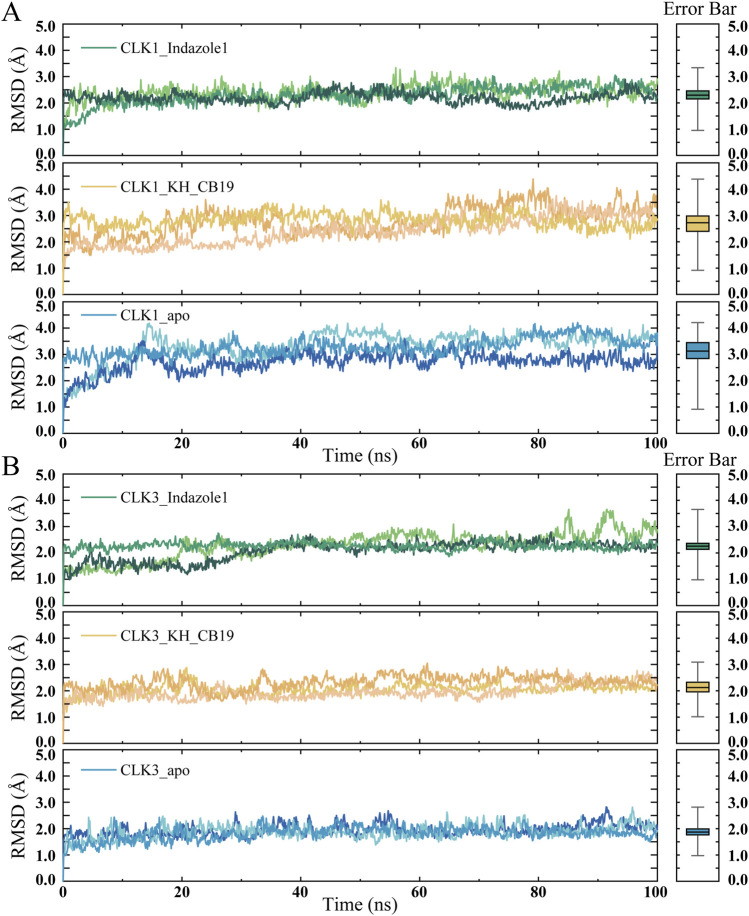 Figure 5
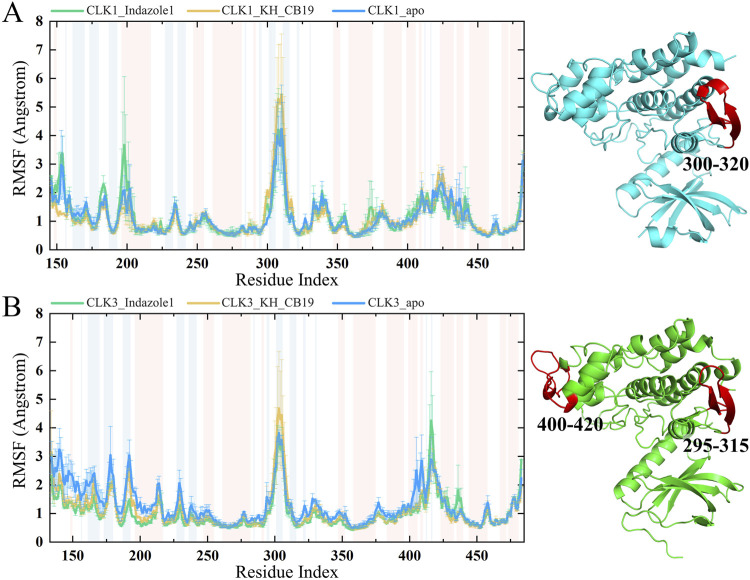 Figure 6
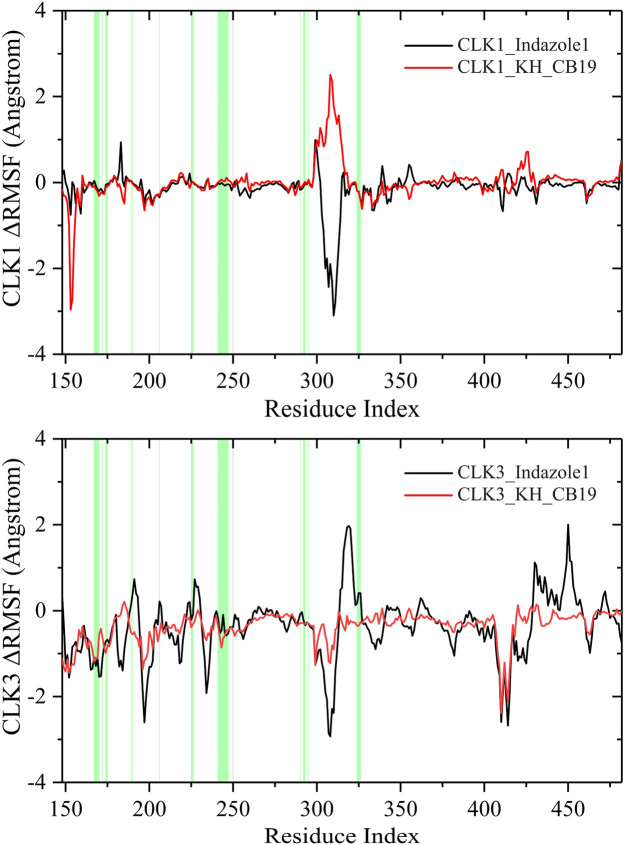 Figure 7
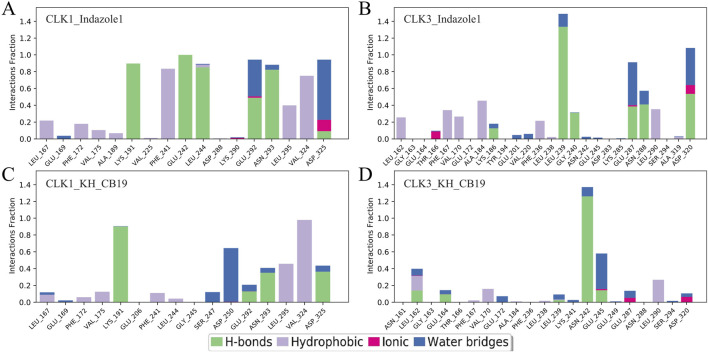 Figure 8
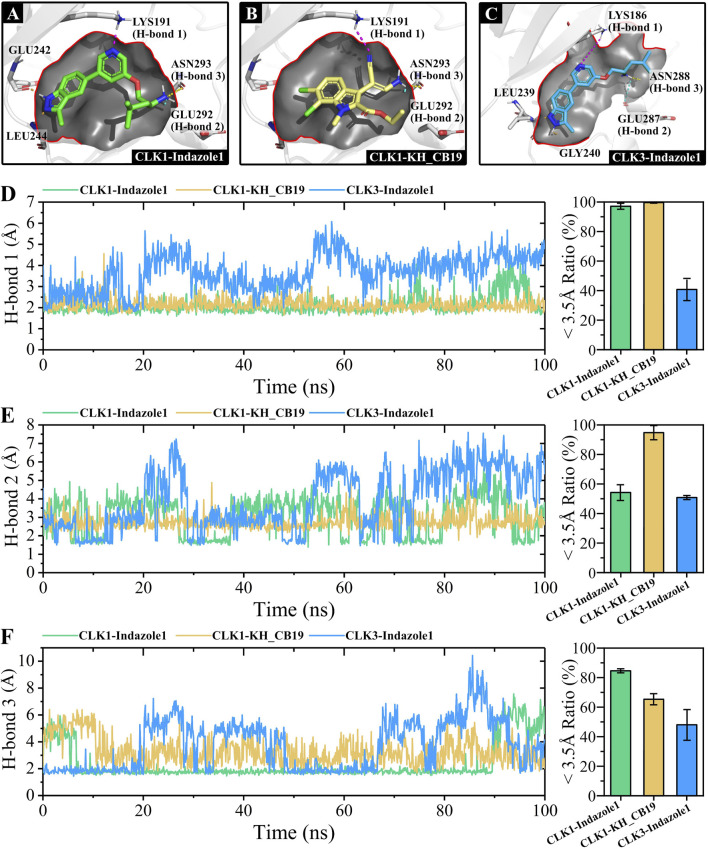 Figure 9
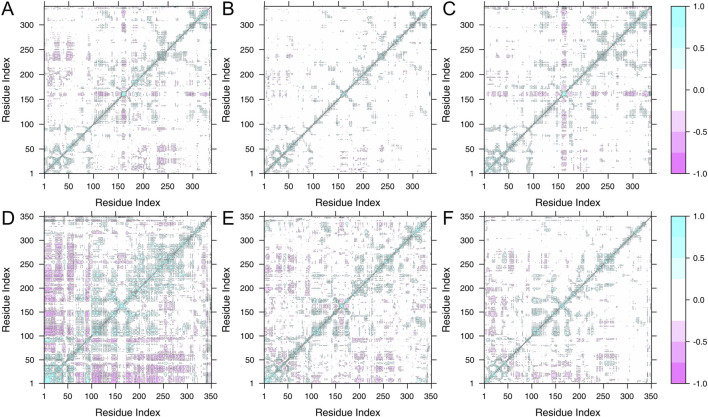 Figure 10
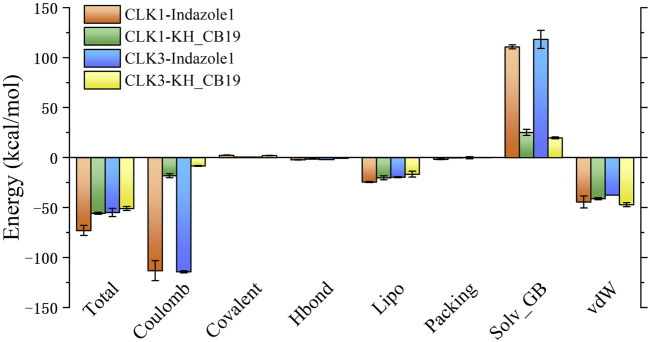 Figure 11
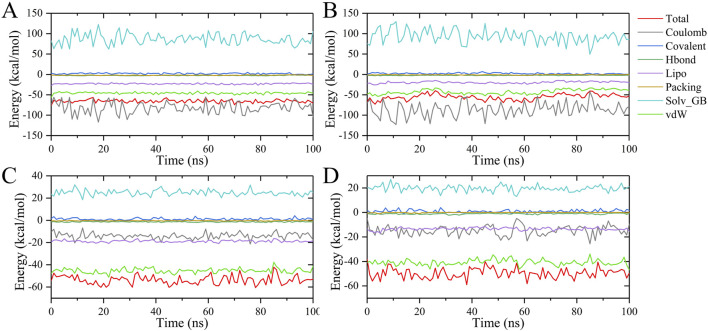 Figure 12
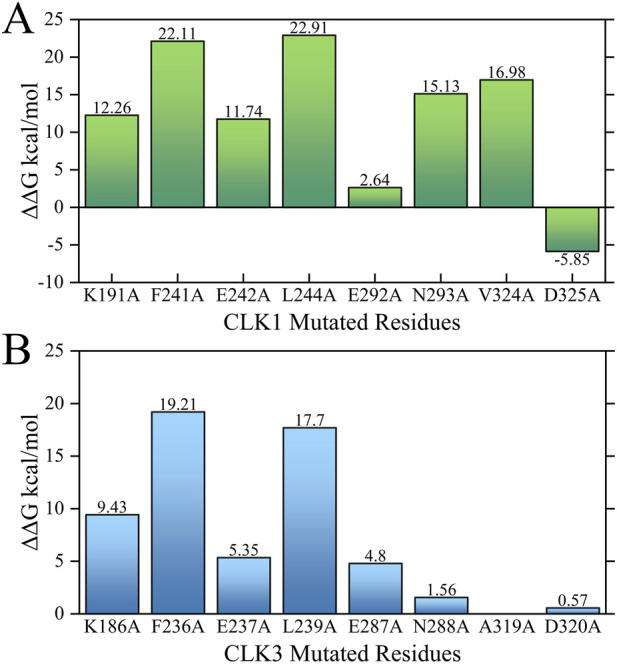 Figure 13
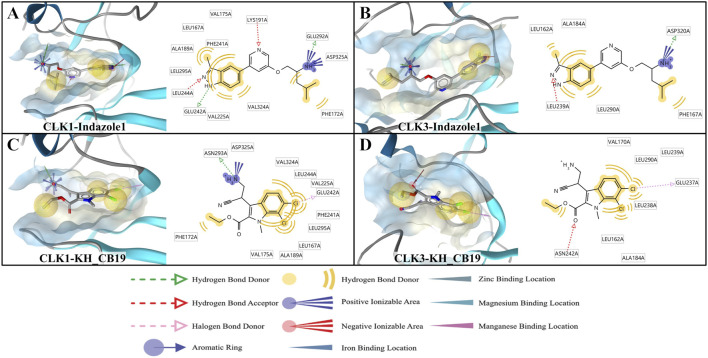 Figure 14
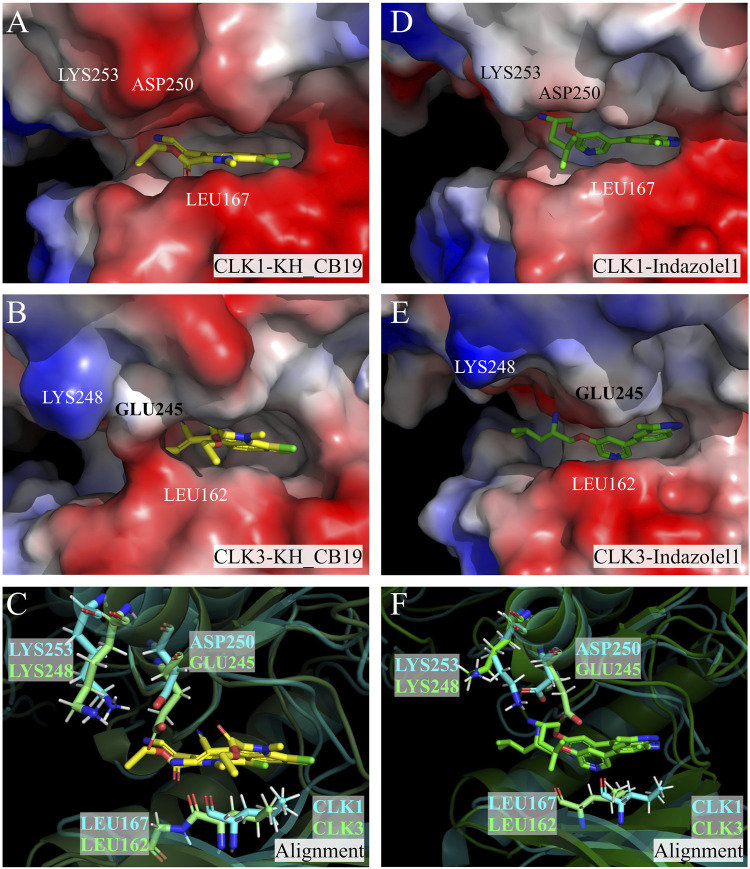 Figure 15
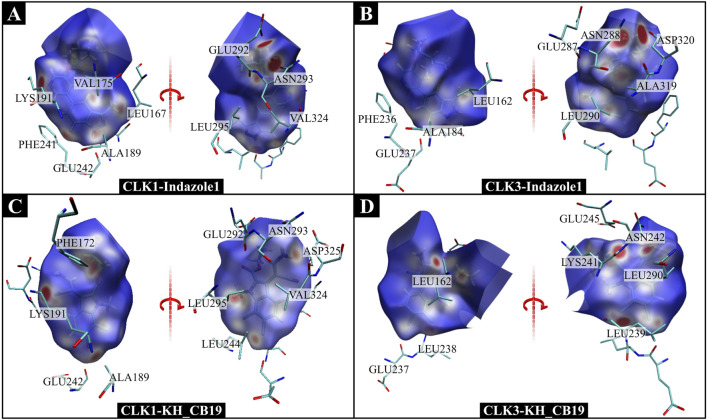 Figure 16
Peer Reviews
No public reviews on file for this paper yet. If you reviewed it on a platform where reviews are public (OpenReview, ICLR, NeurIPS, ICML), you can paste yours below so the community can read it here.
Videos
No videos yet. Explain this paper in a talk, walkthrough, or lecture? Add one.
Taxonomy
TopicsComputational Drug Discovery Methods · Protein Kinase Regulation and GTPase Signaling · Protein Structure and Dynamics