Identifying potential three key targets gene for septic shock in children using bioinformatics and machine learning methods
Wei Guo, Hao Chen, Feng Wang, Yingjiao Chi, Wei Zhang, Shan Wang, Kezhu Chen, Hong Chen

TL;DR
This study identifies three key genes linked to septic shock deaths in children using bioinformatics and machine learning, offering insights for better treatment.
Contribution
The study introduces a novel approach combining bioinformatics and machine learning to identify three core genes associated with fatal sepsis in children.
Findings
83 differentially expressed genes were identified, with 78 up-regulated and 5 down-regulated.
Three core genes (CD163, MCEMP1, and RETN) were found to be associated with sepsis mortality in children.
These genes are linked to pathways like complement and coagulation cascades and toll-like receptor signaling.
Abstract
Septic shock in children is an infectious disease caused by low immunity, and its mortality is very high. Early prediction of the risk of death in children with septic shock is helpful for clinicians to judge the severity of the disease, take active treatment measures, and improve the adverse outcomes of patients. However, the mechanism of death from sepsis in children remains unclear. This study aims to use bioinformatics and machine learning algorithms to identify key genes and pathways associated with fatal sepsis in children, and provide theoretical basis for rational drug use in follow-up TCM treatment. Gene expression profiles were obtained from the GEO database (GSE4607) for 15 blank patients and 14 children with sepsis death. Differentially expressed genes (DEGs) were enriched by GO and KEGG pathways. Construct and visualize protein-protein interaction (PPI) networks to…
Genes, proteins, chemicals, diseases, species, mutations and cell lines named across the full text — each resolved to its canonical identifier and authoritative record.
Click any figure to enlarge with its caption.
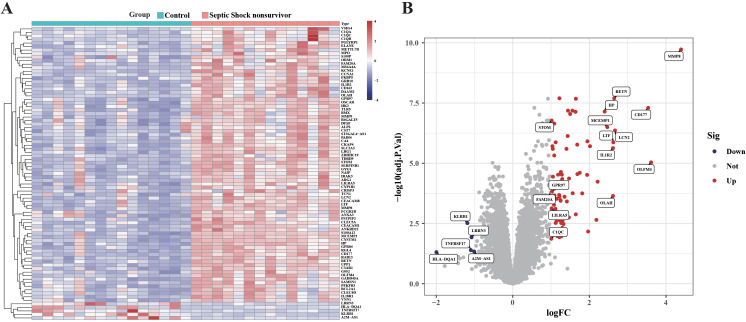 Figure 1
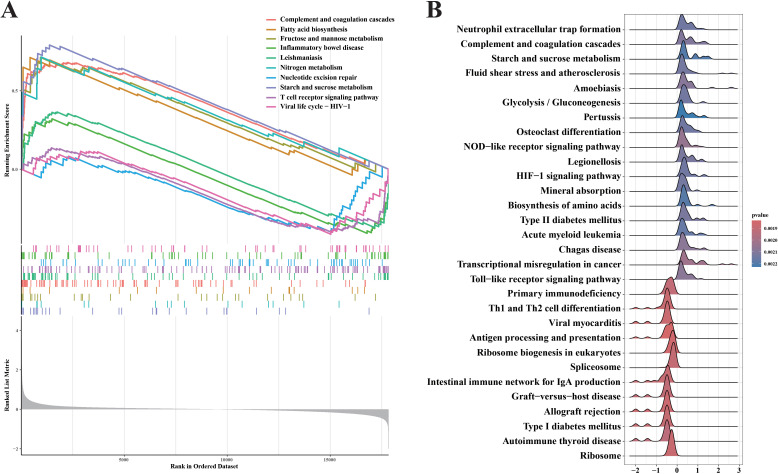 Figure 2
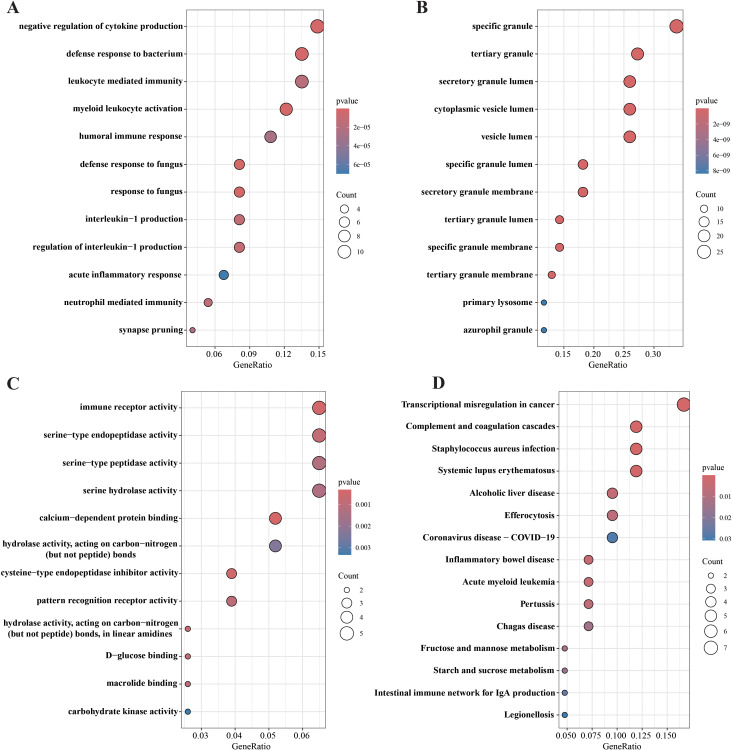 Figure 3
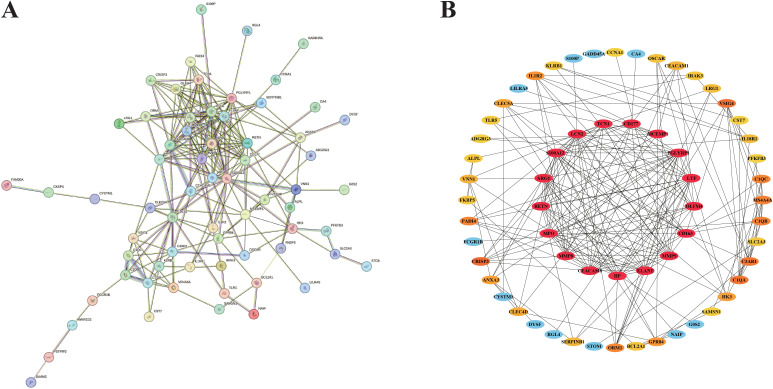 Figure 4
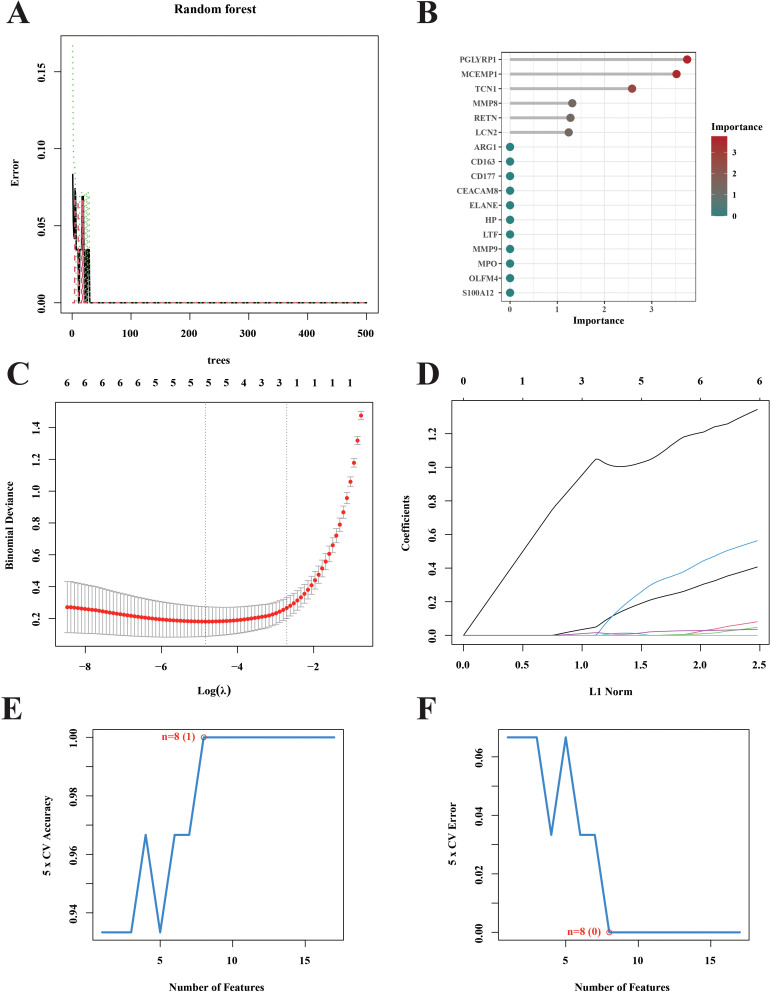 Figure 5
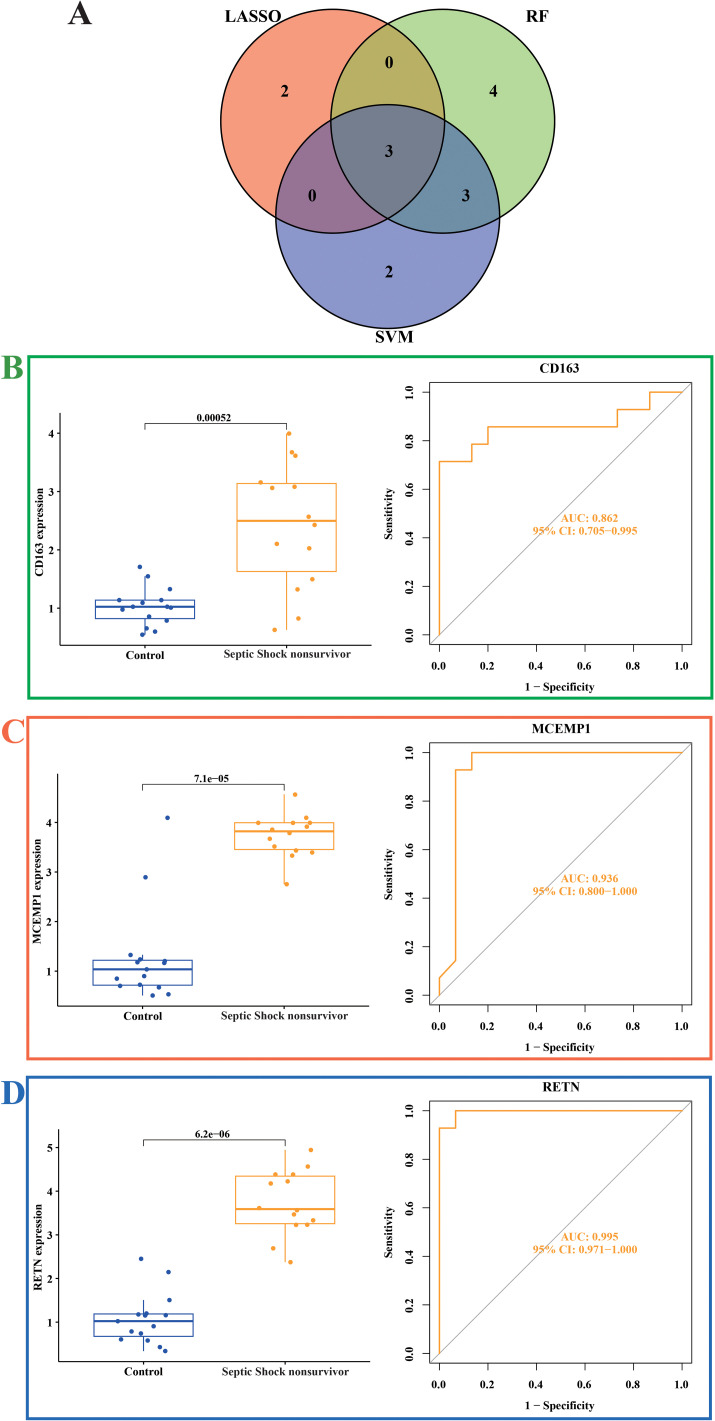 Figure 6
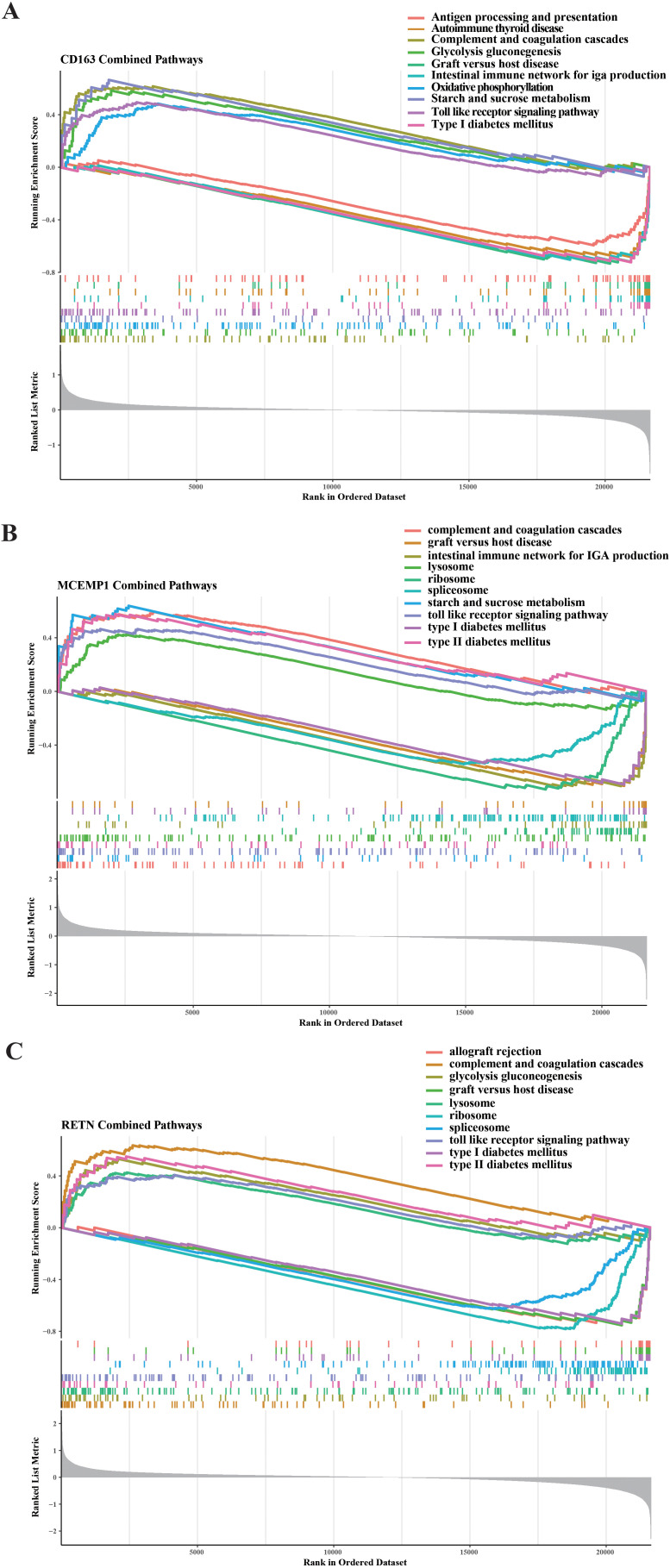 Figure 7
Peer Reviews
No public reviews on file for this paper yet. If you reviewed it on a platform where reviews are public (OpenReview, ICLR, NeurIPS, ICML), you can paste yours below so the community can read it here.
Videos
No videos yet. Explain this paper in a talk, walkthrough, or lecture? Add one.
Taxonomy
TopicsSepsis Diagnosis and Treatment · Clusterin in disease pathology · Metabolomics and Mass Spectrometry Studies