Effects of West Nile virus on behavioral and cognitive performance, cortical Aβ pathology, viral loads, and immune measures of middle-aged NL-G-F/E3 and NL-G-F/E4 mice
Abigail O’Niel, Christopher J. Parkins, Alexandra Pederson, Elizabeth Saltonstall, Emily Bunnell, Ria Aggarwal, Phoebe Sandholm, Kat Kessler, Henry F. Harrison, Jessica L. Smith, Alec J. Hirsch, Jacob Raber

TL;DR
This study shows that West Nile virus affects mice differently based on their genetic makeup, especially impacting cognitive function and viral load in those with a specific Alzheimer's risk gene.
Contribution
The study reveals a novel apoE isoform-dependent effect of West Nile virus on cognitive injury and viral persistence in a mouse model of Alzheimer's disease.
Findings
KUNV exposure impacts physiological and cognitive measures in NL-G-F mice depending on their apoE isoform.
NL-G-F/E4 mice showed greater susceptibility to cognitive injury and prolonged viral load in the cortex.
ApoE isoforms modulate immune and amyloid pathology following WNV exposure in the NL-G-F AD mouse model.
Abstract
West Nile Virus (WNV) can cause severe and long-lasting neurological disease and results in some neuropathology and neuroinflammation seen in Alzheimer’s disease (AD). Exposure to WNV might impact AD-relevant behavioral and cognitive performance and neuropathology via AD-susceptibility genes (i.e., E4) and by inducing neuroinflammation (i.e., increases in TCR-α, IFN-γ, TNF-α, and CXCL- 10). There are three human apolipoprotein E (E) isoforms, which play a role in cholesterol metabolism: E2, E3, and E4. Compared to E3, E4 is an AD risk factor. We crossed knock-in (KI) mice expressing human amyloid precursor protein (APP) containing the dominant NL-G-F mutations with human apoE targeted replacement (TR) mice and used middle-aged NL-G-F/E3 and NL-G-F/E4 mice to assess the role of prior WNV (subtype Kunjin virus) (KUNV) exposure on hAPP/Aβ-induced behavioral alterations, cognitive injury,…
Genes, proteins, chemicals, diseases, species, mutations and cell lines named across the full text — each resolved to its canonical identifier and authoritative record.
Click any figure to enlarge with its caption.
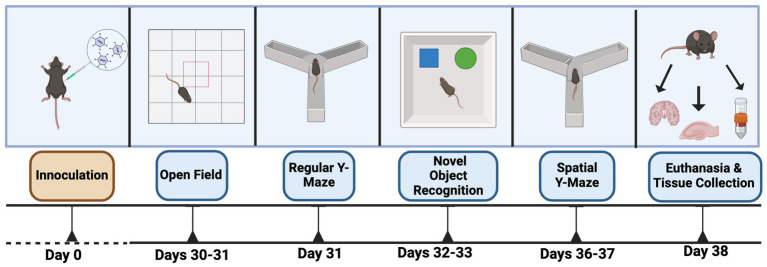 Figure 1
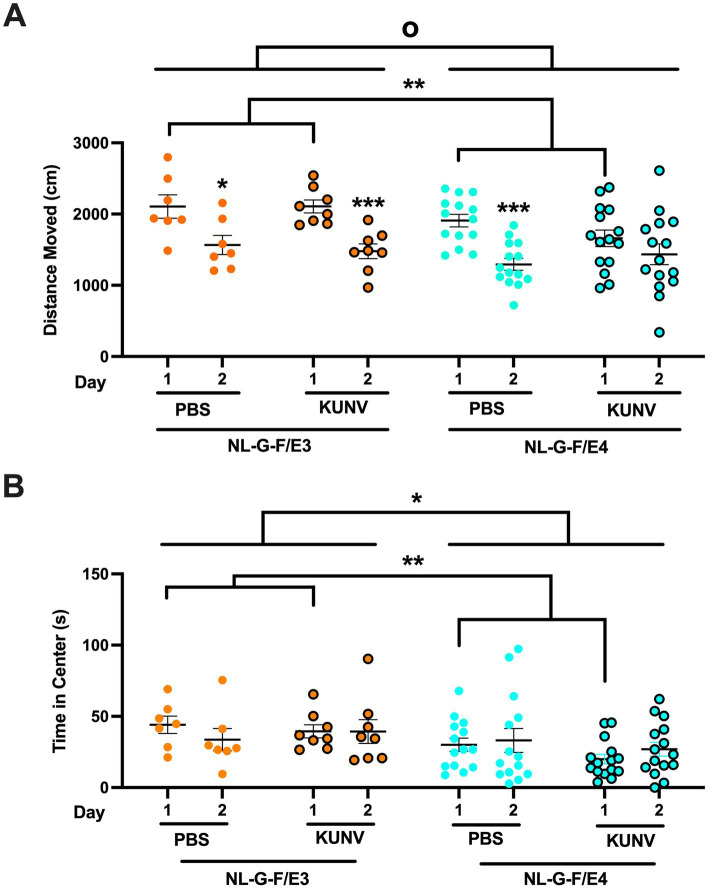 Figure 2
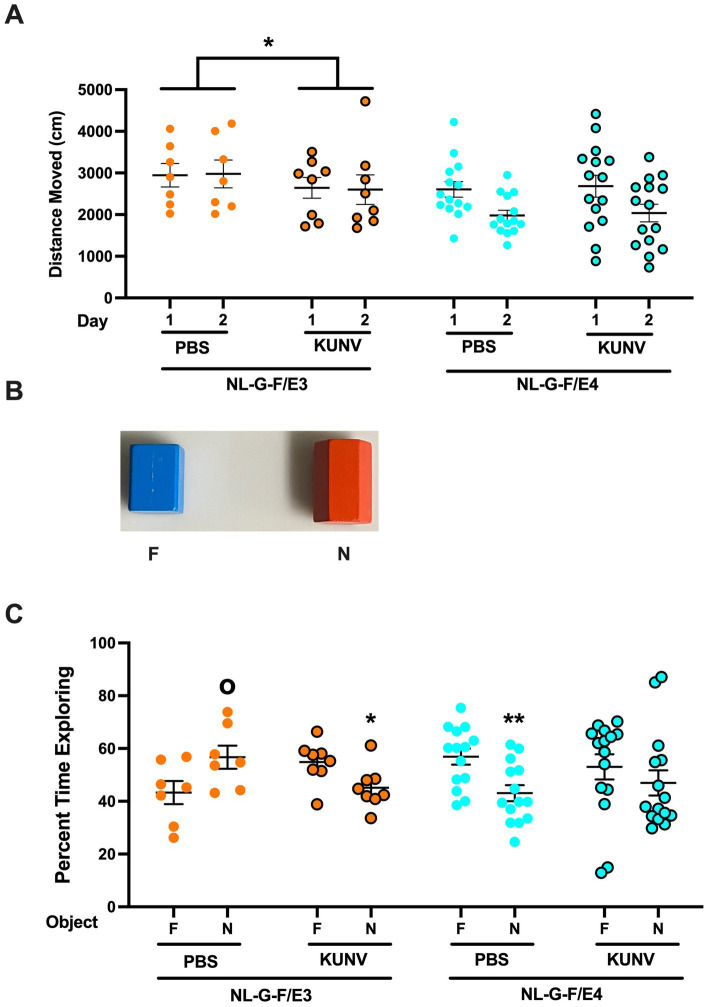 Figure 3
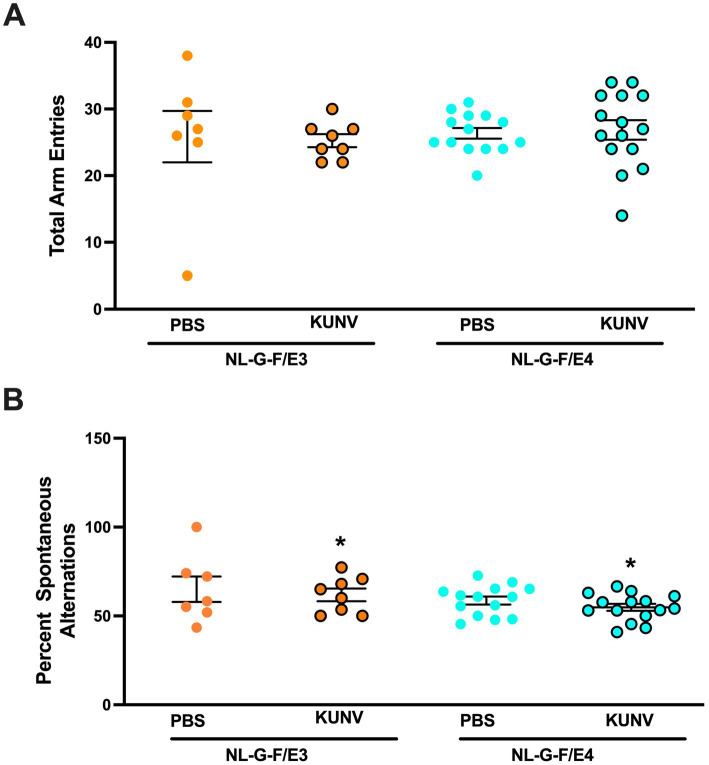 Figure 4
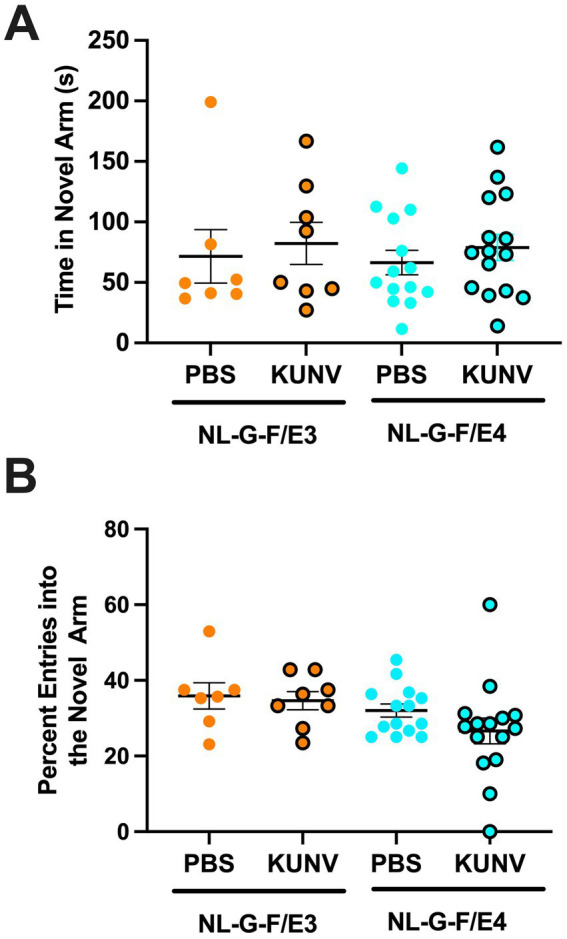 Figure 5
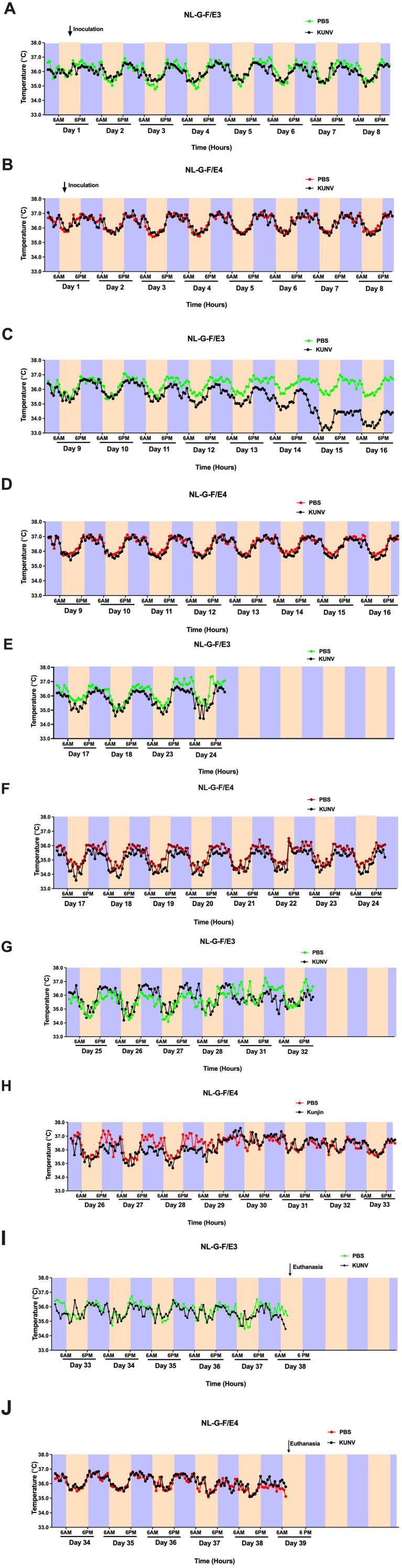 Figure 6
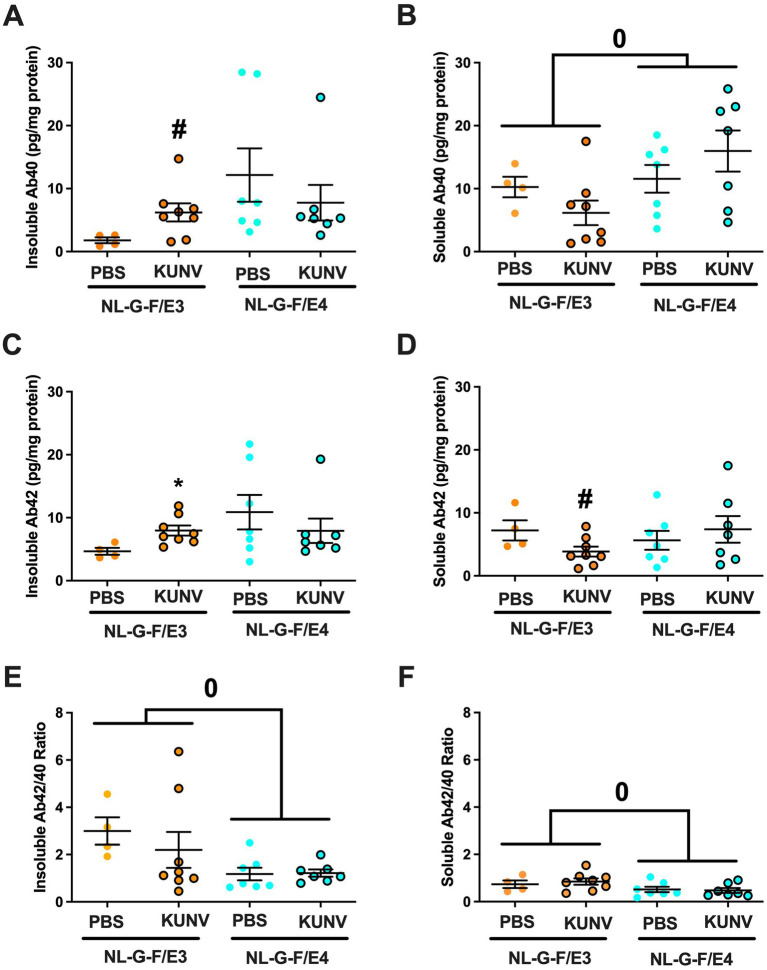 Figure 7
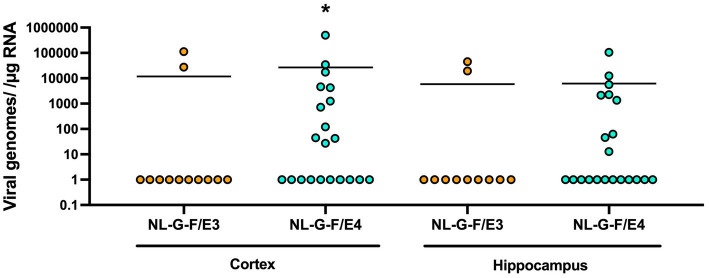 Figure 8
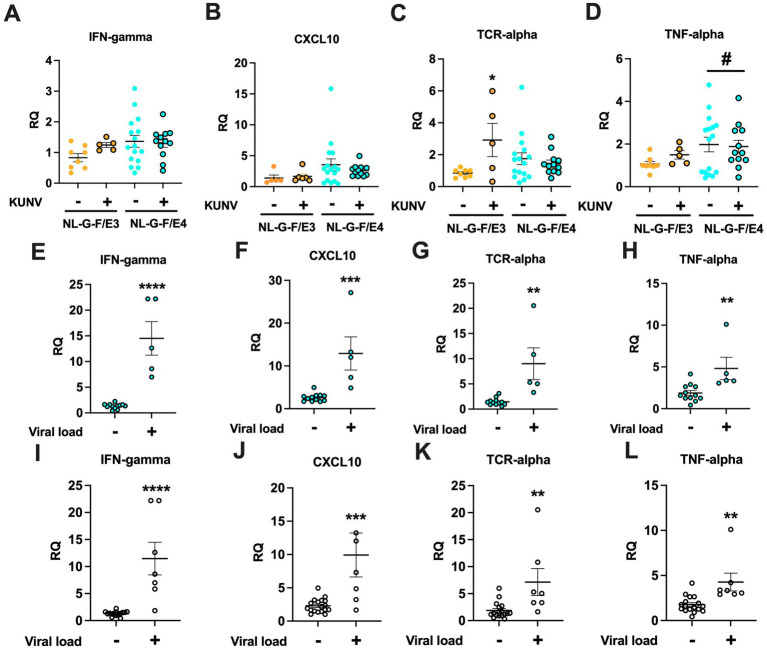 Figure 9
Peer Reviews
No public reviews on file for this paper yet. If you reviewed it on a platform where reviews are public (OpenReview, ICLR, NeurIPS, ICML), you can paste yours below so the community can read it here.
Videos
No videos yet. Explain this paper in a talk, walkthrough, or lecture? Add one.
Taxonomy
TopicsMosquito-borne diseases and control · Neuroinflammation and Neurodegeneration Mechanisms · Poverty, Education, and Child Welfare