Transcriptional profiling of Chlamydia trachomatis and its host in an ex vivo endocervical primary cell culture system using dual RNA sequencing
Olusola Olagoke, Siddharth Chittaranjan, Deborah Dean

TL;DR
This study uses dual RNA sequencing to analyze how Chlamydia trachomatis interacts with human endocervical cells over time, revealing distinct immune responses and bacterial gene activity.
Contribution
The study provides new insights into host-pathogen interactions using ex vivo primary cells, contrasting with previous findings in immortalized cell lines.
Findings
At 1-hour post-infection, host gene expression was largely quiescent with 168 differentially expressed genes, 40% being non-coding or novel.
At 24 hours post-infection, host cells showed strong interferon-stimulated gene activation and pro-inflammatory responses despite no detectable type I interferons.
Ct gene expression revealed distinct temporal patterns, with inclusion-membrane genes peaking early and hemolysin-like genes upregulated later.
Abstract
Chlamydia trachomatis (Ct) is an obligate intracellular bacterium that causes significant ocular and urogenital morbidity worldwide. Understanding host-pathogen interactions is challenging but dual RNA sequencing offers simultaneous transcriptome data for comprehensive interrogations into these interactions. While transcriptional profiling of both Ct and host-derived immortalized cells has been performed, this study used dual RNA sequencing to examine host-pathogen interactions in ex vivo human primary endocervical stromal cells infected with Ct strain E/Bour. At 1-hour post-infection (1hpi), 168 differentially expressed host genes (DEGs) were identified, 40% of which were non-coding RNAs, novel proteins, or pseudogenes. Pathway analysis revealed no significant enrichment at this stage, indicating a quiescent host response. At 24hpi, 212 DEGs were identified, with strong upregulation of…
Genes, proteins, chemicals, diseases, species, mutations and cell lines named across the full text — each resolved to its canonical identifier and authoritative record.
Click any figure to enlarge with its caption.
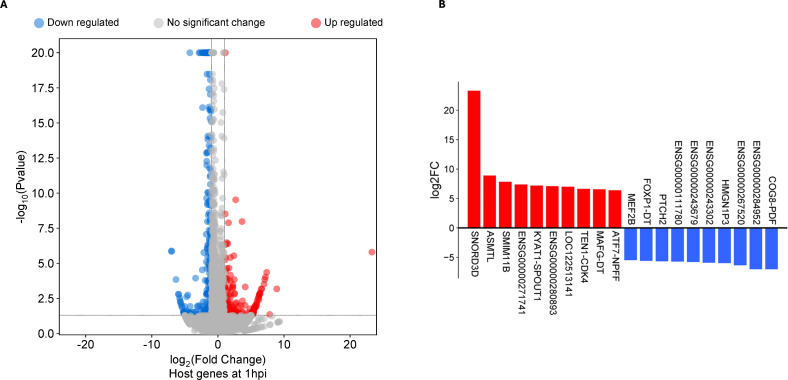 Figure 1
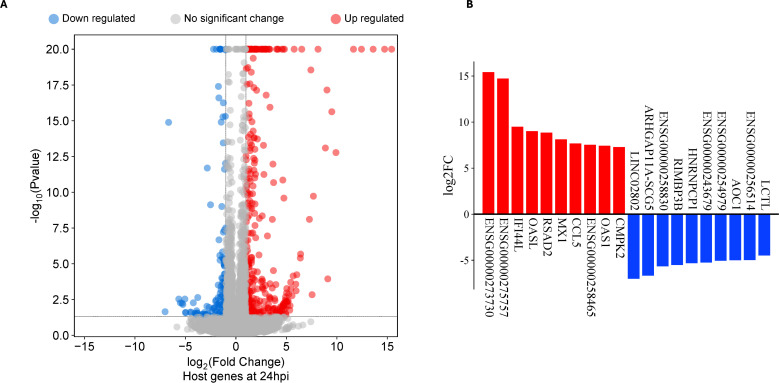 Figure 2
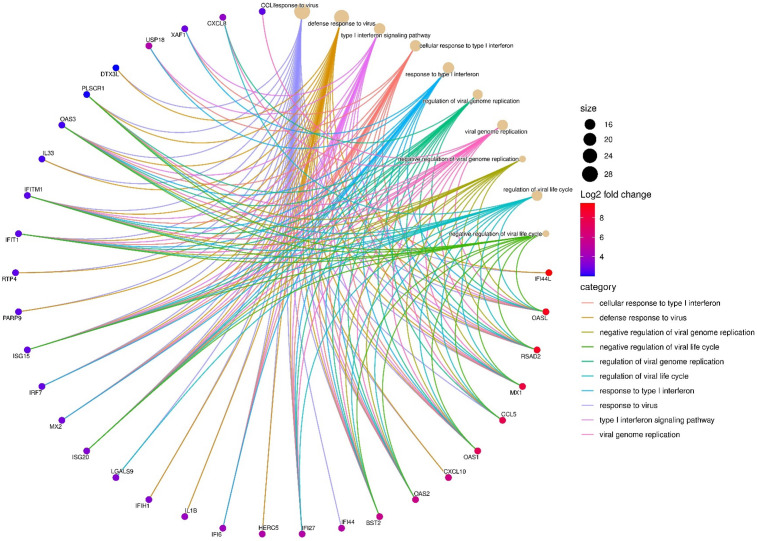 Figure 3
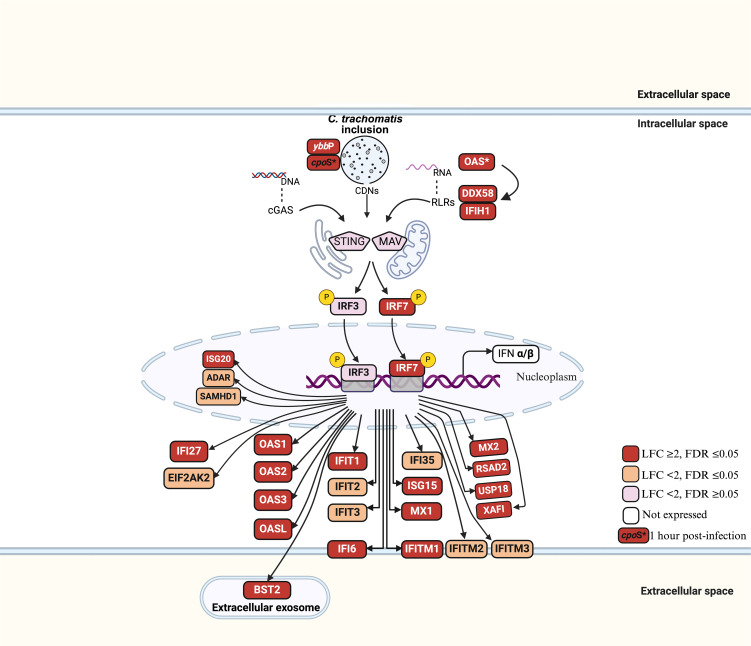 Figure 4
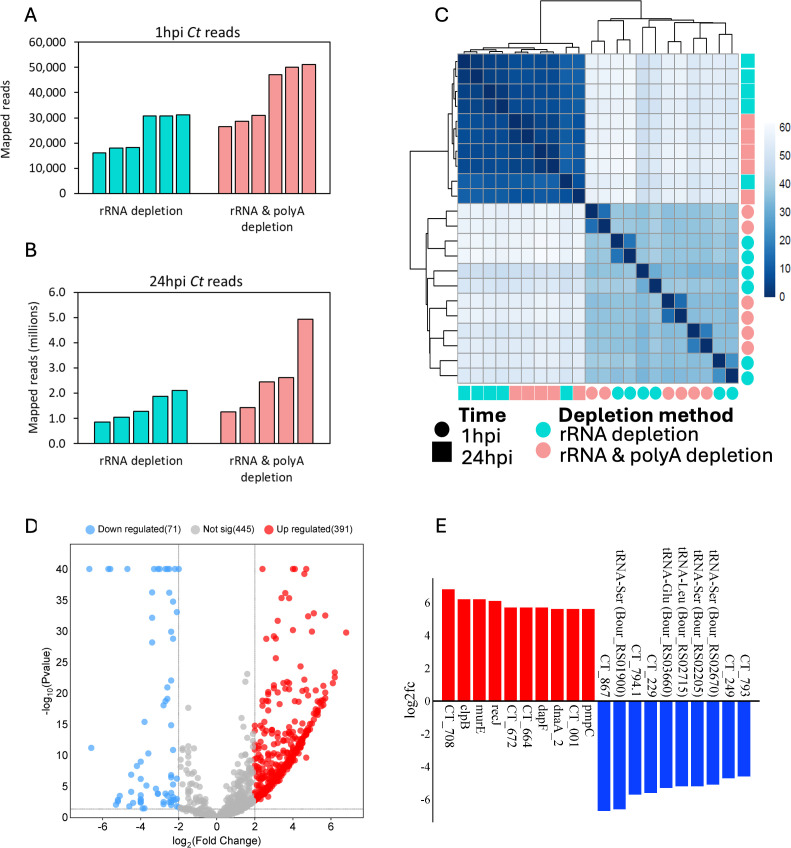 Figure 5
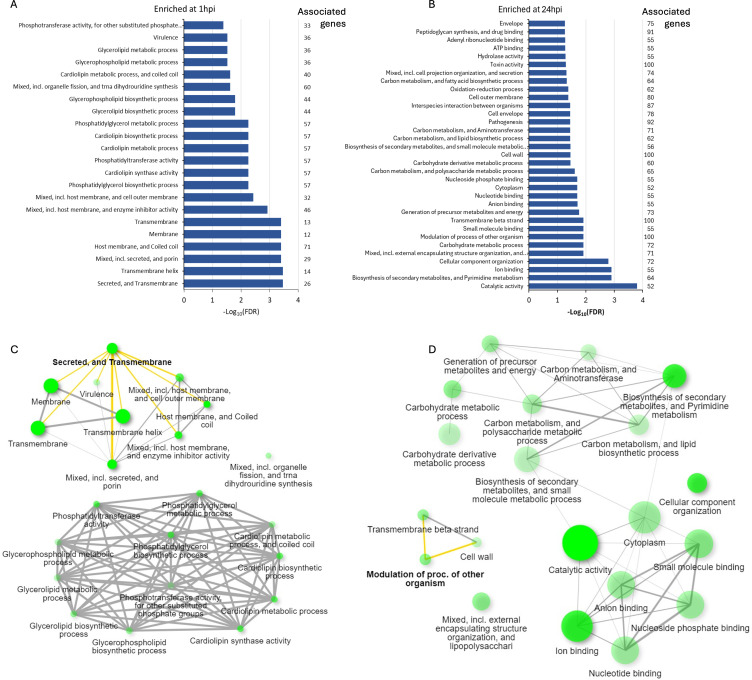 Figure 6
Peer Reviews
No public reviews on file for this paper yet. If you reviewed it on a platform where reviews are public (OpenReview, ICLR, NeurIPS, ICML), you can paste yours below so the community can read it here.
Videos
No videos yet. Explain this paper in a talk, walkthrough, or lecture? Add one.
Taxonomy
TopicsReproductive tract infections research · Reproductive Physiology in Livestock · Cervical Cancer and HPV Research