Disruption of Lrpprc affects B cell development and proliferation in a mouse model of Leigh Syndrome French Canadian type
Adrien Fois, Sonia Deschênes, Capucine Bourel, Claudine Beauchamp, Félix Lombard-Vadnais, Matthieu Ruiz, Guy Charron, Lise Coderre, Christine Des Rosiers, Christine Des Rosiers, Azadeh Alikashani, Bruce G. Allen, Chantale Aubut, Chantal Bémeur, Yan Burelle, François Labarthe

TL;DR
This study shows that disruption of the Lrpprc gene in mice leads to B cell dysfunction and metabolic issues, resembling Leigh Syndrome French Canadian.
Contribution
A viable mouse model reveals Lrpprc's essential role in B cell development and immune function in a metabolic disease context.
Findings
Systemic deletion of Lrpprc in mice causes weight loss, increased lactate, and mortality.
Lrpprc disruption strongly impairs B cell development and proliferation.
A knock-in mouse model carrying an LSFC variant is viable for studying immune dysfunction.
Abstract
Leigh Syndrome French Canadian (LSFC) is a rare autosomal recessive metabolic disorder characterized by severe lactic acidosis crises and early mortality. LSFC patients carry variants in the Leucine Rich Pentatricopeptide Repeat Containing (LRPPRC) nuclear gene, which lead to defects in the respiratory chain complexes and mitochondrial dysfunction. Mitochondrial respiration modulates cellular metabolic activity, which impacts many cell processes, including the differentiation and function of immune cells. The purpose of this study is to define the role of Lrpprc on immune cell function. As genetic deletion of Lrpprc is not viable, we generated two conditional mouse models: a model for systemic deletion of Lrpprc and a knock-in (KI) model carrying the most common LSFC pathogenic variant in Quebec, NM_133259.4(LRPPRC):c.1061C > T (p.Ala354Val). We demonstrate that Lrpprc is an essential…
Genes, proteins, chemicals, diseases, species, mutations and cell lines named across the full text — each resolved to its canonical identifier and authoritative record.
Click any figure to enlarge with its caption.
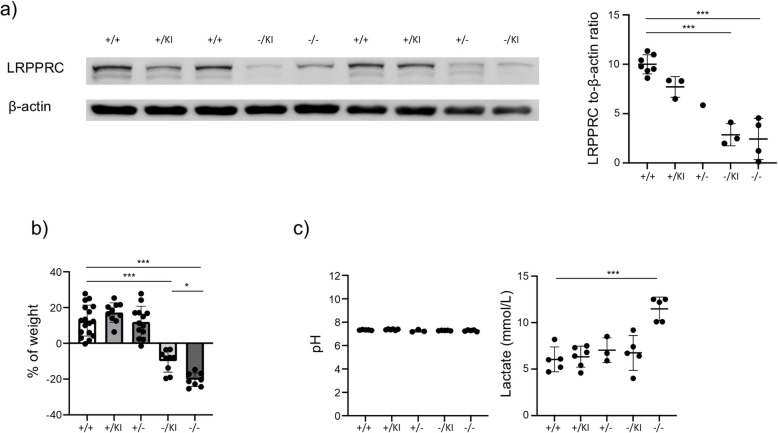 Figure 1
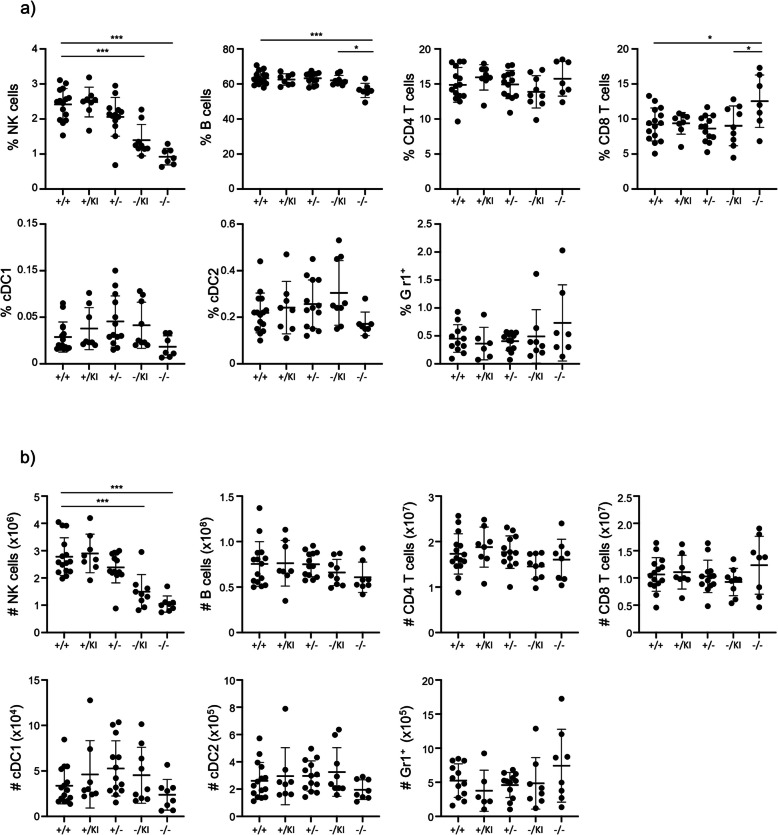 Figure 2
 Figure 3
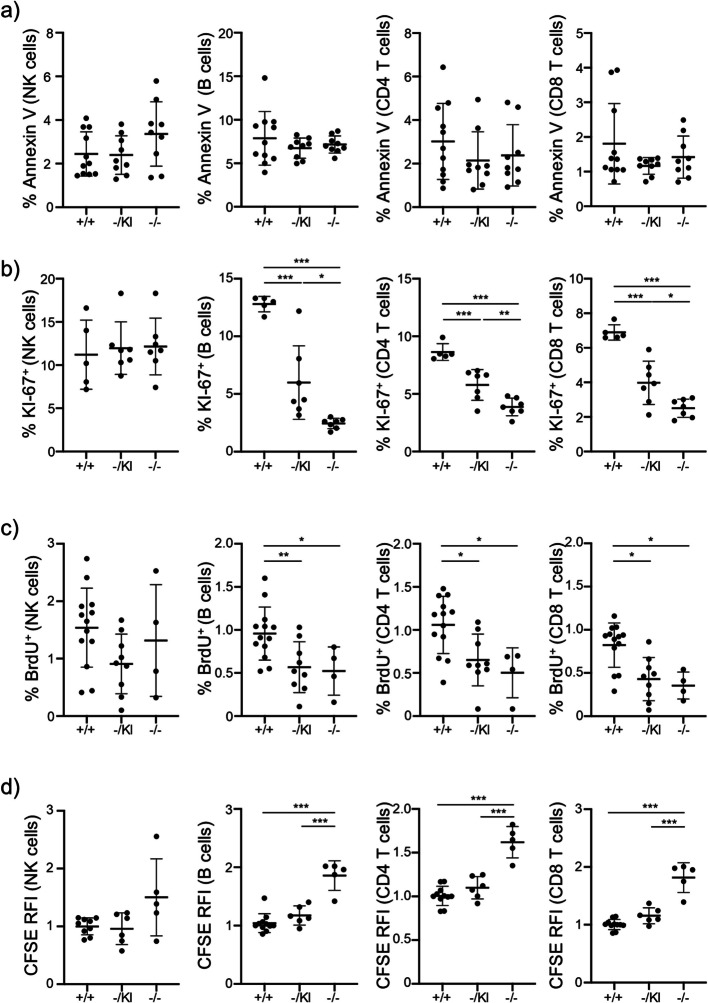 Figure 4
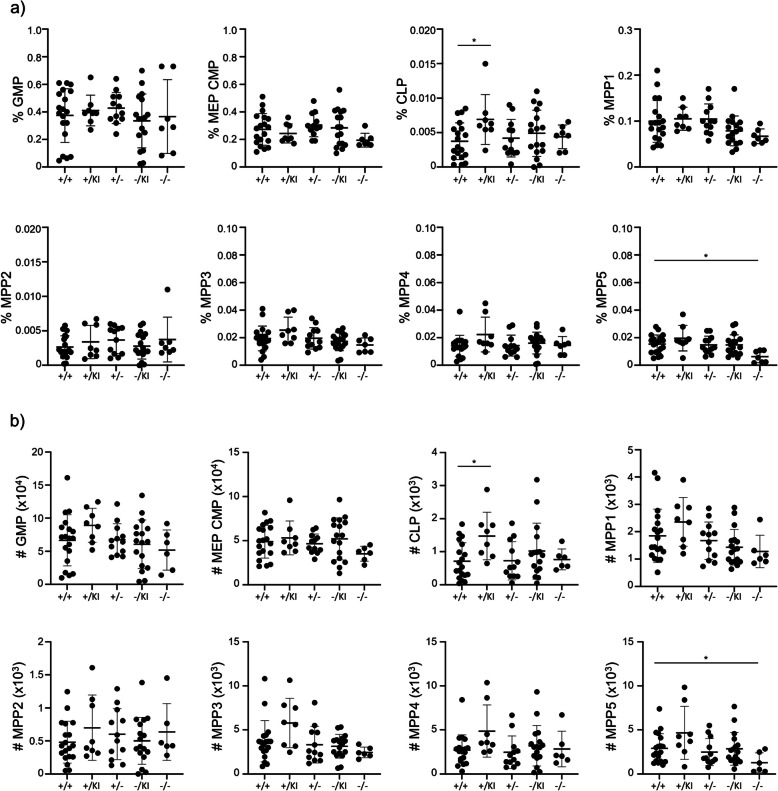 Figure 5
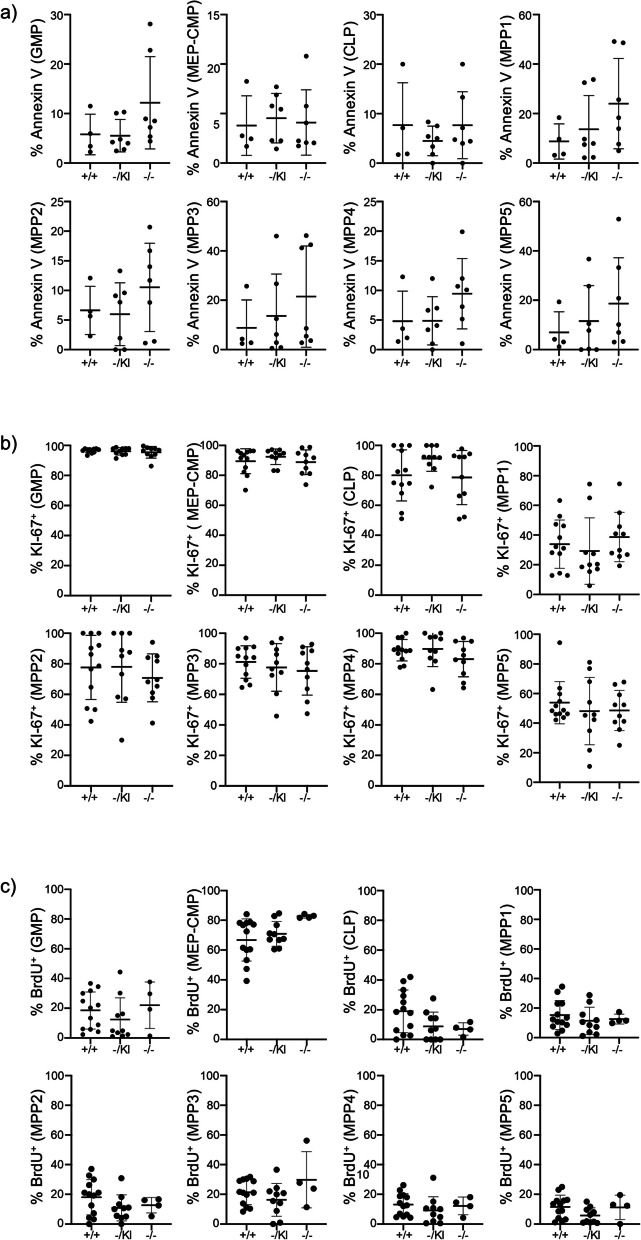 Figure 6
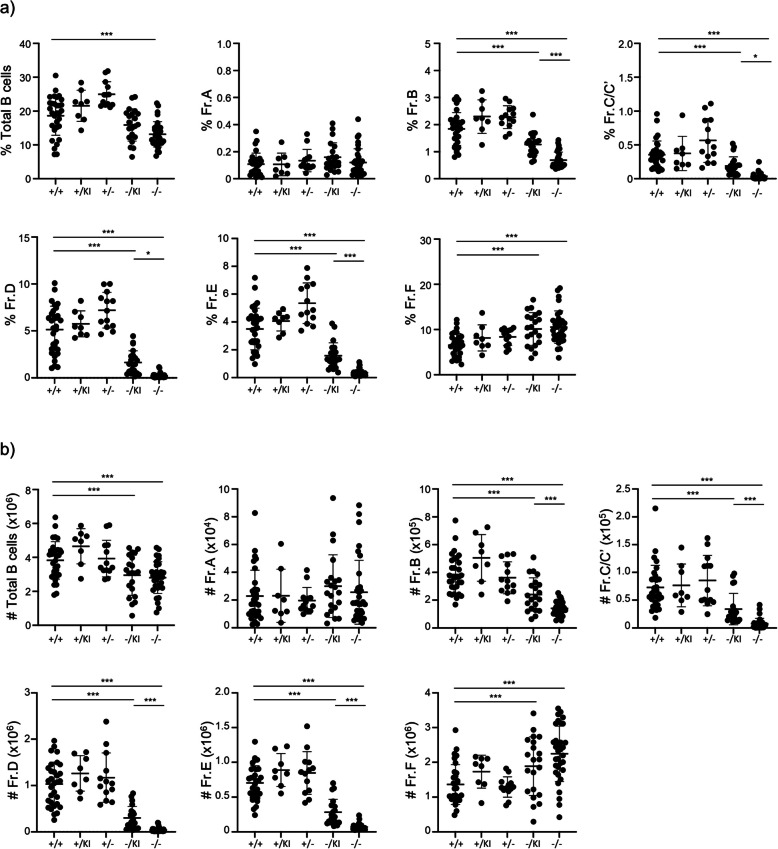 Figure 7
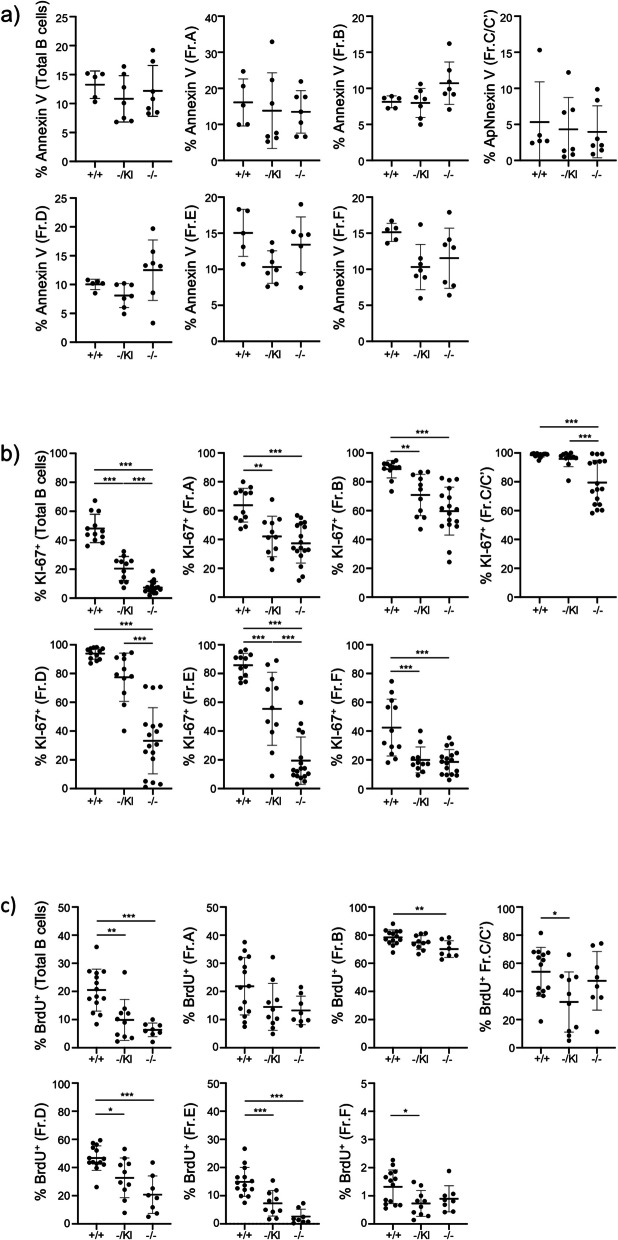 Figure 8
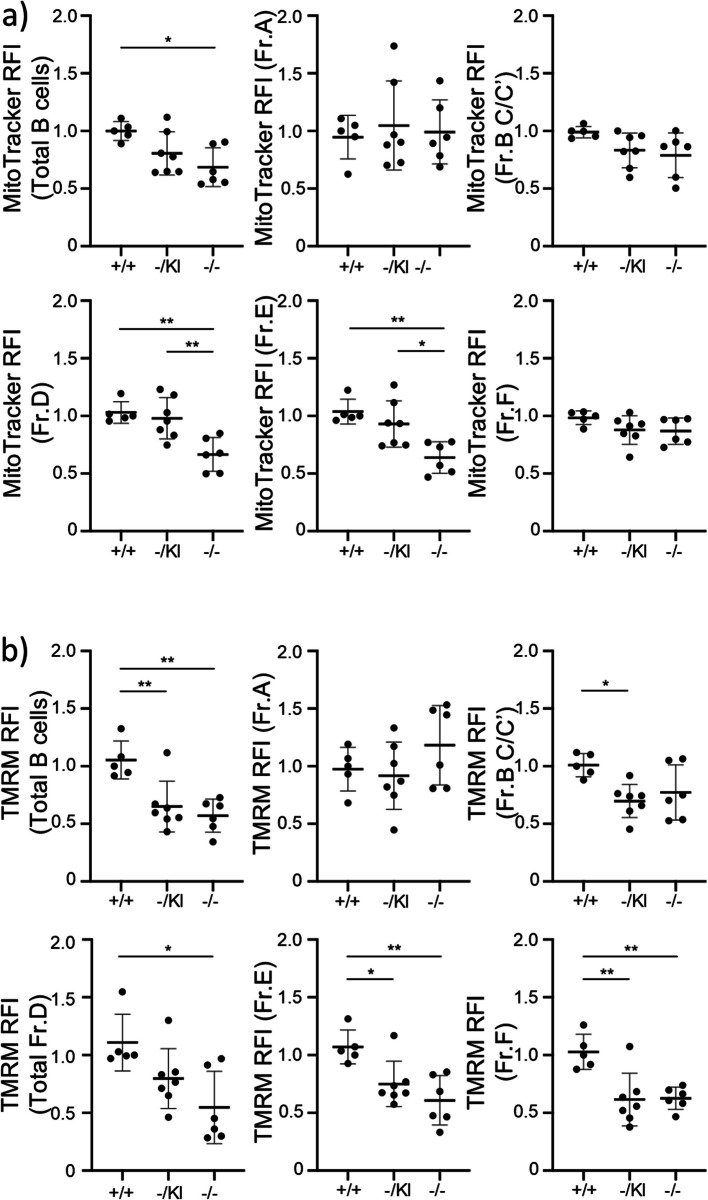 Figure 9
Peer Reviews
No public reviews on file for this paper yet. If you reviewed it on a platform where reviews are public (OpenReview, ICLR, NeurIPS, ICML), you can paste yours below so the community can read it here.
Videos
No videos yet. Explain this paper in a talk, walkthrough, or lecture? Add one.
Taxonomy
TopicsMitochondrial Function and Pathology · ATP Synthase and ATPases Research · Metabolism and Genetic Disorders