A method in non-destructive testing for lead shielding exceeding 25 kg/m2 using 18F
Jeremy Berrell, Deborah Carrick, Jason Tse, Elaine Ryan

TL;DR
This paper presents a new non-destructive testing method using a Fluorine-18 source to verify thick lead shielding in radiation protection.
Contribution
A reproducible field-ready NDT method for lead barriers exceeding 25 kg/m2 using 18F and validated through simulations and measurements.
Findings
The method models transmission through lead up to 302.7 kg/m2 using Monte Carlo simulations.
Empirical validation showed agreement with simulations up to 162.4 kg/m2 at 38.1 cm source-to-detector distance.
SDDs above 23 cm provide sufficient narrow beam conditions for field NDT.
Abstract
Non-Destructive Testing (NDT) is a commonly used technique for barrier verification within radiation protection, ensuring compliance with national standards and state regulations. There are currently limited published methods in NDT for lead shielding above 25 kg/m2, and thus this research aimed to develop a reproducible method to aid in ‘in the field’ NDT for lead barriers exceeding 25 kg/m2 using a Fluorine-18 (18F) source. Due to the fast decay of 18F, the data generated within this research was compiled from Monte Carlo (MC) simulations using the PENELOPE engine, and the PENGEOM geometry system to model the proposed empirical setup. The model predicted the Transmission Factor (TF) through area densities (thickness) of lead attenuators up to 302.7 kg/m2, with results validated by empirical measurements using a Source-to-Detector Distance (SDD) of 38.1 ± 0.05 cm and 52.7 ± 0.05 cm.…
Genes, proteins, chemicals, diseases, species, mutations and cell lines named across the full text — each resolved to its canonical identifier and authoritative record.
Click any figure to enlarge with its caption.
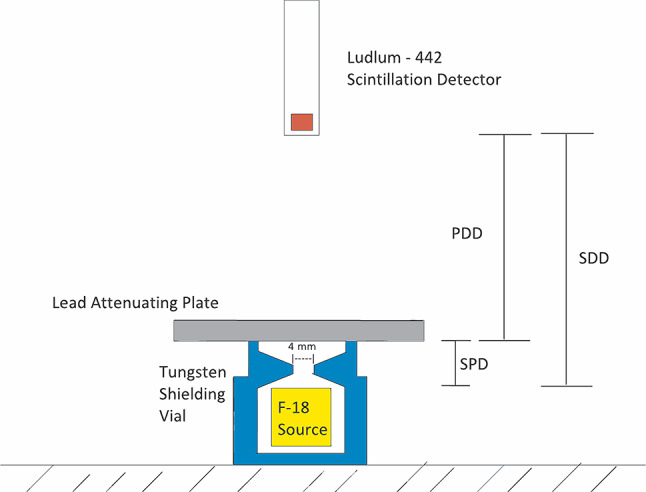 Figure 1
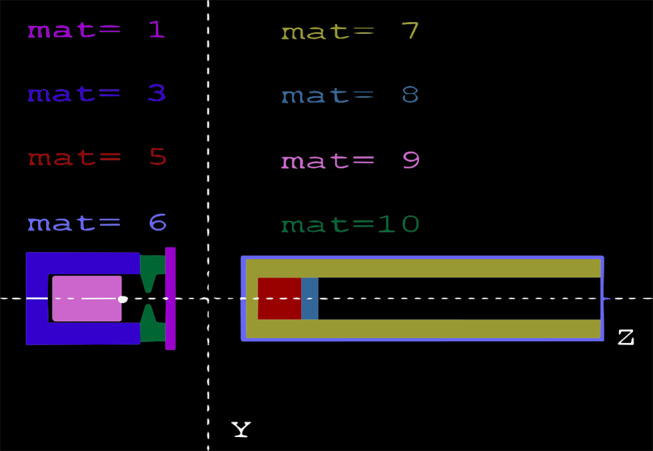 Figure 2
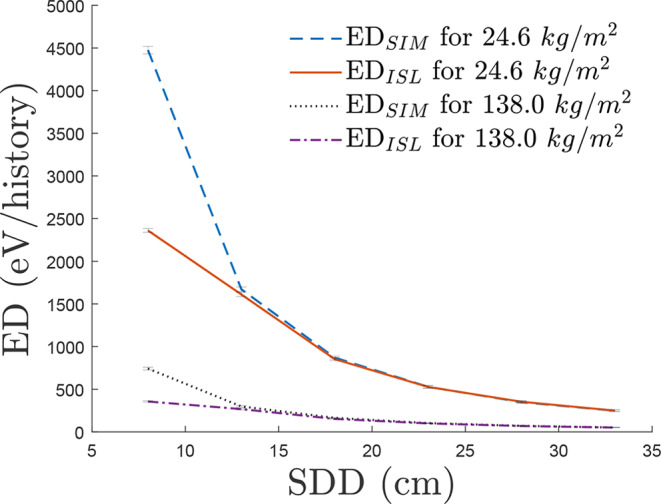 Figure 3
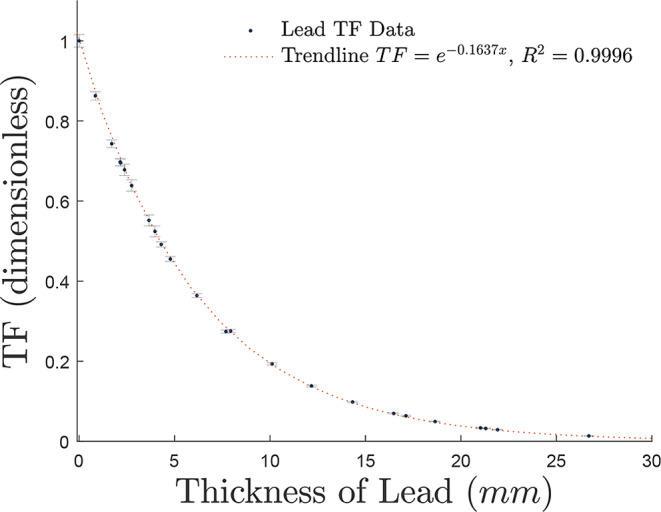 Figure 4
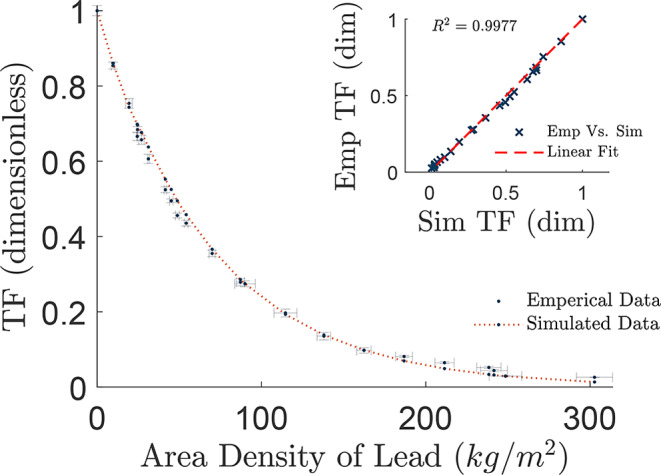 Figure 5
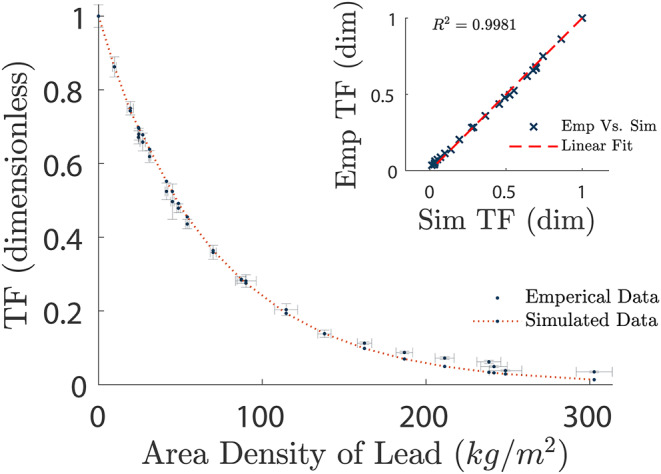 Figure 6
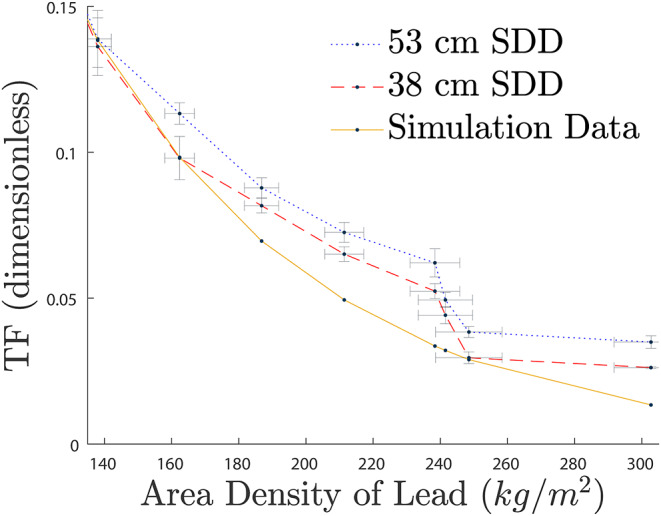 Figure 7
Peer Reviews
No public reviews on file for this paper yet. If you reviewed it on a platform where reviews are public (OpenReview, ICLR, NeurIPS, ICML), you can paste yours below so the community can read it here.
Videos
No videos yet. Explain this paper in a talk, walkthrough, or lecture? Add one.
Taxonomy
TopicsNuclear and radioactivity studies · Graphite, nuclear technology, radiation studies · Radioactivity and Radon Measurements