Lactobacillus acidophilus UCLM‐104 and Lacticaseibacillus paracasei UCLM‐41 Are Promising Candidates to Produce Synbiotic Yogurt
Sara Rodríguez‐Sánchez, Pilar Fernández‐Pacheco, Cristina de los Reyes‐Ramos, Emma Burgos‐Ramos, Susana Seseña, M. Llanos Palop

TL;DR
This study identifies two probiotic bacteria strains that can be used to make synbiotic yogurt with health benefits like reducing cholesterol and inflammation.
Contribution
This is the first study to comprehensively evaluate and apply probiotic strains in synbiotic yogurt production with health-promoting attributes.
Findings
Lactobacillus acidophilus UCLM-104 and Lacticaseibacillus paracasei UCLM-41 showed strong health-promoting properties.
The synbiotic yogurts made with these strains were well-received in sensory tests.
These strains exhibited anti-inflammatory effects in Caco-2 cells.
Abstract
Functional foods consumption, included the synbiotics, has garnered attention of the consumers because of their health's benefits, being lactic acid bacteria (LAB) the microorganisms most used for their manufacturing. Twelve potential probiotic LAB strains were evaluated for cholesterol removal, phenolic content, antioxidant properties, α‐glucosidase inhibitory activity (anti‐diabetic effect), and in vitro angiotensin‐I‐converting enzyme‐ (ACE) inhibitory activity (anti‐hypertensive effect), together with the assimilatory capacity of different prebiotics such as inulin, lactulose, β‐glucans, and fructooligosaccharides, to be used in the production of a synbiotic yogur. Their anti‐inflammatory potential in Caco‐2 cells was also assayed. Lactobacillus (Lact.) acidophilus UCLM‐104 and Lacticaseibacillus (Lc.) paracasei UCLM‐41, exhibited interesting health promoting properties and an…
Genes, proteins, chemicals, diseases, species, mutations and cell lines named across the full text — each resolved to its canonical identifier and authoritative record.
Click any figure to enlarge with its caption.
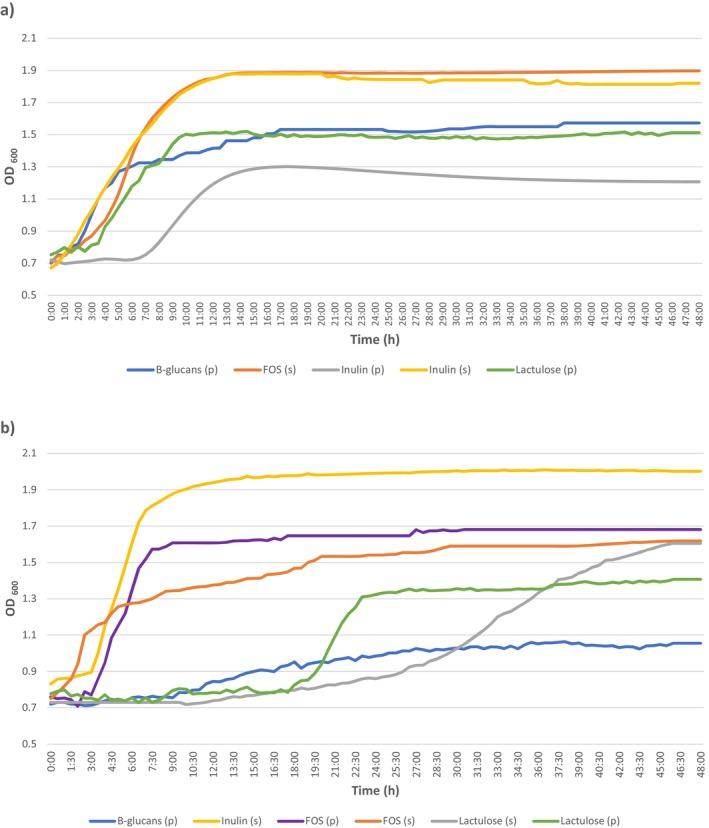 Figure 1
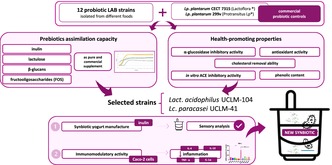 Figure 2
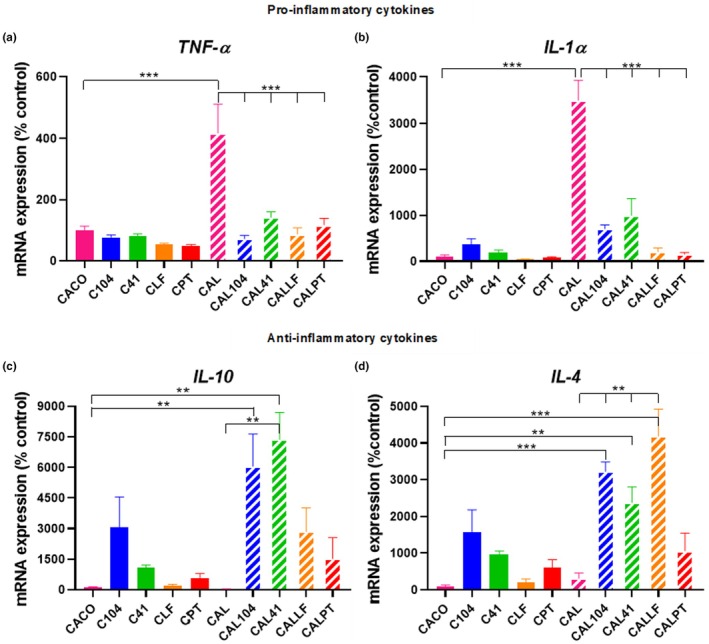 Figure 3
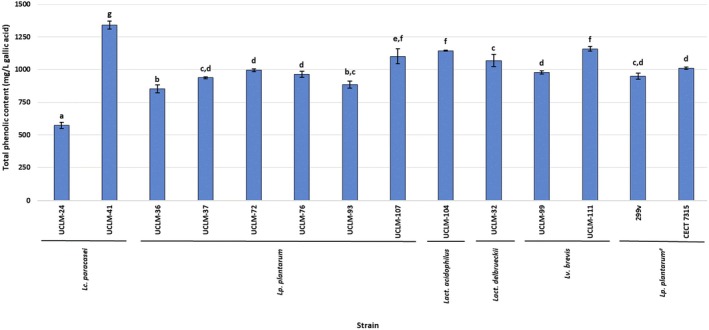 Figure 4
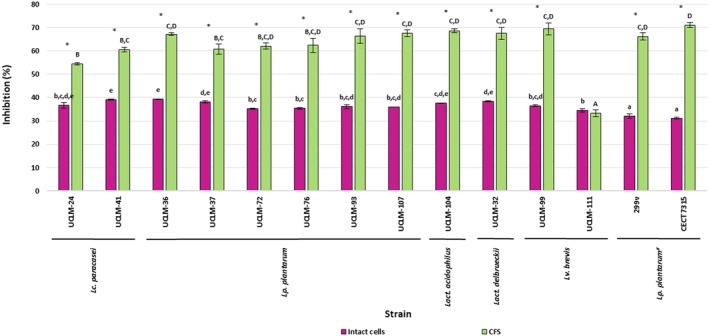 Figure 5
Peer Reviews
No public reviews on file for this paper yet. If you reviewed it on a platform where reviews are public (OpenReview, ICLR, NeurIPS, ICML), you can paste yours below so the community can read it here.
Videos
No videos yet. Explain this paper in a talk, walkthrough, or lecture? Add one.
Taxonomy
TopicsProbiotics and Fermented Foods · Protein Hydrolysis and Bioactive Peptides · Microbial Metabolites in Food Biotechnology