Phleum pratense pollen-derived di-galactosyldiacylglycerols promote pro-allergic responses in mice
Nestor González Roldán, Lars P. Lunding, Yukari Fujimoto, Sylvia Düpow, Dominik Schwudke, Michael Wegmann, Katarzyna A. Duda

TL;DR
This study shows that specific lipids from Timothy grass pollen can trigger allergic immune responses in mice, suggesting new treatment approaches for asthma.
Contribution
The study identifies di-galactosyldiacylglycerols (DGDG) in Timothy grass pollen as pro-allergic molecules with structure-dependent immune activity.
Findings
DGDG variants stimulate murine and human NKT cell proliferation and cytokine production.
Synthetic DGDG variants induce lung inflammation in mice marked by eosinophil infiltration.
DGDG structure determines its ability to promote allergic immune responses.
Abstract
Grass pollen triggers nearly 30% of bronchial allergic asthma cases. While most Q8 research focuses on pollen allergens, pollen lipids may also influence allergic reactions. Previous studies demonstrated that Timothy grass (TG, Phleum pratense) lipids, such as phytoprostanes, can activate immune cells, promoting pro-allergic responses. However, the role of water-insoluble pollen glycolipids in allergic airway inflammation remains unclear. Thus, this study aimed to isolate and characterize glycolipids from TG pollen and evaluate their bioactivity in allergic airway inflammation. Lipids were extracted from the water-insoluble pollen fraction, separated by silica gel, and fractionated by HPLC. GC-MS, HR ESI-MS, and NMR confirmed the presence of di-galactosyldiacylglycerol (DGDG). The biological activity of fractions containing DGDG (DGDG-3 and DGDG-4) and synthetic DGDG variants was…
Genes, proteins, chemicals, diseases, species, mutations and cell lines named across the full text — each resolved to its canonical identifier and authoritative record.
Click any figure to enlarge with its caption.
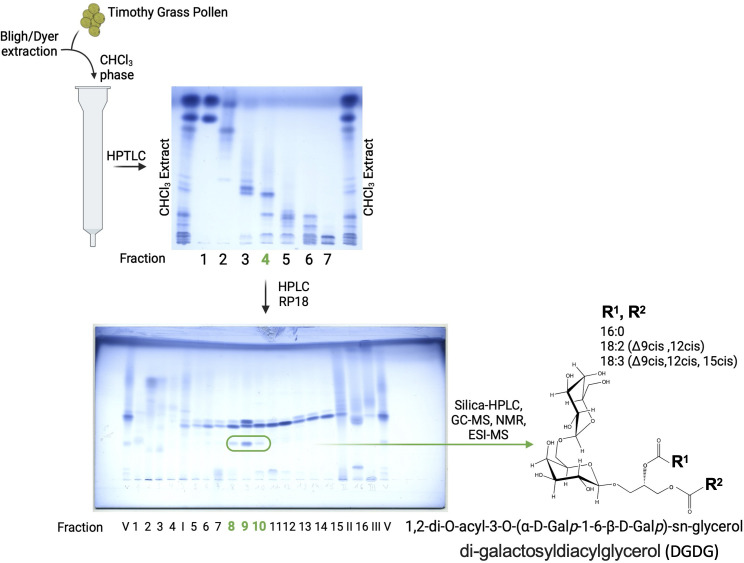 Figure 1
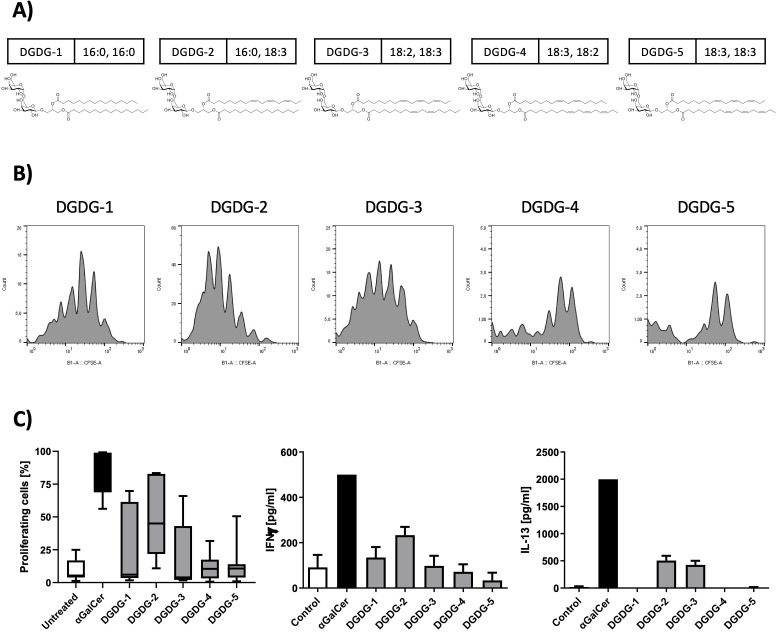 Figure 2
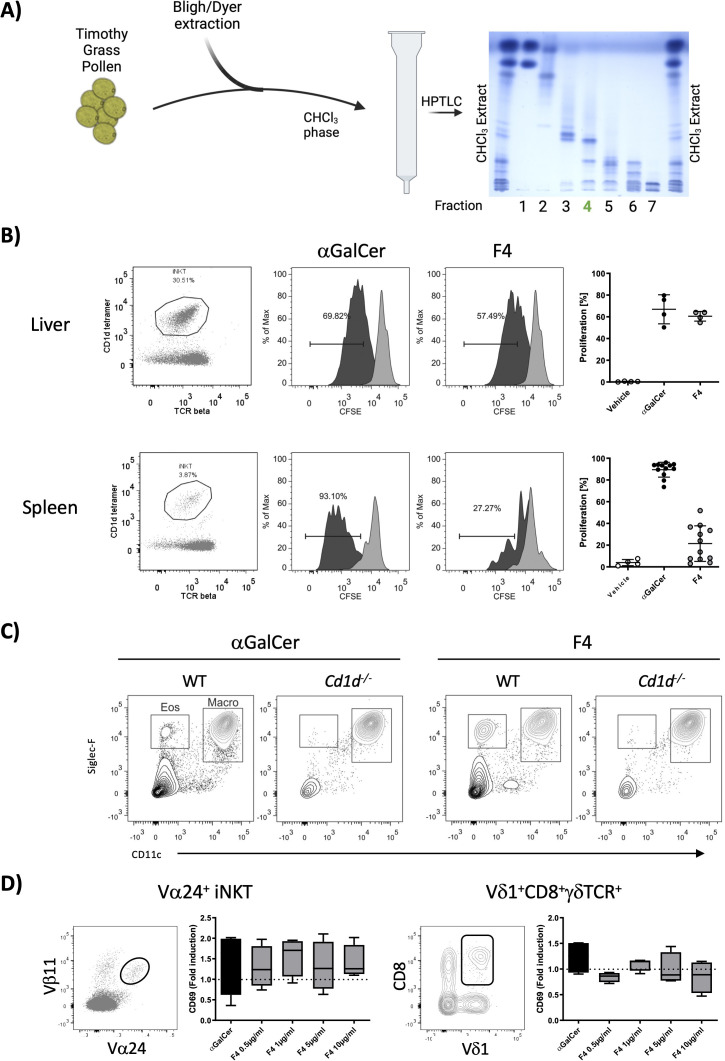 Figure 3
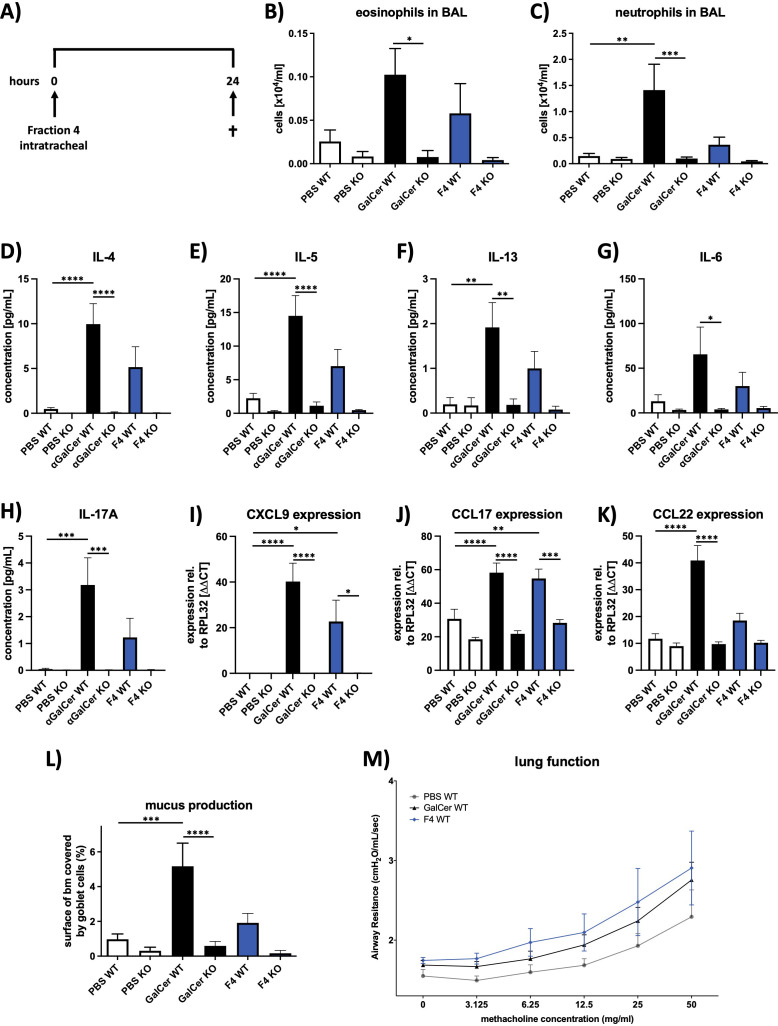 Figure 4
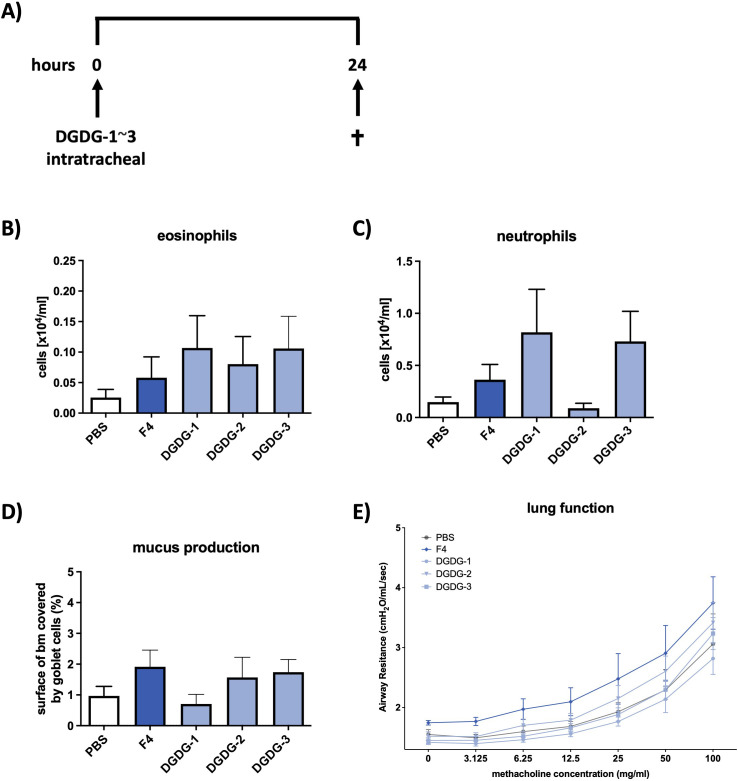 Figure 5
Peer Reviews
No public reviews on file for this paper yet. If you reviewed it on a platform where reviews are public (OpenReview, ICLR, NeurIPS, ICML), you can paste yours below so the community can read it here.
Videos
No videos yet. Explain this paper in a talk, walkthrough, or lecture? Add one.
Taxonomy
TopicsExercise and Physiological Responses · Antimicrobial Peptides and Activities · Protein Hydrolysis and Bioactive Peptides