Task-specific morphological and kinematic differences in Lipizzan horses
Manja Zupan Šemrov, Lucie Přibylová, Elena Gobbo

TL;DR
This study explores how the body shape and movement patterns of Lipizzan horses vary based on their work tasks, showing that morphology interacts with function to influence gait.
Contribution
The study reveals task-specific morphological and kinematic adaptations in Lipizzan horses, emphasizing the interaction between structure and function.
Findings
Distal limb measurements, like hoof and pastern lengths, are consistently linked to stride and rhythm parameters in task-specific groups.
Morphological traits show contrasting effects across different working groups, with side-specific correlations in half of the bilaterally measured traits.
In riding school horses, broader body measurements correlate with propulsion power, dorsoventral power, and symmetry.
Abstract
Equine locomotion emerges from a dynamic interplay between morphology, biomechanics, and functional demands. This study examines the relationship between morphological measurements and gait kinematics in Lipizzan horses, a breed renowned for its diverse work tasks and standardized environmental conditions. These horses offer a unique opportunity to explore task-specific adaptations in biomechanics, with significant implications for breeding strategies and welfare practices. The study involved 71 healthy Lipizzan horses that were housed at the Lipica stud farm and performed various work tasks. Morphological measurements were taken with the help of a sartorial meter and an equine measuring stick to determine head and body measurements. Both the left and right sides of the body were measured to ensure consistency. Kinematic data, including regularity, symmetry, cadence, dorsoventral…
Genes, proteins, chemicals, diseases, species, mutations and cell lines named across the full text — each resolved to its canonical identifier and authoritative record.
Click any figure to enlarge with its caption.
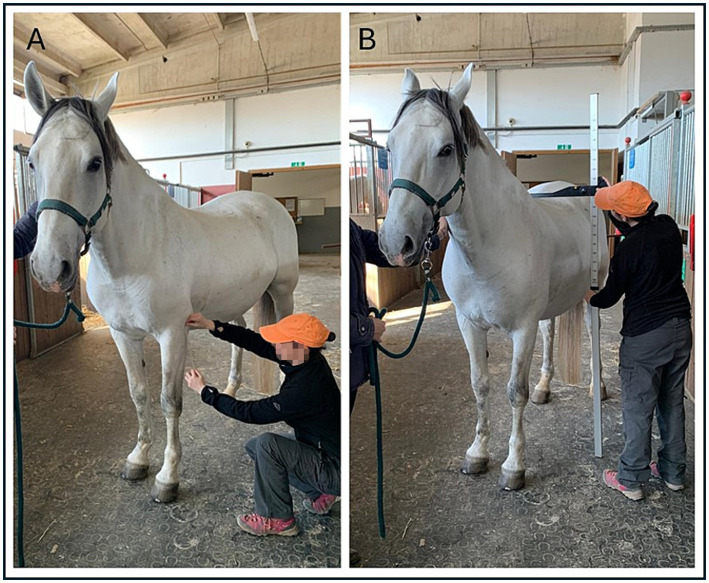 Figure 1
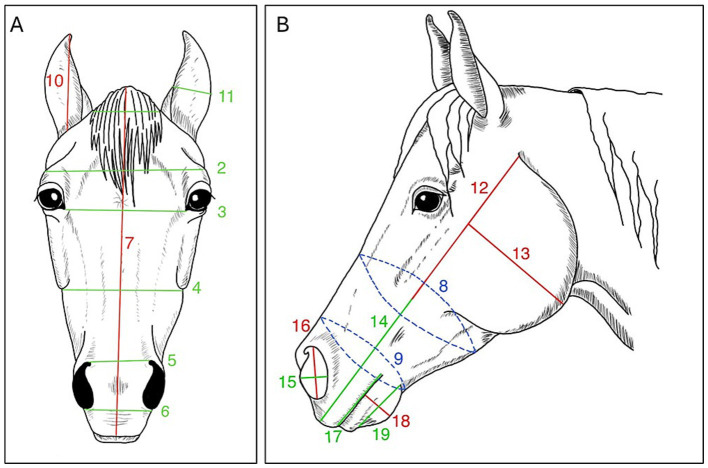 Figure 2
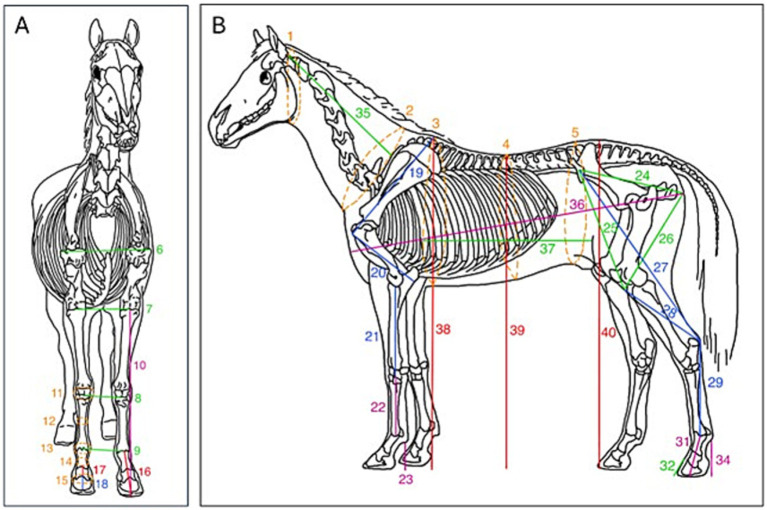 Figure 3
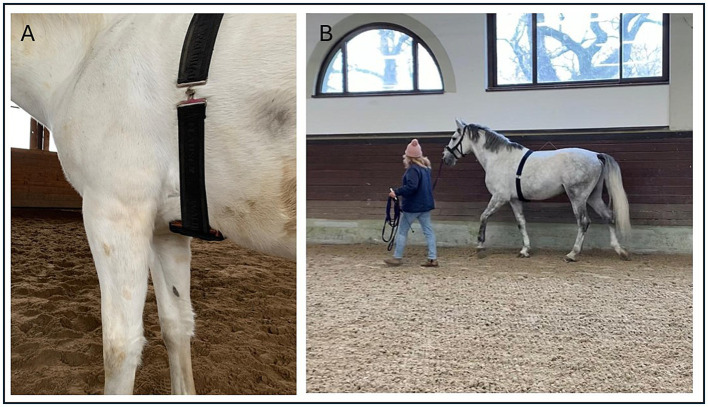 Figure 4
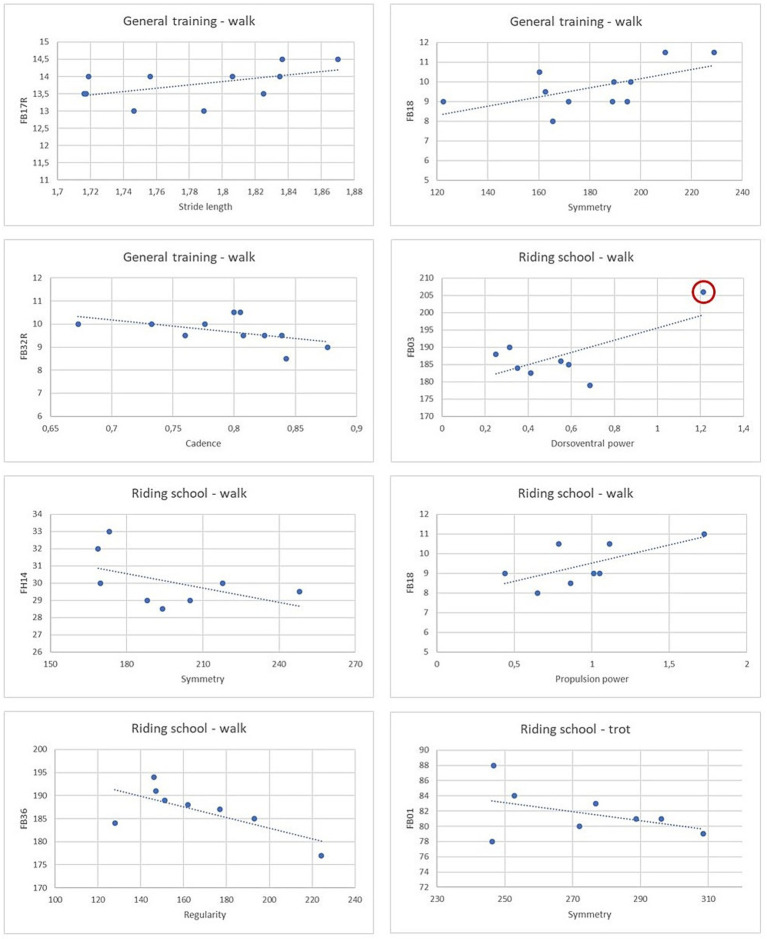 Figure 5
Peer Reviews
No public reviews on file for this paper yet. If you reviewed it on a platform where reviews are public (OpenReview, ICLR, NeurIPS, ICML), you can paste yours below so the community can read it here.
Videos
No videos yet. Explain this paper in a talk, walkthrough, or lecture? Add one.
Taxonomy
TopicsVeterinary Equine Medical Research · Effects of Environmental Stressors on Livestock · Muscle metabolism and nutrition