Spinal Cord Infarction After Transarterial Chemoembolization for Hepatocellular Carcinoma: A Case Report
Tho Tran Dinh, Sy Than Van, Vinh Chu Van, Phuc Chu Minh

TL;DR
A 33-year-old man developed spinal cord infarction after a liver cancer treatment, showing the rare but serious neurological risks of this procedure.
Contribution
Reports a rare case of spinal cord infarction following transarterial chemoembolization for hepatocellular carcinoma.
Findings
A patient developed acute paraplegia after undergoing transarterial chemoembolization.
The patient showed partial neurological recovery with corticosteroid treatment and supportive care.
The case emphasizes the need to consider extrahepatic arterial supply during the procedure.
Abstract
Spinal cord infarction is a rare but serious complication following transarterial chemoembolization (TACE) for hepatocellular carcinoma (HCC). We report a case of a 33-year-old male with a history of chronic hepatitis B and multiple prior TACE sessions who developed acute paraplegia after undergoing another TACE procedure. With immediate administration of high-dose corticosteroids and supportive care, the patient had partial neurological recovery. This case highlights the importance of recognizing extrahepatic arterial supply and the potential neurological risks associated with TACE.
Genes, proteins, chemicals, diseases, species, mutations and cell lines named across the full text — each resolved to its canonical identifier and authoritative record.
Click any figure to enlarge with its caption.
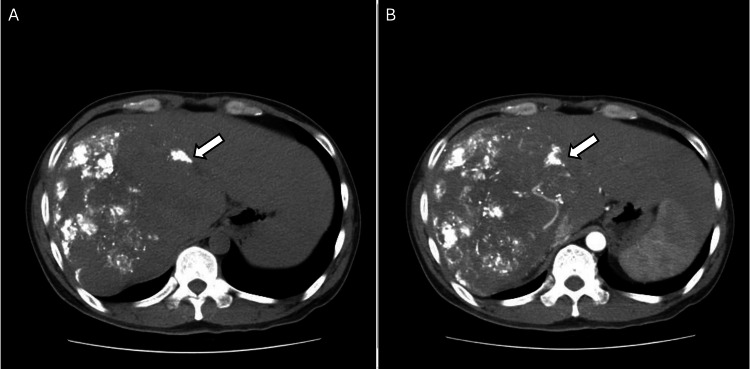 Figure 1
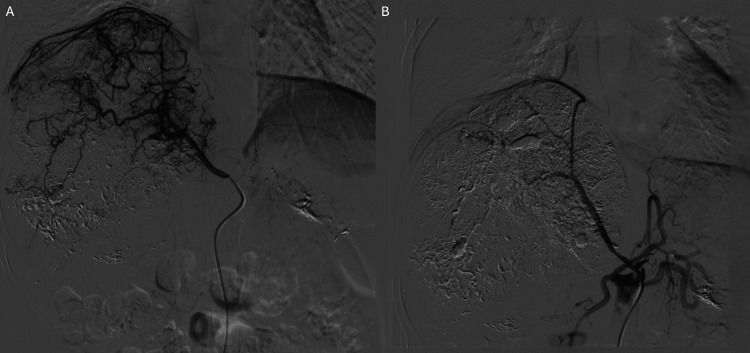 Figure 2
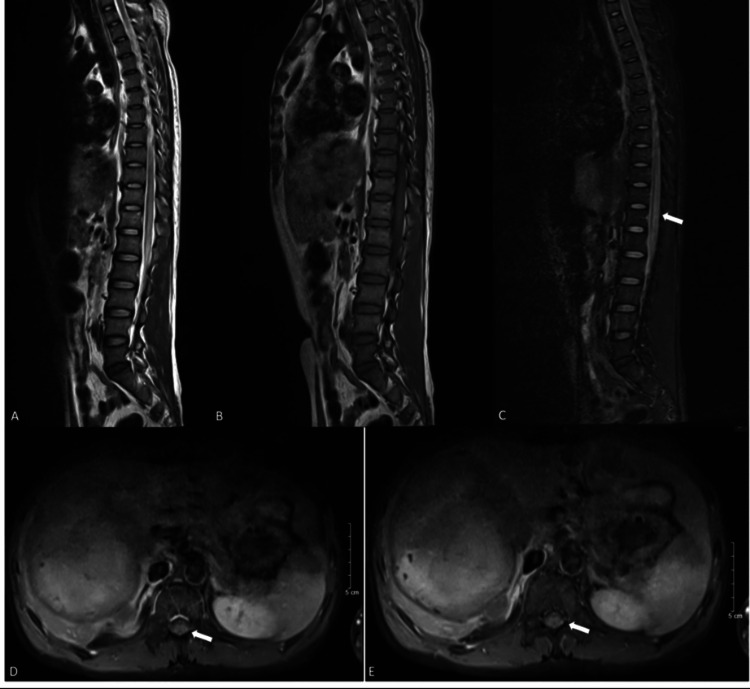 Figure 3
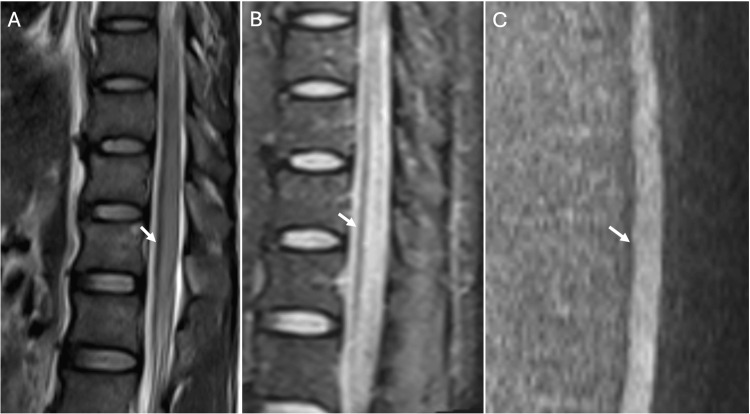 Figure 4
Peer Reviews
No public reviews on file for this paper yet. If you reviewed it on a platform where reviews are public (OpenReview, ICLR, NeurIPS, ICML), you can paste yours below so the community can read it here.
Videos
No videos yet. Explain this paper in a talk, walkthrough, or lecture? Add one.
Taxonomy
TopicsSpinal Hematomas and Complications · Case Reports on Hematomas · Neurosurgical Procedures and Complications