Decoding the “Pain-to-Door” interval using psychological, medical, and demographic factors: A multi-center study
Hamidreza Roohafza, Feridoun Noohi, Sara Bagherieh, Marjan Mansourian, Media Babahajiani, Hamidreza Marateb, Mohammadjavad Alemzadeh, Ansari, Aboozar Fakhr Mousavi, Mohammad Mehdi Peighambari, Masoumeh Sadeghi

TL;DR
This study explores how psychological, medical, and demographic factors affect the time it takes for heart attack patients to seek medical help.
Contribution
The study identifies specific factors that influence the 'pain-to-door' interval in myocardial infarction patients across multiple centers.
Findings
Being male and having a history of angina were linked to shorter pain-to-door times.
Health anxiety, depression, and high socioeconomic status were associated with longer pain-to-door times.
Sense of coherence scores also correlated with increased pain-to-door durations.
Abstract
Reducing the amount of time between the onset of symptoms and presentation to a healthcare facility, namely the “pain-to-door” interval, is of utmost importance in patients with myocardial infarction. In the present study, we aimed to shed light on the psychological, medical, and demographic factors that are associated with this vital time, and the details of this association. We used the baseline data of 1685 participants from a 3-year, multi-centric, cohort study. The pain to door time was estimated as the interval between symptoms’ onset and arrival at the hospital. Patients were asked to fill out valid and reliable questionnaires regarding sociodemographic factors, depression, health anxiety, type D personality, sense of coherence, coping strategies, and quality of life. Data was then analyzed to attain the p-value and hazard ratios (HR) of different variables. In the multivariate…
Genes, proteins, chemicals, diseases, species, mutations and cell lines named across the full text — each resolved to its canonical identifier and authoritative record.
Click any figure to enlarge with its caption.
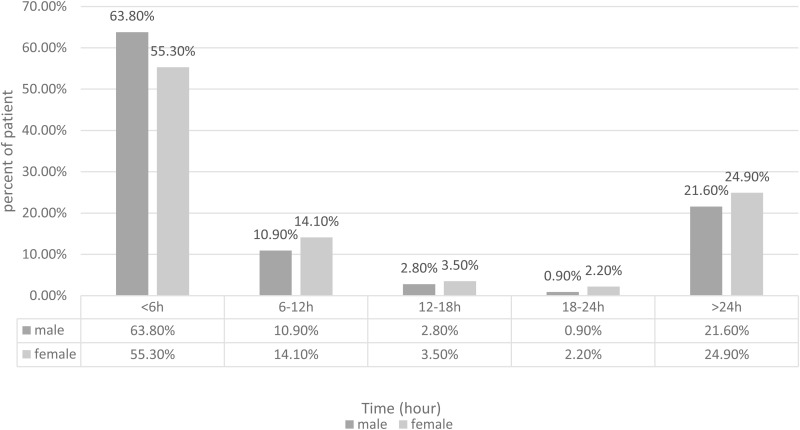 Figure 1
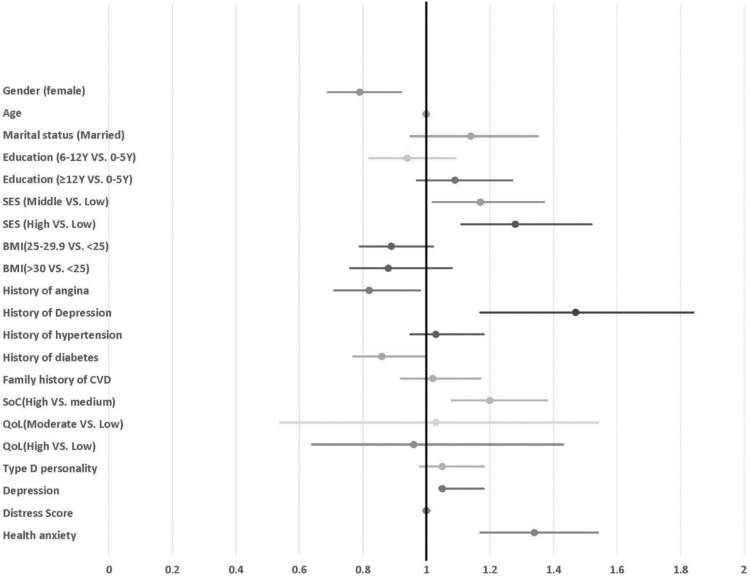 Figure 2
 Figure 3
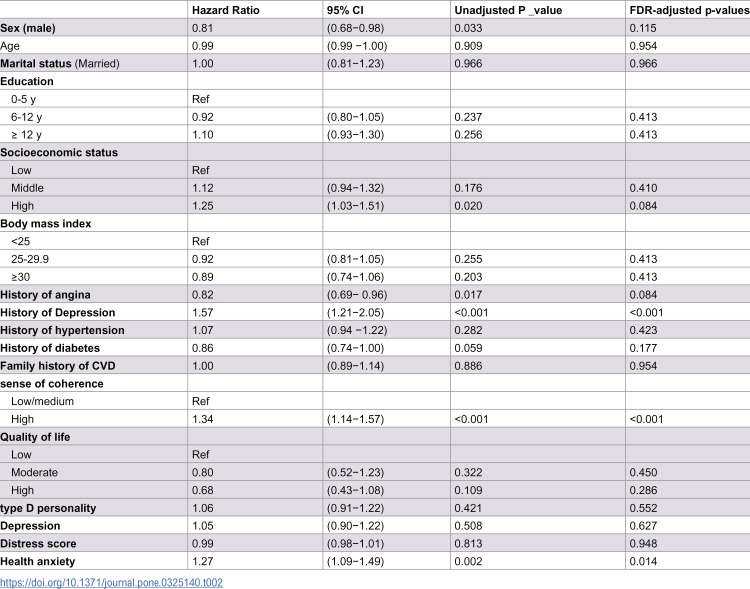 Figure 4
Peer Reviews
No public reviews on file for this paper yet. If you reviewed it on a platform where reviews are public (OpenReview, ICLR, NeurIPS, ICML), you can paste yours below so the community can read it here.
Videos
No videos yet. Explain this paper in a talk, walkthrough, or lecture? Add one.
Taxonomy
TopicsCardiac Health and Mental Health · Emergency and Acute Care Studies · Patient Satisfaction in Healthcare