Factors associated with dyslipidemia among healthcare workers in a COVID-19-designated hospital in Hangzhou, Zhejiang, China: A retrospective cohort study from 2019 to 2022
Zhongbao Zuo, Lan Yu, Chunli Yang, Miaochan Wang, Jing Wu, Chengjiang Tao, Xiaofei Chen, Ruihua Kang, Shourong Liu, Jinsong Huang, Aifang Xu, Tariq Siddiqi, Colin Johnson, Colin Johnson, Colin Johnson

TL;DR
This study found that healthcare workers with more frontline experience and longer tenure were less likely to have dyslipidemia, while certain lipid levels increased the risk.
Contribution
The study identifies specific risk factors for dyslipidemia among healthcare workers in a Chinese hospital over a three-year period.
Findings
Healthcare workers with ≥30 days of frontline work had a 0.38 hazard ratio for dyslipidemia compared to those with 0 days.
Workers with ≥20 years of experience had a 0.47 hazard ratio for dyslipidemia compared to those with <10 years.
High TG, LDL, and TBIL levels were strongly associated with increased dyslipidemia risk.
Abstract
This study investigated dyslipidemia and its relative factors among Chinese healthcare workers from 2019 to 2022. This retrospective cohort study was conducted from 2019 to 2022. The endpoints were dyslipidemia or the end of follow-up. Univariate Cox proportional hazard regression and LASSO regression models were used to select variables, and a multivariate Cox proportional hazard regression model was constructed to explore factors associated with dyslipidemia. 67 (9.2%) medical staff members were diagnosed with dyslipidemia, 106 (14.5%) resigned from the hospital, and 558 (76.3%) kept normal lipid files. Compared with healthcare workers with previous working time <10 years, the hazard ratios (HRs) of those with 10−20 years and ≥ 20 years of working experience were 0.34 (0.18–0.64) (P = 0.001) and 0.47 (0.26–0.85) (P = 0.01); compared with 0-day frontline working time, the HR of those…
Genes, proteins, chemicals, diseases, species, mutations and cell lines named across the full text — each resolved to its canonical identifier and authoritative record.
Click any figure to enlarge with its caption.
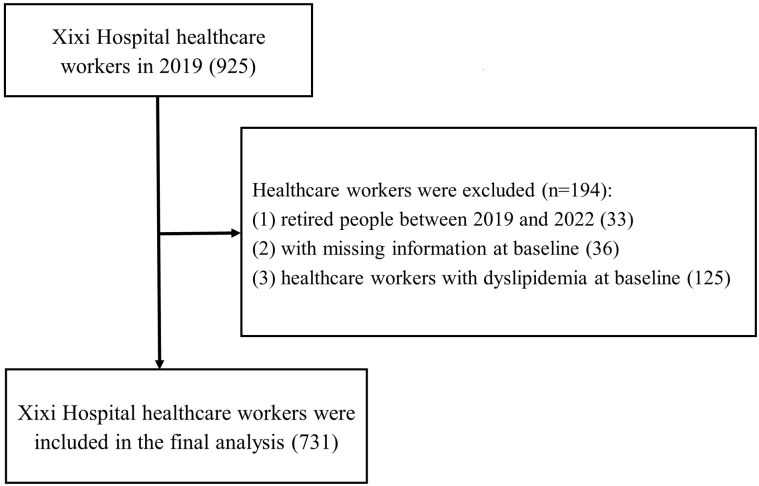 Figure 1
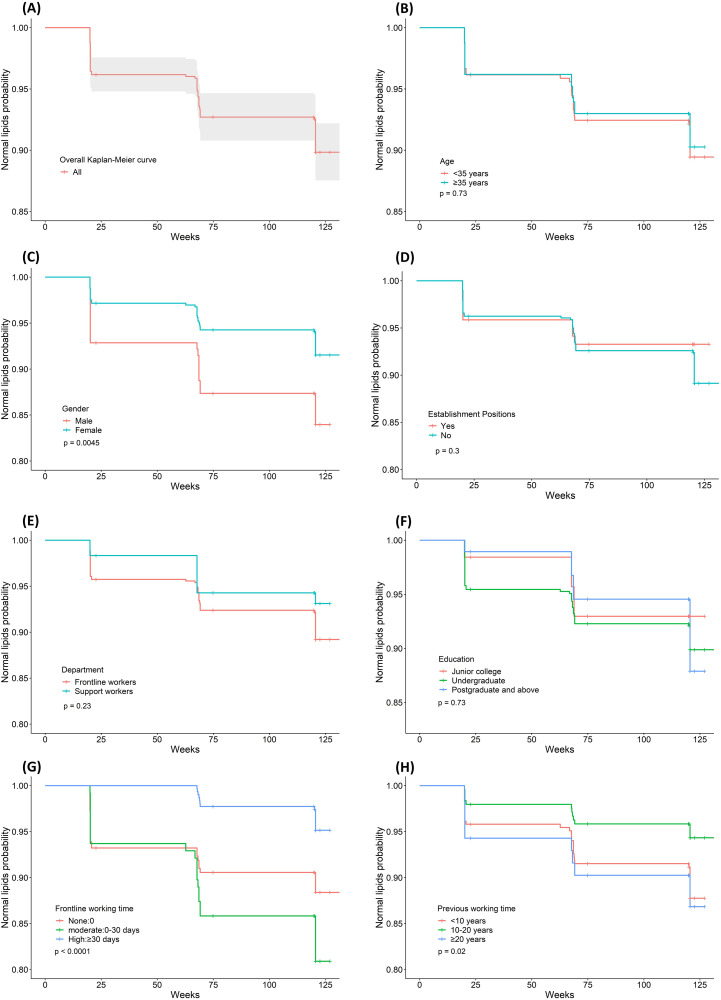 Figure 2
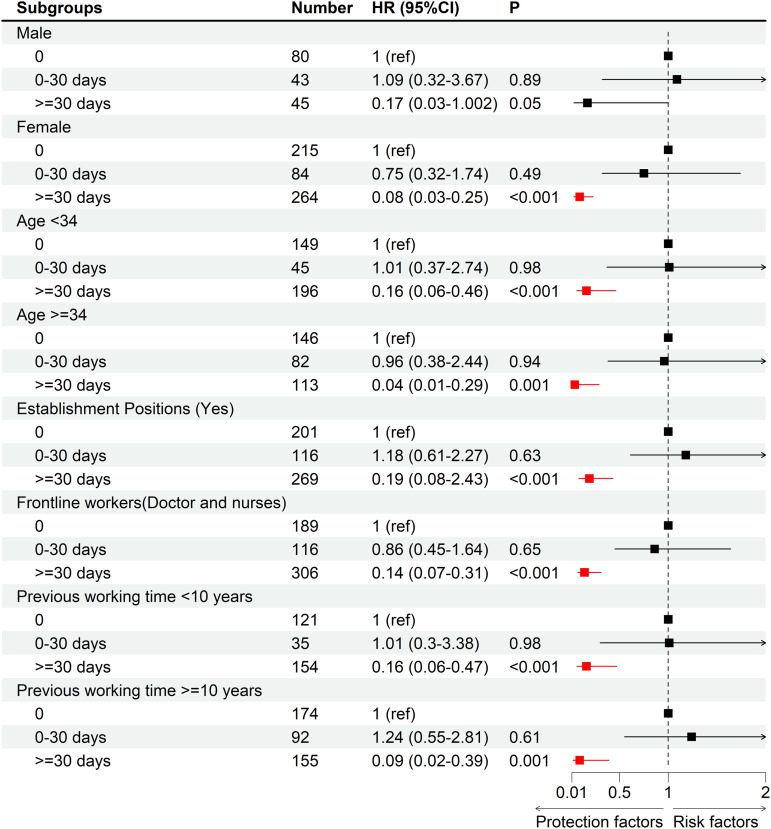 Figure 3
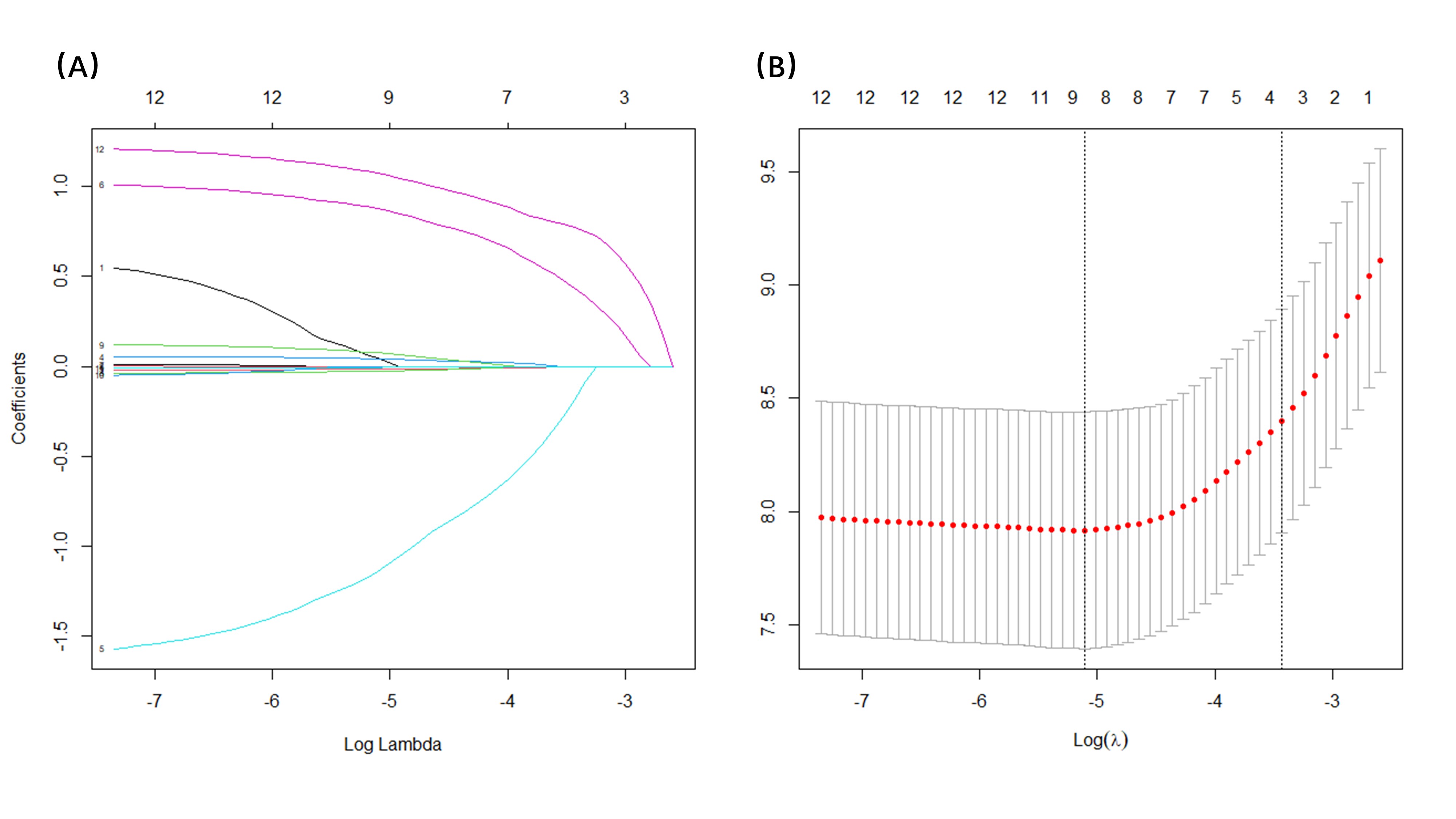 Figure 4
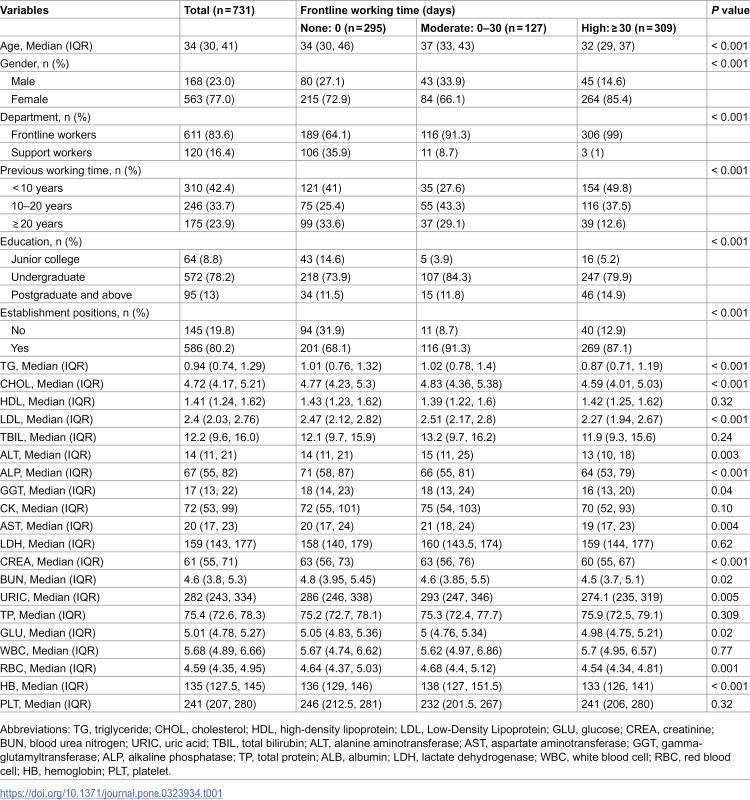 Figure 5
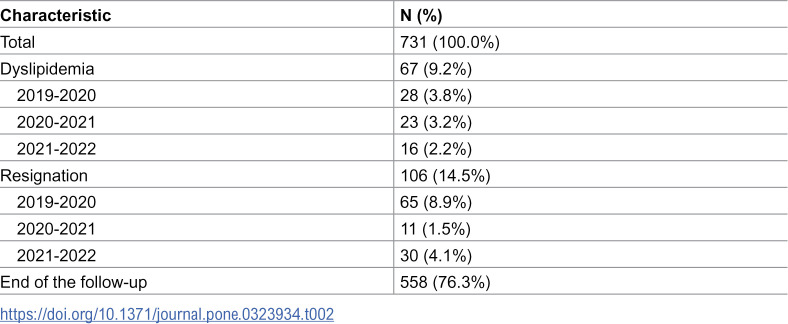 Figure 6
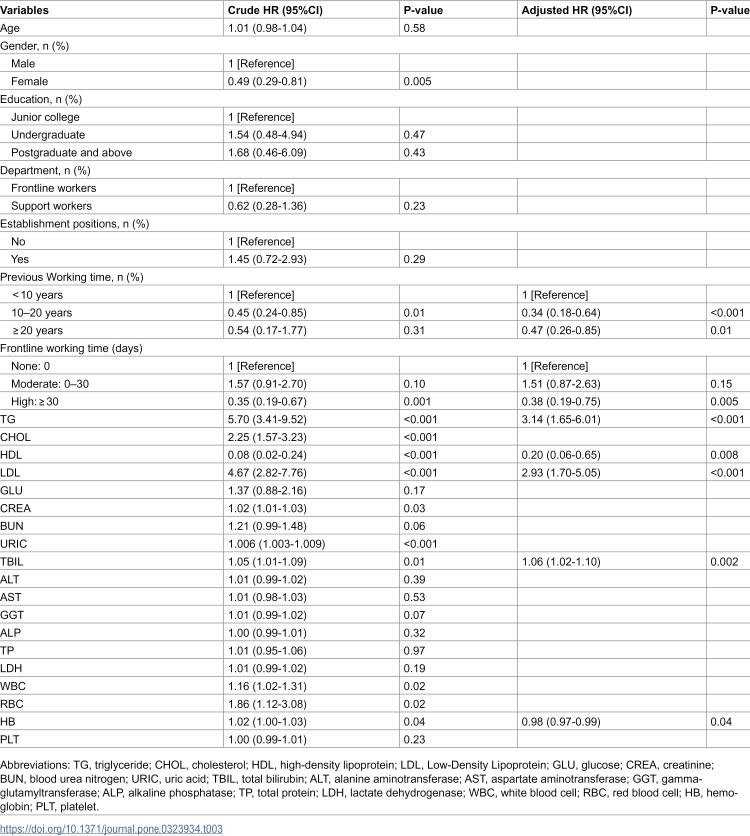 Figure 7
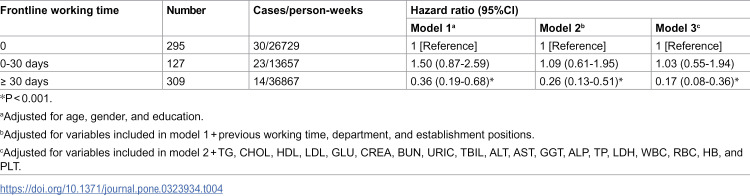 Figure 8
Peer Reviews
No public reviews on file for this paper yet. If you reviewed it on a platform where reviews are public (OpenReview, ICLR, NeurIPS, ICML), you can paste yours below so the community can read it here.
Videos
No videos yet. Explain this paper in a talk, walkthrough, or lecture? Add one.
Taxonomy
TopicsCOVID-19 Clinical Research Studies · Long-Term Effects of COVID-19 · COVID-19 and Mental Health