Hip stabilization in an australopithecine-like hip: the influence of shape on muscle activation
Patricia Ann Kramer, Adam D. Sylvester

TL;DR
This study shows how australopithecine-like hip shapes affect muscle activation during walking compared to modern human hips.
Contribution
The study reveals how pelvic shape influences specific hip muscle activations during walking in australopithecine-like models.
Findings
Australopithecine-like pelvises produce higher gluteus medius and minimus muscle activations.
Gluteus maximus activations are lower in australopithecine-like pelvises during stance.
The australopithecine-like pelvis is compatible with human walking patterns but shows other influences on shape.
Abstract
Hip stabilization through muscular activation of the gluteals is a key feature of hominin walking, but the role of pelvic shape on muscular activation remains uncertain. Coupled with this is the uncertainty regarding whether the kinematics and kinetics of modern humans are appropriate in extinct hominins. We apply modern human kinematics and kinetics to musculoskeletal models with modern human-like and australopithecine-like hips. We test the prediction that the hip functional complex that includes biacetabular breadth, femoral neck length, and iliac blade flare, produces hip abductor muscle activations that are similar in the modern human- and australopithecine-like forms. Using previously developed musculoskeletal models, we calculated muscle forces using inverse dynamics analyses and a muscle redundancy algorithm for ten individuals who walked at their normal velocity. We found that…
Genes, proteins, chemicals, diseases, species, mutations and cell lines named across the full text — each resolved to its canonical identifier and authoritative record.
Click any figure to enlarge with its caption.
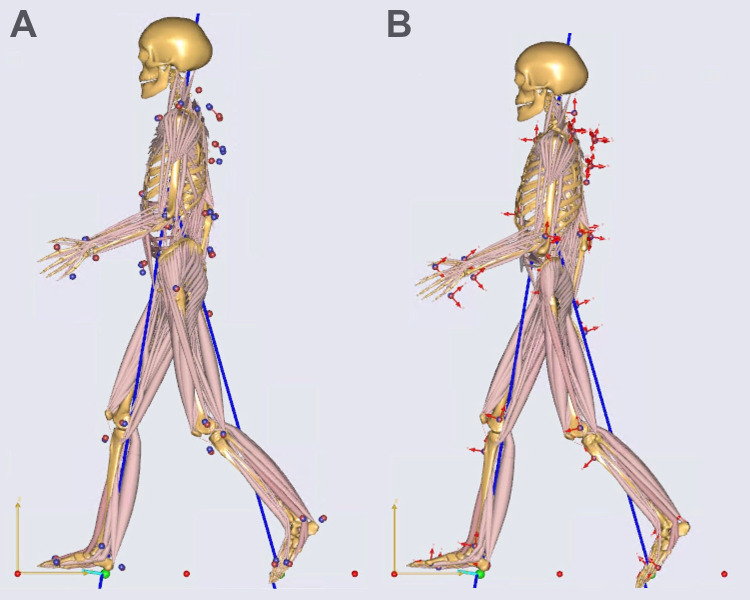 Figure 1
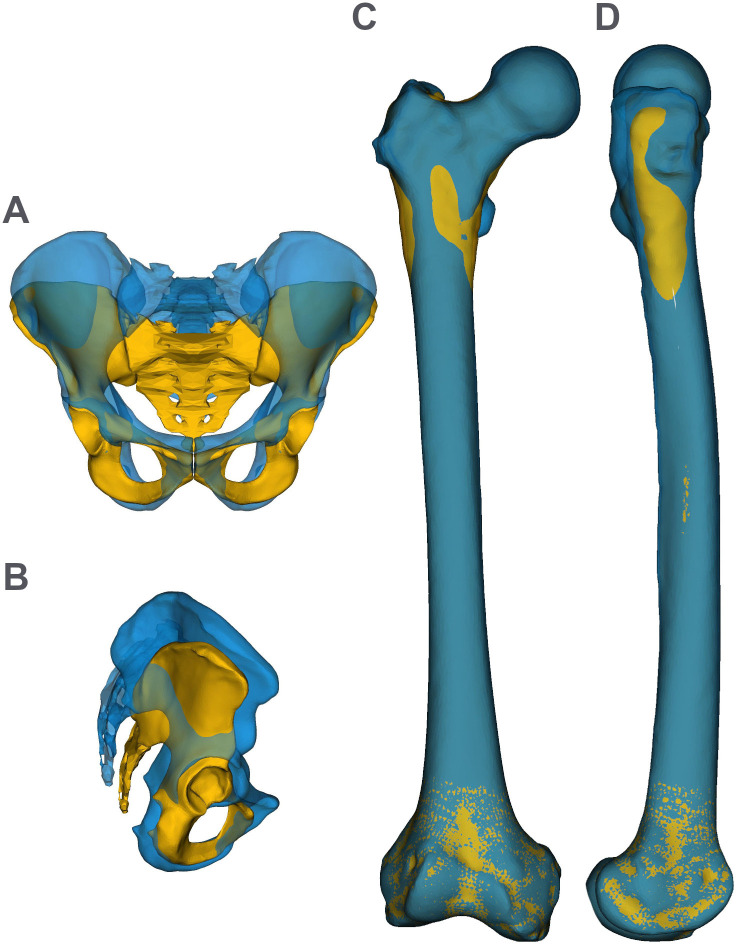 Figure 2
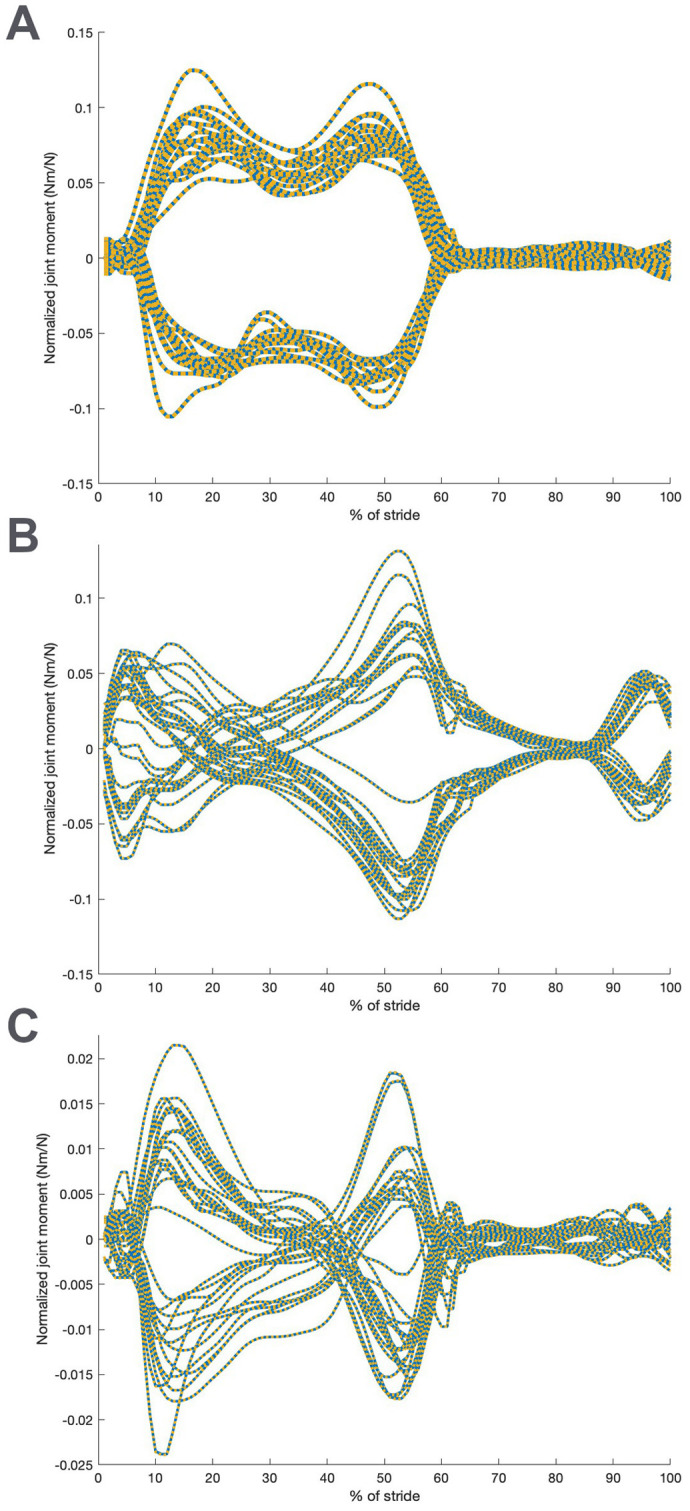 Figure 3
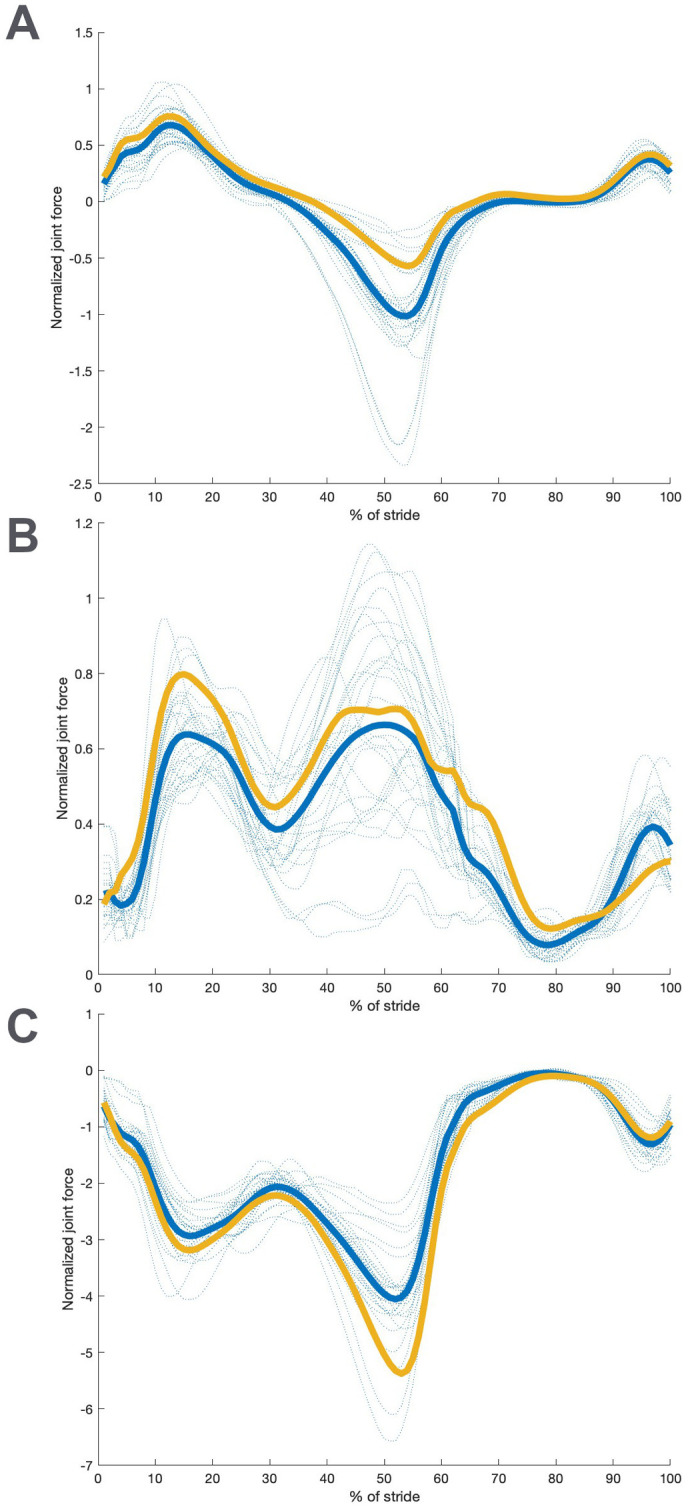 Figure 4
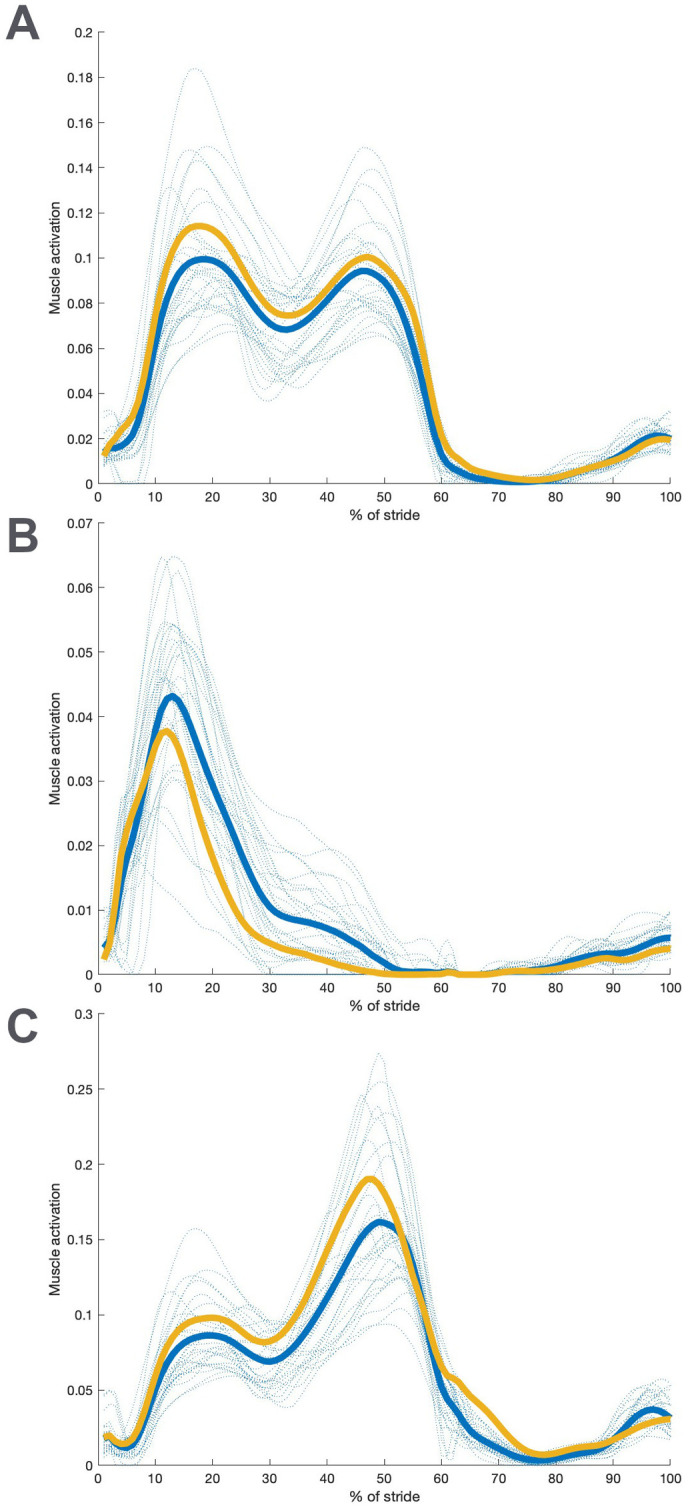 Figure 5
Peer Reviews
No public reviews on file for this paper yet. If you reviewed it on a platform where reviews are public (OpenReview, ICLR, NeurIPS, ICML), you can paste yours below so the community can read it here.
Videos
No videos yet. Explain this paper in a talk, walkthrough, or lecture? Add one.
Taxonomy
TopicsAdvanced Neuroimaging Techniques and Applications · Balance, Gait, and Falls Prevention · Diversity and Impact of Dance