A hypomorphic model of CPS1 deficiency for investigating the effects of hyperammonemia on the developing nervous system
Stuti Bakshi, Taryn Diep, Brandon J. Willis, Rachel Reyes, Grace F. Wu, Georgios Makris, Martin Poms, Isabel Day, Qin Sun, Irina Zhuravka, Lindsay Lueptow, Michelle Tang, Gareth A. Cromie, Aimée M. Dudley, Johannes Häberle, Gerald S. Lipshutz

TL;DR
A new mouse model for CPS1 deficiency was created to study the effects of high ammonia levels on brain development and test potential treatments.
Contribution
A novel hypomorphic murine model of CPS1 deficiency was developed to study hyperammonemia's effects on the nervous system.
Findings
The hypomorphic model shows elevated ammonia and glutamate levels and reduced citrulline.
The model biochemically phenocopies human CPS1 deficiency with impaired ureagenesis.
The model is 100% penetrant and reproducible, providing a platform for therapeutic development.
Abstract
Carbamoyl phosphate synthetase 1 (CPS1) deficiency is a rare metabolic disorder that, in neonatal onset, is typically characterized by severe life-threatening and neurologically injuring hyperammonemic episodes with high unmet patient need. Patients that retain limited enzyme activity may present later in life with less severe hyperammonemia. CPS1 drives the first step in the urea cycle, the pathway terrestrial mammals utilize to metabolize nitrogen. In order to probe the effect of hyperammonemia on the developing nervous system and explore new therapies, a murine Cps1 exon 3-4 mutant was previously generated. However, these mice die within 24 h of birth, limiting study capabilities. Herein, we developed a novel Cps1 hypomorphic murine model with residual enzyme activity that maintains survival, but with dysfunction of Cps1 that could be detected biochemically. Characterization, based…
Genes, proteins, chemicals, diseases, species, mutations and cell lines named across the full text — each resolved to its canonical identifier and authoritative record.
Click any figure to enlarge with its caption.
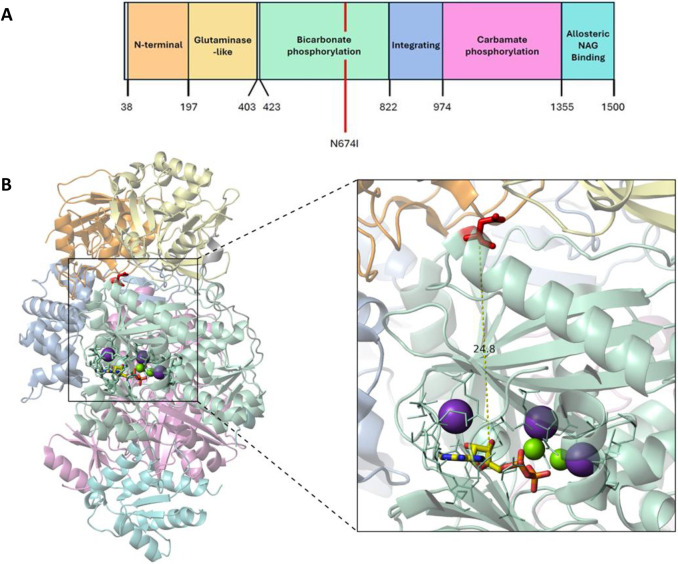 Figure 1
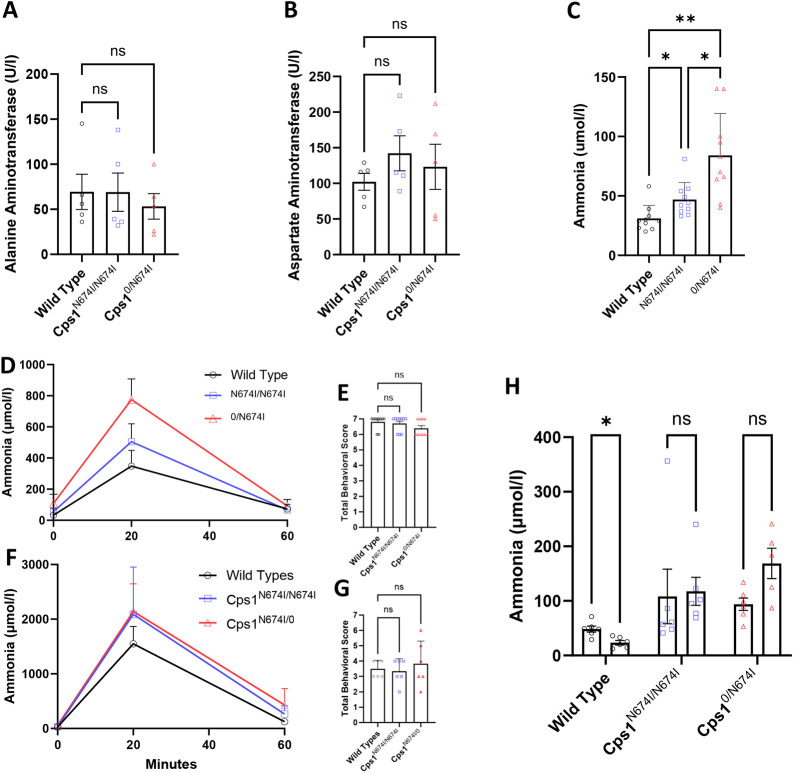 Figure 2
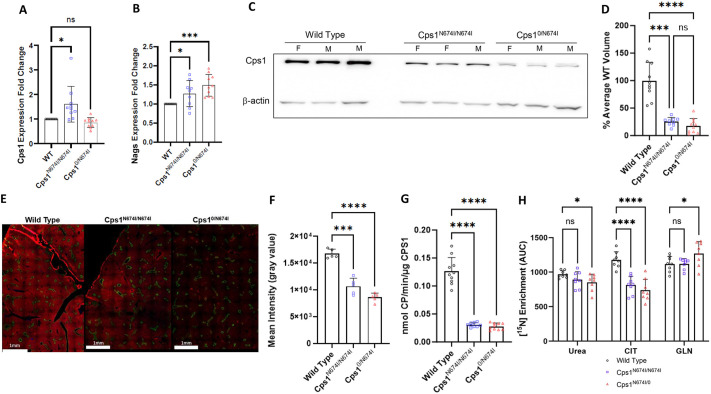 Figure 3
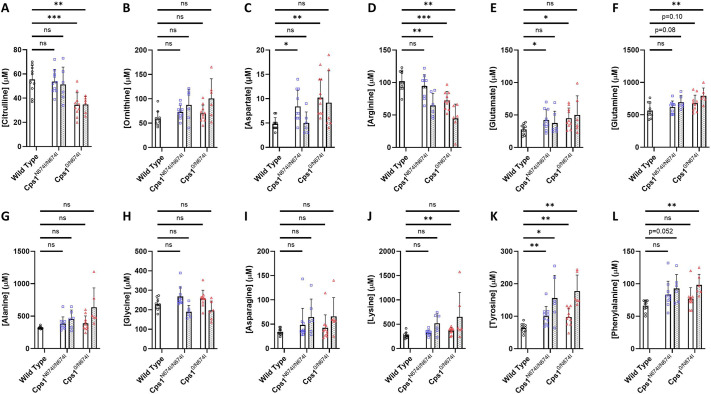 Figure 4
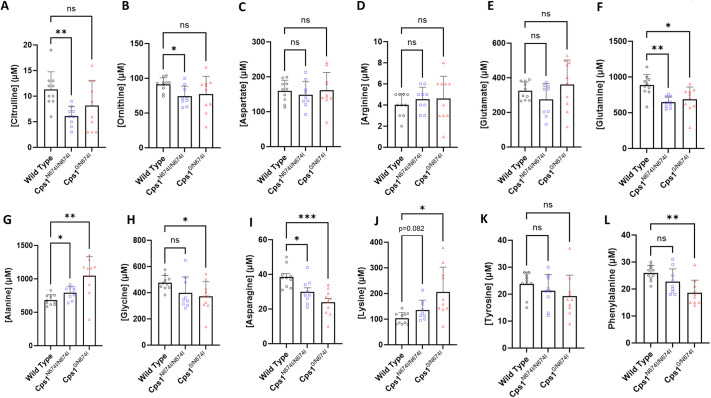 Figure 5
 Figure 6
 Figure 7
 Figure 8
Peer Reviews
No public reviews on file for this paper yet. If you reviewed it on a platform where reviews are public (OpenReview, ICLR, NeurIPS, ICML), you can paste yours below so the community can read it here.
Videos
No videos yet. Explain this paper in a talk, walkthrough, or lecture? Add one.
Taxonomy
TopicsMetabolism and Genetic Disorders · Biochemical and Molecular Research · Cancer, Hypoxia, and Metabolism