A draft genome assembly for the dart-poison frog Phyllobates terribilis
Roberto Márquez, Denis Jacob Machado, Reyhaneh Nouri, Kerry L. Gendreau, Daniel Janies, Ralph A. Saporito, Marcus R. Kronforst, Taran Grant, Roberto Márquez, Roberto Márquez, Roberto Márquez, Roberto Márquez

TL;DR
This paper presents a draft genome assembly for the dart-poison frog Phyllobates terribilis, despite its large and repetitive genome.
Contribution
The study provides a draft genome assembly for Phyllobates terribilis using multiple sequencing platforms.
Findings
The genome assembly is highly fragmented due to the genome's large size and high repeat content (~88%).
Multiple genes from voltage-gated sodium channels and Notch and Wnt signaling pathways were successfully annotated.
The assembly is useful for amphibian research despite its low contiguity.
Abstract
Dendrobatid poison frogs have become well established as model systems in several fields of biology. Nevertheless, the development of molecular and genetic resources for these frogs has been hindered by their large, highly repetitive genomes, which have proven difficult to assemble. Here we present a draft assembly for Phyllobates terribilis (12.6 Gb), generated using a combination of sequencing platforms and bioinformatic approaches. Similar to other poison frog sequencing efforts, we recovered a highly fragmented assembly, likely due to the genome’s large size and very high repeat content, which we estimated to be ≍88%. Despite the assembly’s low contiguity, we were able to annotate multiple members of three gene sets of interest (voltage-gated sodium channels and Notch and Wnt signaling pathways), demonstrating the usefulness of our assembly to the amphibian research community.
Genes, proteins, chemicals, diseases, species, mutations and cell lines named across the full text — each resolved to its canonical identifier and authoritative record.
Click any figure to enlarge with its caption.
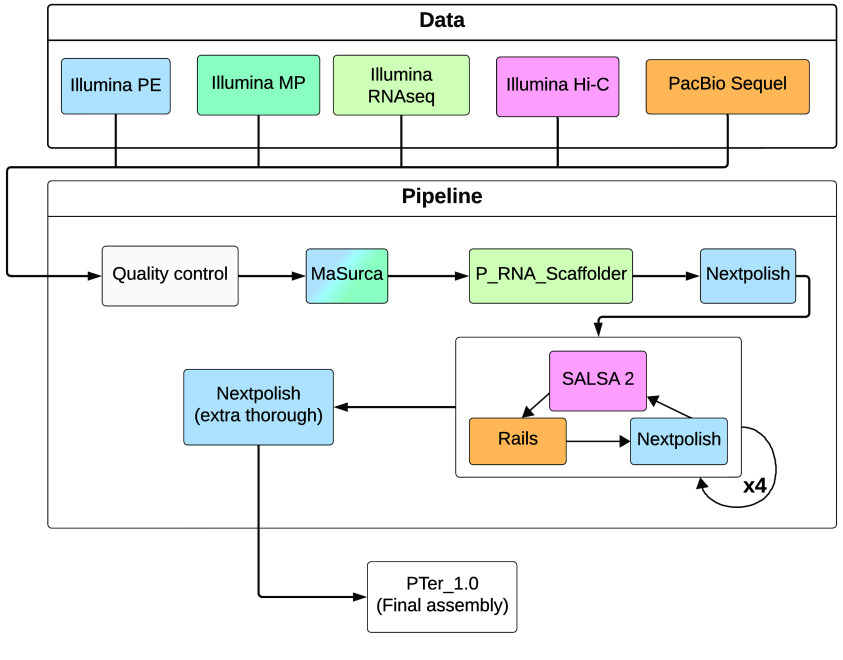 Figure 1
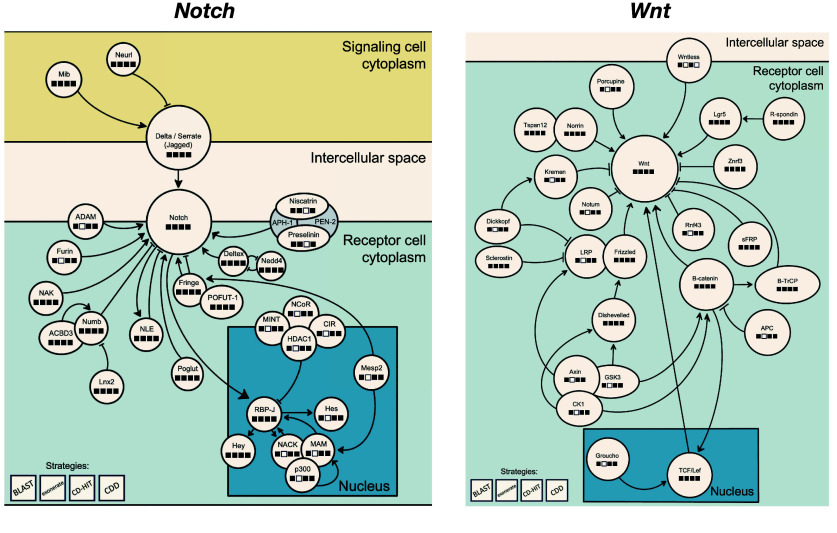 Figure 2
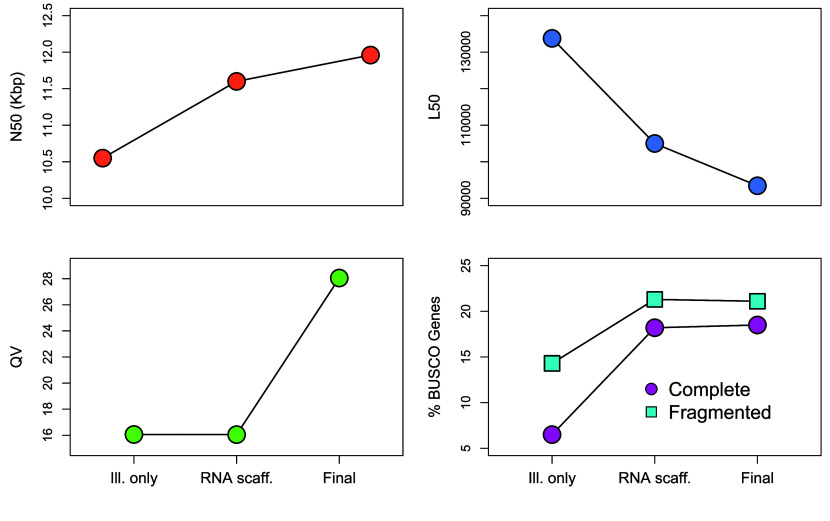 Figure 3
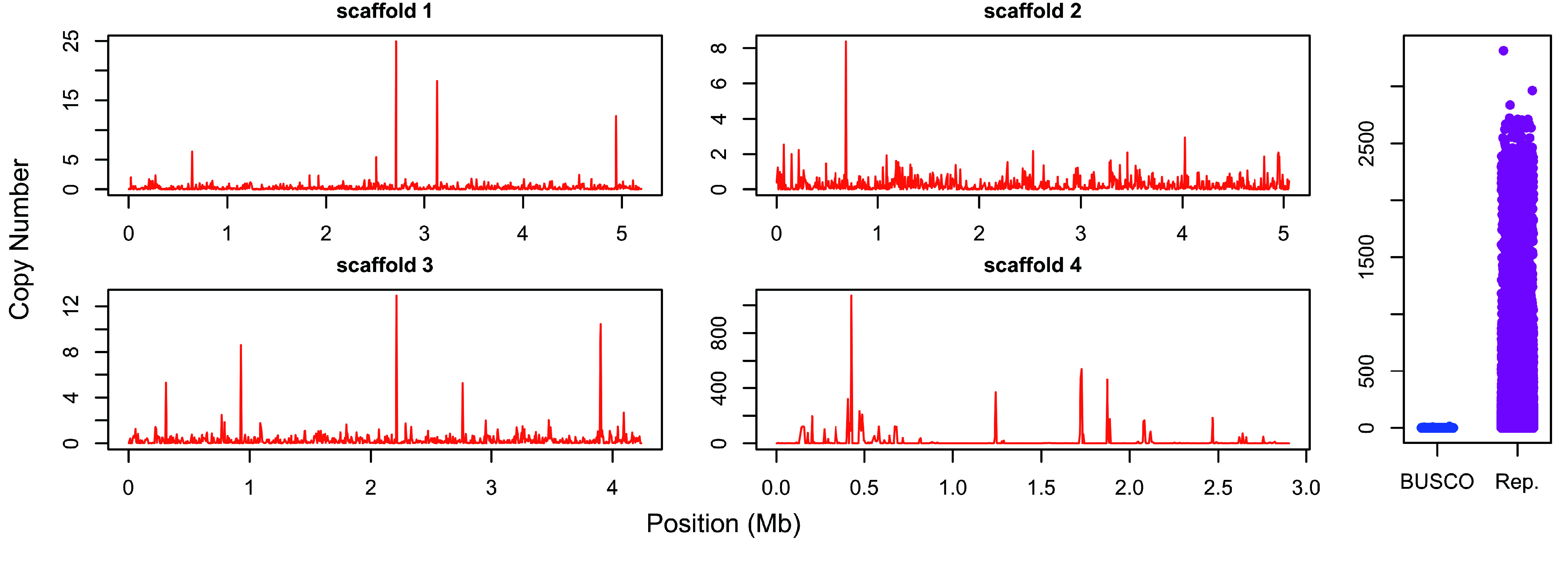 Figure 4
Peer Reviews
No public reviews on file for this paper yet. If you reviewed it on a platform where reviews are public (OpenReview, ICLR, NeurIPS, ICML), you can paste yours below so the community can read it here.
Videos
No videos yet. Explain this paper in a talk, walkthrough, or lecture? Add one.
Taxonomy
TopicsGenomics and Phylogenetic Studies · Aquaculture disease management and microbiota · Invertebrate Immune Response Mechanisms