Brownian motion data augmentation: a method to push neural network performance on nanopore sensors
Javier Kipen, Joakim Jaldén

TL;DR
This paper introduces a data augmentation method using Brownian motion to improve neural network performance for nanopore sensor data analysis.
Contribution
A novel data augmentation technique and a new neural network, YupanaNet, that outperforms previous models on nanopore classification tasks.
Findings
Brownian motion data augmentation significantly improves QuipuNet's classification accuracy.
YupanaNet achieves 95.8% accuracy, surpassing QuipuNet's 94.6% on the same dataset.
The method enhances generalization and leverages novel neural network architectures.
Abstract
Nanopores are highly sensitive sensors that have achieved commercial success in DNA/RNA sequencing, with potential applications in protein sequencing and biomarker identification. Solid-state nanopores, in particular, face challenges such as instability and low signal-to-noise ratios, which lead scientists to adopt data-driven methods for nanopore signal analysis, although data acquisition remains restrictive. We address this data scarcity by augmenting the training samples with traces that emulate Brownian motion effects, based on dynamic models in the literature. We apply this method to a publicly available dataset of a classification task containing nanopore reads of DNA with encoded barcodes. A neural network named QuipuNet was previously published for this dataset, and we demonstrate that our augmentation method produces a noticeable increase in QuipuNet’s accuracy. Furthermore,…
Click any figure to enlarge with its caption.
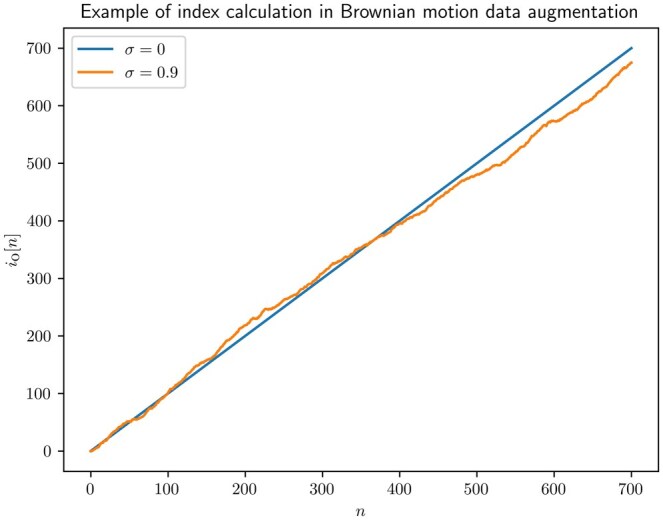 Figure 1
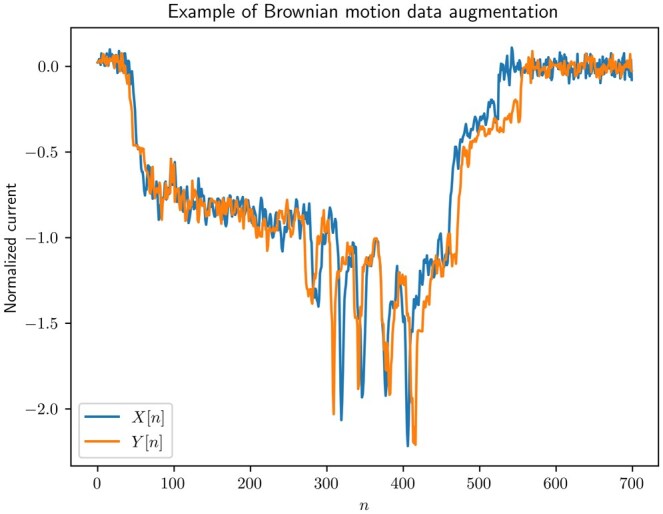 Figure 2
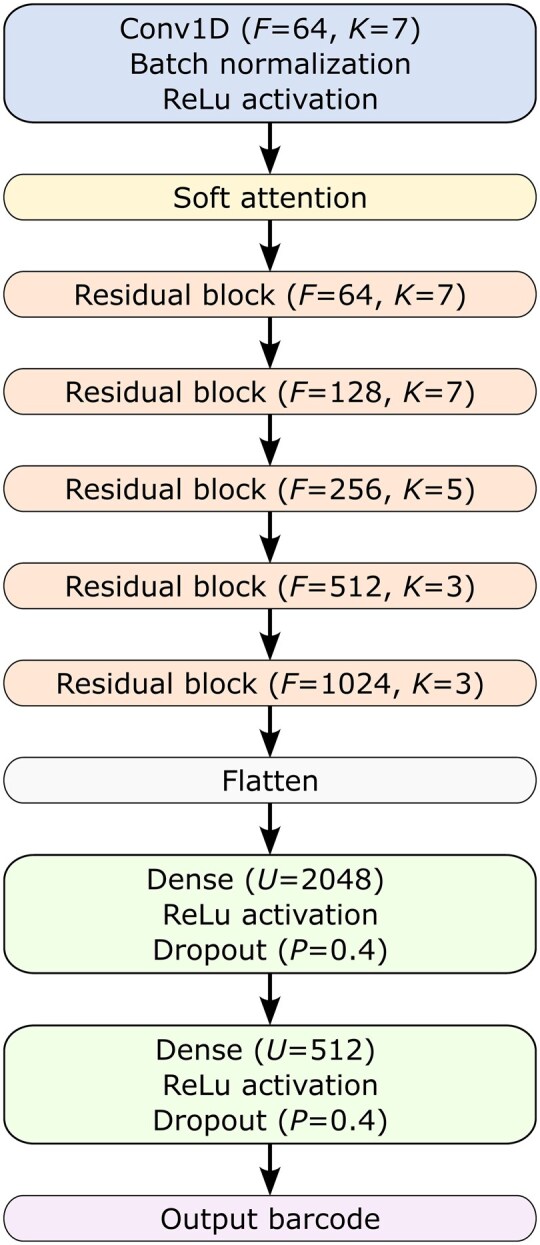 Figure 3
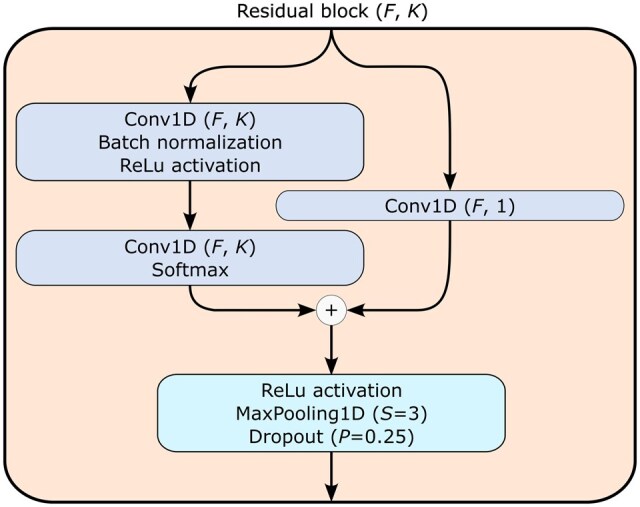 Figure 4
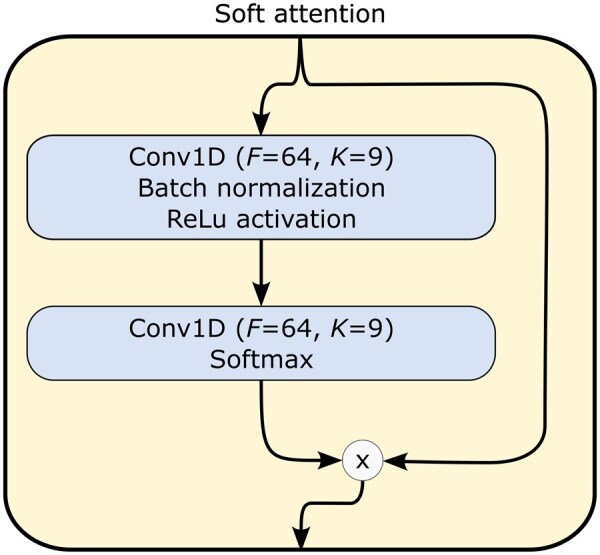 Figure 5
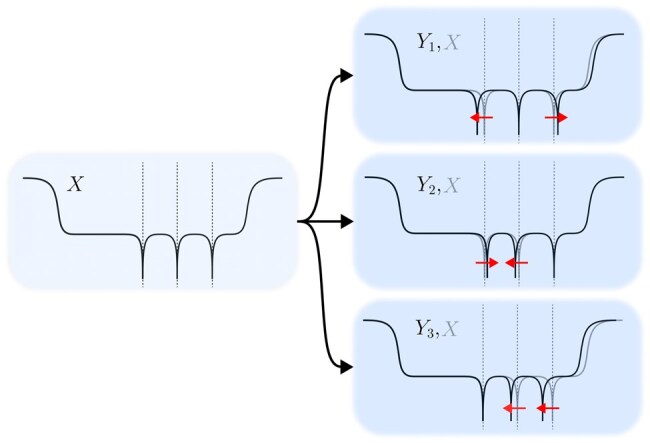 Figure 6
Peer Reviews
No public reviews on file for this paper yet. If you reviewed it on a platform where reviews are public (OpenReview, ICLR, NeurIPS, ICML), you can paste yours below so the community can read it here.
Videos
No videos yet. Explain this paper in a talk, walkthrough, or lecture? Add one.
Taxonomy
TopicsNanopore and Nanochannel Transport Studies · Underwater Acoustics Research · Non-Destructive Testing Techniques