Deep Sequencing Reveals Dual Evolution of SARS‐CoV‐2: Insights Into Defective Genomes From Wuhan‐Hu‐1 Variants to Omicron Subvariants
Carolina Campos, Marta Ibañez‐Lligoña, Sergi Colomer‑Castell, Josep Gregori, Damir Garcia‑Cehic, Cristina Andrés, Maria Piñana, Alejandra González‑Sánchez, Ariadna Rando‑Segura, Juliana Esperalba, Narcis Saubí, Maria Francesca Cortese, David Tabernero, Francisco Rodriguez‐Frias

TL;DR
This study uses deep sequencing to track how SARS-CoV-2 evolved, showing a shift in defective genome production from early variants to Omicron subvariants.
Contribution
The study identifies dual evolutionary patterns in SARS-CoV-2 related to defective viral genome production.
Findings
Early variants had higher DVGs in the spike region near the S1/S2 cleavage site.
Omicron subvariants show a significant reduction in DVG production.
DVGs may influence the virus's spread and adaptation in humans.
Abstract
SARS‐CoV‐2 has evolved from early variants dominating the first (B.1.5, B.1.1) and second (B.1.177) pandemic waves, which exhibited a higher frequency of minority mutants with deletions leading to Defective Viral Genomes (DVGs) in the spike region near the S1/S2 cleavage site than the Alpha, Beta, and Delta variants. The emergence of Omicron has significantly altered the dominant variant profile, with Omicron subvariants now representing 100% of circulating viruses. To monitor the evolution and adaptation of Omicron in the human population, a deep‐sequencing study was performed in RNA samples of BA.1, BA.1.1, BA.2, BA.5, BQ.1.1, XBB.1.5 and BA.2.86 Omicron subvariants. The findings reveal two occurrences of similar evolutionary patterns within SARS‐CoV‐2 characterized by a shift from a significant to a very low production of DVGs. This event suggests that DVGs might play a role in the…
Genes, proteins, chemicals, diseases, species, mutations and cell lines named across the full text — each resolved to its canonical identifier and authoritative record.
Click any figure to enlarge with its caption.
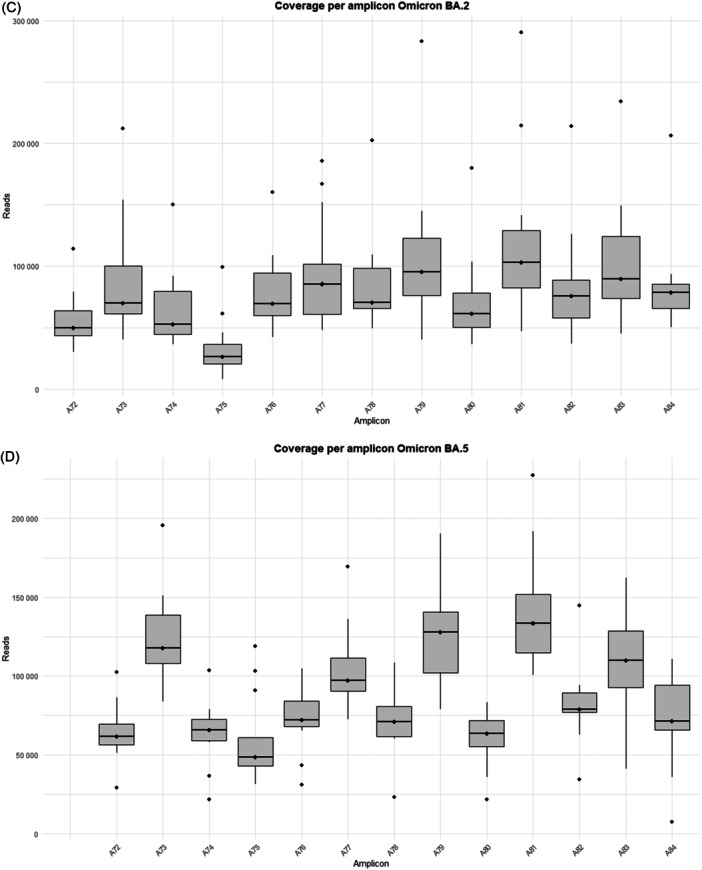 Figure 1
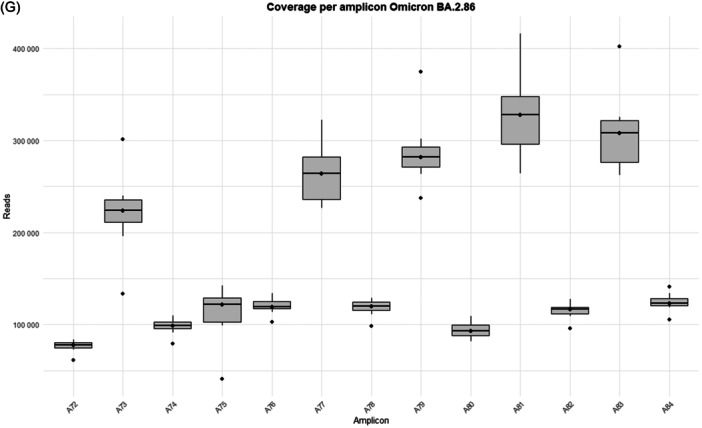 Figure 2
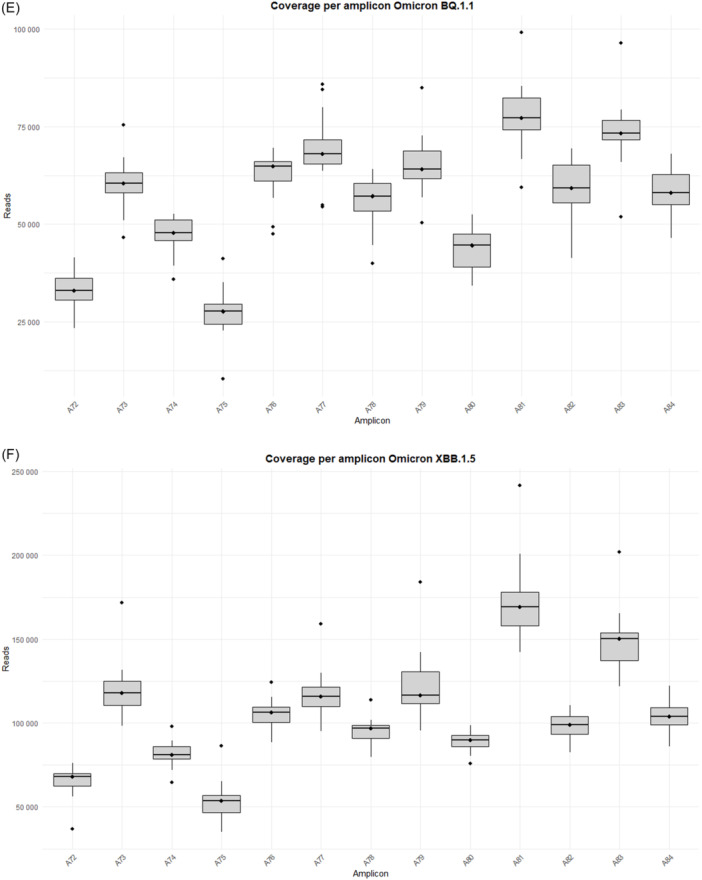 Figure 3
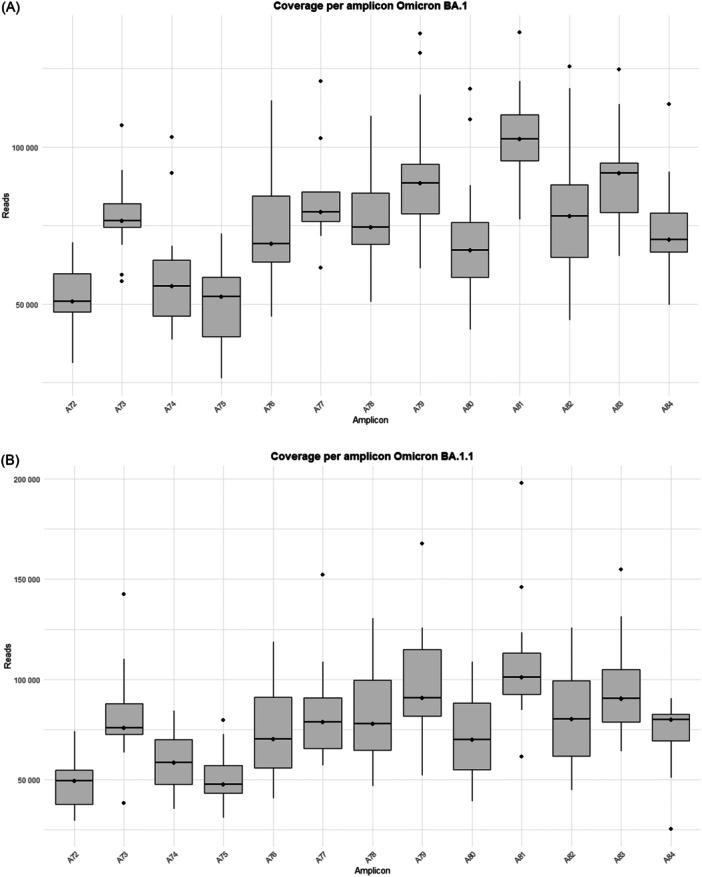 Figure 4
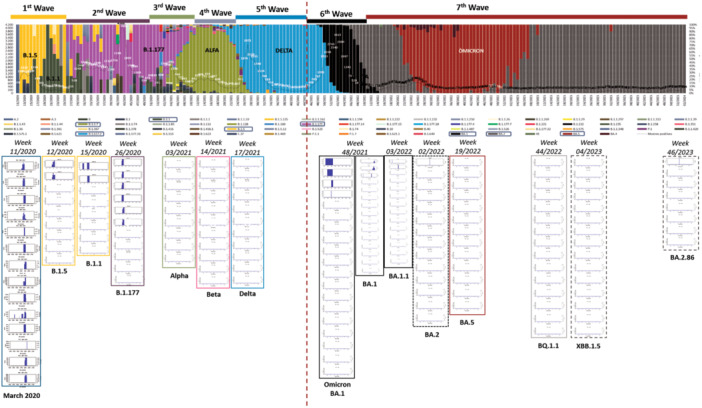 Figure 5
Peer Reviews
No public reviews on file for this paper yet. If you reviewed it on a platform where reviews are public (OpenReview, ICLR, NeurIPS, ICML), you can paste yours below so the community can read it here.
Videos
No videos yet. Explain this paper in a talk, walkthrough, or lecture? Add one.
Taxonomy
TopicsSARS-CoV-2 and COVID-19 Research · SARS-CoV-2 detection and testing · Animal Virus Infections Studies