The polyamino‐isoprenyl enhancer NV716 enables the antibacterial activity of two families of multi‐target inhibitors against the ESKAPEE bacterium Enterobacter cloacae
Emma Forest, Jordan Lehoux, Alexandre Guy, Thierry Durand, Stéphane Audebert, Luc Camoin, Christopher D. Spilling, Céline Crauste, Stéphane Canaan, Jean Michel Brunel, Jean‐Michel Bolla, Jean‐François Cavalier

TL;DR
A new compound, NV716, helps two types of inactive antibiotics work against a drug-resistant bacterium by making the bacteria's outer membrane more permeable.
Contribution
NV716 is shown to enhance the antibacterial activity of previously ineffective inhibitors against Gram-negative ESKAPEE bacteria.
Findings
NV716 increases antibiotic activity by permeabilizing the outer membrane of Enterobacter cloacae.
OX and CyC inhibitors target multiple conserved proteins essential for bacterial survival.
Some target proteins are shared across multiple Gram-negative bacteria like Pseudomonas aeruginosa.
Abstract
Gram‐negative bacteria are particularly prone to developing antimicrobial resistance (AMR), as evidenced by the WHO's ESKAPEE list of high‐priority pathogens. One strategy that has increased is the use of antibiotic enhancers, which can re‐empower abandoned or poorly active antibiotics against the resistant strain of interest. In this study, the polyamino‐isoprenyl antibiotic enhancer, NV716, was tested in combination with two families of multi‐target Ser/Cys‐based enzyme inhibitors, the oxadiazolone derivatives (OX) and the Cyclipostins and Cyclophostin analogs (CyC), which are inactive against Gram‐negative ESKAPEE bacteria, to potentiate their antibacterial activity and thus make them active against these bacteria. We demonstrated that NV716 potentiates some OX and CyC compounds by permeabilizing the outer membrane and thus by increasing the inhibitor accumulation, as shown by…
Genes, proteins, chemicals, diseases, species, mutations and cell lines named across the full text — each resolved to its canonical identifier and authoritative record.
Click any figure to enlarge with its caption.
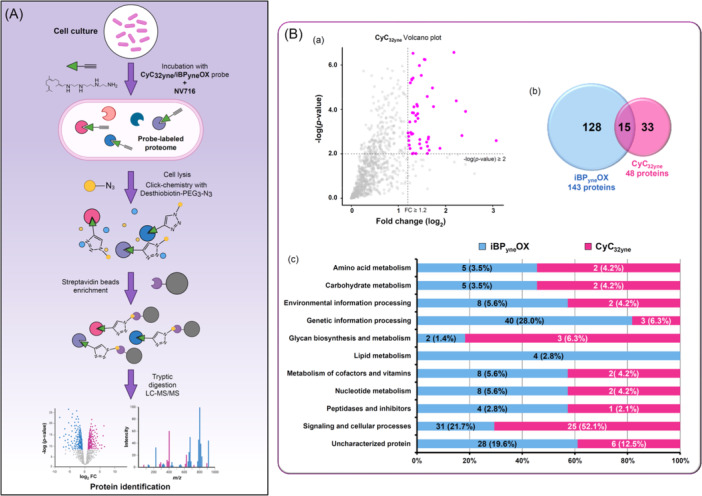 Figure 1
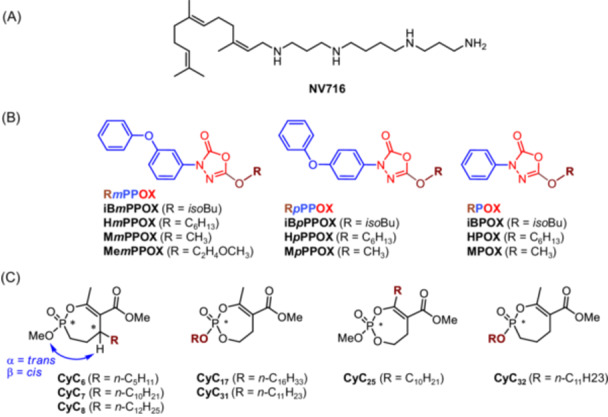 Figure 2
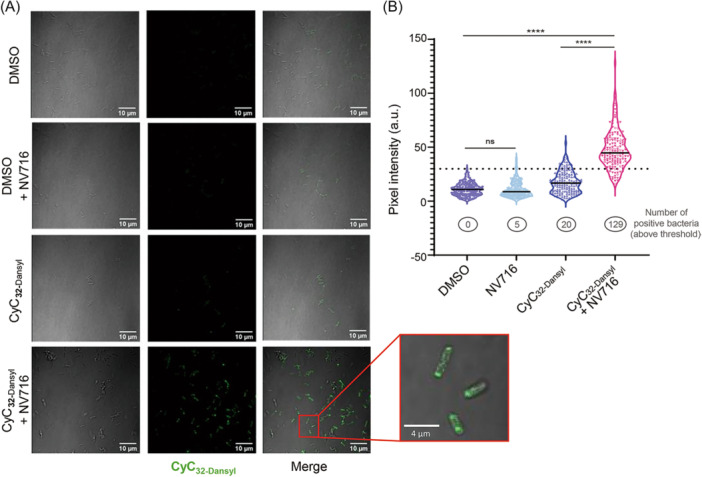 Figure 3
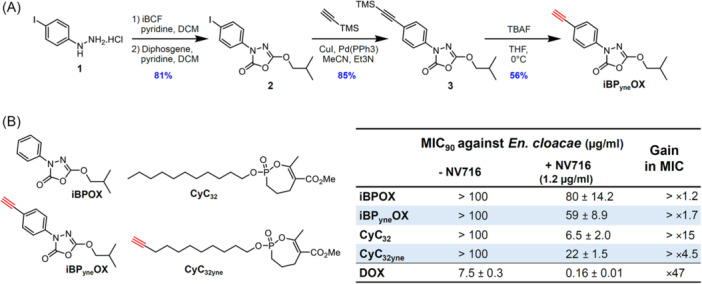 Figure 4
Peer Reviews
No public reviews on file for this paper yet. If you reviewed it on a platform where reviews are public (OpenReview, ICLR, NeurIPS, ICML), you can paste yours below so the community can read it here.
Videos
No videos yet. Explain this paper in a talk, walkthrough, or lecture? Add one.
Taxonomy
TopicsAntimicrobial Peptides and Activities · Bacteriophages and microbial interactions · Antimicrobial agents and applications