Tumor cell spheroid-induced suppression of primary human cytotoxic T cells as a scalable in vitro model of exhaustion
Amal Alsubaiti, Hanin Alamir, Lan Huynh, Tressan Grant, Abdullah Aljohani, Po Han Chou, Yiwei Shi, Maryam Alismail, Lydia R Mason, Andrew Herman, John S Bridgeman, Christopher J Holland, Christoph Wülfing

TL;DR
This study presents a scalable in vitro model to generate and characterize exhausted human cytotoxic T cells, resembling those found in tumors, for use in therapeutic development.
Contribution
A novel 3D culture method to generate and study suppressed primary human CTL in vitro, mimicking tumor-induced exhaustion.
Findings
In vitro generated suppressed CTL closely resemble exhausted tumor-infiltrating CTL in phenotype and function.
Suppression destabilizes CTL-tumor cell interactions, impacting effector function.
The model allows systematic study of CTL function under varying antigen doses and TCR affinities.
Abstract
Cytotoxic T lymphocytes (CTL) are key effectors in the antitumor immune response. However, their function is commonly suppressed in tumors in the form of exhausted CTL. Understanding mechanisms of suppression and of therapeutics to overcome them is of substantial basic and translational importance yet hindered by limited access to large numbers of exhausted CTL in vitro. Here we use three-dimensional tissue culture to generate primary human CTL with suppressed function. Using functional assays, a 21-antibody flow cytometry panel and determination of calcium signaling and CTL tumor cell couple maintenance, we have characterized their phenotype. We show that these cells closely resemble exhausted CTL from tumors. For a better understanding of in vitro human primary CTL as key tools in therapeutic development, before and after induction of suppression, we have determined the dependence…
Genes, proteins, chemicals, diseases, species, mutations and cell lines named across the full text — each resolved to its canonical identifier and authoritative record.
Click any figure to enlarge with its caption.
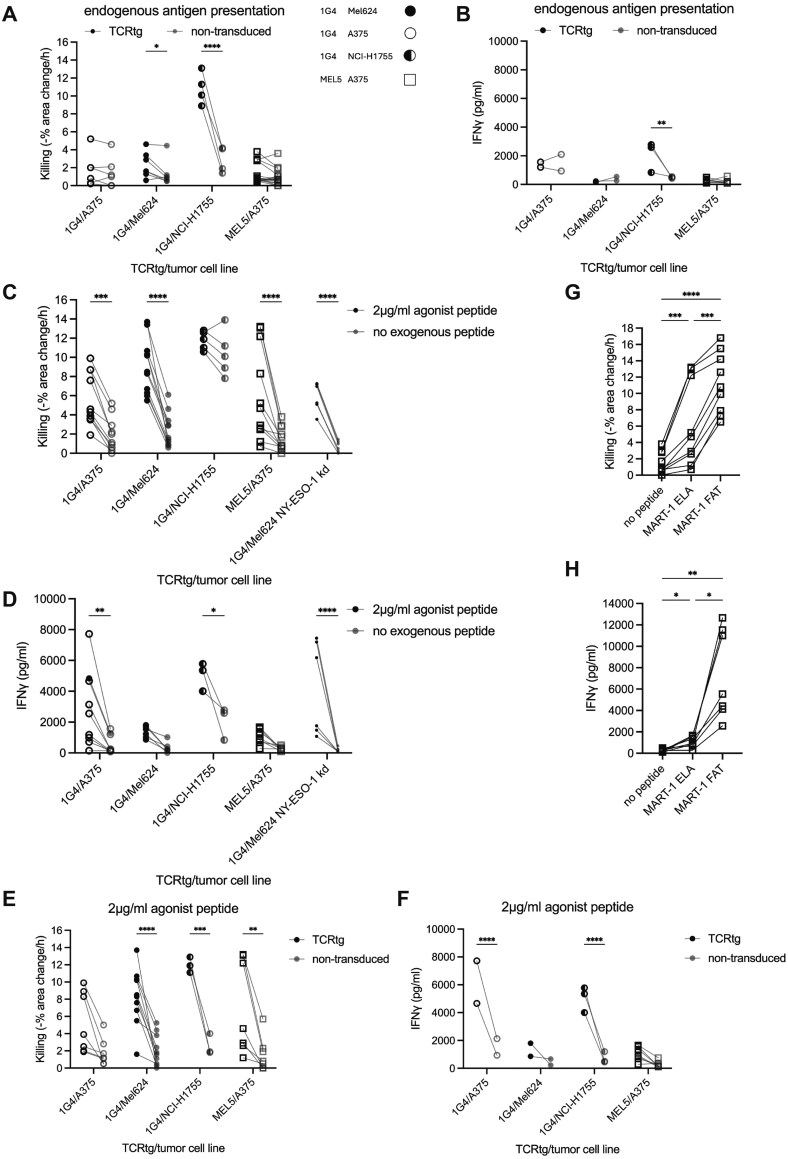 Figure 1
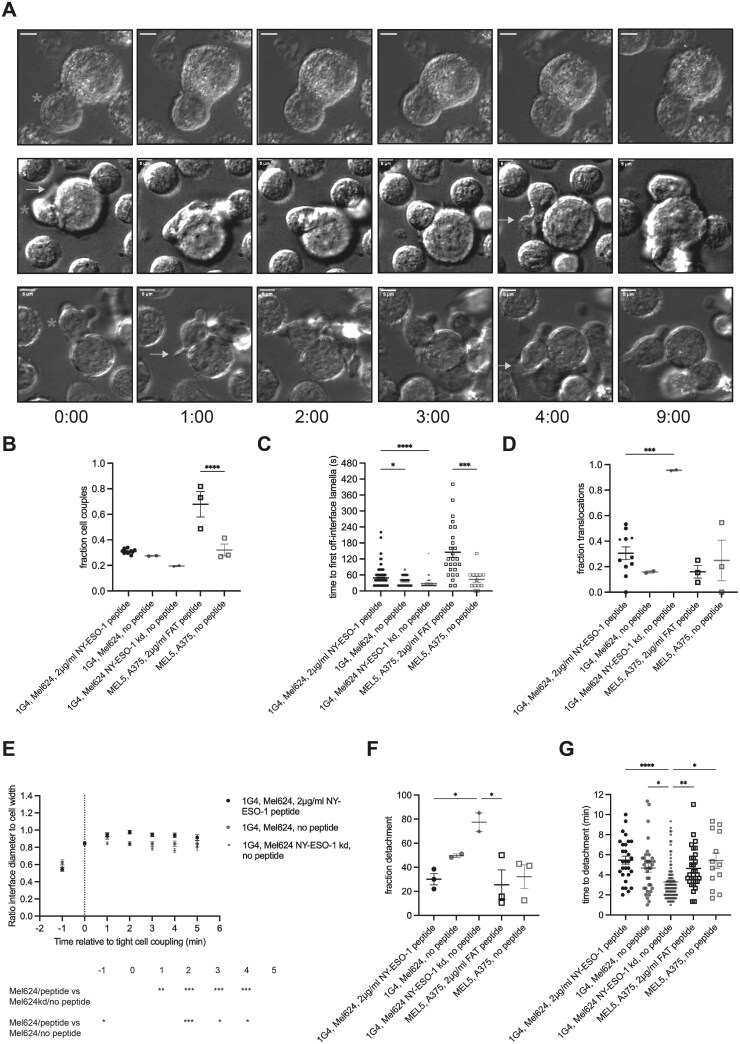 Figure 2
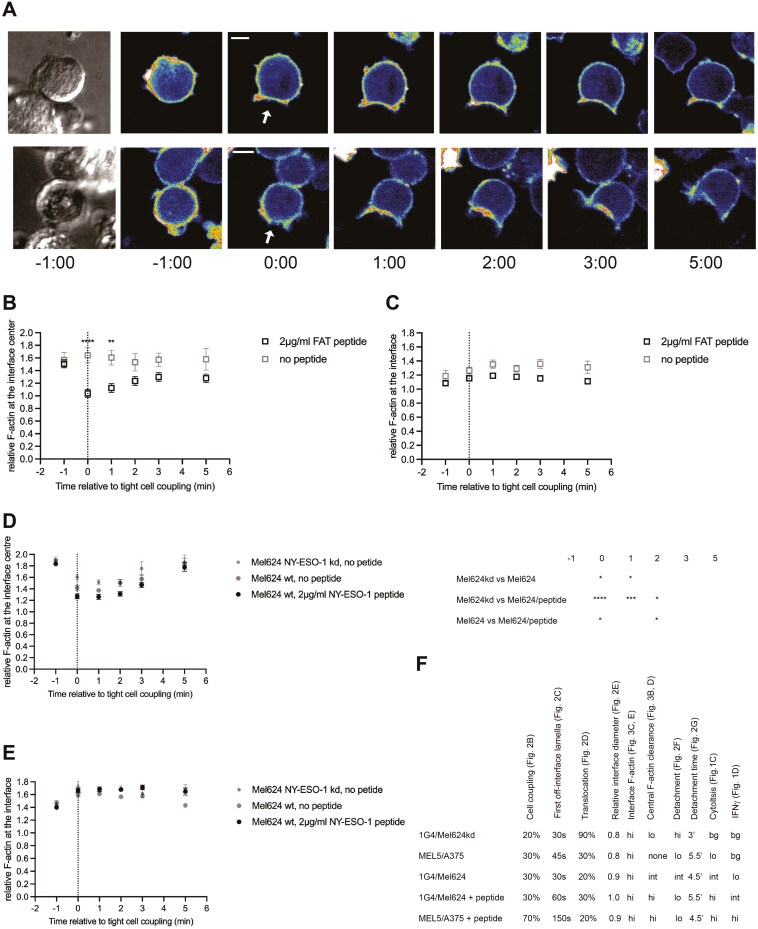 Figure 3
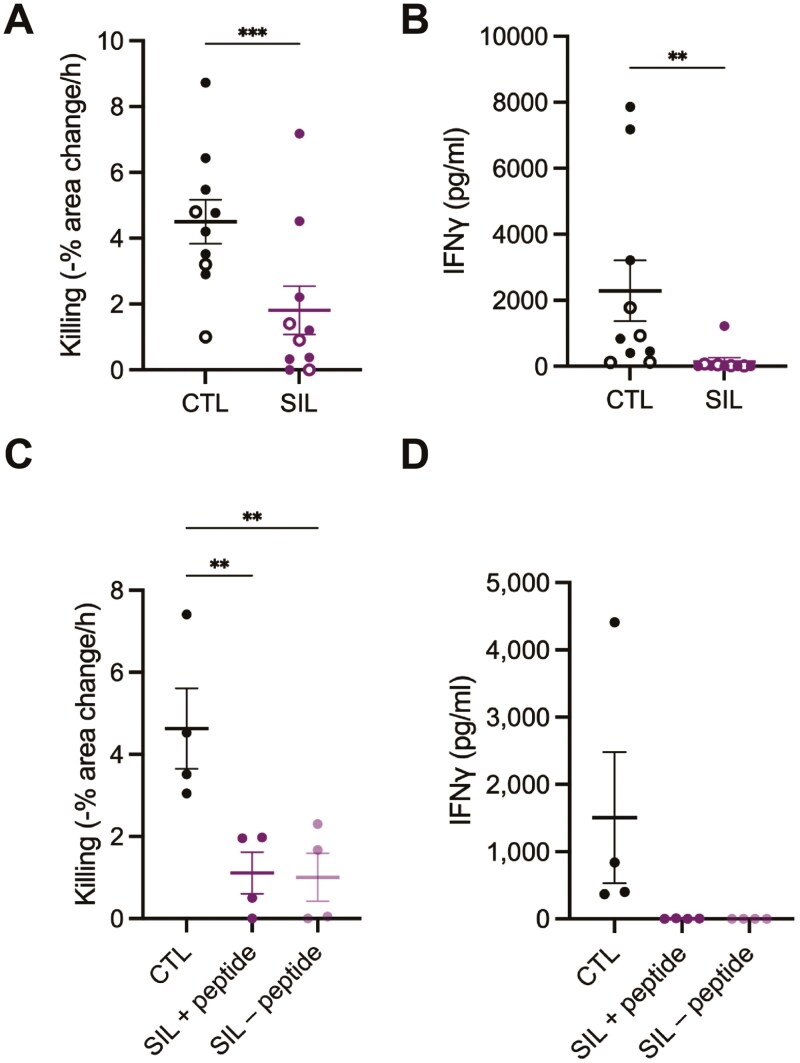 Figure 4
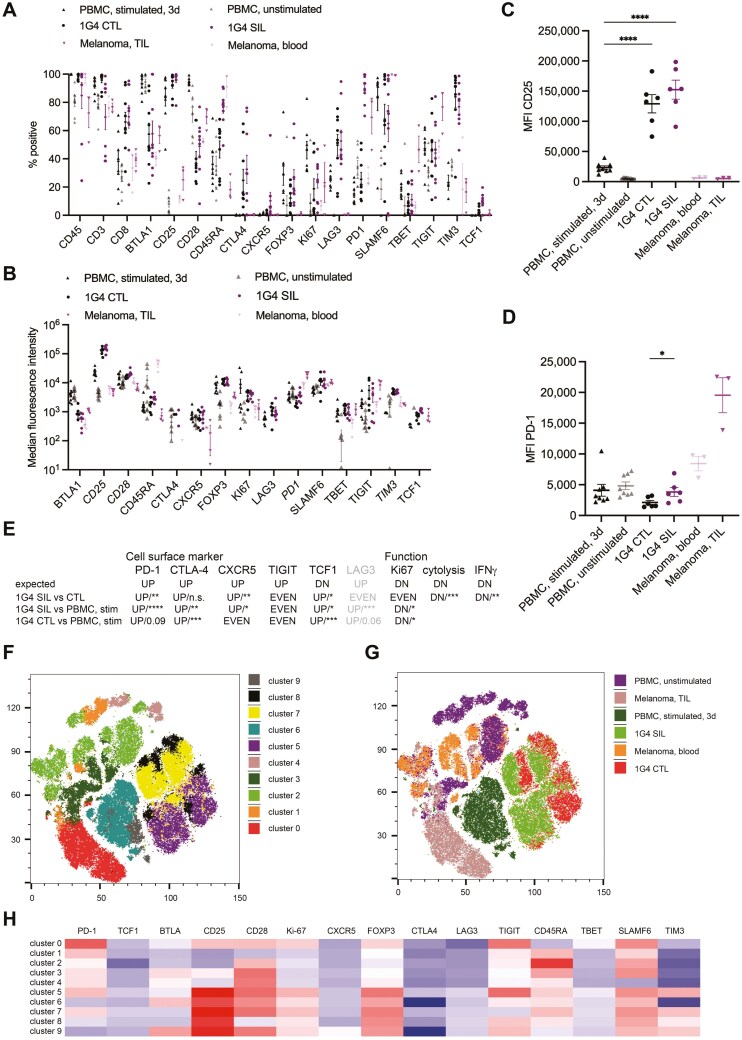 Figure 5
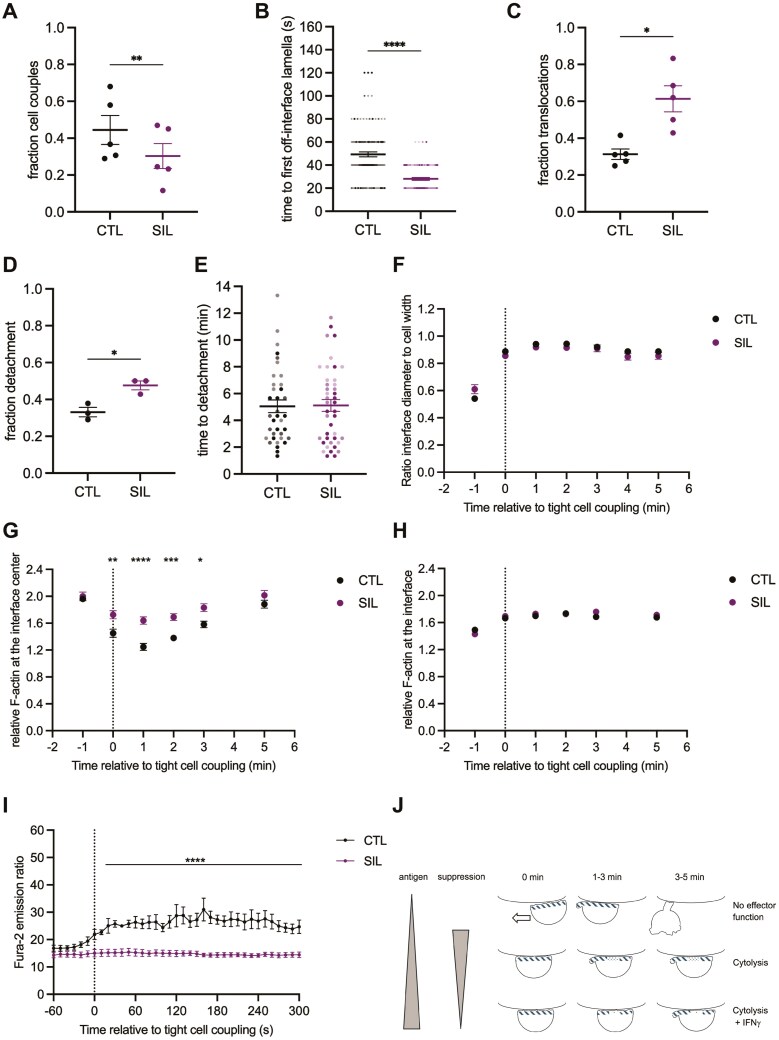 Figure 6
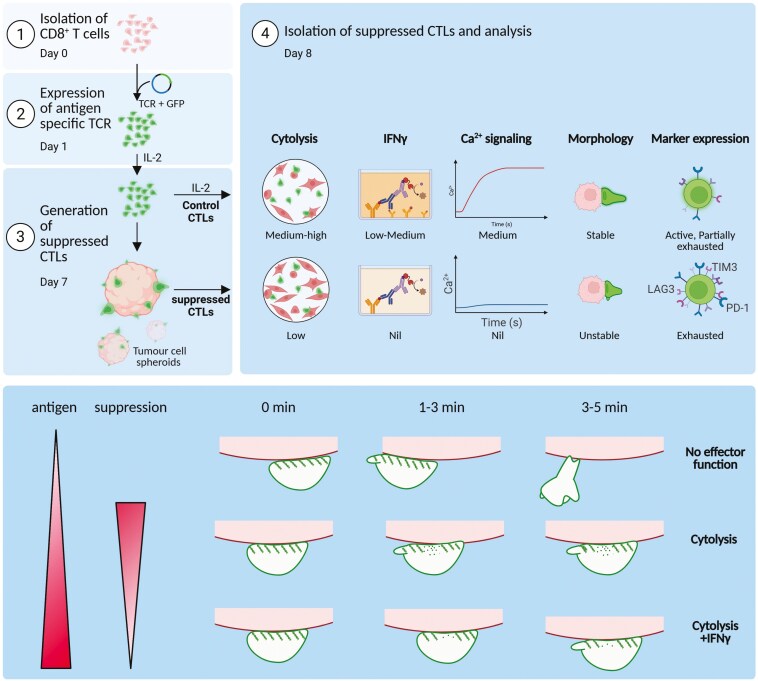 Figure 1
Peer Reviews
No public reviews on file for this paper yet. If you reviewed it on a platform where reviews are public (OpenReview, ICLR, NeurIPS, ICML), you can paste yours below so the community can read it here.
Videos
No videos yet. Explain this paper in a talk, walkthrough, or lecture? Add one.
Taxonomy
TopicsImmune Cell Function and Interaction · Immunotherapy and Immune Responses · T-cell and B-cell Immunology