Characterization and phylogenetic analysis of the complete chloroplast genome of Cordia subcordata Lamarck 1899, a protected plant in China
Mingzhong Liu, Hui Zhang, Wen Tang, Zhenyang Gao, Muqiu Zhao, Yunfeng Shi

TL;DR
This paper reports the full chloroplast genome of Cordia subcordata, a protected plant in China, and its evolutionary relationships with other species.
Contribution
The study presents the first complete chloroplast genome sequence and phylogenetic analysis of Cordia subcordata.
Findings
The chloroplast genome is 154,811 bp long with 133 genes, including 88 protein-coding genes.
Phylogenetic analysis shows Cordia subcordata clusters closely with other Cordia species.
The genome is distinct from related genera like Ehretia and Heliotropium in the Boraginaceae family.
Abstract
This study provides the first comprehensive analysis of the chloroplast genome of Cordia subcordata, a protected species in China, native to Malesia and widely distributed along the Pacific and Indian Oceans. The genome is 154,811 bp long, circular, with a 38.01% GC content, encoding 133 genes: 88 protein-coding, 37 tRNA, and 8 rRNA genes. Phylogenetic analysis reveals it clusters with other Cordia species and is distinct from genera like Ehretia and Heliotropium, highlighting significant diversification within the Boraginaceae family.
Genes, proteins, chemicals, diseases, species, mutations and cell lines named across the full text — each resolved to its canonical identifier and authoritative record.
Click any figure to enlarge with its caption.
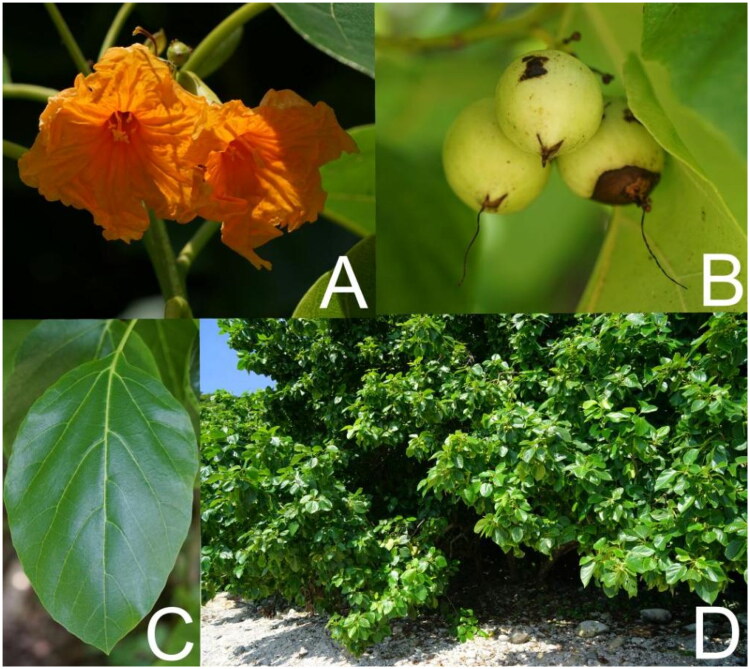 Figure 1
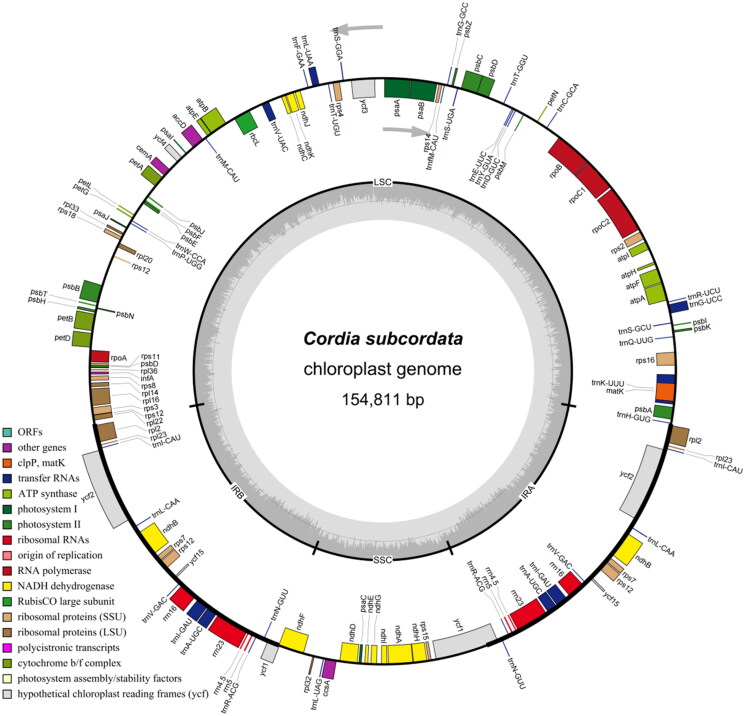 Figure 2
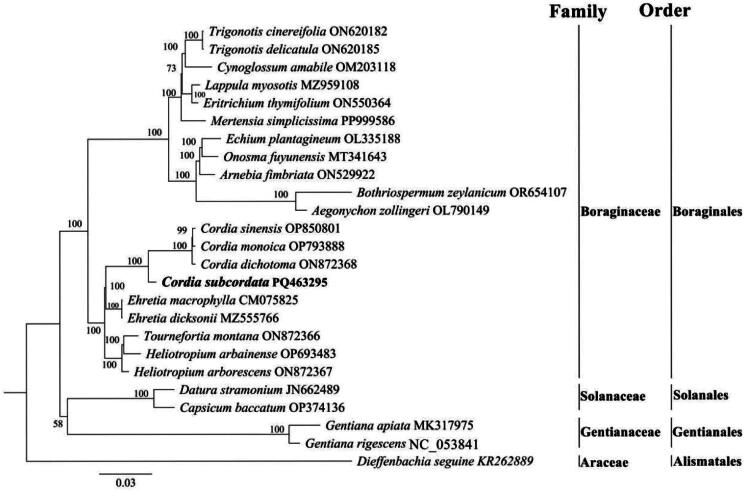 Figure 3
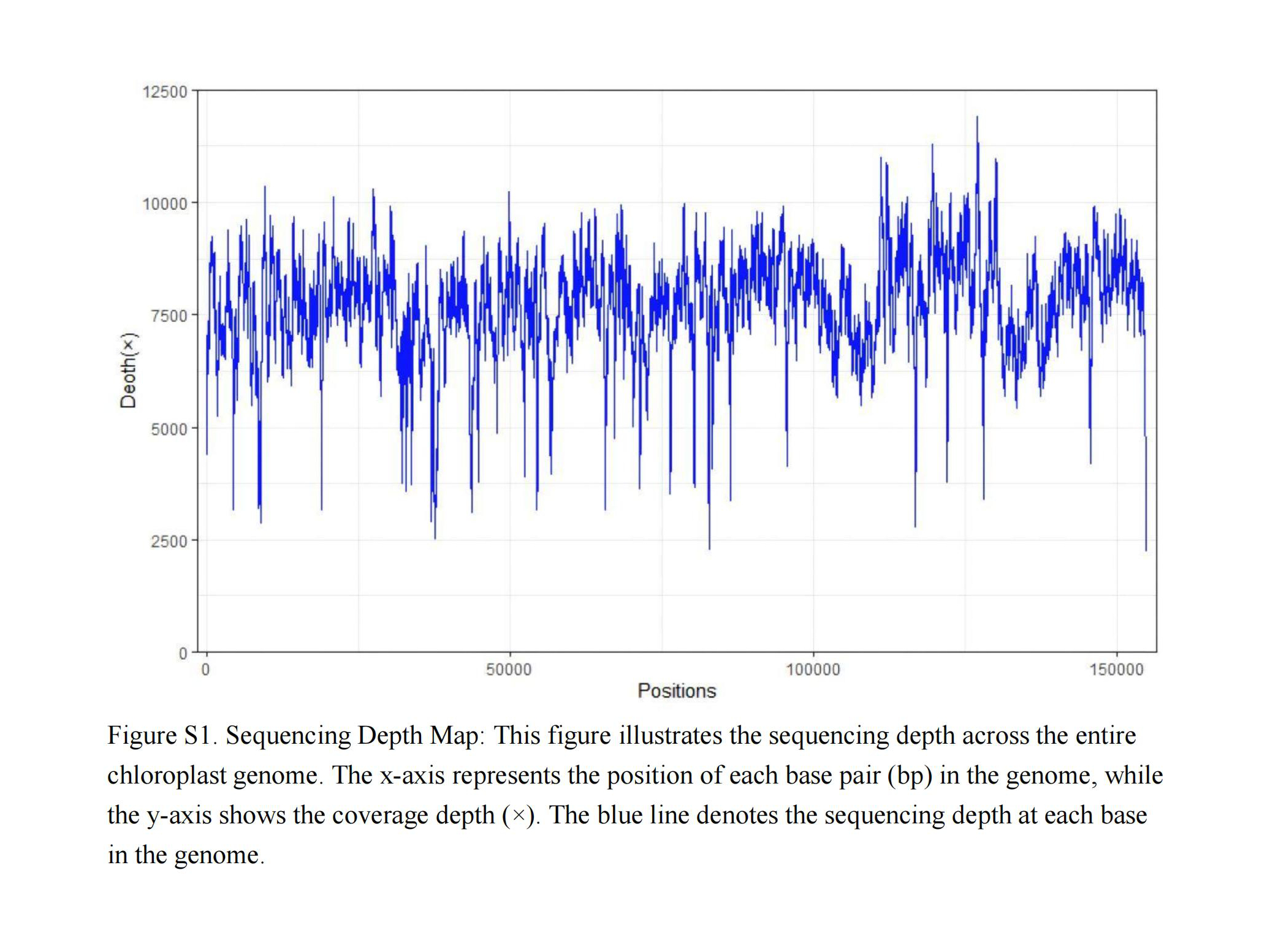 Figure 4
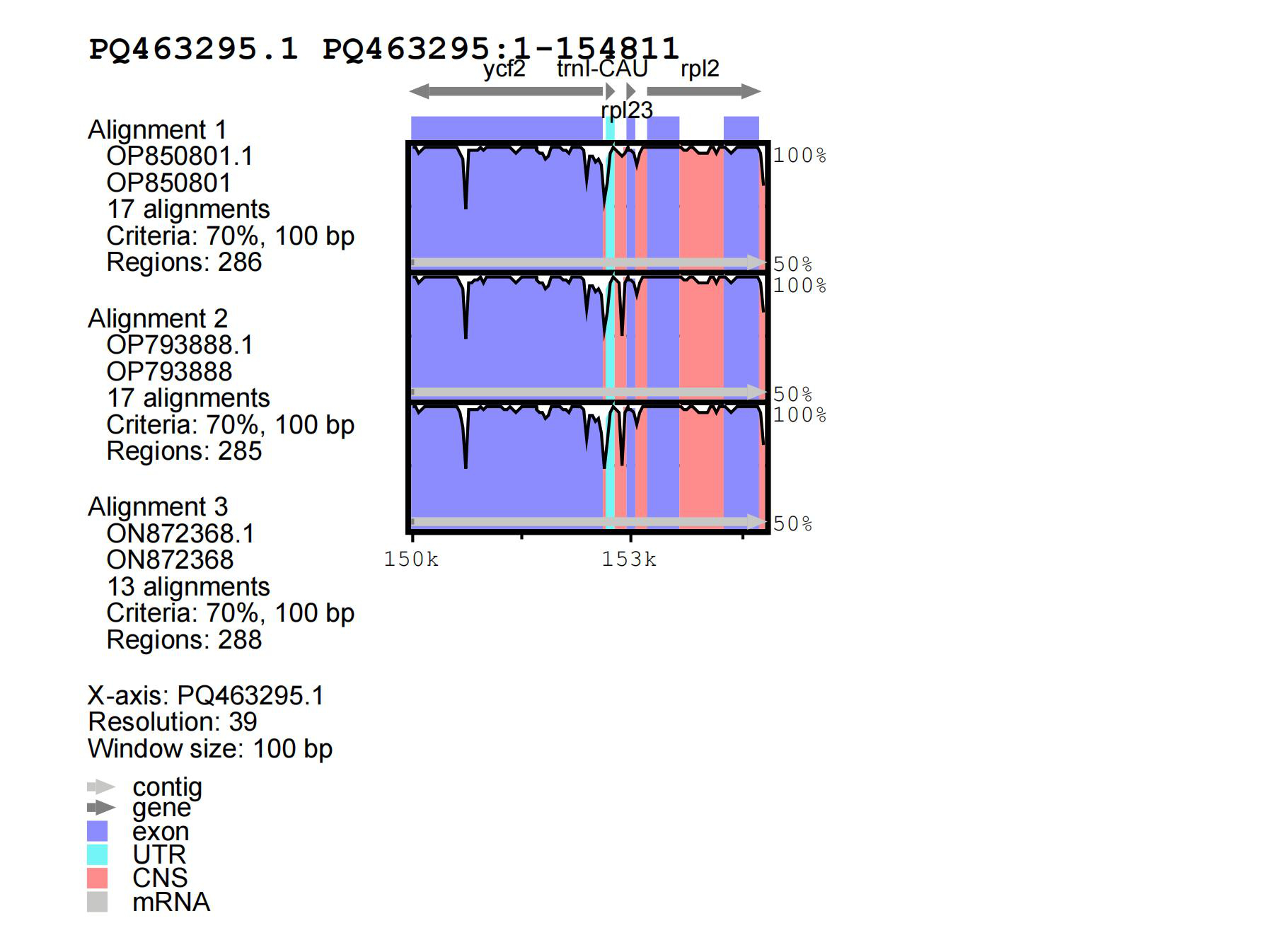 Figure 5
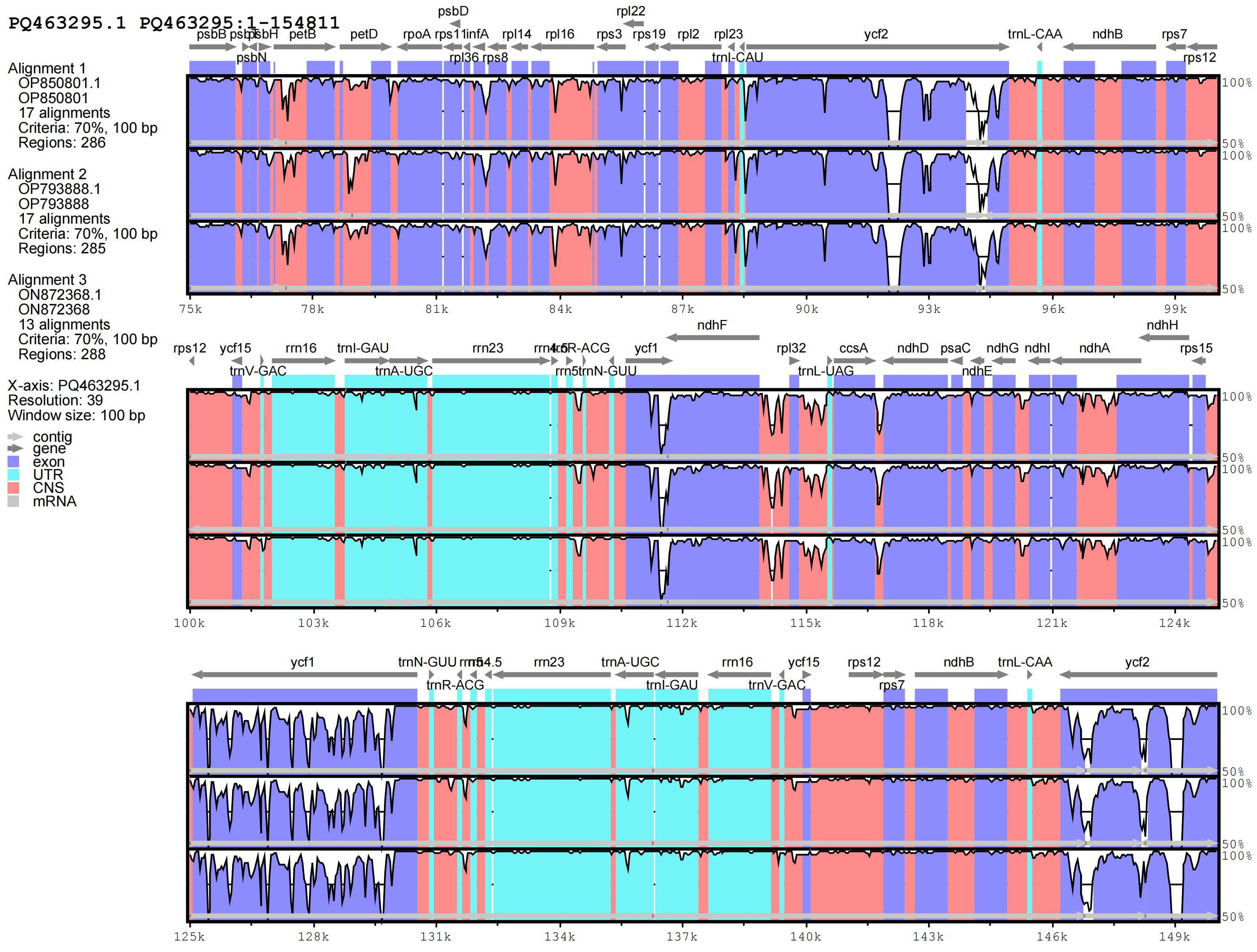 Figure 6
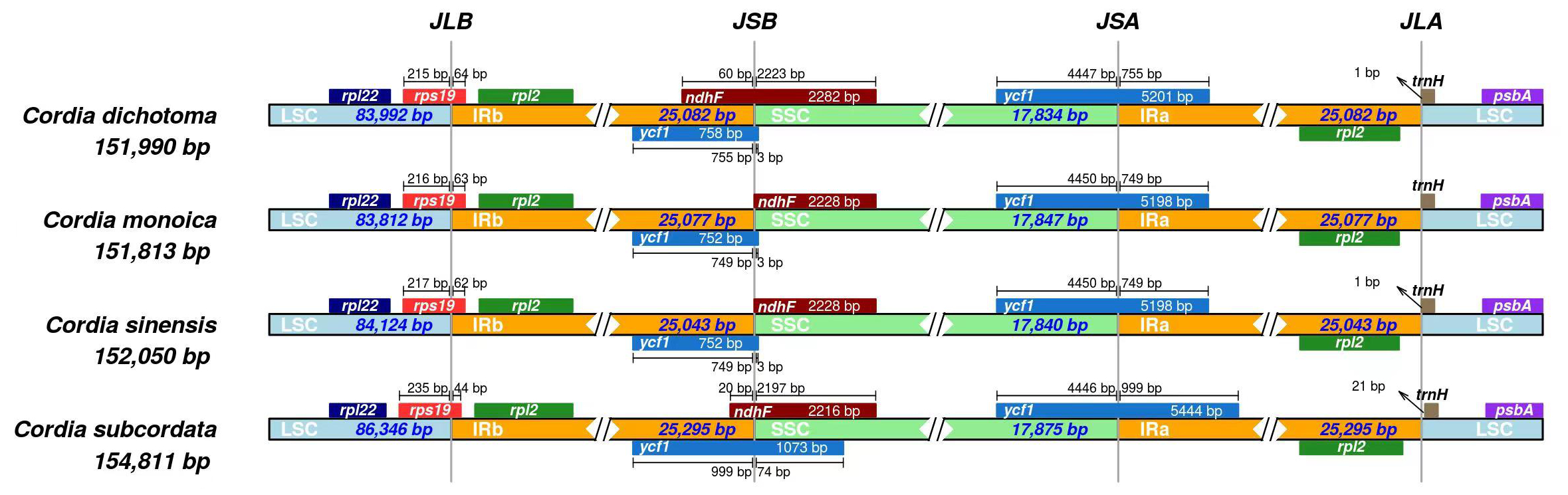 Figure 7
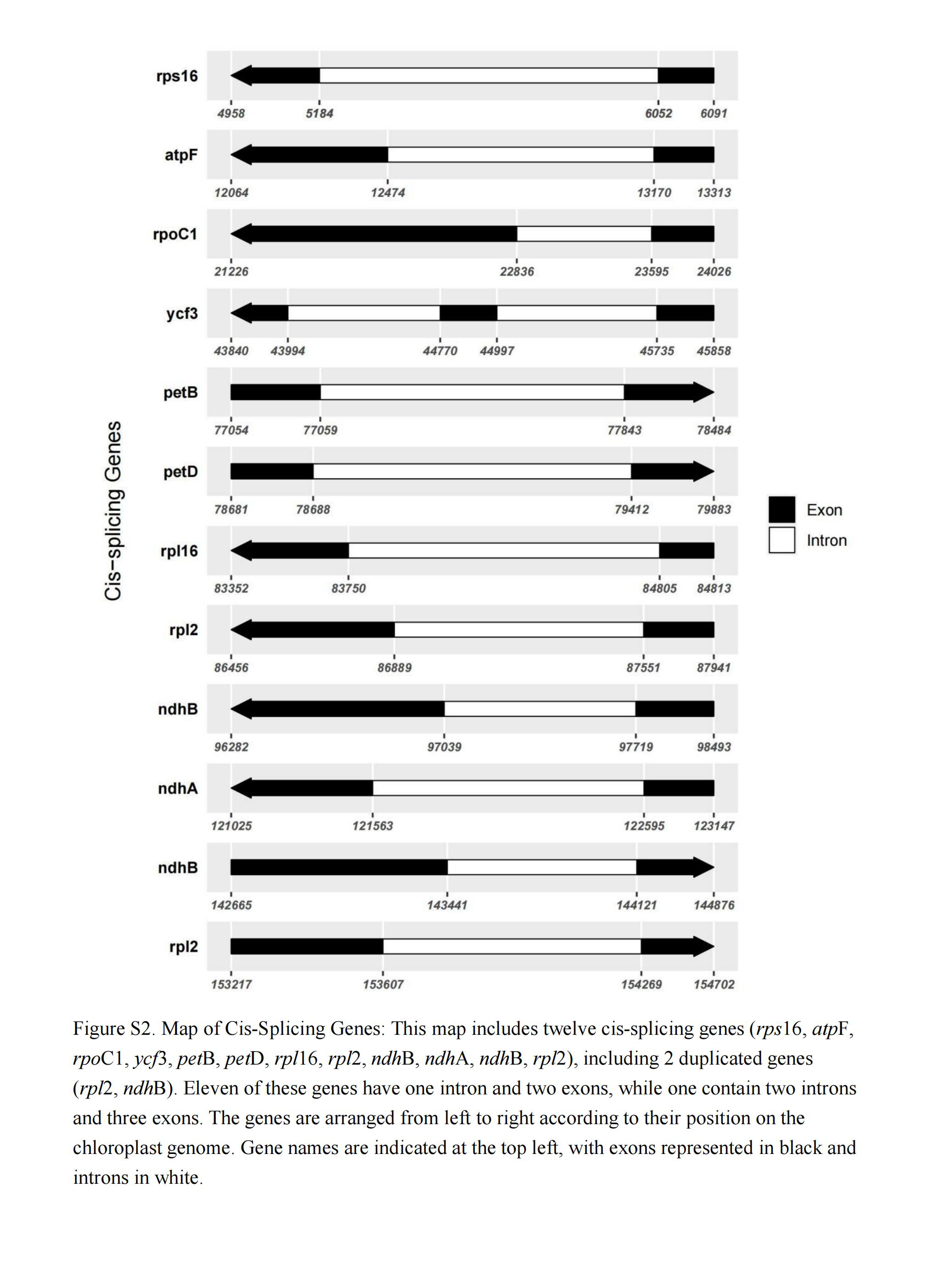 Figure 8
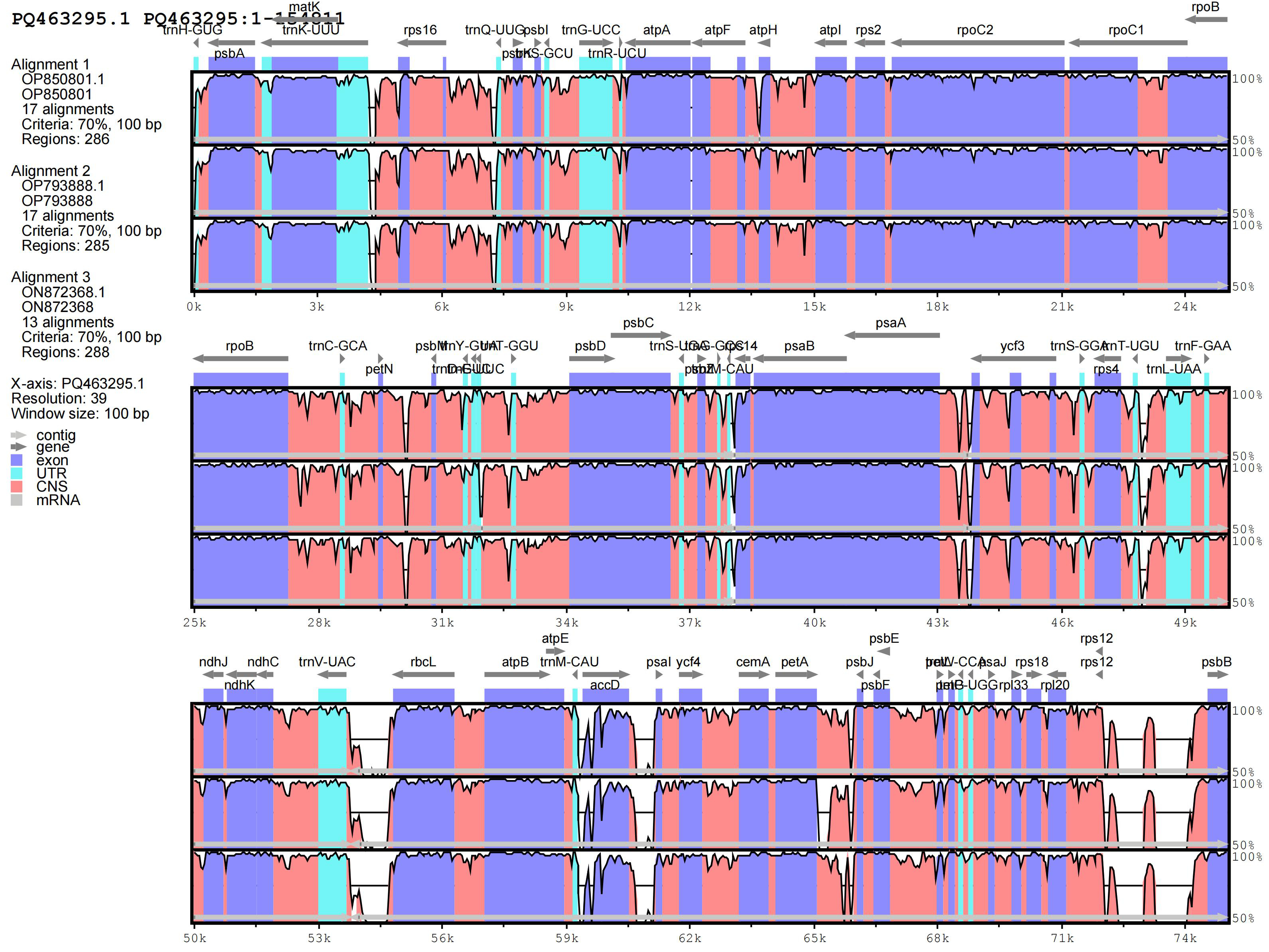 Figure 9
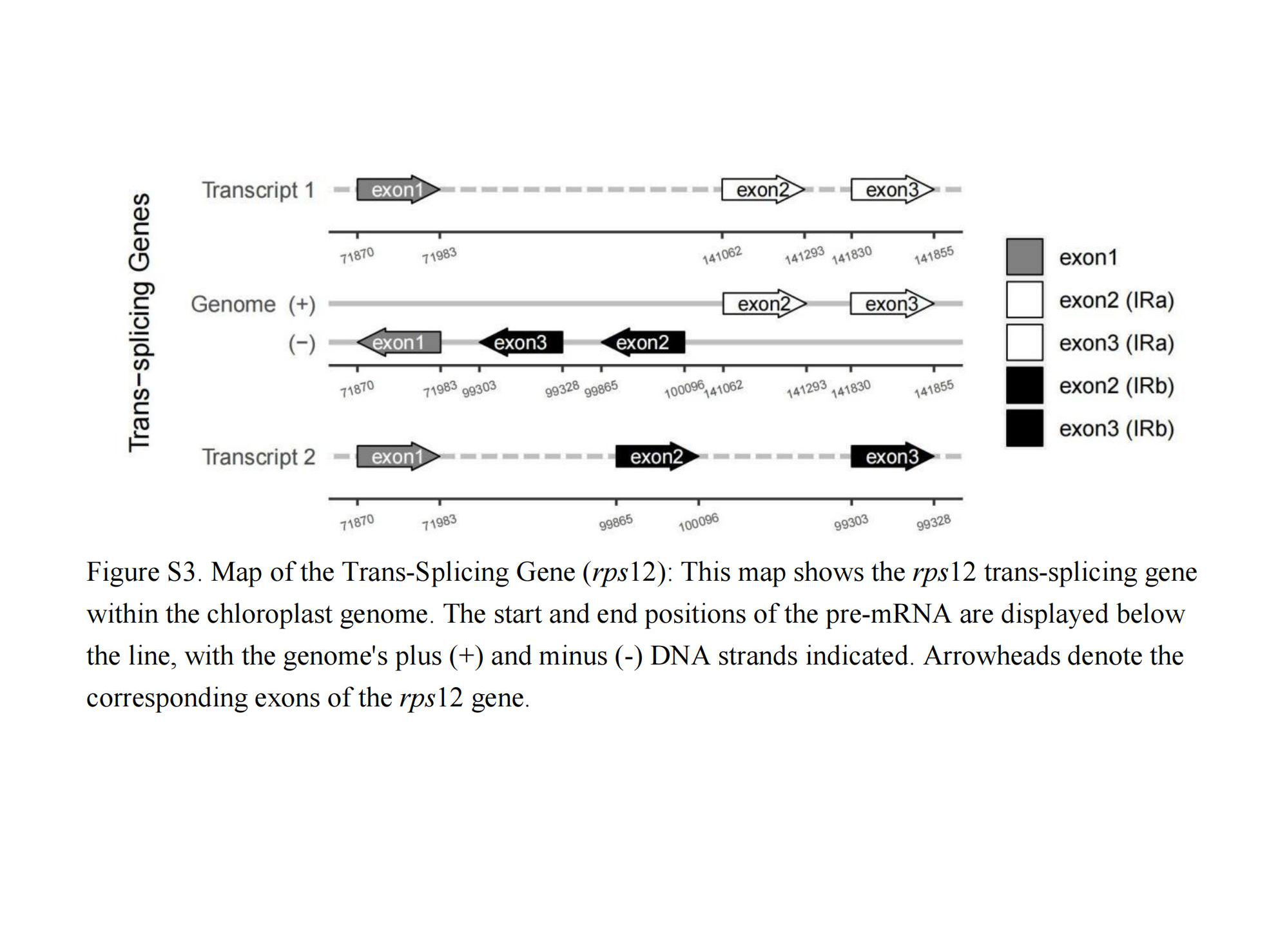 Figure 10
Peer Reviews
No public reviews on file for this paper yet. If you reviewed it on a platform where reviews are public (OpenReview, ICLR, NeurIPS, ICML), you can paste yours below so the community can read it here.
Videos
No videos yet. Explain this paper in a talk, walkthrough, or lecture? Add one.
Taxonomy
TopicsGenomics and Phylogenetic Studies · Plant and Fungal Species Descriptions · Plant Diversity and Evolution