Quantitative Modeling of Polaritonic Emission Using the Source Term Method
Rahul Bhuyan, Maksim Lednev, Clara Schäfer, Johannes Feist, Karl Börjesson

TL;DR
This paper introduces a new model to simulate polaritonic emission, validated through experiments with a BODIPY derivative in an optical cavity.
Contribution
The study presents a quantitative model using the source term method to effectively simulate and compare polaritonic emission data.
Findings
The source term method successfully simulated polaritonic emission in the ultrastrong coupling regime.
A BODIPY derivative in an optical cavity showed a collapse of polaritonic line width, indicating ideal polaritons.
Emission in transverse electric and magnetic polarizations was spectrally resolved and matched simulations.
Abstract
Strong exciton-photon coupling leads to the formation of hybrid states, polaritons, with properties different from those of their constituents, making it a valuable tool for modifying the physical and chemical properties of organic and inorganic materials. Despite its potential, the field lacks a fundamental understanding of the photophysics involved and the ability to model experimental data effectively. In this study, we quantitatively simulate polaritonic emission using the source term method. This model assumes that each molecular dipole in the exciton reservoir emits as it would in free space, into the optical environment formed by the polaritons. To benchmark theory with experiments, a BODIPY derivative containing a suitable amount of steric bulk was synthesized. Neat films of this molecule exhibited close to unperturbed absorption and emission envelopes compared to dilute…
Genes, proteins, chemicals, diseases, species, mutations and cell lines named across the full text — each resolved to its canonical identifier and authoritative record.
Click any figure to enlarge with its caption.
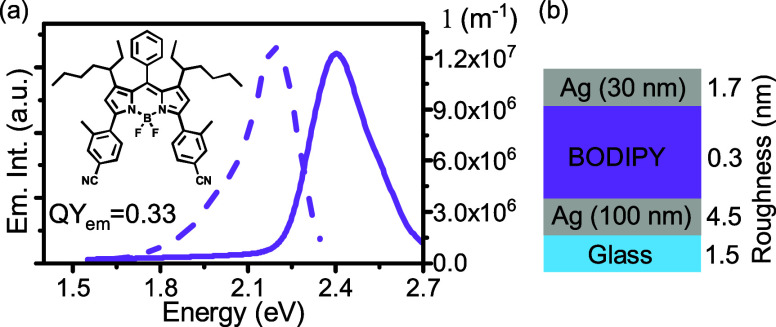 Figure 1
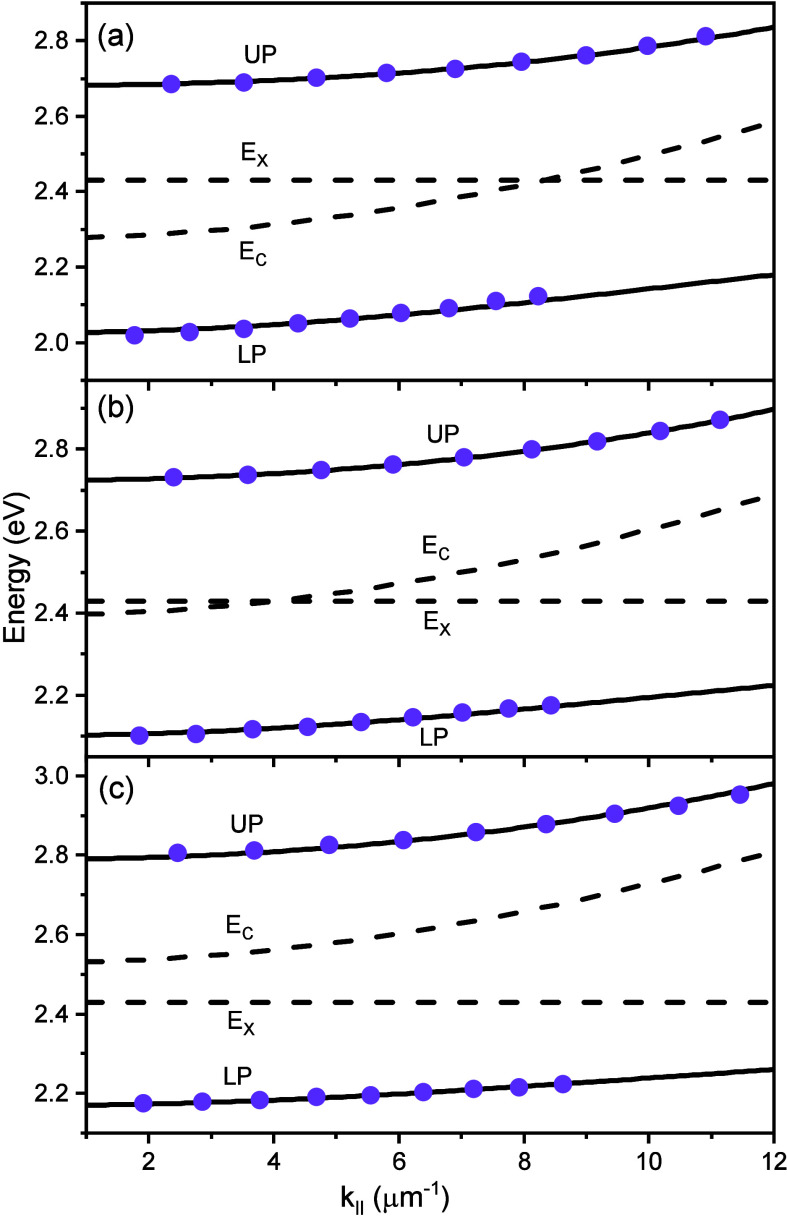 Figure 2
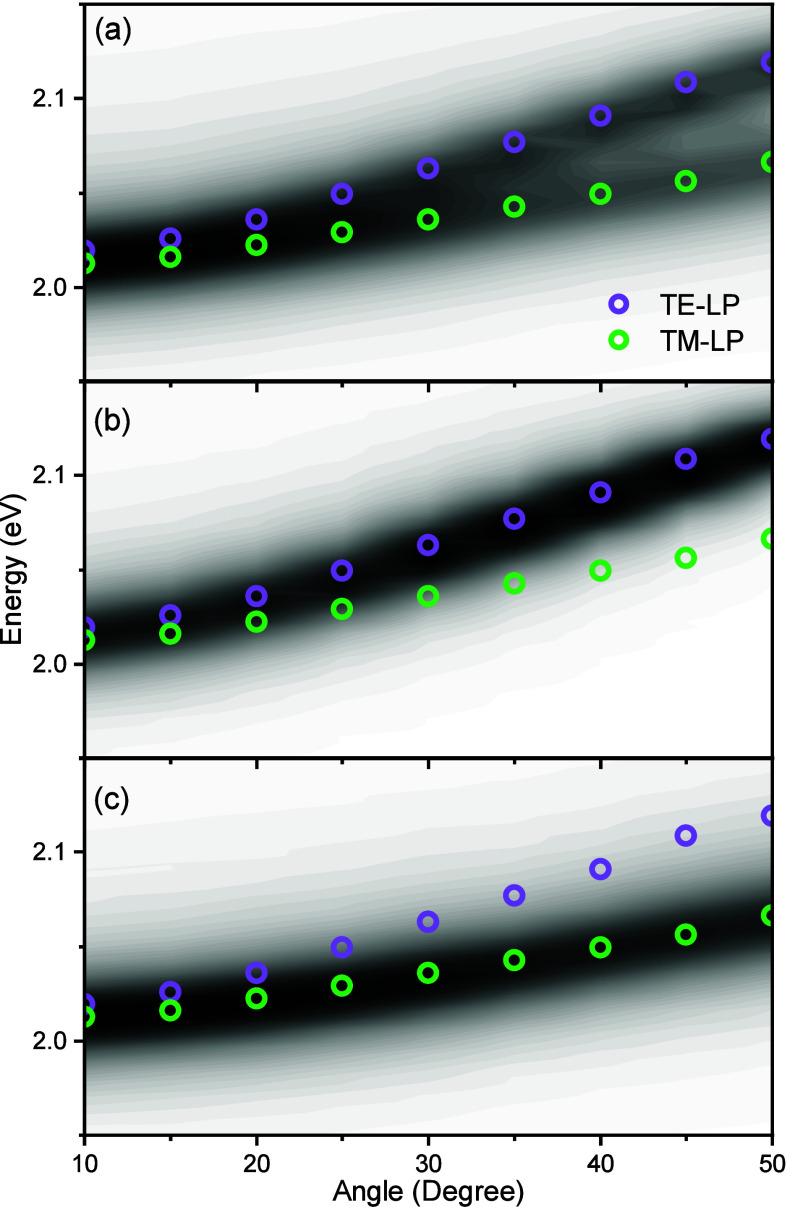 Figure 3
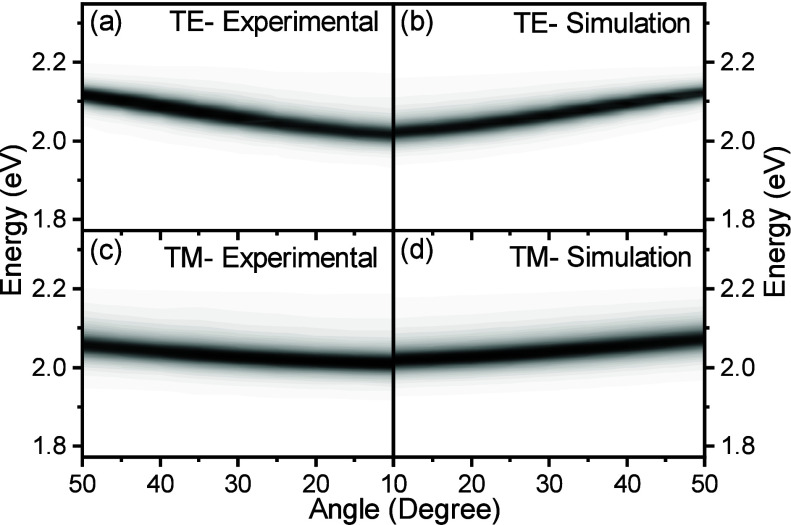 Figure 4
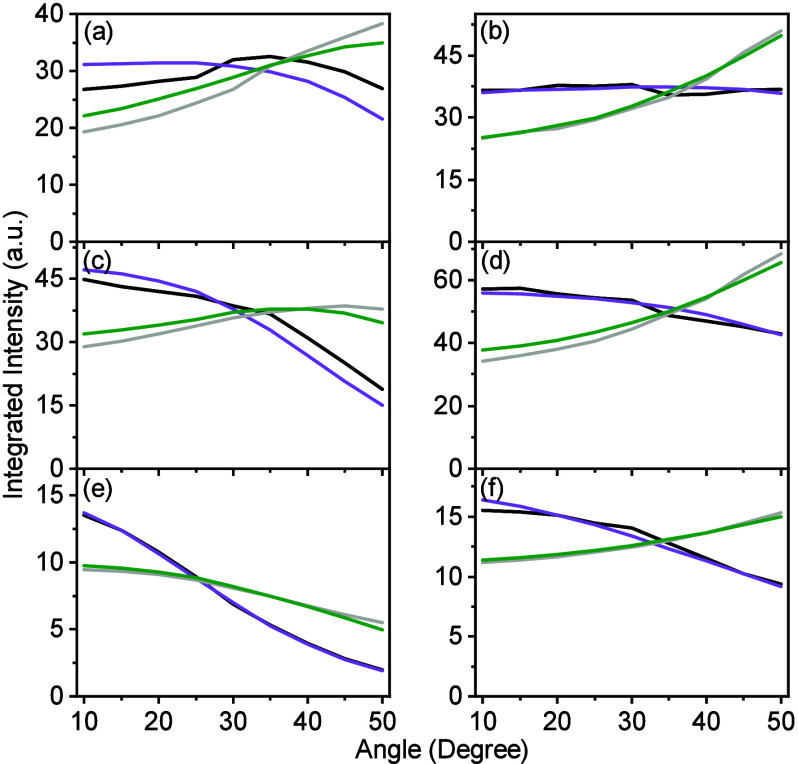 Figure 5
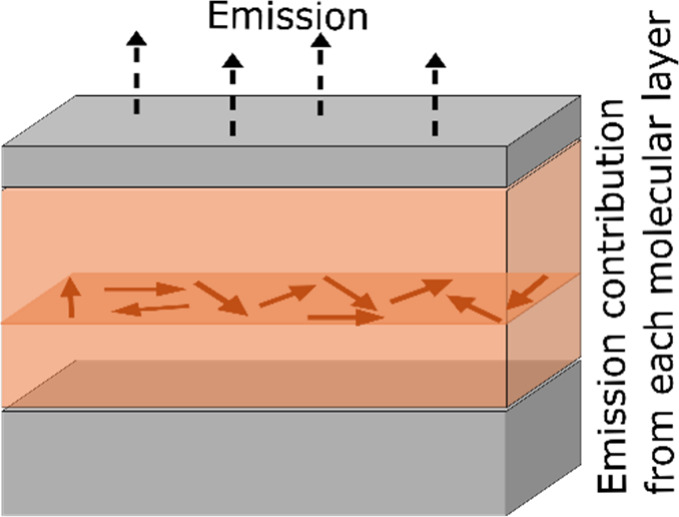 Figure 6
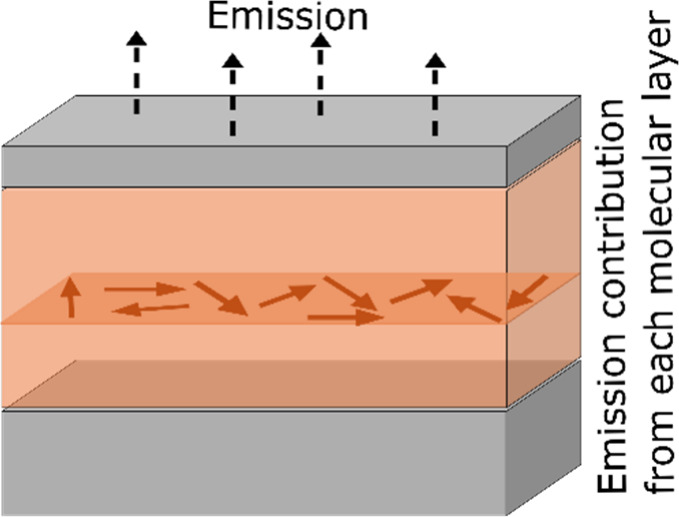 Figure 7
 Figure 8
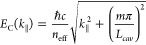 Figure 9
 Figure 10
 Figure 11
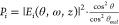 Figure 12
Peer Reviews
No public reviews on file for this paper yet. If you reviewed it on a platform where reviews are public (OpenReview, ICLR, NeurIPS, ICML), you can paste yours below so the community can read it here.
Videos
No videos yet. Explain this paper in a talk, walkthrough, or lecture? Add one.
Taxonomy
TopicsStrong Light-Matter Interactions · Thermal Radiation and Cooling Technologies · Quantum Electrodynamics and Casimir Effect