Methods to Explore Changes in the Extent of Habitat Provided by Ceratophyllum demersum Shoots for Epiphytic Organisms in Changing Environments
Kitti Németh, Attila I. Engloner

TL;DR
This study develops methods to measure and estimate the surface area of the submerged plant Ceratophyllum demersum, which provides habitat for epiphytic organisms, and shows how it changes in different environments.
Contribution
The paper introduces practical methods to calculate or estimate the surface area of C. demersum shoots for ecological and environmental applications.
Findings
The total surface area of C. demersum shoots ranged from 147 to 313 cm², with the largest plant reaching 3352 cm².
Shoot length and fresh weight strongly correlate with total surface area, enabling easy estimation of habitat changes.
Variability in internode number and length drives morphological diversity in C. demersum.
Abstract
In aquatic environments, the surface of submerged plants provides extensive habitat for a variety of epiphytic organisms; however, appropriate methods to determine this quantity and its changes related to altering environmental conditions are lacking. In this study, we examined one of the most morphologically complex, worldwide distributed submerged macrophytes, Ceratophyllum demersum . After exploring the morphological diversity of this plant in various aquatic habitats and accurately measuring its total surface area, we proposed methods to easily calculate or estimate this trait, either based on variables that can be recorded in the field without damaging the plants or on data obtained from the literature. The total plant surface area of the examined shoots with an average total length of 73–143 cm and 28–63 internodes was 147–313 cm2; the largest entire plant included in this study…
Genes, proteins, chemicals, diseases, species, mutations and cell lines named across the full text — each resolved to its canonical identifier and authoritative record.
Click any figure to enlarge with its caption.
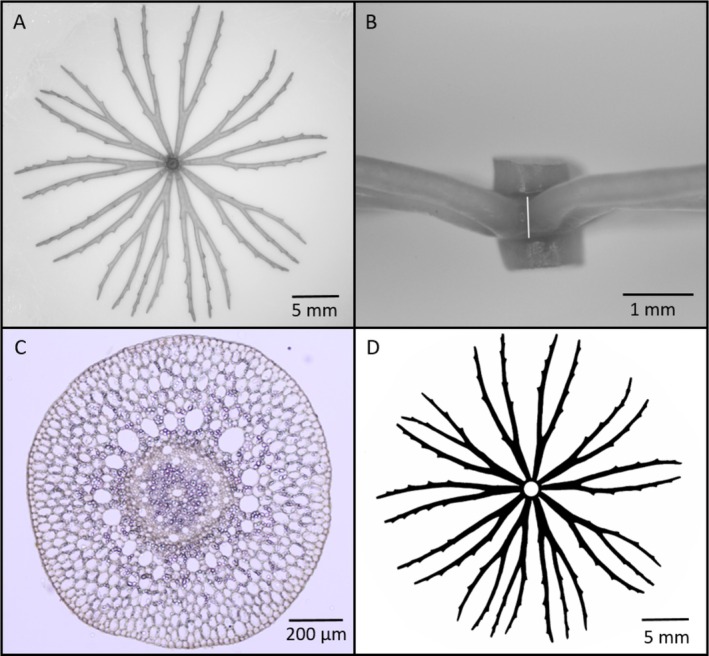 Figure 1
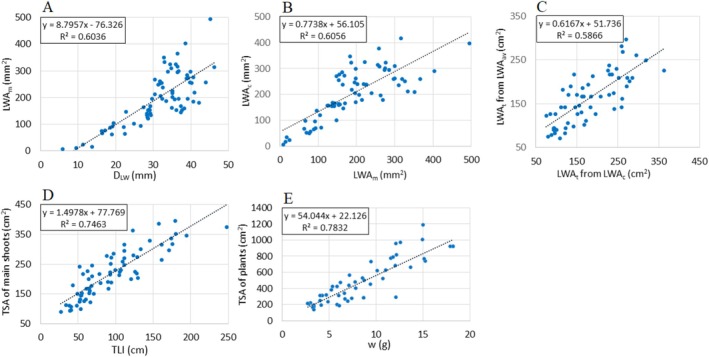 Figure 2
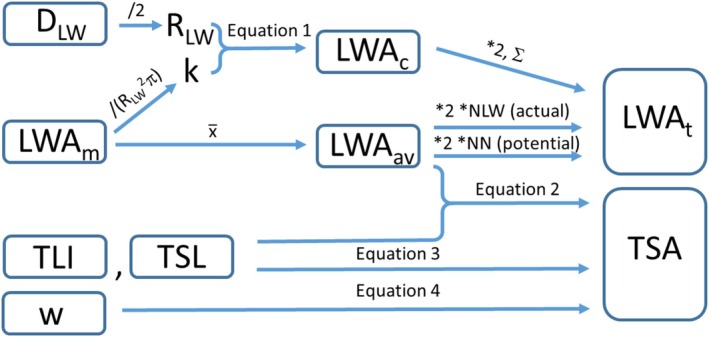 Figure 3
 Figure 4
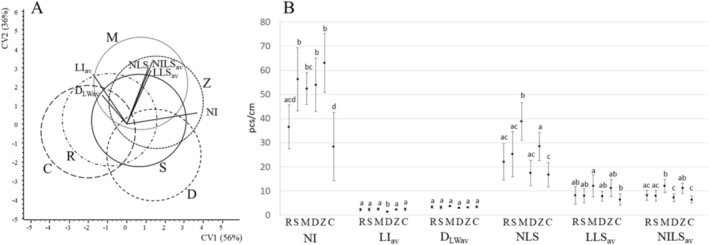 Figure 5
 Figure 6
Peer Reviews
No public reviews on file for this paper yet. If you reviewed it on a platform where reviews are public (OpenReview, ICLR, NeurIPS, ICML), you can paste yours below so the community can read it here.
Videos
No videos yet. Explain this paper in a talk, walkthrough, or lecture? Add one.
Taxonomy
TopicsAquatic Ecosystems and Phytoplankton Dynamics · Marine and coastal ecosystems · Biocrusts and Microbial Ecology