Impact of Baseline Anteroposterior Mitral Annular Dimensions on Clinical Outcomes after MitraClip for Secondary Mitral Regurgitation
Jason H. Rogers, Thomas W. Smith, Jeroen J. Bax, Federico M. Asch, D. Scott Lim, Ningyan Wong, Janani Aiyer, William T. Abraham, JoAnn Lindenfeld, Michael J. Mack, Gregg W. Stone, Steven F. Bolling

TL;DR
This study shows that a heart procedure called MitraClip improves outcomes for patients with heart failure and leaky heart valves, regardless of the size of a specific heart structure.
Contribution
The study demonstrates that MitraClip effectiveness is consistent across varying sizes of the anteroposterior mitral annular diameter.
Findings
MitraClip reduces mitral regurgitation and the risk of death or heart failure hospitalizations regardless of baseline anteroposterior mitral annular diameter.
Patients treated with MitraClip show improved functional capacity and quality of life at 2 years.
Larger anteroposterior mitral annular diameters predict worse outcomes in patients treated with medical therapy alone.
Abstract
In the randomized Cardiovascular Outcomes Assessment of the MitraClip Percutaneous Therapy for Heart Failure Patients with Functional Mitral Regurgitation (COAPT; NCT01626079) trial, mitral transcatheter edge-to-edge repair (M-TEER) improved clinical outcomes in patients with severe secondary mitral regurgitation (MR). A prior post hoc analysis from the COAPT trial showed that increasing anteroposterior mitral annular diameter (APMAD) was the sole independent echocardiographic predictor of the composite endpoint of death or heart failure hospitalizations (HFH) at 2 years. Given the relationship between the mitral annulus and leaflets, we examined the association of baseline APMAD with long-term clinical outcomes. COAPT patients (n = 575) were stratified into tertiles by baseline APMAD as follows: small APMAD, medium APMAD, and large APMAD. APMAD was measured in the anteroposterior…
Genes, proteins, chemicals, diseases, species, mutations and cell lines named across the full text — each resolved to its canonical identifier and authoritative record.
Click any figure to enlarge with its caption.
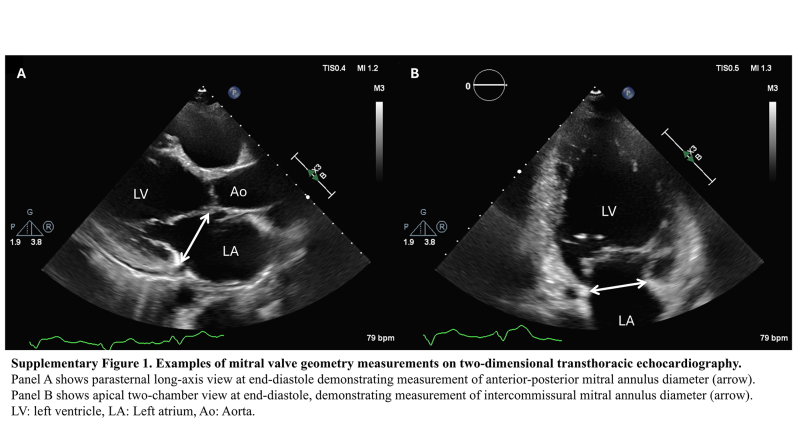 Figure 1
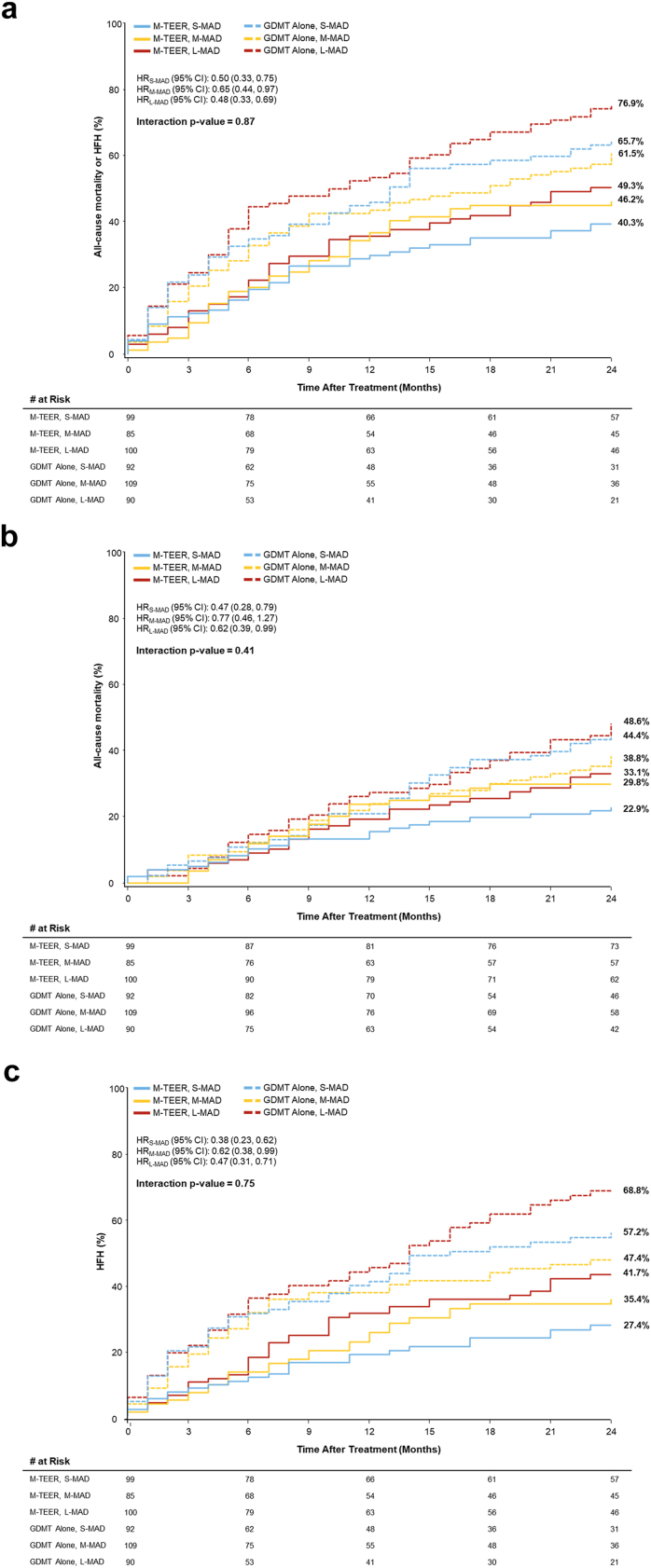 Figure 2
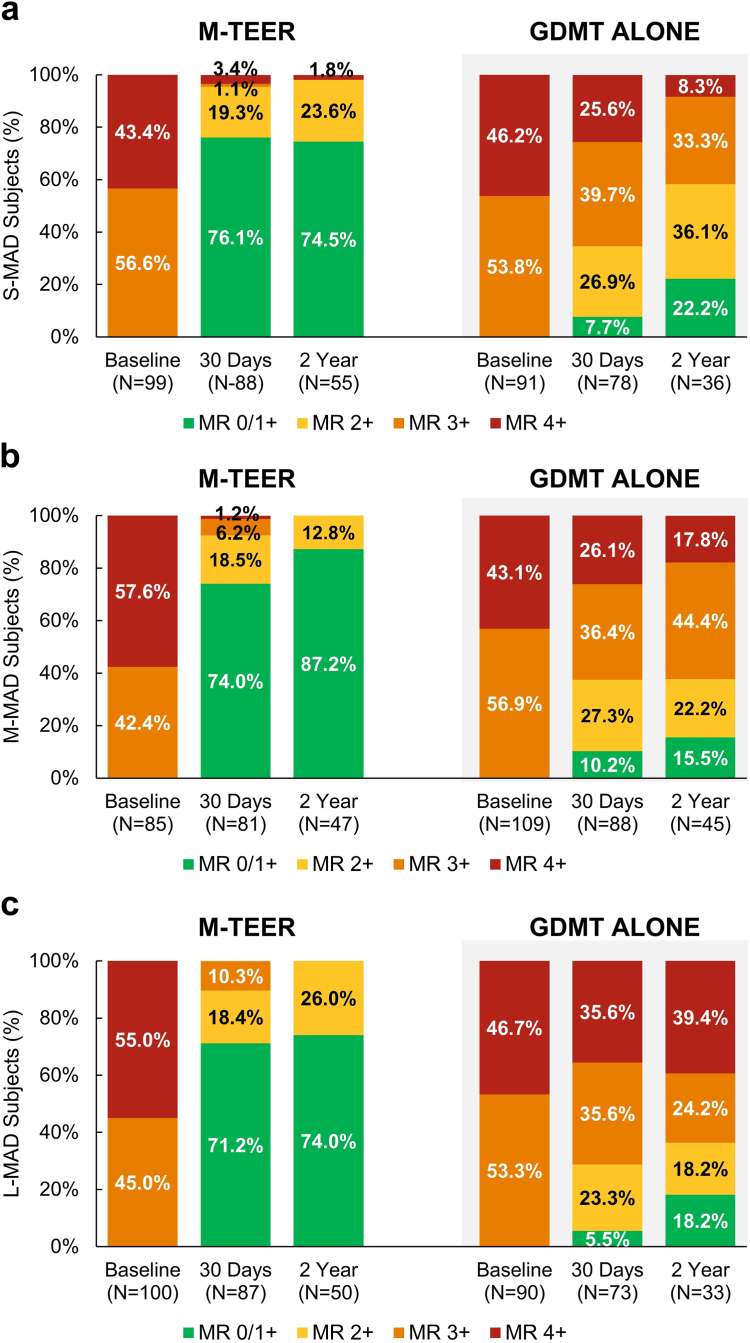 Figure 3
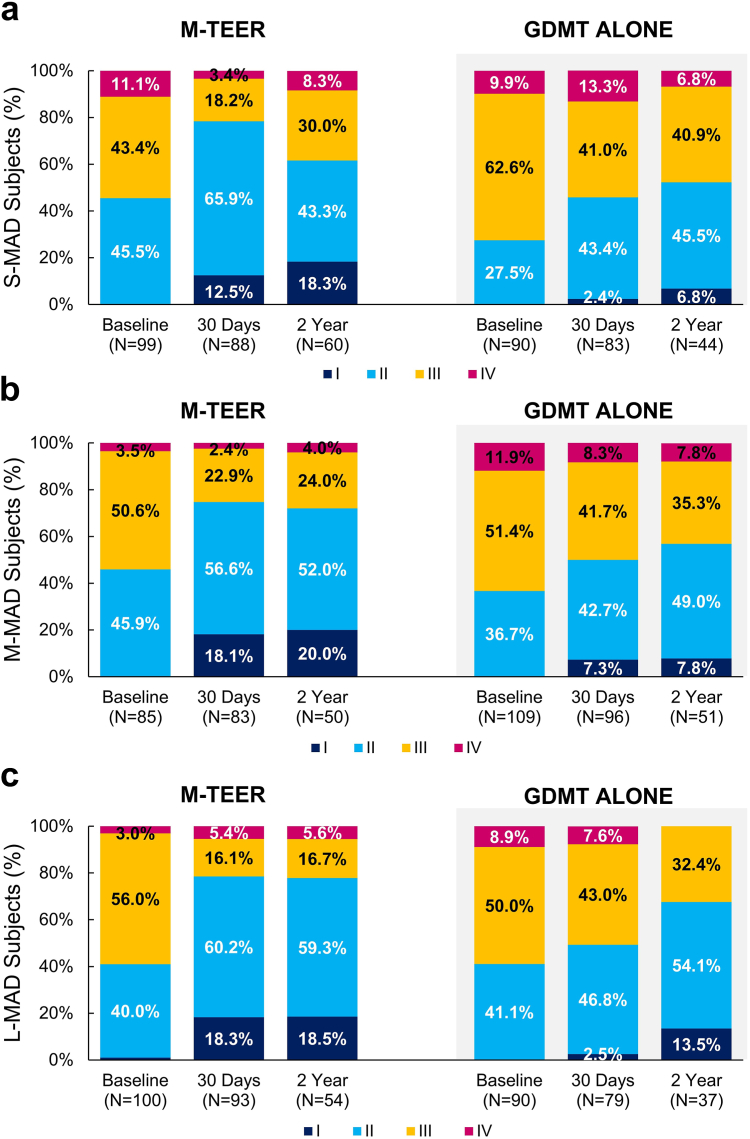 Figure 4
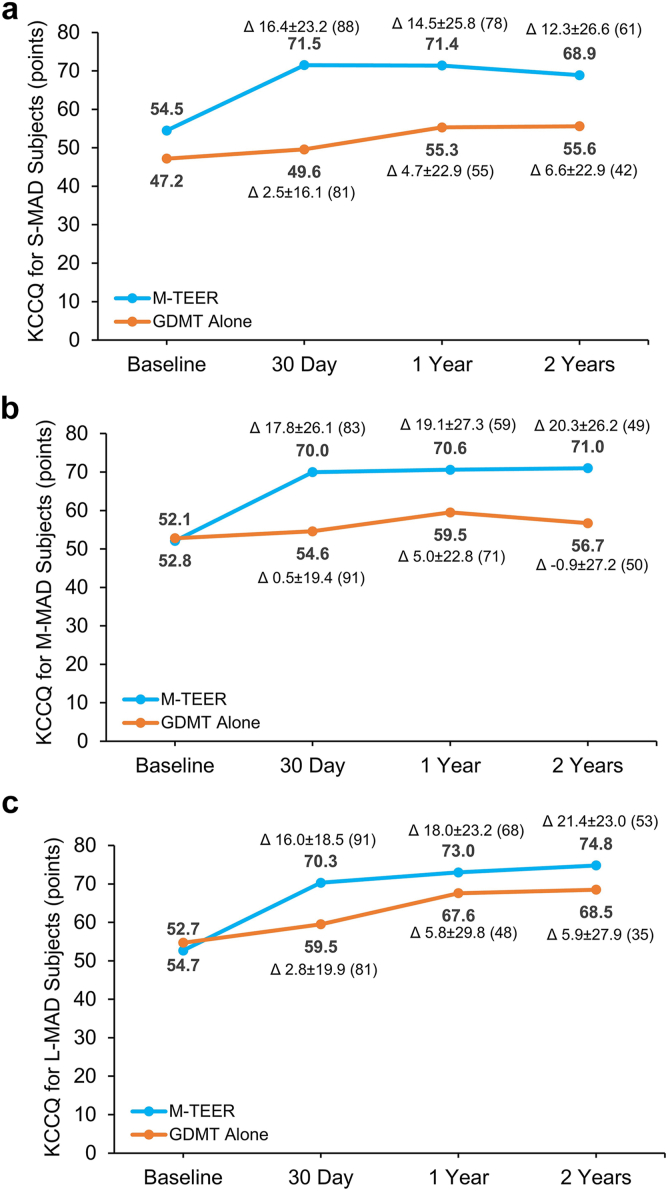 Figure 5
Peer Reviews
No public reviews on file for this paper yet. If you reviewed it on a platform where reviews are public (OpenReview, ICLR, NeurIPS, ICML), you can paste yours below so the community can read it here.
Videos
No videos yet. Explain this paper in a talk, walkthrough, or lecture? Add one.
Taxonomy
TopicsCardiac Valve Diseases and Treatments · Cardiac Imaging and Diagnostics · Cardiovascular Function and Risk Factors