Cell types and neuronal genetic architecture in the rat CSF-contacting nucleus and the role of 5-HT in this nucleus in mediating morphine addiction through the brain–CSF circuit
Ying Li, Bin Gui, Yijun Zhang, Licai Zhang

TL;DR
This study maps the cell types and genetic activity in a brain region that interacts with cerebrospinal fluid and shows it plays a role in morphine addiction through serotonin.
Contribution
The study provides the first single-cell gene expression profile of the CSF-contacting nucleus and links it to morphine addiction via 5-HT regulation.
Findings
The CSF-contacting nucleus contains 25 distinct cell types, including neurons and glial cells.
CSF-contacting nucleus neurons are enriched in addiction-related pathways and regulate 5-HT levels in cerebrospinal fluid.
Inhibiting this nucleus reduces morphine-induced addiction behaviors and lowers CSF serotonin levels.
Abstract
To elucidate the cellular composition of the cerebrospinal fluid-contacting nucleus, establish a comprehensive gene expression database for this nucleus, and investigate its potential functional roles. we used single-cell sequencing technology combined with Gene Ontology (GO) and Kyoto Encyclopedia of Genes and Genomes (KEGG) pathway analyses to characterize the transcriptional architecture of the CSF-contacting nucleus and elucidate its potential biological functions. Additionally, Conditioned place preference (CPP) testing, chemogenetic techniques, ELISA, and ultra-performance liquid chromatography-tandem mass spectrometry (UPLC-MS) were employed to examine the functional relationships between the CSF-contacting nucleus, cerebrospinal fluid, and morphine addiction-related behaviors. Single-cell RNA sequencing revealed that the CSF-contacting nucleus had an average of 22,046 genes…
Genes, proteins, chemicals, diseases, species, mutations and cell lines named across the full text — each resolved to its canonical identifier and authoritative record.
Click any figure to enlarge with its caption.
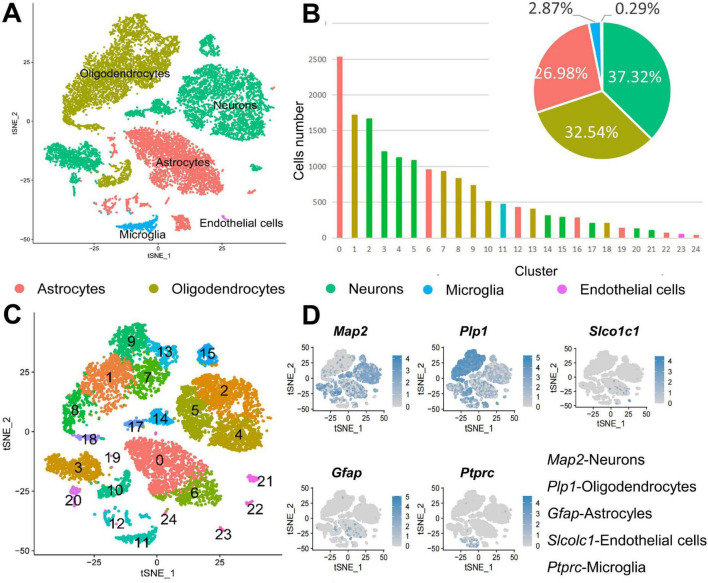 Figure 1
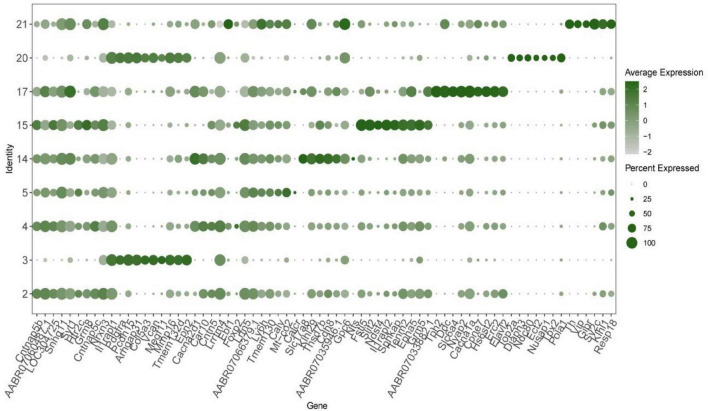 Figure 2
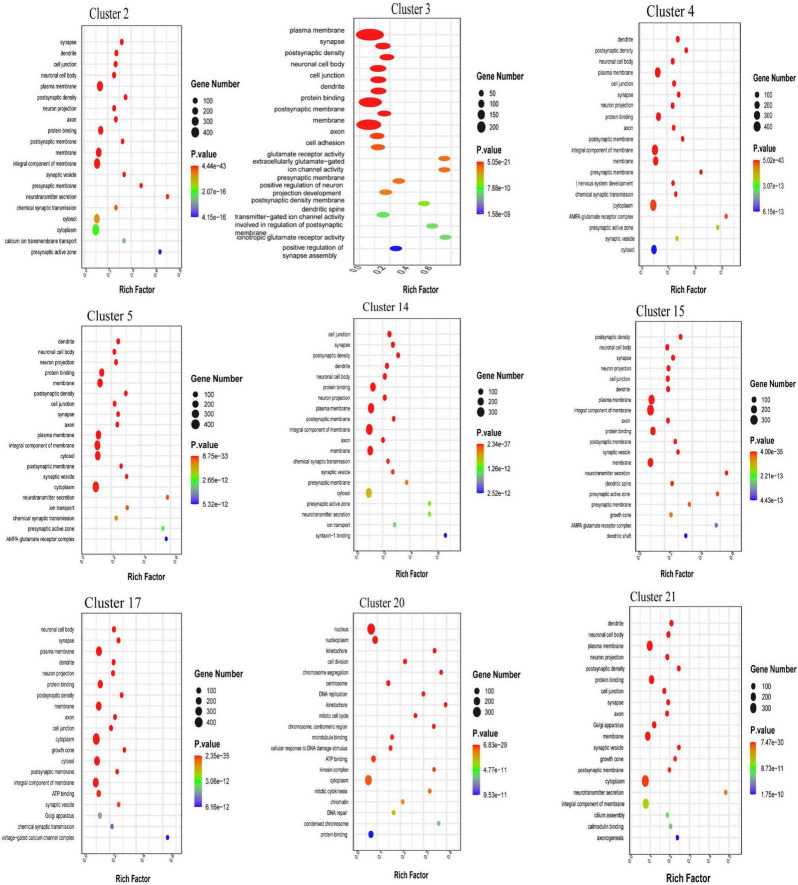 Figure 3
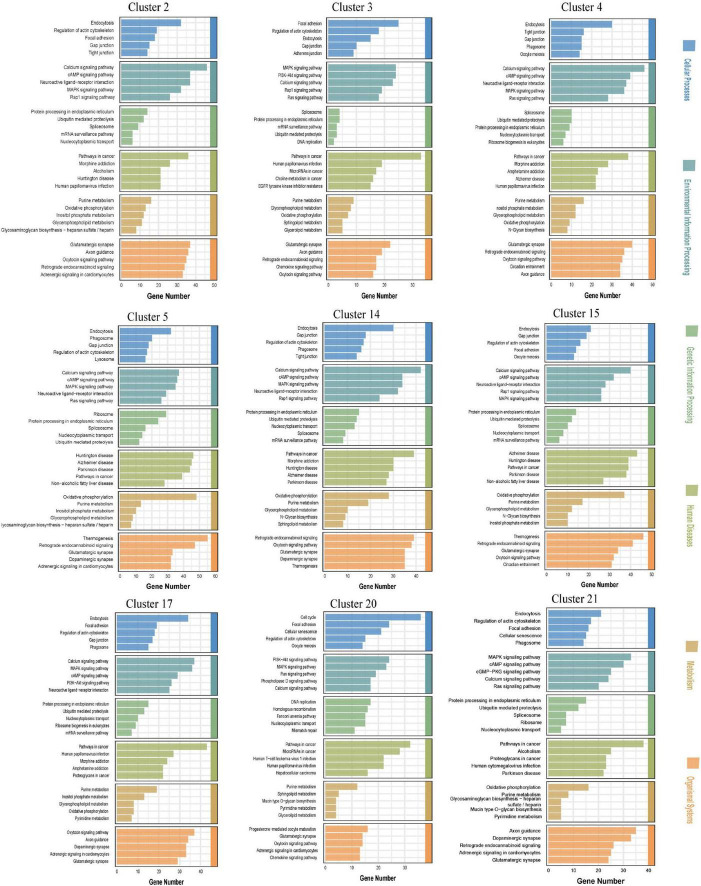 Figure 4
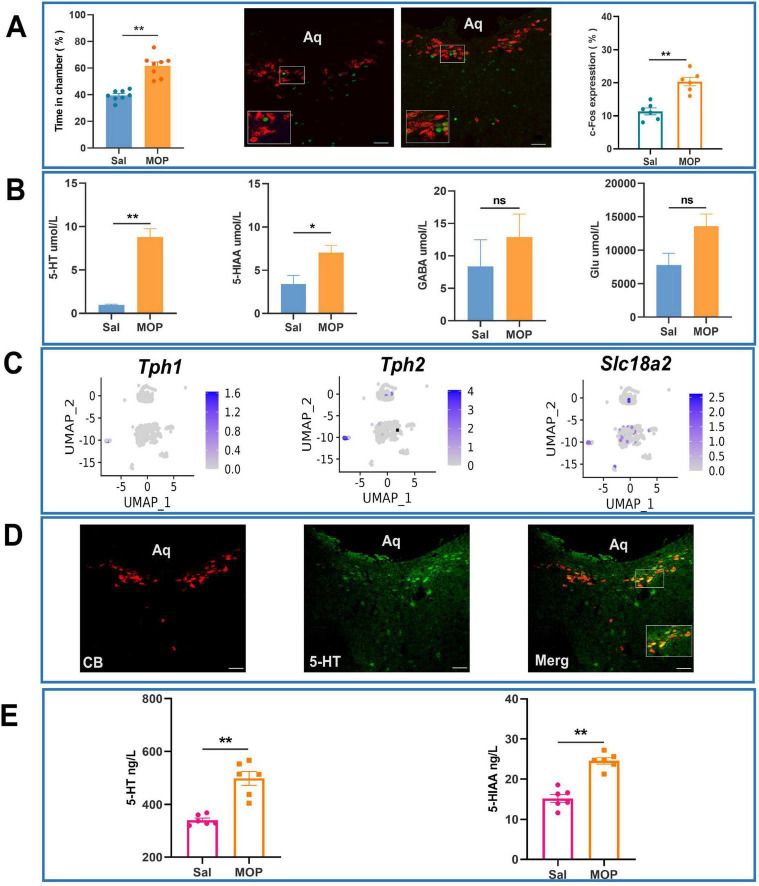 Figure 5
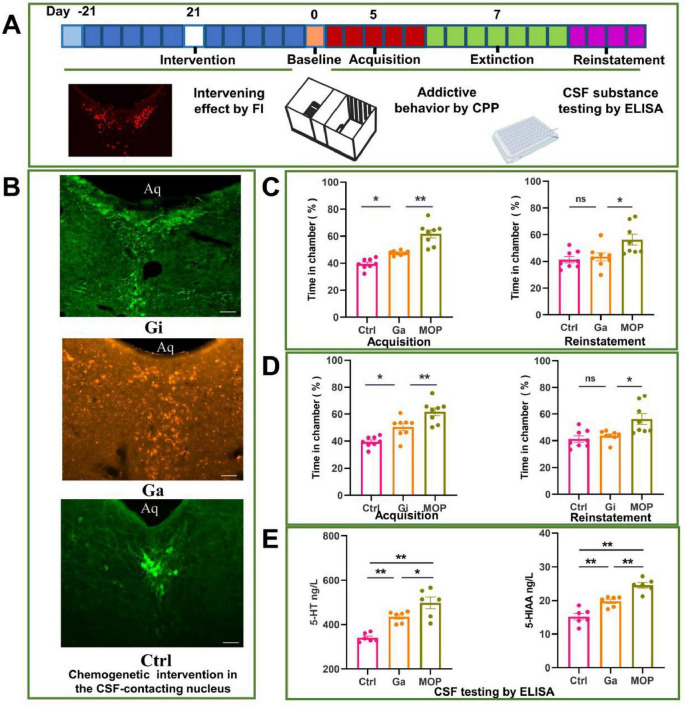 Figure 6
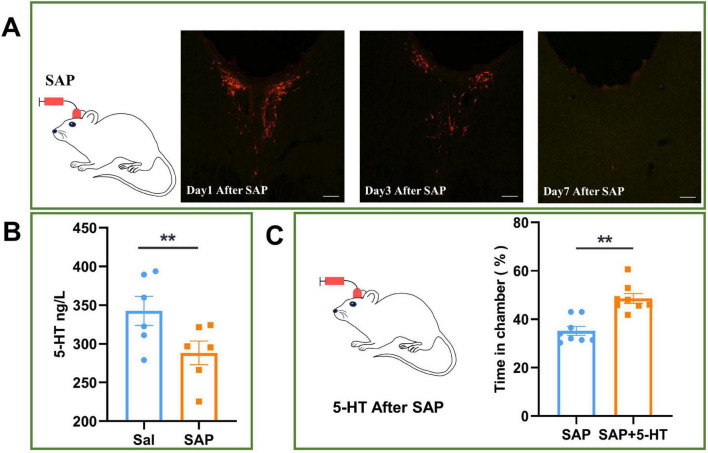 Figure 7
Peer Reviews
No public reviews on file for this paper yet. If you reviewed it on a platform where reviews are public (OpenReview, ICLR, NeurIPS, ICML), you can paste yours below so the community can read it here.
Videos
No videos yet. Explain this paper in a talk, walkthrough, or lecture? Add one.
Taxonomy
TopicsReceptor Mechanisms and Signaling · Neuroscience and Neuropharmacology Research · Neuroinflammation and Neurodegeneration Mechanisms