A combination of recombinase polymerase amplification with CRISPR technology rapidly detects goose parvovirus with high accuracy and sensitivity
Xiuqin Chen, Shizhong Zhang, Su Lin, Shao Wang, Meiqing Huang, Shaoying Chen, Shilong Chen

TL;DR
A new rapid and sensitive test for detecting goose parvovirus combines CRISPR and RPA technologies, enabling on-site diagnosis with high accuracy.
Contribution
A novel RPA-CRISPR/Cas12a assay for GPV detection with high sensitivity and specificity, suitable for on-site use.
Findings
The assay detects 10 copies/μL of GPV VP3 gene within one hour with high sensitivity.
The assay showed 100% diagnostic sensitivity and 95.5% specificity in field samples.
The method supports visual readouts using portable blue light transilluminators for on-site use.
Abstract
Goose parvovirus (GPV) poses a significant threat to the waterfowl industry, necessitating reliable detection methods. However, conventional techniques are often time-consuming, equipment-dependent, or lack sufficient sensitivity for detecting early-stage infection. In contrast, emerging CRISPR/Cas12a-based systems offer a promising alternative for rapid, sensitive, and on-site diagnostics. We developed and optimized a recombinase polymerase amplification (RPA)-CRISPR/Cas12a assay targeting the conserved VP3 gene of GPV. The analytical and diagnostic performance of this assay was rigorously validated using plasmid standards and clinical specimens from both experimentally infected and field-collected ducklings. Our developed assay combines RPA with CRISPR/Cas12a technology for rapid GPV nucleic acids detection. This method achieves a detection limit of 10 copies/μL of the VP3 gene…
Genes, proteins, chemicals, diseases, species, mutations and cell lines named across the full text — each resolved to its canonical identifier and authoritative record.
Click any figure to enlarge with its caption.
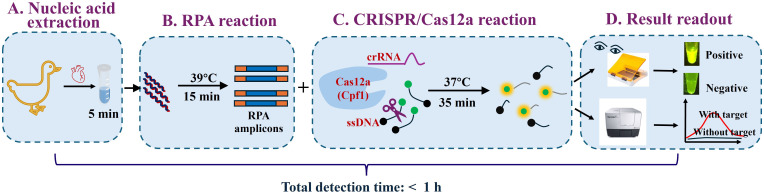 Figure 1
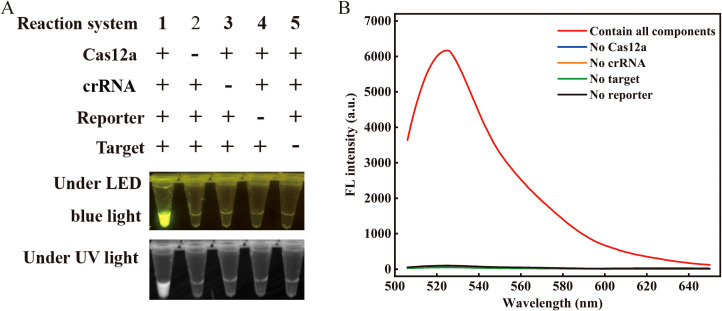 Figure 2
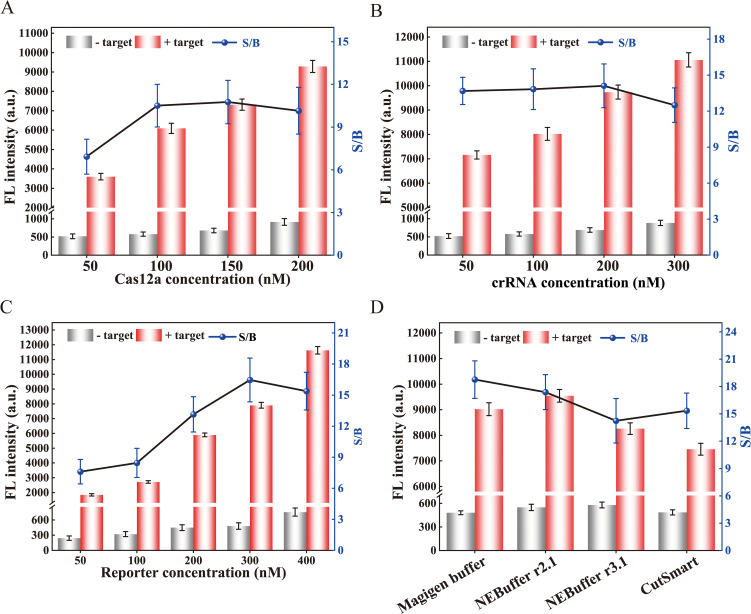 Figure 3
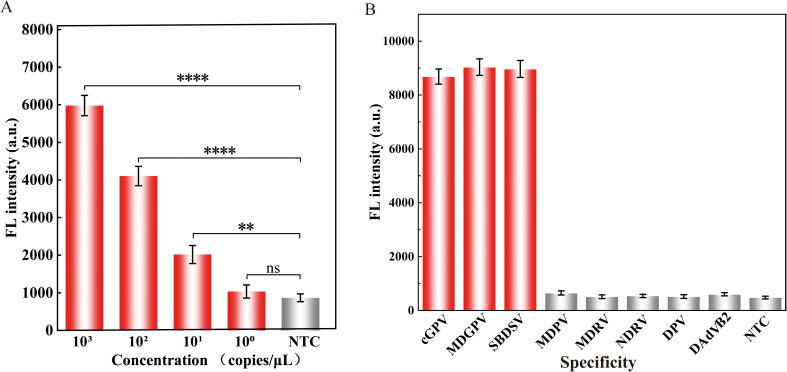 Figure 4
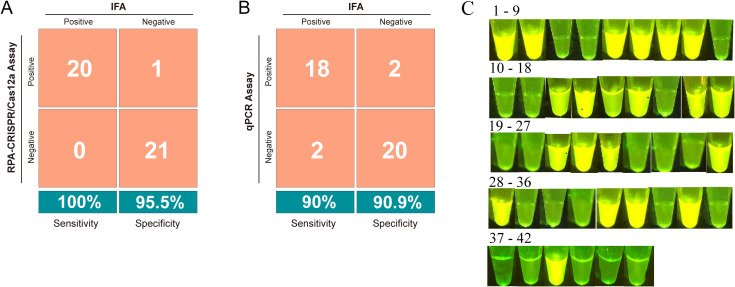 Figure 5
Peer Reviews
No public reviews on file for this paper yet. If you reviewed it on a platform where reviews are public (OpenReview, ICLR, NeurIPS, ICML), you can paste yours below so the community can read it here.
Videos
No videos yet. Explain this paper in a talk, walkthrough, or lecture? Add one.
Taxonomy
TopicsVirus-based gene therapy research · Parvovirus B19 Infection Studies · CRISPR and Genetic Engineering