Imipramine-induced immunomodulation and intracellular growth inhibition during Brucella abortus 544 infection in RAW 264.7 cells and BALB/c mice
Ched Nicole Turbela Aguilar, Tran Xuan Ngoc Huy, Trang Thi Nguyen, Said Abdi Salad, Seong Eun Cho, Il-Hwa Hong, Wongi Min, Hu Jang Lee, Suk Kim

TL;DR
Imipramine reduces Brucella infection in cells and mice by modulating the immune system and inhibiting bacterial growth.
Contribution
Imipramine shows novel immunomodulatory and antibacterial effects against Brucella abortus infection.
Findings
Imipramine reduced bacterial replication in RAW 264.7 cells and decreased nitrite levels.
In mice, Imipramine significantly lowered bacterial loads in the spleen and liver.
Imipramine treatment induced a Th1 immune response with elevated IL-12 and reduced IL-10.
Abstract
Brucellosis is a significant zoonotic infection with increasing global prevalence. Traditional treatments rely on antibiotic combinations, but challenges such as drug resistance and relapse necessitate the exploration of alternative therapeutic options. Imipramine hydrochloride (ImiP) has shown potential as an adjunctive treatment for infectious diseases. This study investigates the immunomodulatory effects of ImiP in B. abortus 544 infections in murine macrophages and BALB/c mice. In vitro, RAW 264.7 cells exposed to ImiP exhibited reduced B. abortus replication, decreased nitrite levels, and enhanced bactericidal effects. In vivo, ImiP treatment significantly decreased bacterial loads in the spleen (10 mg/kg, **p < 0.01; 20 mg/kg, *p < 0.05) and liver (10 mg/kg, **p < 0.01; 20 mg/kg, ***p < 0.001), compared to untreated controls. Histopathological analysis revealed minimal liver…
Genes, proteins, chemicals, diseases, species, mutations and cell lines named across the full text — each resolved to its canonical identifier and authoritative record.
Click any figure to enlarge with its caption.
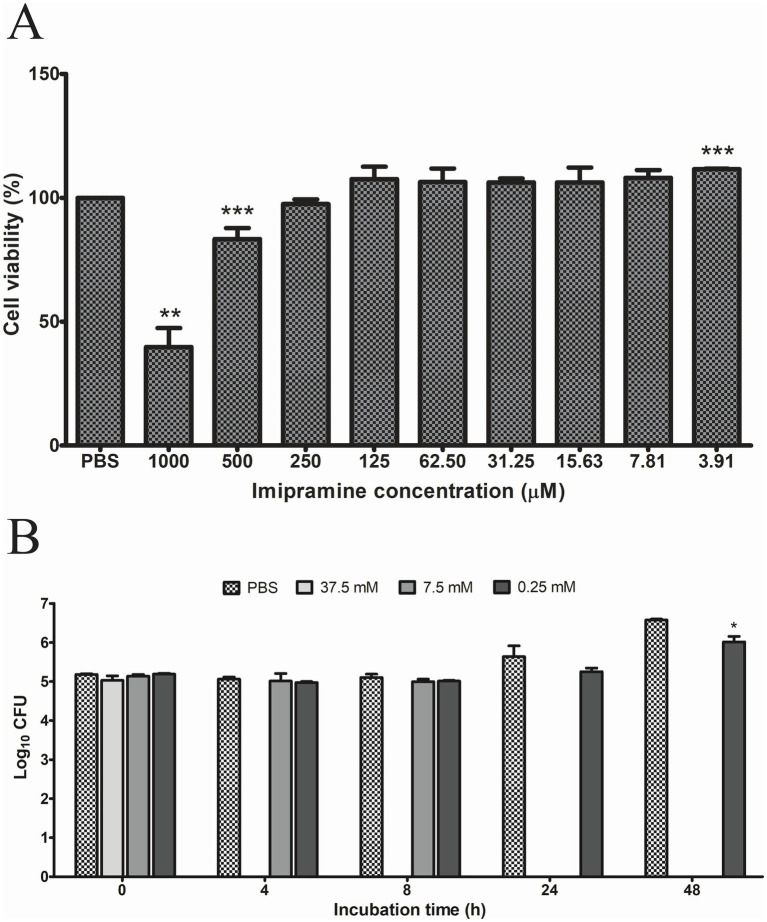 Figure 1
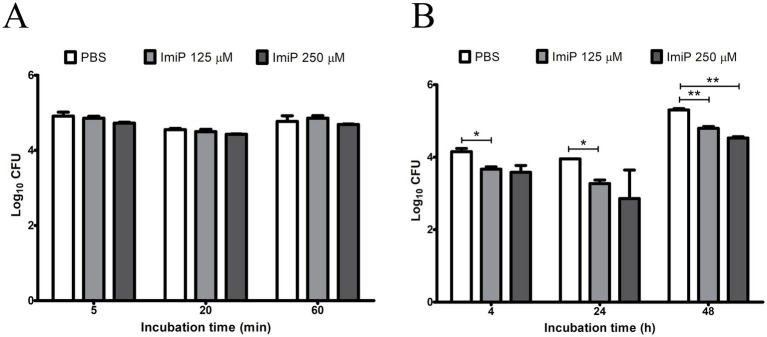 Figure 2
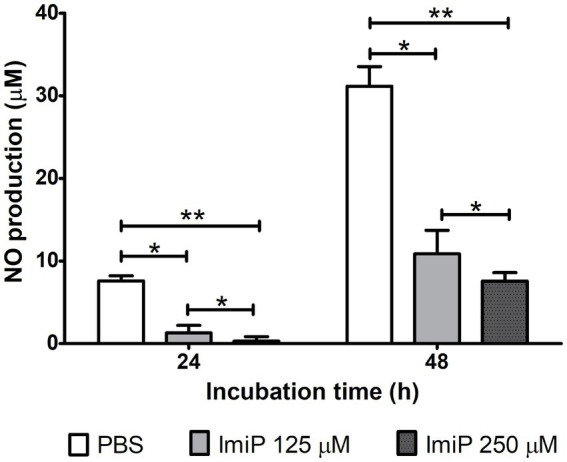 Figure 3
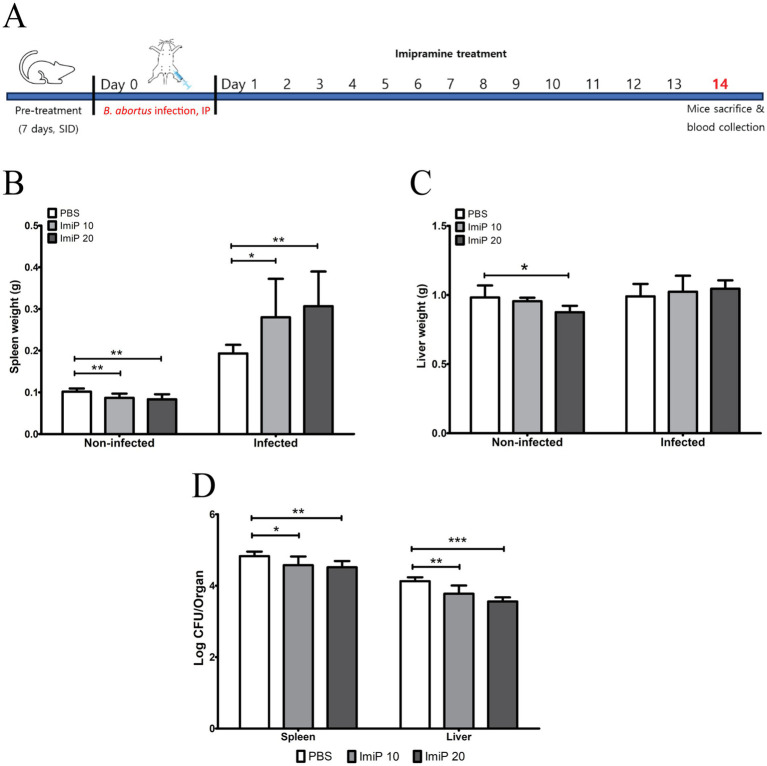 Figure 4
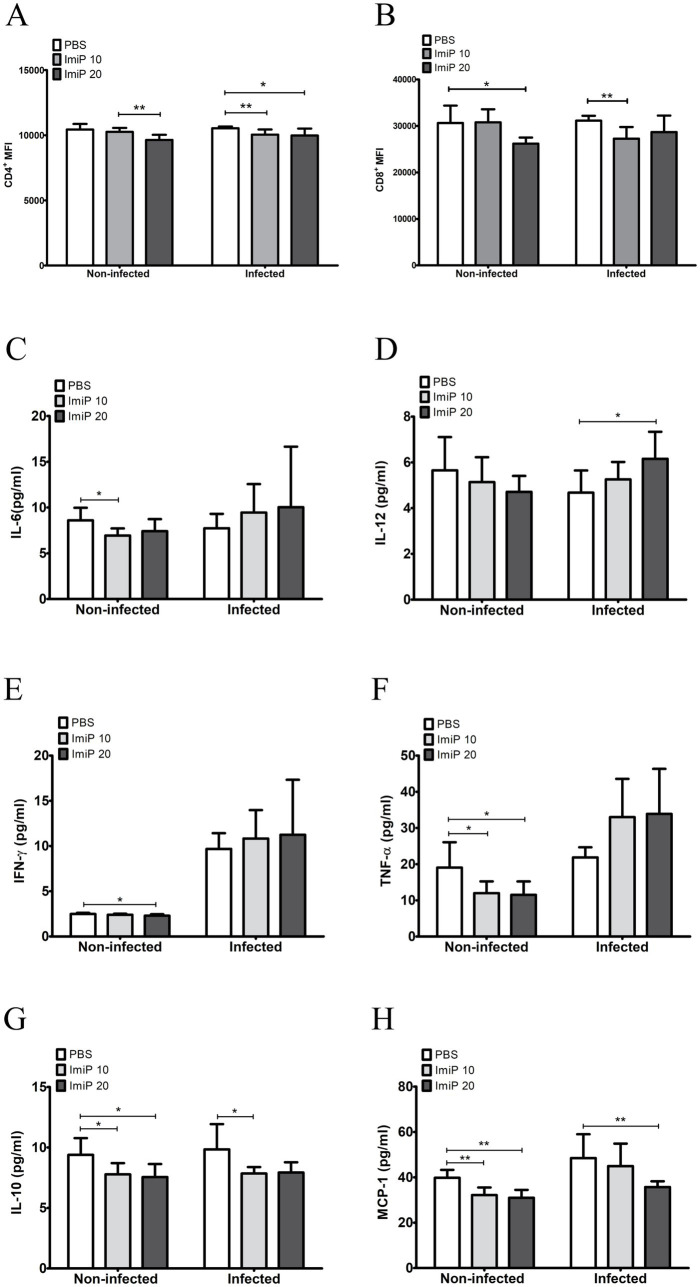 Figure 5
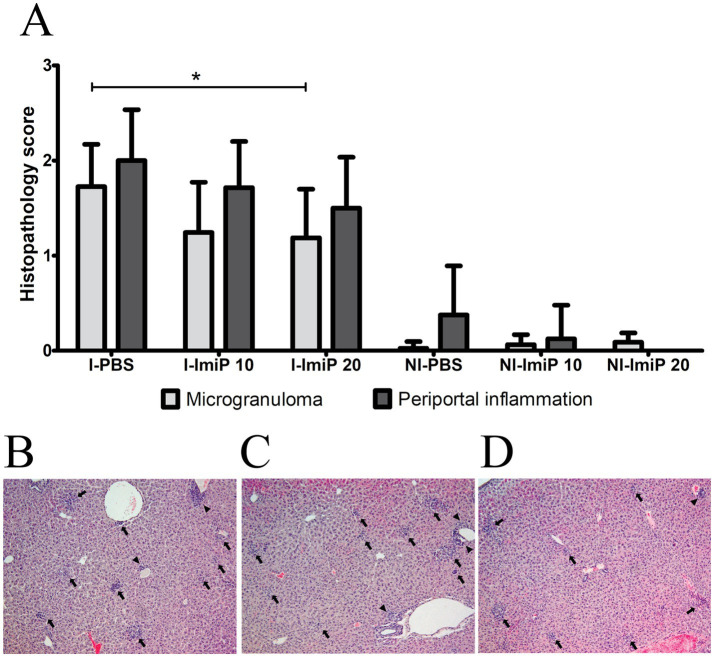 Figure 6
Peer Reviews
No public reviews on file for this paper yet. If you reviewed it on a platform where reviews are public (OpenReview, ICLR, NeurIPS, ICML), you can paste yours below so the community can read it here.
Videos
No videos yet. Explain this paper in a talk, walkthrough, or lecture? Add one.
Taxonomy
TopicsBrucella: diagnosis, epidemiology, treatment · Monoclonal and Polyclonal Antibodies Research · Bacteriophages and microbial interactions