Transcriptional fingerprinting of regulatory T cells: ensuring quality in cell therapy applications
Zhang Cheng, Li-Jie Wang, Yuchi Honaker, Steven A. Cincotta, Claire E. Page, Sydney Vollhardt, Victor Yuan, S. Alice Long, Yuanyuan Xiao, Joshua N. Beilke, Joseph R. Arron, Jeffrey A. Bluestone

TL;DR
This paper introduces a new method to ensure the quality of regulatory T cell therapies by using molecular fingerprints to distinguish and assess Treg cells.
Contribution
The study introduces a novel framework using next-generation sequencing and non-parametric algorithms to define molecular fingerprints for Treg cell identity and expansion.
Findings
The identity fingerprint distinguishes Treg from Teff cells with 100% sensitivity and specificity.
The expansion fingerprint differentiates expanded from endogenous Treg or Teff cells.
The method predicts Treg stability and was validated in a clinical trial for type 1 diabetes.
Abstract
The success of regulatory T cell (Treg) therapies depends on the source of Treg and the quality of the Treg manufacturing product that maintains Treg identity. Commonly used methods to identify Treg, including assessment of FOXP3 expression and demethylation of the Treg-specific demethylated region (TSDR), may not be sufficient on their own to ensure that Treg cell therapy drug products have an optimal identity and phenotype prior to infusion into patients. To address this critical need, we developed a robust framework to molecularly characterize Treg products using next-generation sequencing. By systematically profiling Treg and effector T cells (Teff) pre- and post-expansion, we defined the molecular fingerprints for expanded Treg products. We employed a non-parametric algorithm to score Treg manufacturing products for their cell identity and expansion fingerprints. The identity…
Genes, proteins, chemicals, diseases, species, mutations and cell lines named across the full text — each resolved to its canonical identifier and authoritative record.
Click any figure to enlarge with its caption.
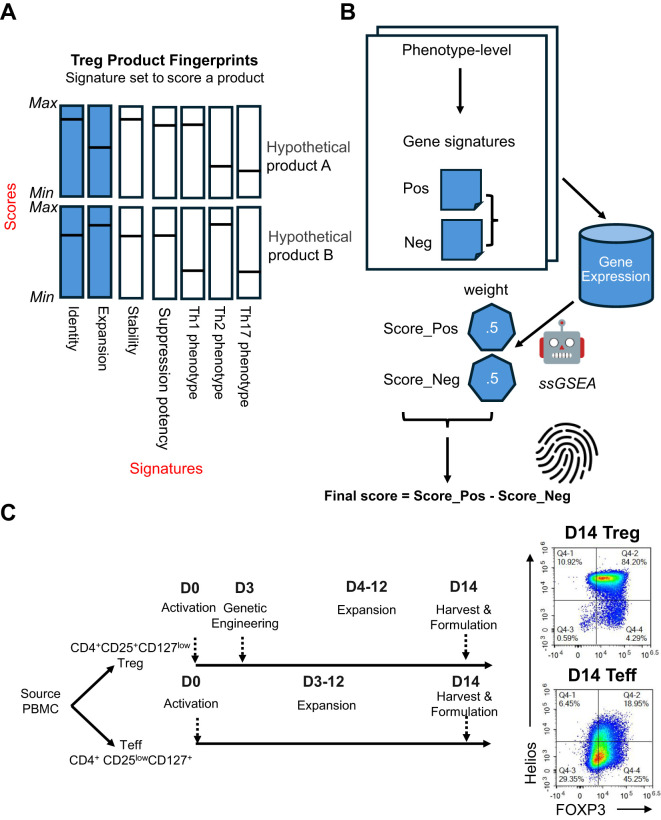 Figure 1
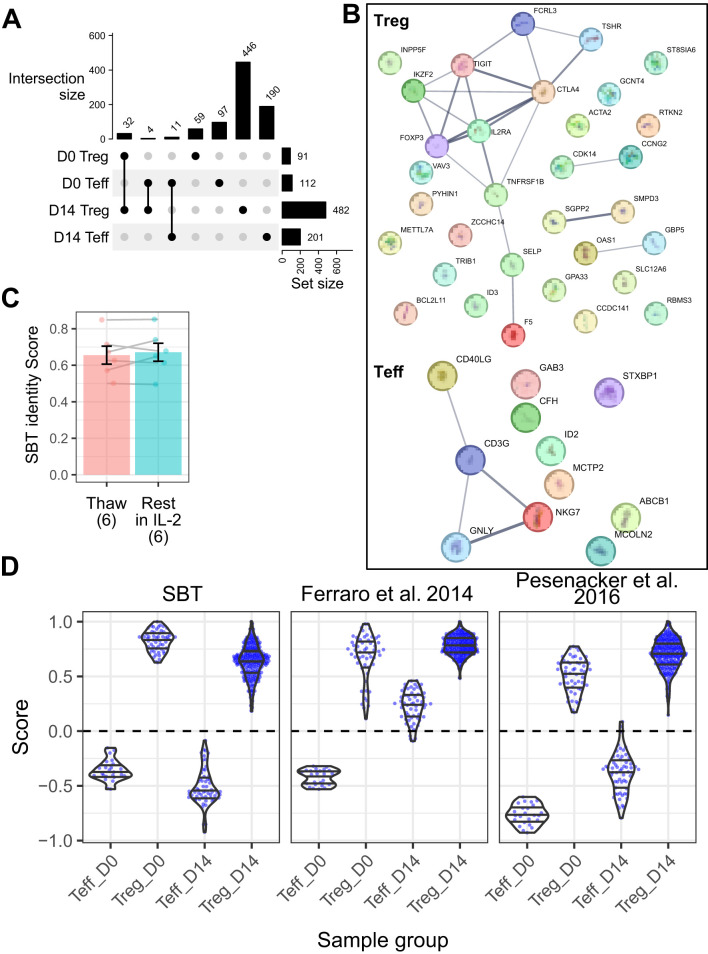 Figure 2
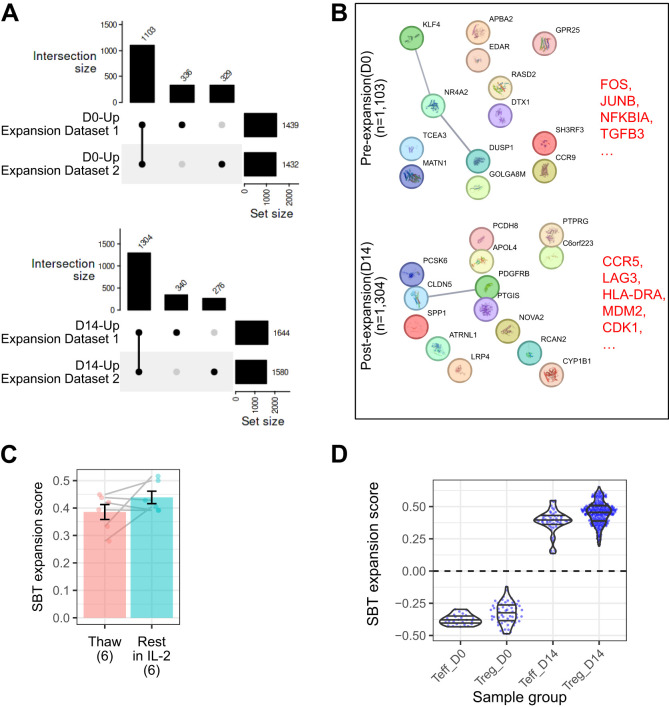 Figure 3
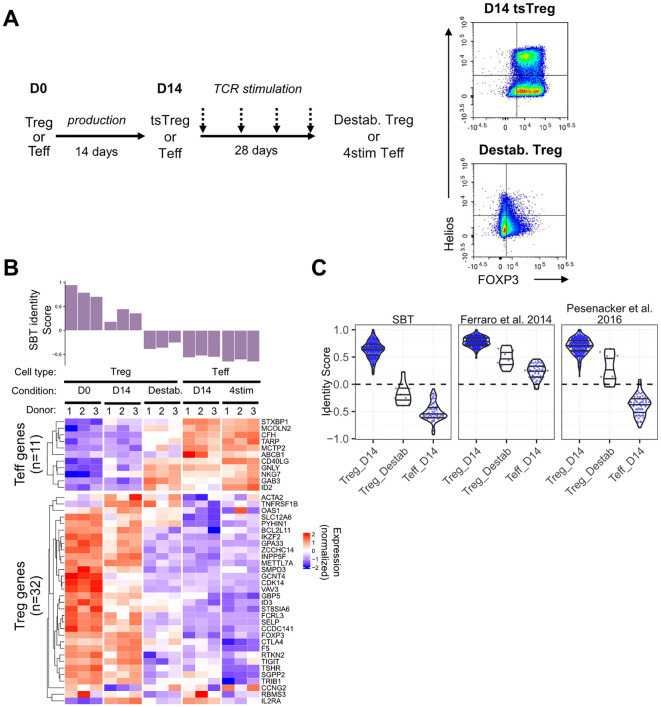 Figure 4
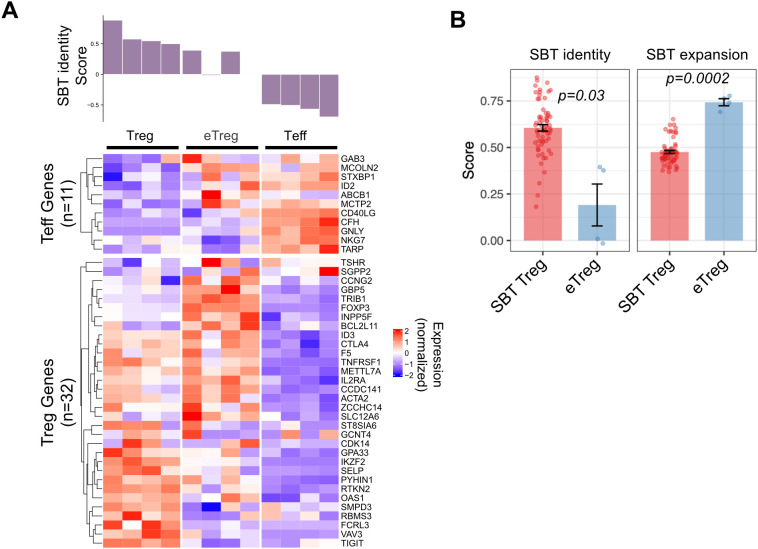 Figure 5
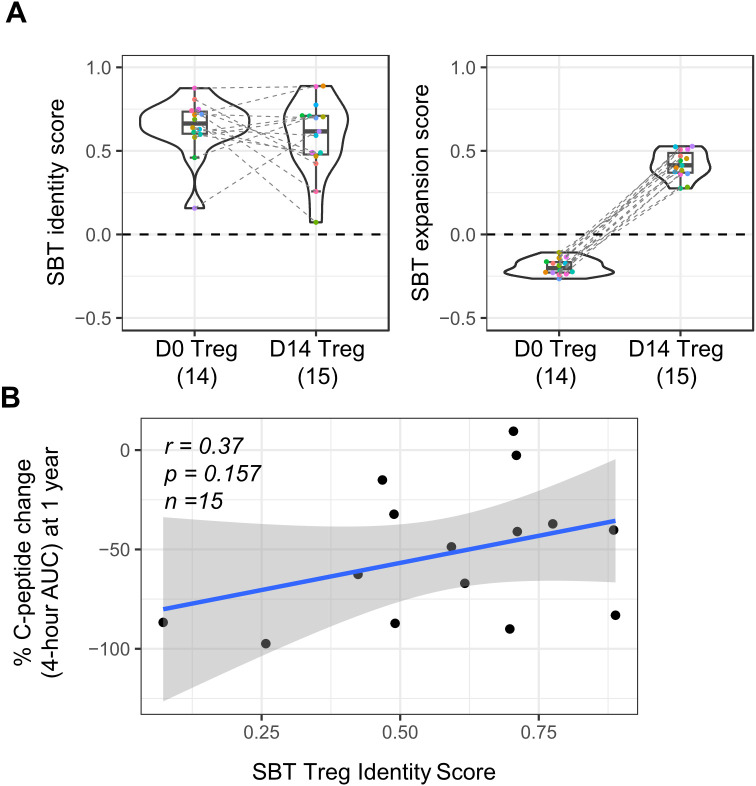 Figure 6
Peer Reviews
No public reviews on file for this paper yet. If you reviewed it on a platform where reviews are public (OpenReview, ICLR, NeurIPS, ICML), you can paste yours below so the community can read it here.
Videos
No videos yet. Explain this paper in a talk, walkthrough, or lecture? Add one.
Taxonomy
TopicsCAR-T cell therapy research · CRISPR and Genetic Engineering · T-cell and B-cell Immunology