A Decade in Focus: Examining Lessons Learned From Office-Directed Injectables in an Academic Practice
Vidhya Nadarajan, Bhavana Thota, Anca Dogaroiu, Lauren Kim, Amor Niksic, Victoria Peters, Tuong-Vi Cindy Ngo, Jennifer Barillas, Jeffrey Kenkel

TL;DR
This study analyzes trends and safety of botulinum toxin and filler injections over 10 years in an academic practice, showing low complication rates and patient crossover to surgery.
Contribution
The study provides a longitudinal analysis of injectable trends, patient demographics, and complications in an academic setting over a decade.
Findings
Injectable cases increased over time, except in 2020, with botulinum toxin being the most common treatment.
Complications were rare, with 35 from botulinum toxin and 33 from fillers across 5794 cases.
Nineteen percent of injectable patients later received aesthetic surgery, while 0.6% of surgery patients later received injectables.
Abstract
Noninvasive facial rejuvenation procedures have continued to grow in popularity, with botulinum toxin and injectable soft-tissue fillers being the most common. The purpose of this study was to evaluate trends in patient cost, provider product preferences, and complications of a single surgeon's 10-year experience with botulinum toxin and soft-tissue fillers. Additionally, this study aimed to quantify the crossover between patients receiving injectables and patients receiving aesthetic surgery. This was a retrospective analysis utilizing internal/departmental records and Epic charting from January 2013 to January 2023. Botulinum toxin and soft-tissue filler cases were captured using select CPT codes, and patient demographics, complications, and follow-up data were recorded. One thousand three hundred and sixty-eight patients undergoing 5794 injectable cases were assessed. The study…
Genes, proteins, chemicals, diseases, species, mutations and cell lines named across the full text — each resolved to its canonical identifier and authoritative record.
Click any figure to enlarge with its caption.
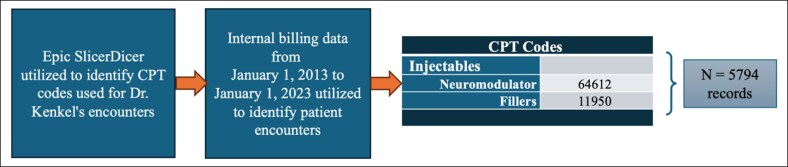 Figure 1
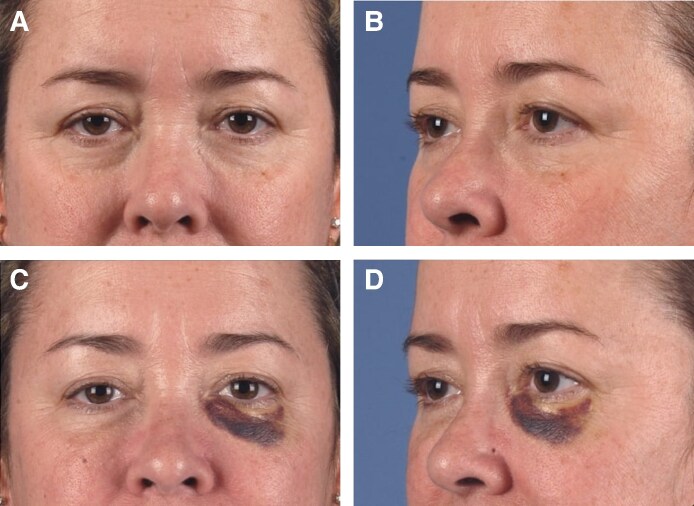 Figure 2
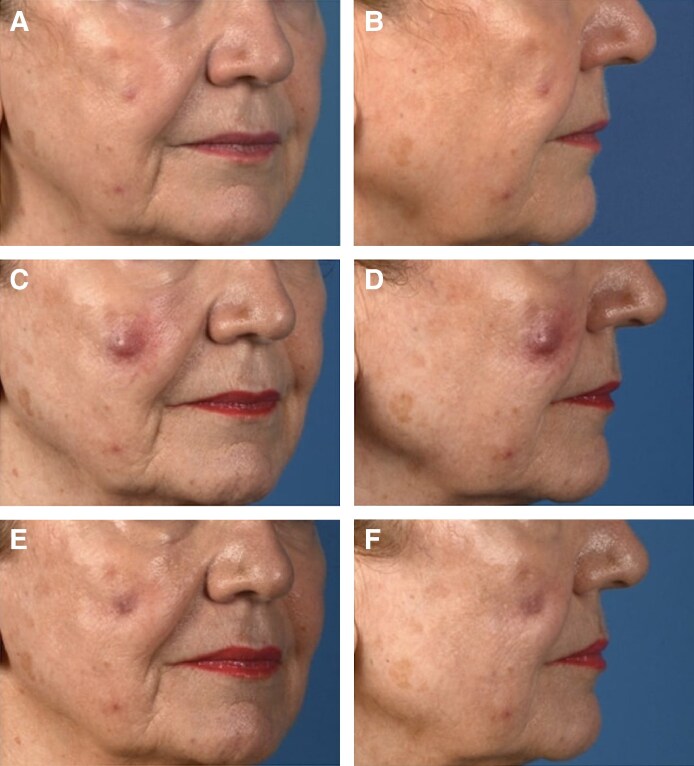 Figure 3
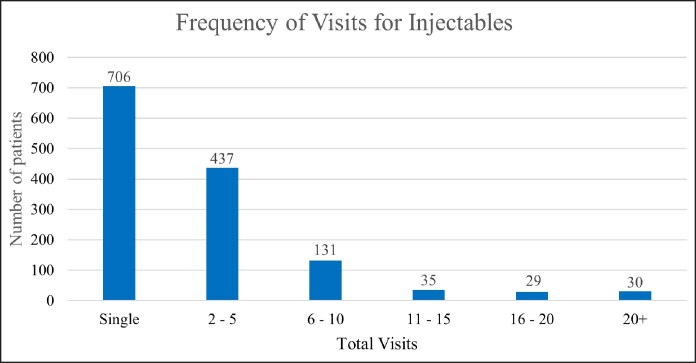 Figure 4
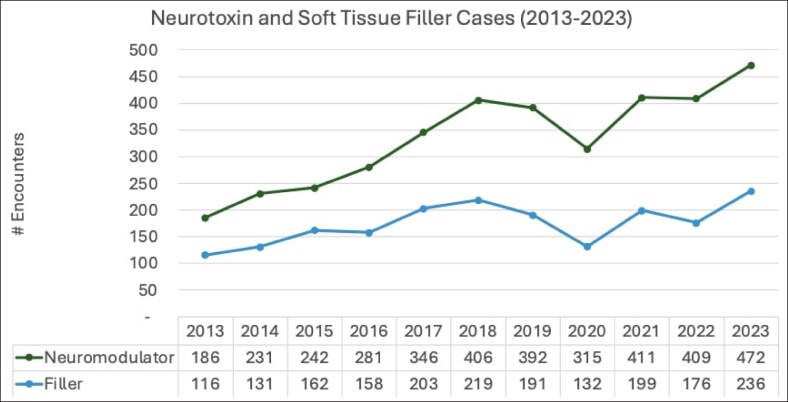 Figure 5
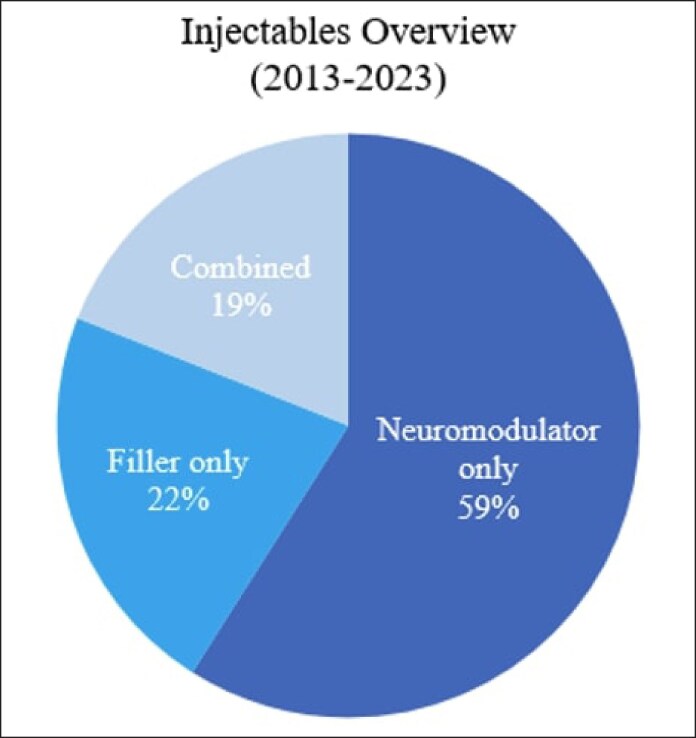 Figure 6
 Figure 7
 Figure 8
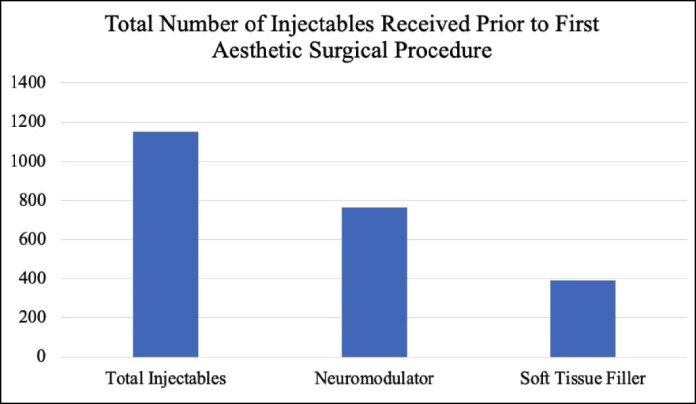 Figure 9
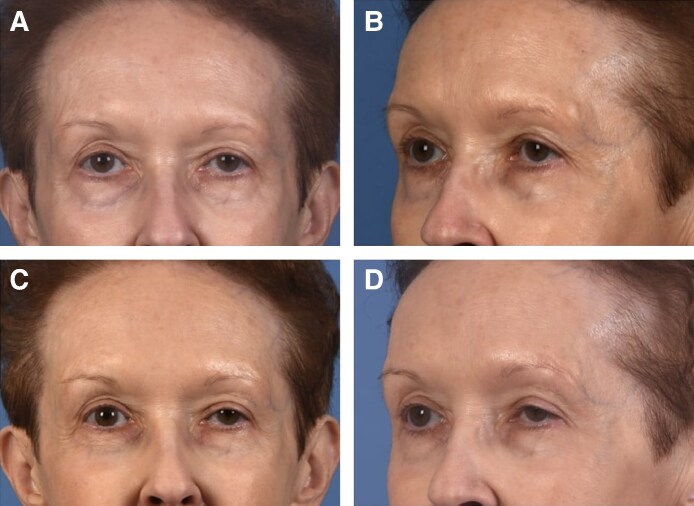 Figure 10
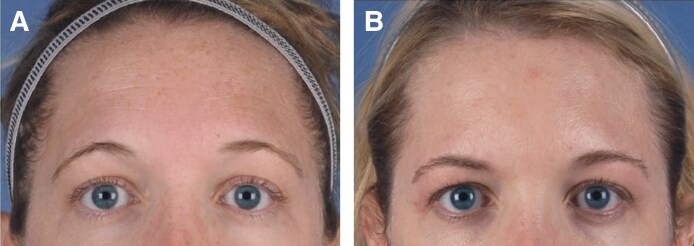 Figure 11
 Figure 12
Peer Reviews
No public reviews on file for this paper yet. If you reviewed it on a platform where reviews are public (OpenReview, ICLR, NeurIPS, ICML), you can paste yours below so the community can read it here.
Videos
No videos yet. Explain this paper in a talk, walkthrough, or lecture? Add one.
Taxonomy
TopicsFacial Rejuvenation and Surgery Techniques · Botulinum Toxin and Related Neurological Disorders · Facial Nerve Paralysis Treatment and Research