Serial Living Solid Organ Donation: An Ethical Analysis
Richard C. Armitage

TL;DR
This paper explores the ethical challenges of donating multiple solid organs in sequence, highlighting risks and the need for further research.
Contribution
The paper introduces a novel ethical analysis of serial living solid organ donation using Principlism.
Findings
Serial donation increases risks to non-maleficence due to prior surgeries.
Pathological altruism may threaten ethical principles like autonomy and beneficence.
More research is needed on long-term health and psychological impacts of serial donation.
Abstract
It is possible in many countries to not only become a living solid organ donor, but to become a serial living solid organ donor, a process in which an individual subsequently donates a liver lobe after donating a kidney, or vice versa. The major ethical issues that surround uncompensated living single solid organ donation (the doctor's duties to respect autonomy, of beneficence, and of non‐maleficence) have been well described, and this process is generally considered ethically permissible if the donor has sufficient health, and if their decision is voluntary, fully informed, and made in the absence of coercion. However, the landscape of ethical issues pertaining to serial living solid organ donation has so far gone unexamined. This paper conducts an ethical analysis, using the ethical framework of Principlism, of the ethical issues that surround serial living solid organ donation.…
Genes, proteins, chemicals, diseases, species, mutations and cell lines named across the full text — each resolved to its canonical identifier and authoritative record.
Click any figure to enlarge with its caption.
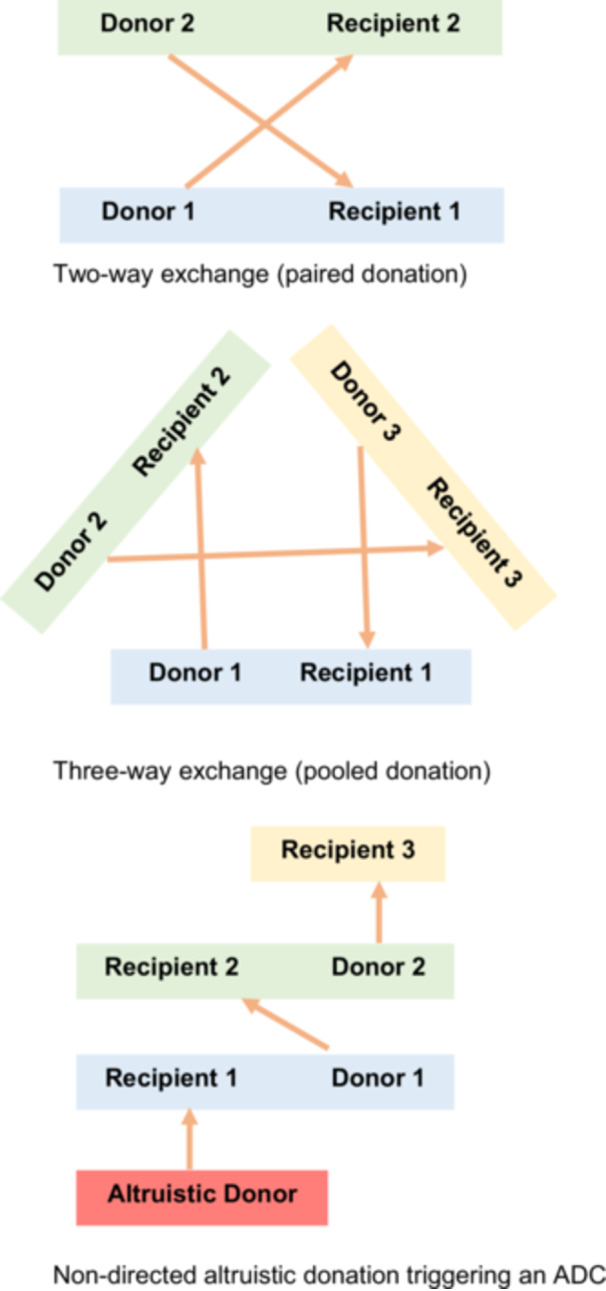 Figure 1
Peer Reviews
No public reviews on file for this paper yet. If you reviewed it on a platform where reviews are public (OpenReview, ICLR, NeurIPS, ICML), you can paste yours below so the community can read it here.
Videos
No videos yet. Explain this paper in a talk, walkthrough, or lecture? Add one.
Taxonomy
TopicsOrgan Donation and Transplantation · Grief, Bereavement, and Mental Health · Palliative Care and End-of-Life Issues