Role of HEG1 and Claudin-4 Immunohistochemistry in the Differential Diagnosis of Lung Adenocarcinoma from Malignant Mesothelioma in Pleural Effusion Cytology
Aziza E. Abdelrahman, Fatma A. Elbadry, Taiseer R. Ibrahim, Mohamed Ali Alabiad, Mohamed Awad

TL;DR
This study shows that HEG1 and Claudin-4 immunostaining can help distinguish lung adenocarcinoma from malignant mesothelioma in pleural effusion samples.
Contribution
The study introduces HEG1 and Claudin-4 as novel immunohistochemical markers for differentiating lung adenocarcinoma from malignant mesothelioma in pleural effusion.
Findings
HEG1 is highly expressed in reactive mesothelial cells and malignant mesothelioma but not in lung adenocarcinoma.
Claudin-4 is strongly expressed in lung adenocarcinoma but not in benign or malignant mesothelioma cases.
The combination of HEG1 and Claudin-4 staining significantly improves diagnostic accuracy in pleural effusion cytology.
Abstract
Objective: Cytological examination of pleural effusion is minimally invasive and low risk but faces challenges due to the lack of architectural features, low cell counts, and overlapping characteristics among reactive mesothelial cells (RMCs), carcinoma cells, and malignant epithelioid mesothelioma (MPM) cells. The aim of this was study to detect the diagnostic accuracy of the expression of HEG1 and Claudin-4 in distinguishing malignant mesothelioma from lung adenocarcinoma in pleural effusion. Material and Methods: The present study was carried out on 84 cases of pleural effusion. Sixty-four representative cell blocks of the studied malignant cases and twenty control cases were stained with HEG1 and Claudin-4 immunostaining, and the results were recorded. Results: Positive membranous HEG1 immunoexpression was found in 95% of RMCs in benign effusions. Also, positive membranous…
Genes, proteins, chemicals, diseases, species, mutations and cell lines named across the full text — each resolved to its canonical identifier and authoritative record.
Click any figure to enlarge with its caption.
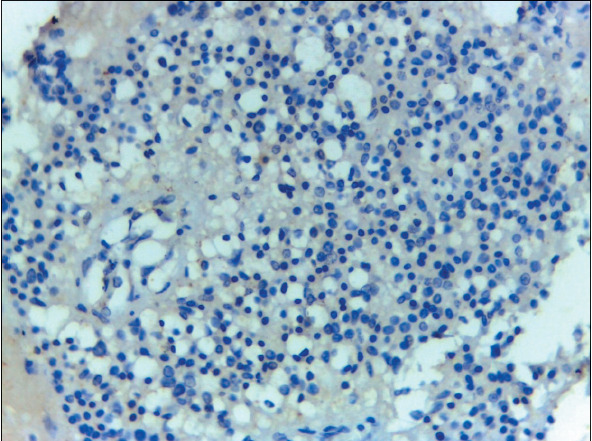 Figure 1
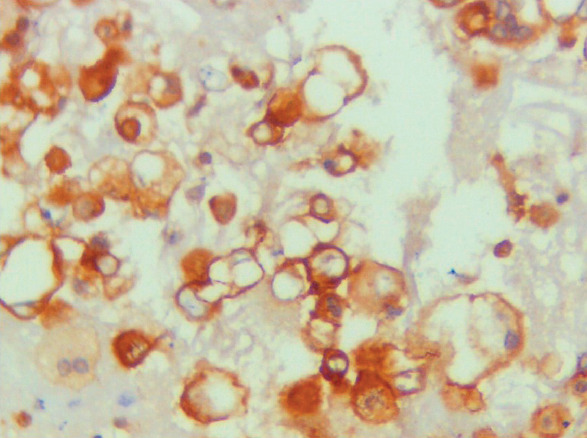 Figure 2
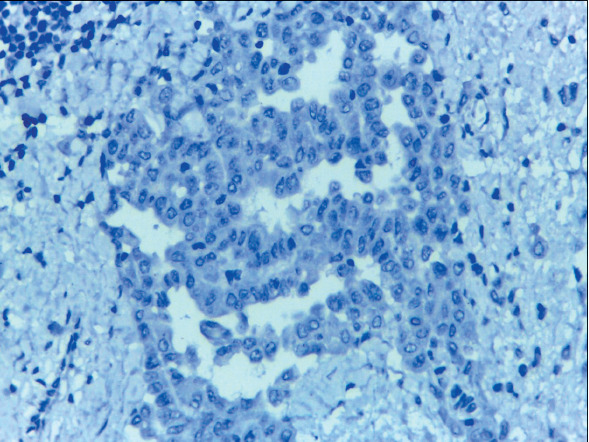 Figure 3
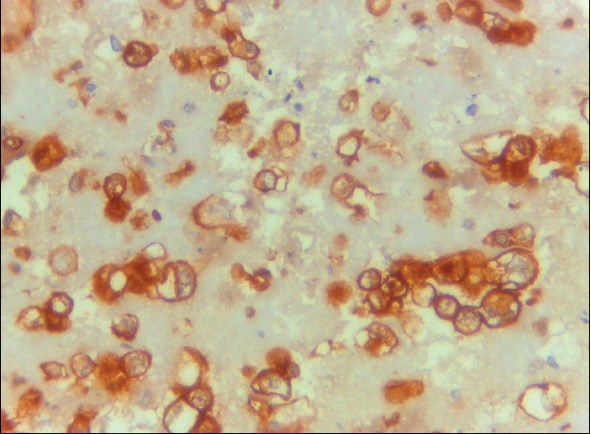 Figure 4
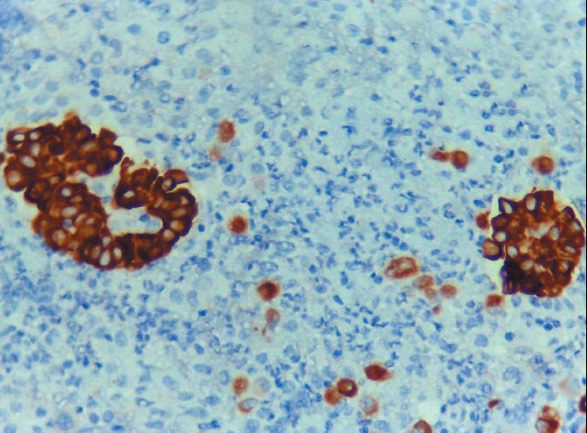 Figure 5
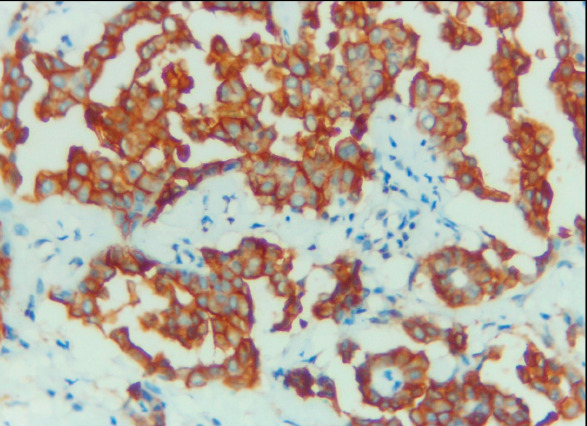 Figure 6
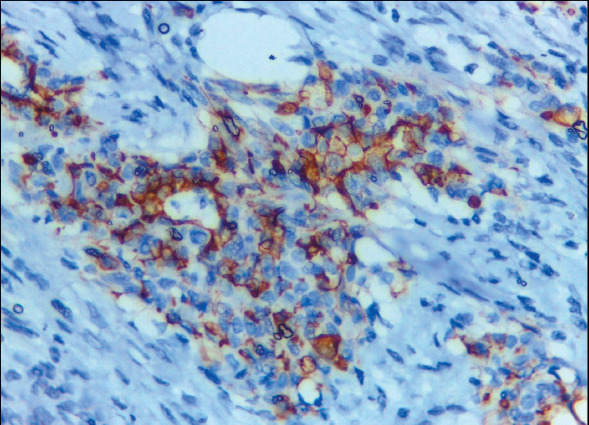 Figure 7
Peer Reviews
No public reviews on file for this paper yet. If you reviewed it on a platform where reviews are public (OpenReview, ICLR, NeurIPS, ICML), you can paste yours below so the community can read it here.
Videos
No videos yet. Explain this paper in a talk, walkthrough, or lecture? Add one.
Taxonomy
TopicsOccupational and environmental lung diseases · Cancer Research and Treatments · Salivary Gland Tumors Diagnosis and Treatment