Prevalence and impact of molecular variation in the three-prime repair exonuclease 1 TREX1 and its implications for oncology
Marwa Shekfeh, Mariam M. Konaté, Julia Krushkal

TL;DR
This paper explores how variations in the TREX1 gene affect cancer outcomes and immune responses, revealing new insights into its role in oncology.
Contribution
The study integrates TREX1 sequence data across species and cancer samples to reveal novel implications of TREX1 molecular variation in cancer.
Findings
TREX1b is conserved in placental mammals but has unique C-terminal regions in egg-laying mammals and marsupials.
TREX1 variants in cancer and autoimmune diseases may impact protein stability and function.
TREX1 gene deletion in tumors correlates with poor patient outcomes, likely due to co-occurring 3p chromosomal loss.
Abstract
The three-prime repair exonuclease 1, TREX1, degrades cytosolic DNA to prevent aberrant immune activation. Its inactivation results in DNA accumulation in the cytosol and induction of the cGAS-STING DNA sensing pathway, interferon signaling, and inflammation. Germline pathogenic TREX1 mutations are known to lead to hereditary autoimmune and autoinflammatory disorders, whereas the consequences of TREX1 mutations in cancer remain poorly understood. To assess the importance of human TREX1 amino acid variants, we analyzed protein sequences of the functional TREX1b isoform from 168 mammalian species and integrated available data on TREX1 sequence and copy number alterations in hereditary autoimmune and autoinflammatory disorders, cancer, and in human populations. While the entire TREX1b protein was conserved in placental mammals, egg-laying mammals and marsupials had their own unique…
Genes, proteins, chemicals, diseases, species, mutations and cell lines named across the full text — each resolved to its canonical identifier and authoritative record.
Click any figure to enlarge with its caption.
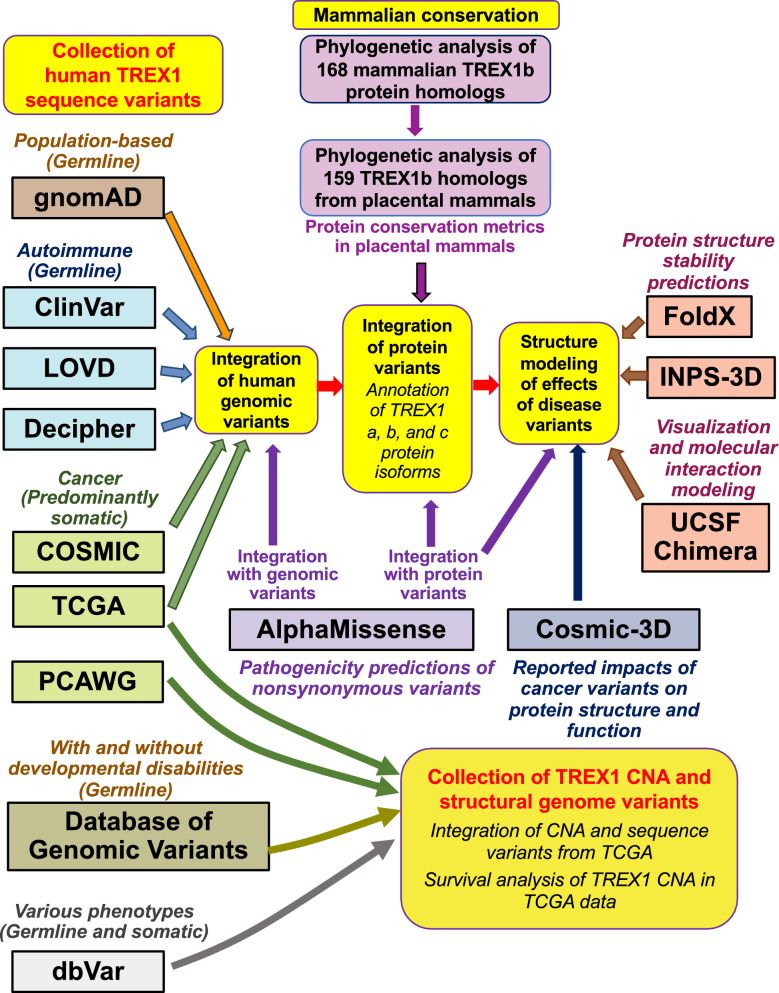 Figure 1
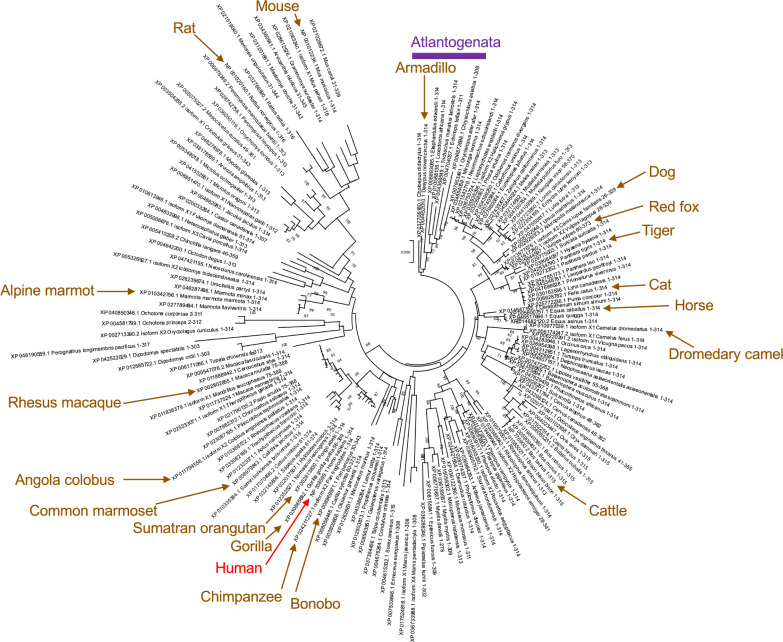 Figure 2
 Figure 3
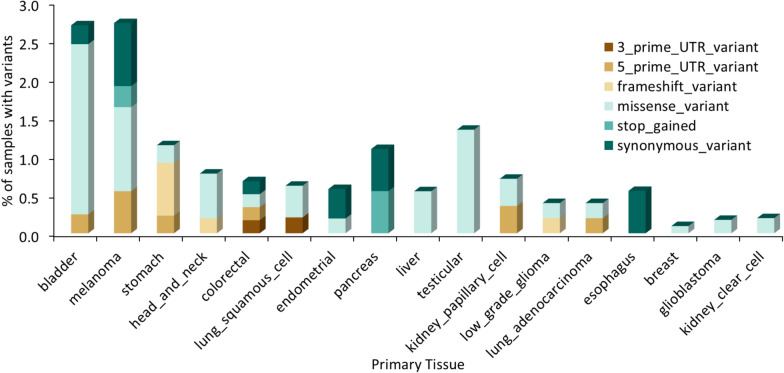 Figure 4
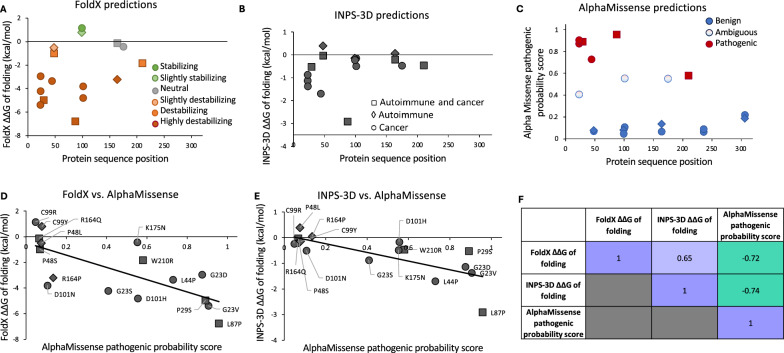 Figure 5
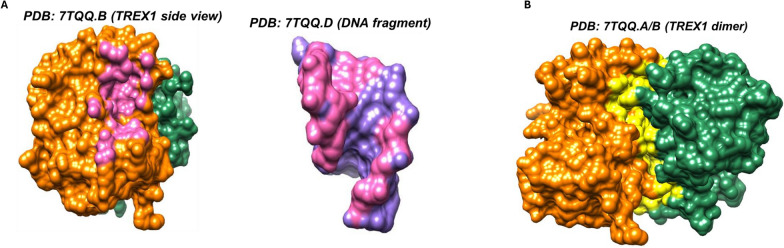 Figure 6
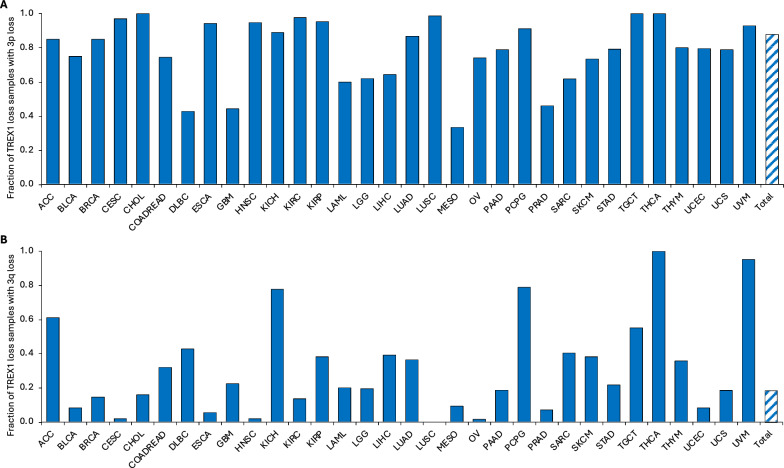 Figure 7
Peer Reviews
No public reviews on file for this paper yet. If you reviewed it on a platform where reviews are public (OpenReview, ICLR, NeurIPS, ICML), you can paste yours below so the community can read it here.
Videos
No videos yet. Explain this paper in a talk, walkthrough, or lecture? Add one.
Taxonomy
Topicsinterferon and immune responses · Cancer Mechanisms and Therapy · MicroRNA in disease regulation