Polyamines of unique structure are integrated in Synura echinulata biosilica
Oliver Reinke, Susanne Machill, Eike Brunner

TL;DR
This study identifies unique long-chain polyamines in the biosilica of Synura echinulata, suggesting a general role for these molecules in silica formation in algae.
Contribution
The discovery of amino butyl-based long-chain polyamines in Synura echinulata biosilica introduces a novel structural variant not previously observed in other biomineralizing algae.
Findings
Unique long-chain polyamines (LCPAs) were identified in Synura echinulata biosilica.
LCPAs in S. echinulata are composed of amino butyl repeat units, differing from amino propyl units in other species.
The presence of LCPAs in biomineralizing algae suggests a general role in silica biomineralization.
Abstract
Unicellar, biomineralizing algae like diatoms or Synurales are ubiquitous in various habitats all over the world and have an outstanding role in different biogeochemical cycles. They are well known for their elaborate nanopatterned cell structures consisting of amorphous biosilica, which is intracellularly synthesized. Special biomolecules assist in the silica formation. In particular, species-specific long-chain polyamines (LCPAs) are commonly found in diatom biosilica and seem to play a special role due to their ability to self-assemble and induce silica precipitation. In contrast to diatoms, no species from the order Synurales have been tested yet for the presence of LCPAs. Therefore, the present work deals with the analysis of Synura echinulata biosilica using a novel HPLC-HR-MS/MS method. The presence of unique LCPAs is shown, and their structure is elucidated via MS/MS…
Genes, proteins, chemicals, diseases, species, mutations and cell lines named across the full text — each resolved to its canonical identifier and authoritative record.
Click any figure to enlarge with its caption.
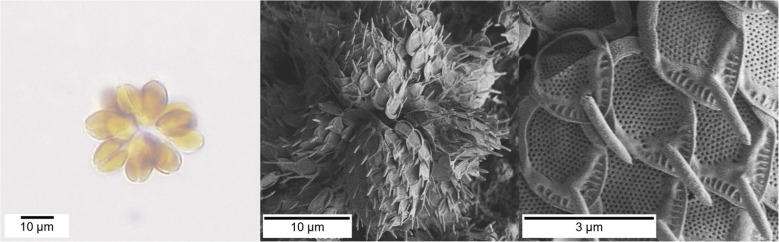 Figure 1
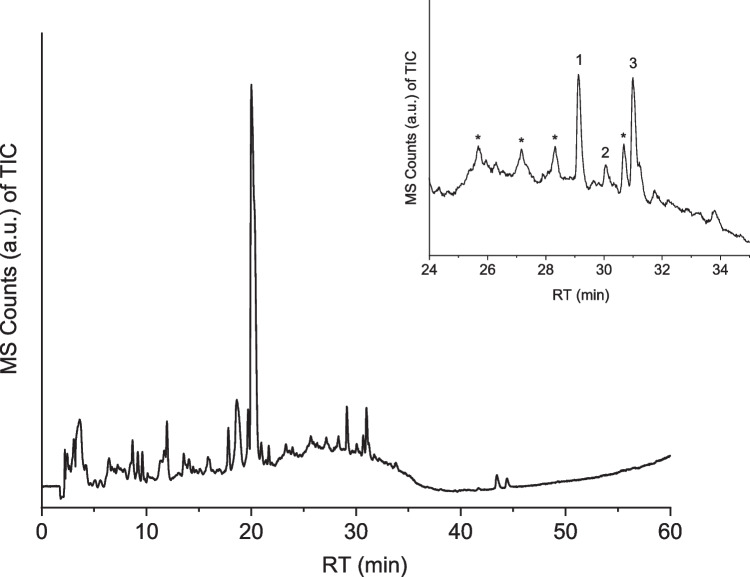 Figure 2
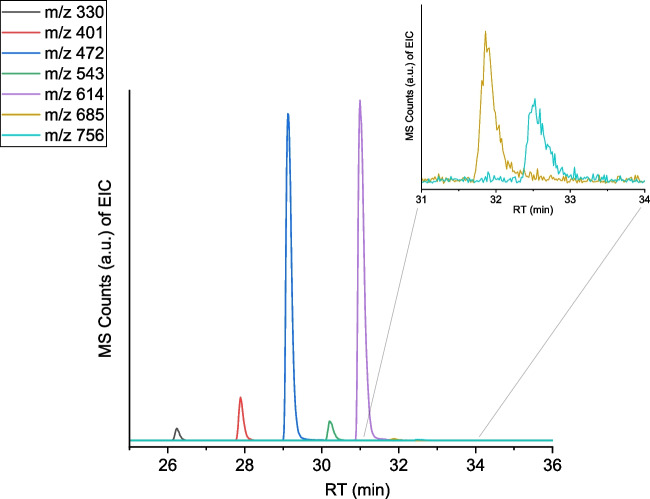 Figure 3
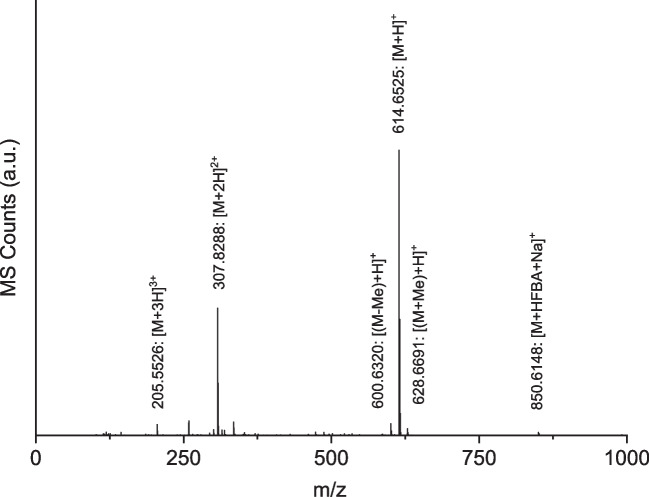 Figure 4
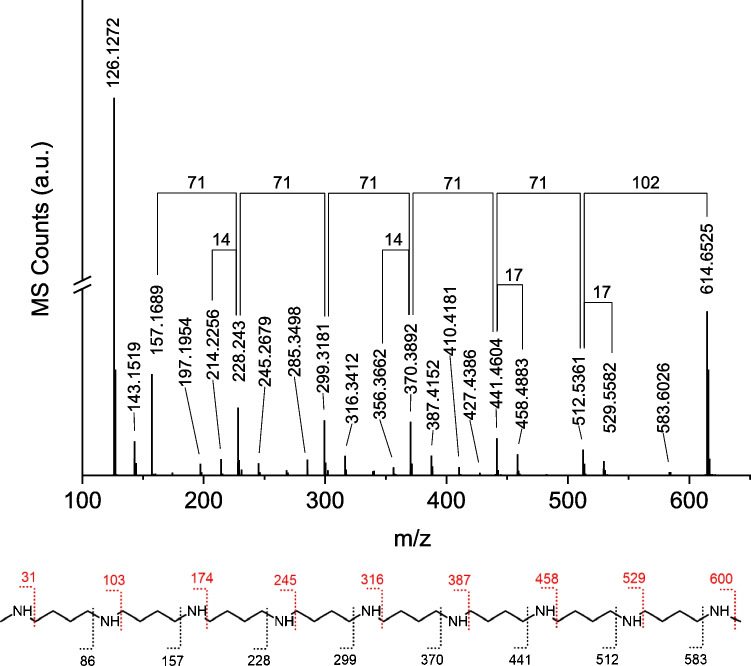 Figure 5
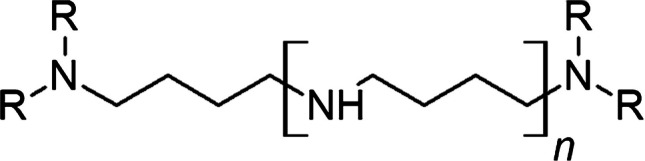 Figure 6
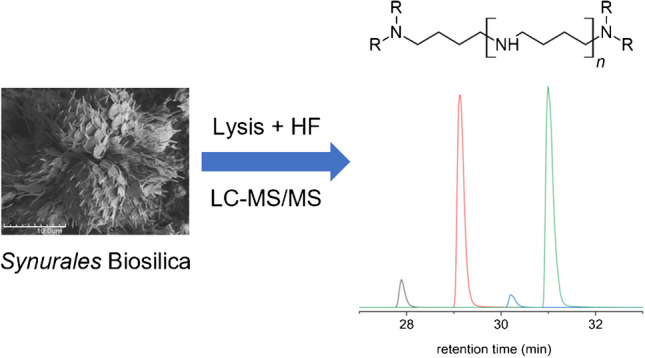 Figure 7
Peer Reviews
No public reviews on file for this paper yet. If you reviewed it on a platform where reviews are public (OpenReview, ICLR, NeurIPS, ICML), you can paste yours below so the community can read it here.
Videos
No videos yet. Explain this paper in a talk, walkthrough, or lecture? Add one.
Taxonomy
TopicsDiatoms and Algae Research · Protist diversity and phylogeny · Marine and coastal ecosystems