Jean Pierre Mégnin (1828–1905): A Nineteenth-Century Pioneer in the Development of Veterinary and Forensic Sciences
Ioannis Nikolakakis, Angeliki Geronymou, Ifigeneia Avgousti, Marianna Karamanou, Konstantinos Moraitis

TL;DR
Jean Pierre Mégnin was a pioneering veterinarian and entomologist who advanced forensic science through his study of insects on decomposing bodies.
Contribution
Mégnin established foundational principles in forensic entomology by studying insect colonization patterns on corpses.
Findings
Mégnin developed methods to estimate time of death based on insect activity on remains.
His work, La Faune des Cadavres, detailed insect ecological succession on corpses.
He contributed to veterinary science through acarology, parasitology, and dog breed diagnosis.
Abstract
Jean Pierre Mégnin (1828-1905) was a pathbreaking veterinary physician and entomologist who made fundamental contributions to forensic science. Mégnin, born in 1828, began his career in the military before becoming a veterinarian. He laid the foundation of forensic entomology when he became interested in studying the role of insects in the decomposition of animal and human remains. His scientific contributions to funerary practices included estimating burial time based on insect and mite colonization patterns in cadaverous remains. Furthermore, Mégnin made a significant contribution to veterinary science in the fields of acarology, parasitology, and differential diagnosis of dog breeds. His 1894 work, La Faune des Cadavres (The Fauna of Corpses), detailed the ecological succession of insects on corpses and profoundly changed the forensic practitioner’s approach to death. Today, Mégnin’s…
Genes, proteins, chemicals, diseases, species, mutations and cell lines named across the full text — each resolved to its canonical identifier and authoritative record.
Click any figure to enlarge with its caption.
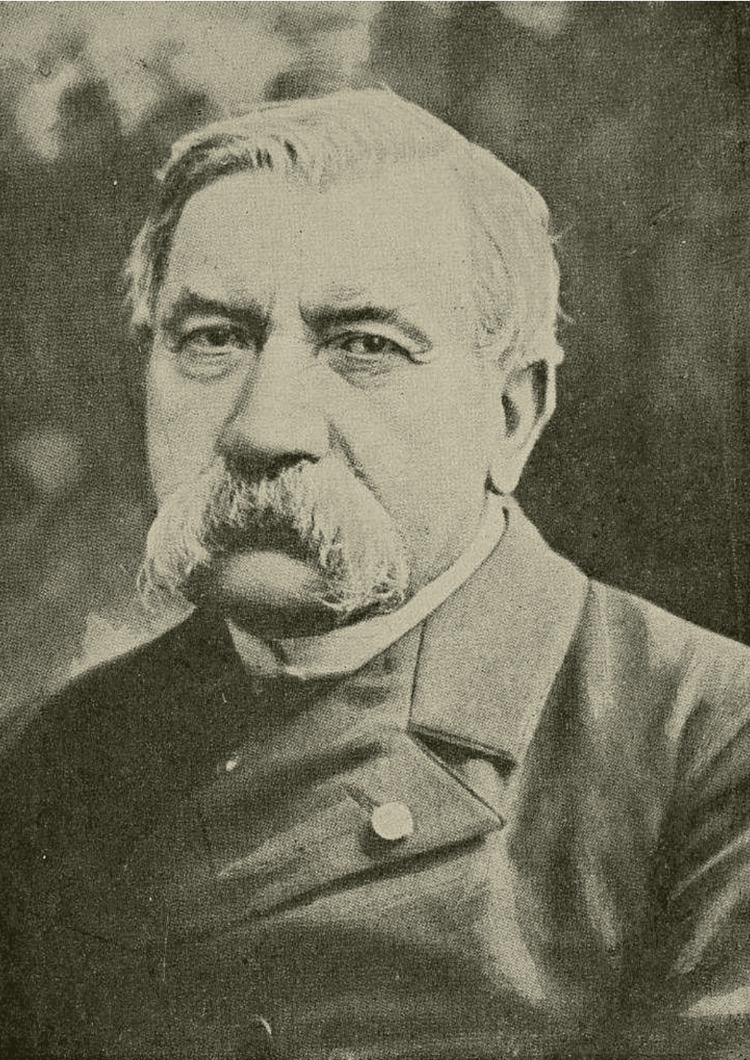 Figure 1
Peer Reviews
No public reviews on file for this paper yet. If you reviewed it on a platform where reviews are public (OpenReview, ICLR, NeurIPS, ICML), you can paste yours below so the community can read it here.
Videos
No videos yet. Explain this paper in a talk, walkthrough, or lecture? Add one.
Taxonomy
TopicsForensic Entomology and Diptera Studies · Yersinia bacterium, plague, ectoparasites research · Human-Animal Interaction Studies