Entry closure using the Najuta stent graft without supra-aortic vessel revascularization of a chronic type B aortic dissection with an aberrant right subclavian artery
Sho Takagi, Yoshihiro Goto, Junji Yanagisawa, Yui Ogihara, Yasuhide Okawa

TL;DR
A new less-invasive method using the Najuta stent graft successfully treated a rare aortic dissection case without revascularizing neck vessels.
Contribution
Demonstrates effective use of the Najuta stent graft for chronic type B aortic dissection with an aberrant subclavian artery.
Findings
The Najuta stent graft was successfully deployed at zone 0.
Complete preservation of the neck vessels and entry closure were achieved.
This approach offers a less invasive treatment option for the described condition.
Abstract
We report a case of entry closure using the Najuta fenestrated stent graft without supra-aortic vessel revascularization in a patient with chronic type B aortic dissection and an aberrant right subclavian artery. The Najuta fenestrated stent graft was inserted and deployed at zone 0. Complete preservation of the neck vessels and entry closure were achieved. This approach is a less invasive yet effective option for treating chronic type B aortic dissection with an aberrant subclavian artery.
Genes, proteins, chemicals, diseases, species, mutations and cell lines named across the full text — each resolved to its canonical identifier and authoritative record.
Click any figure to enlarge with its caption.
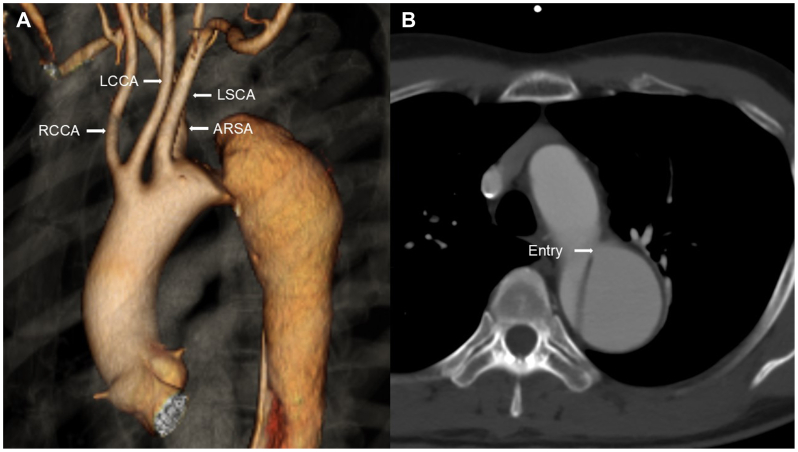 Figure 1
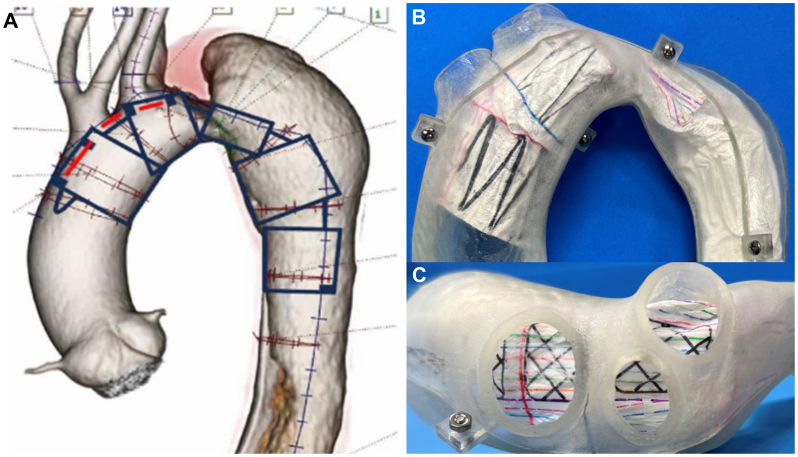 Figure 2
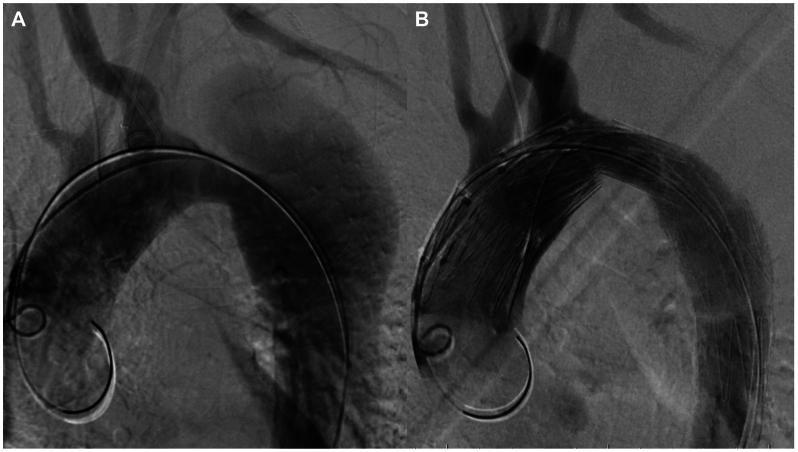 Figure 3
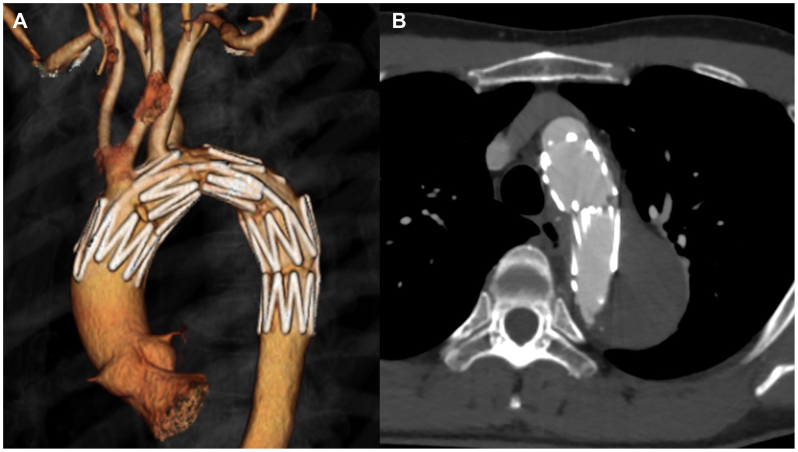 Figure 4
Peer Reviews
No public reviews on file for this paper yet. If you reviewed it on a platform where reviews are public (OpenReview, ICLR, NeurIPS, ICML), you can paste yours below so the community can read it here.
Videos
No videos yet. Explain this paper in a talk, walkthrough, or lecture? Add one.
Taxonomy
TopicsAortic Disease and Treatment Approaches · Aortic aneurysm repair treatments · Cardiac Valve Diseases and Treatments