Genome assembly and population genomic analysis reveal the genetic basis of popcorn evolution
Xiaojian Fang, Hangqin Liu, Jiacheng Liu, Yang Song, Min Xu, Xing Jian, Li Dong, Qianwen Zhang, Le Xu, Guorui Fan, Zhaoying Wang, Yiwen You, Tianyu Feng, Wenyu Li, Yuling Li, Rentao Song, Zhongwei Lin

TL;DR
This study reveals the genetic changes that led to the evolution of popcorn and its unique popping traits through genome assembly and population analysis.
Contribution
The study identifies key genes and genetic variants responsible for kernel-popping traits in popcorn through high-quality genome sequencing and population analysis.
Findings
A high-quality genome of Strawberry Popcorn was assembled, revealing a large inversion on chromosome 8 and millions of genetic variants.
Genes like KW1 and O7 were identified as pivotal for kernel-popping performance, influencing endosperm vitreousness and kernel hardness.
Population analysis identified 12 marker genes under human selection that enhance popping traits, including genes for pericarp thickness and starch biosynthesis.
Abstract
Popcorn, one of the world's most popular snack foods, represents the most ancient type of maize domesticated by humans. However, the genetic basis underlying popcorn evolution and kernel‐popping traits remains largely unknown. In this study, we assembled a high‐quality genome sequence of the popcorn landrace Strawberry Popcorn (SP) and conducted extensive population genomic analyses. The SP genome spans 2.3 Gb and harbours a large inversion on chromosome 8, along with millions of genetic variants that enable the discovery of beneficial alleles. Translocations and substantial duplications of the Ga1 gene occurred in the locus associated with unilateral cross‐incompatibility on chromosome 4. Tandemly duplicated Ga1 genes underwent pseudogenisation and truncation with complete loss of gene function. The P1 gene experienced gene expansion and regulatory modifications, leading to…
Genes, proteins, chemicals, diseases, species, mutations and cell lines named across the full text — each resolved to its canonical identifier and authoritative record.
Click any figure to enlarge with its caption.
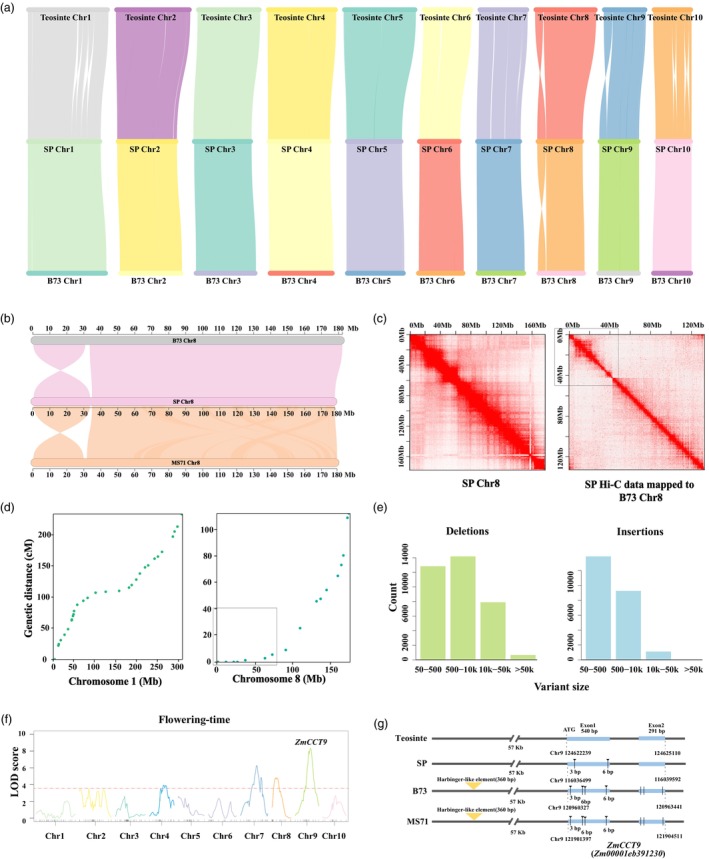 Figure 1
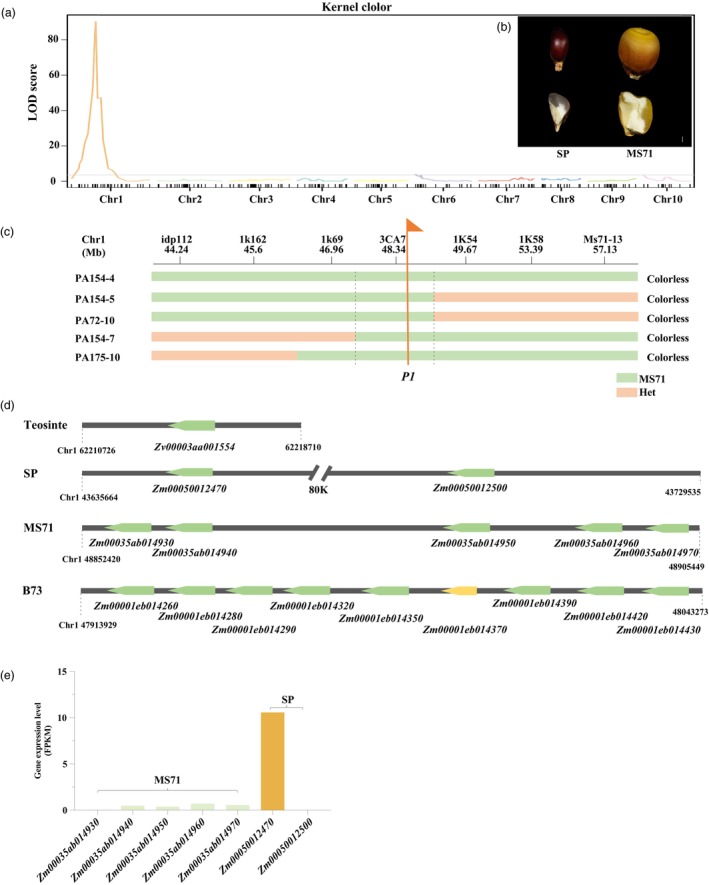 Figure 2
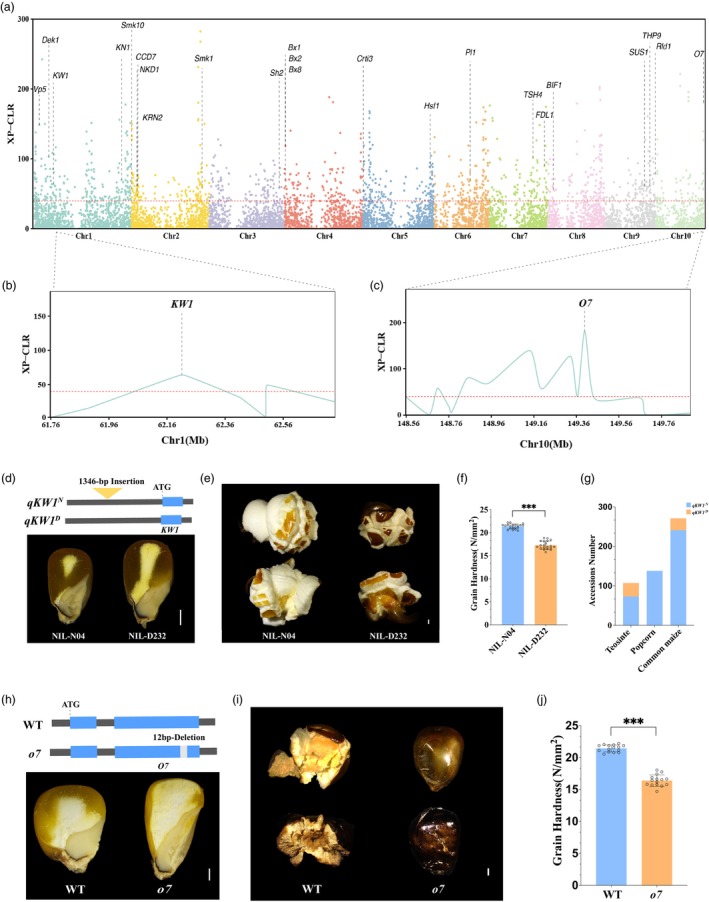 Figure 3
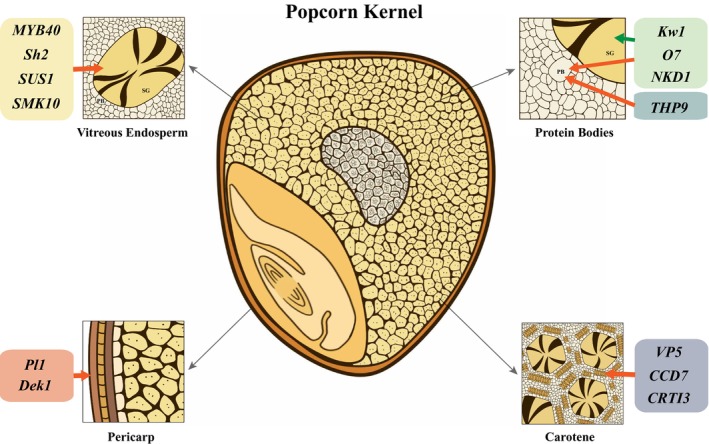 Figure 4
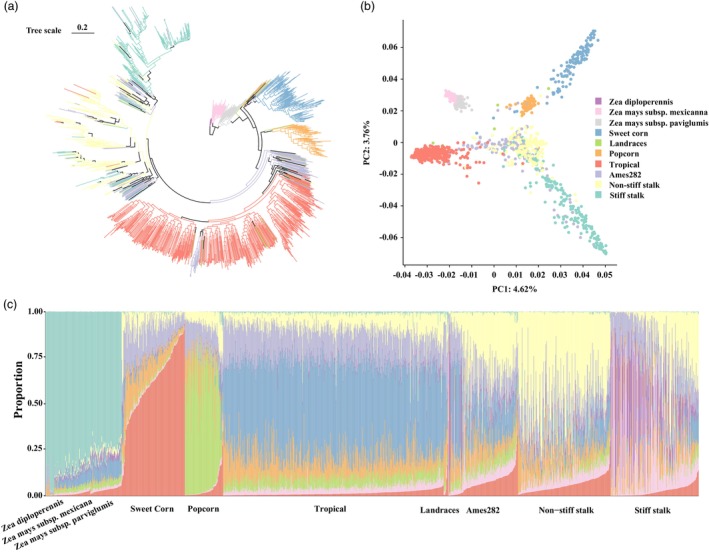 Figure 5
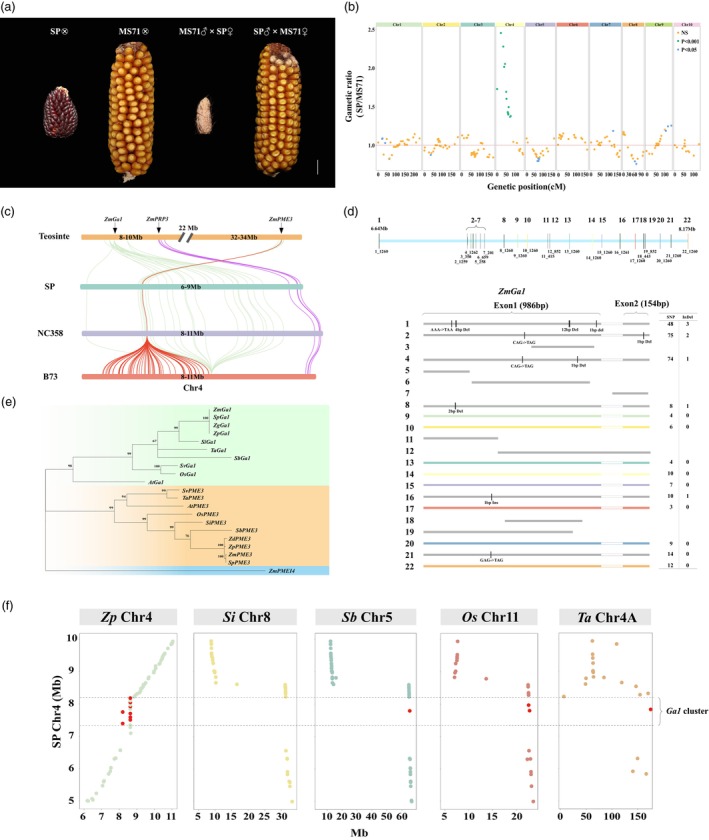 Figure 6
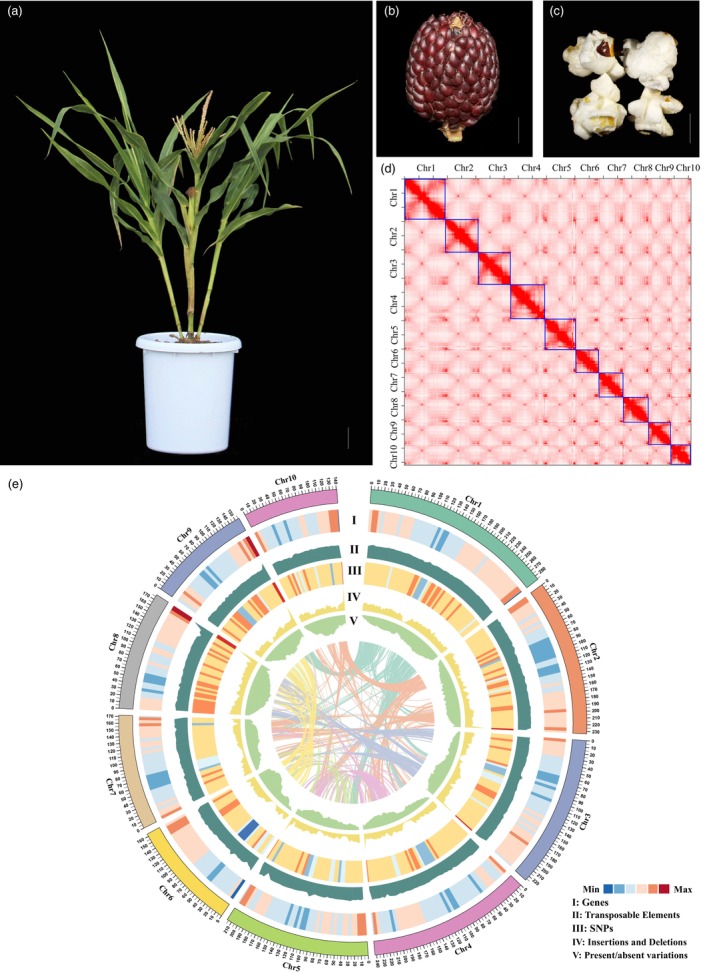 Figure 7
Peer Reviews
No public reviews on file for this paper yet. If you reviewed it on a platform where reviews are public (OpenReview, ICLR, NeurIPS, ICML), you can paste yours below so the community can read it here.
Videos
No videos yet. Explain this paper in a talk, walkthrough, or lecture? Add one.
Taxonomy
TopicsGenetic Mapping and Diversity in Plants and Animals · Wheat and Barley Genetics and Pathology · Genetics and Plant Breeding