Leveraging femtosecond laser machining for the fabrication of tubular-based Organ-on-Chip systems: modeling cancer metastasis from invasion to intravasation
Mohammad Jouybar, Oscar Stassen, Hamed Moradi, Pan Zuo, Jaap M.J. den Toonder

TL;DR
This paper introduces a new Organ-on-Chip device with tubular channels to better model cancer metastasis, particularly in breast cancer, by mimicking in vivo-like structures.
Contribution
The novelty lies in using femtosecond laser machining to create tubular channels in an Organ-on-Chip system for modeling cancer progression.
Findings
The Lumina-Chip successfully models breast cancer invasion, migration, and intravasation in a single device.
Invasive and non-invasive breast cancer tumoroids show distinct behaviors in the device.
The fabricated vessel maintains strong barrier functionality without cancer cells.
Abstract
Organ-on-Chip (OoC) models often include microchannel-based vessels and ducts with rectangular cross-sections, and therefore these lack the geometry and morphology found in tubular structures in vivo. Channels with round cross-sections can better mimic the physiology and cellular behavior of tubular structures, such as (micro)vessels and breast ducts, by providing a more in vivo-like geometry. Here, we utilize femtosecond laser machining to integrate tubular channels in an Organ-on-Chip device; our "Lumina-Chip" contains two tubular channels, both connected to a central channel along their entire length. This versatile fabrication technique, combined with replica molding, enables us to obtain a medium-throughput version of the device, including nine Lumina-Chips. In this study, we showcase the Lumina-Chip's capability by modeling breast cancer invasion, migration, and intravasation, all…
Genes, proteins, chemicals, diseases, species, mutations and cell lines named across the full text — each resolved to its canonical identifier and authoritative record.
Click any figure to enlarge with its caption.
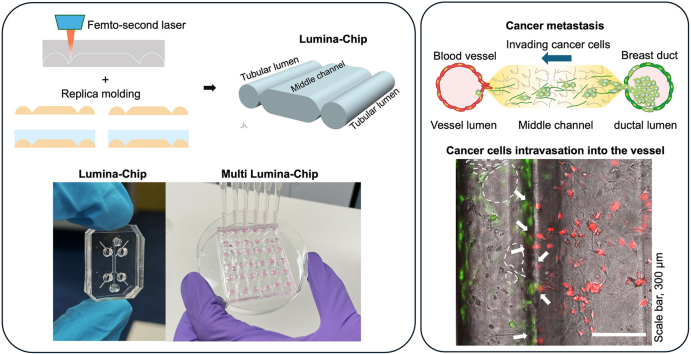 Figure 1
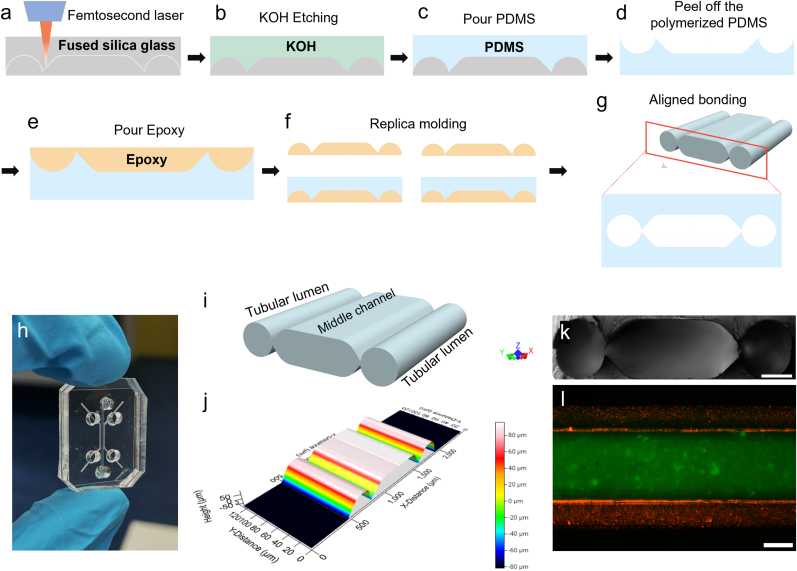 Figure 2
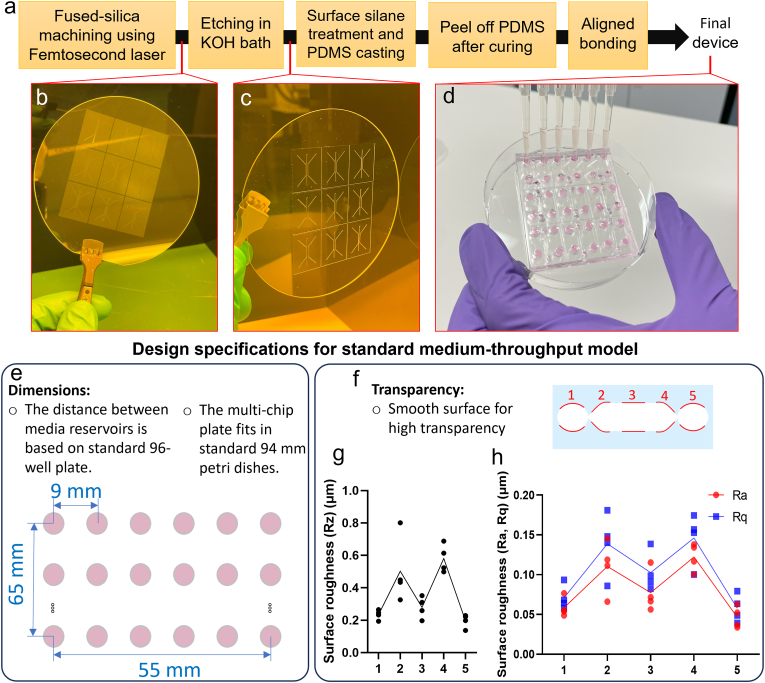 Figure 3
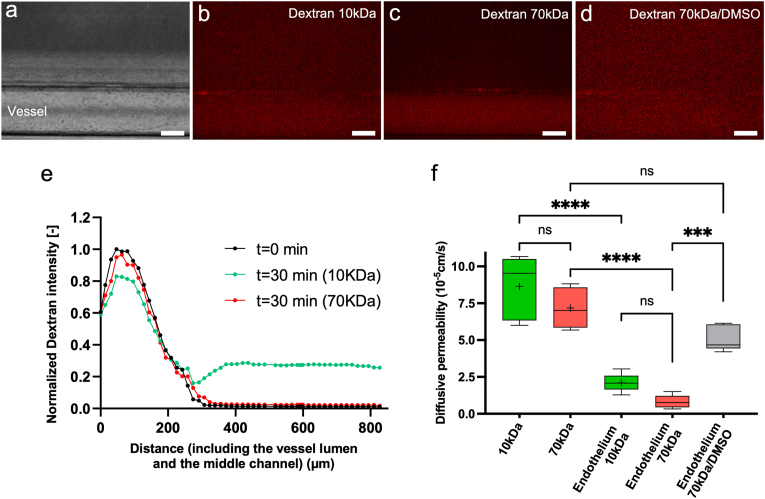 Figure 4
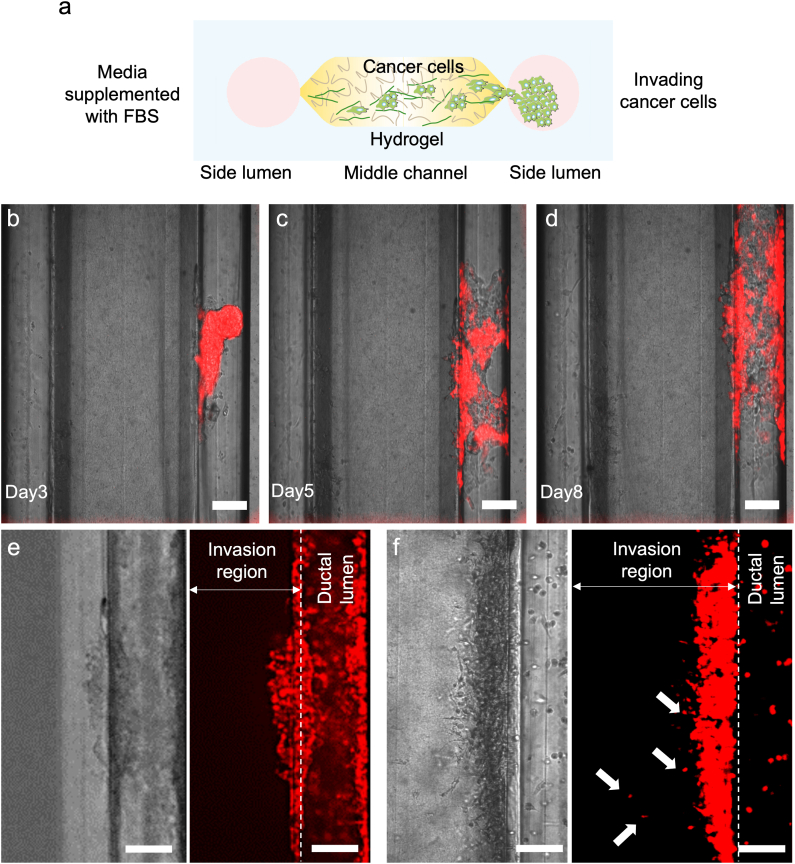 Figure 5
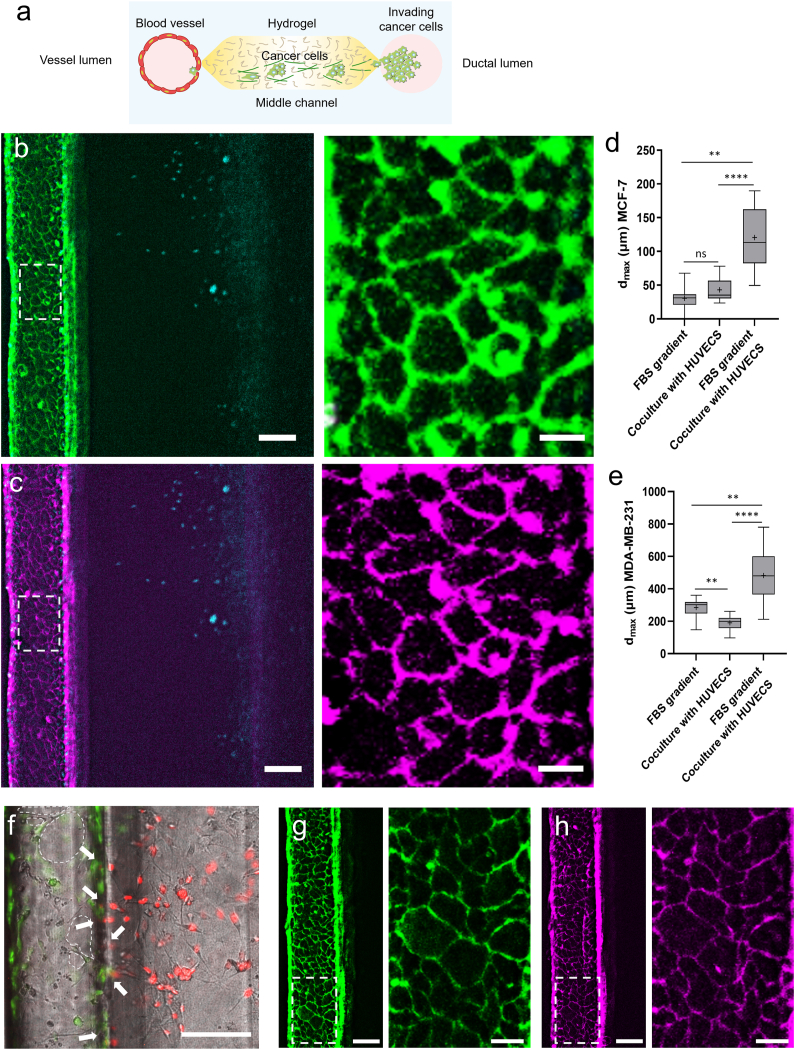 Figure 6
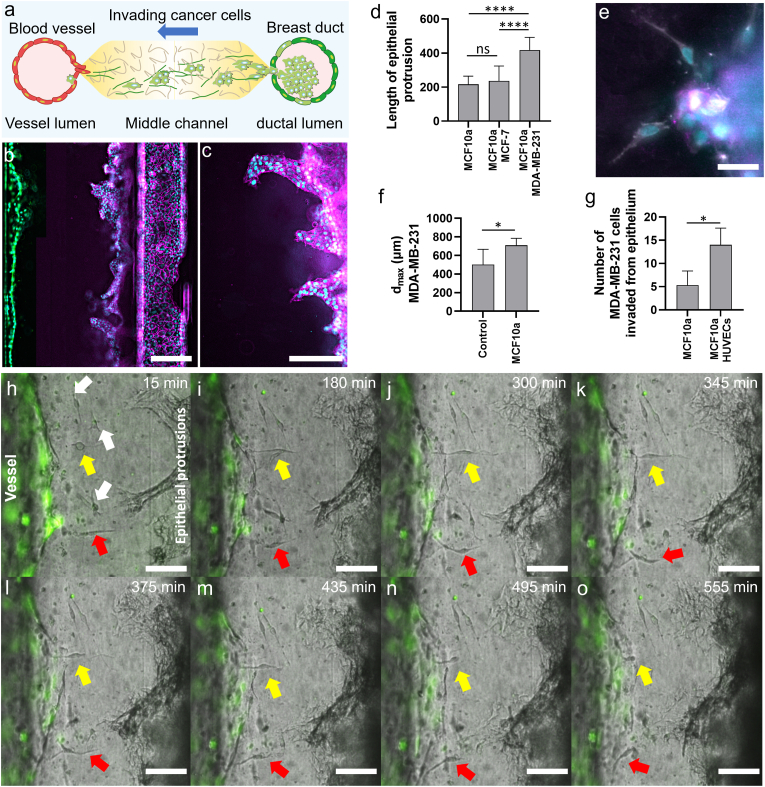 Figure 7
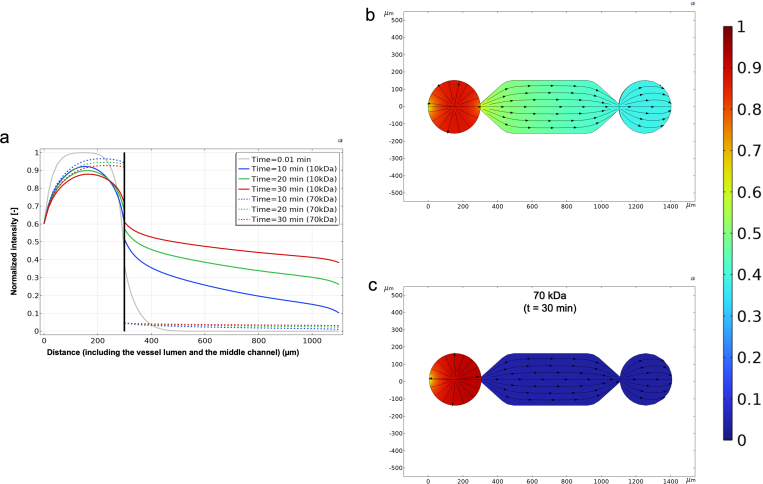 Figure 8
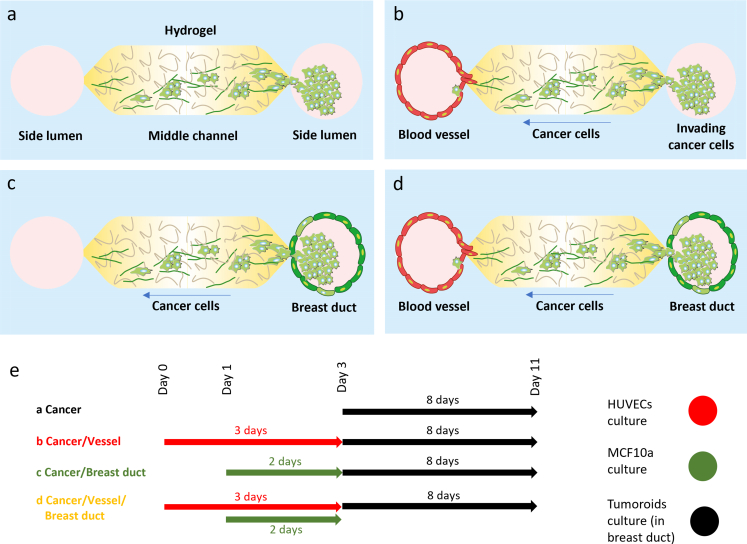 Figure 9
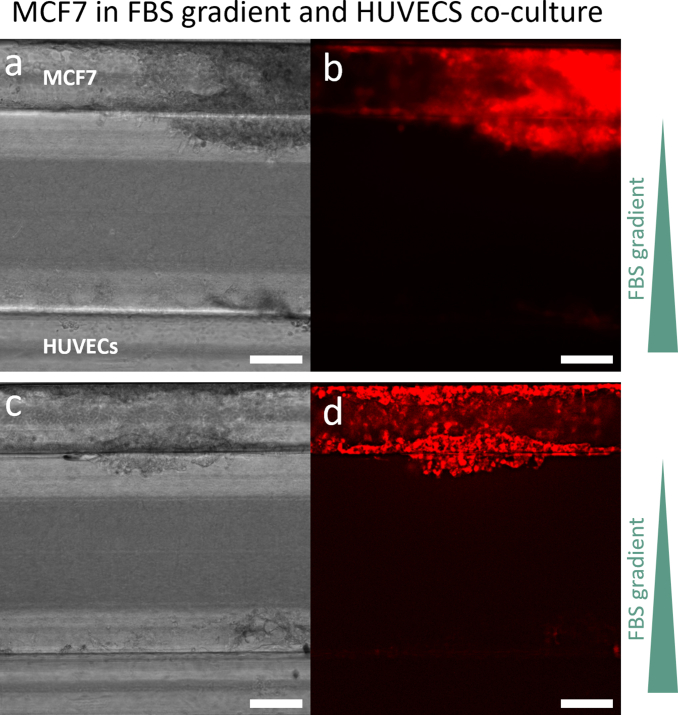 Figure 10
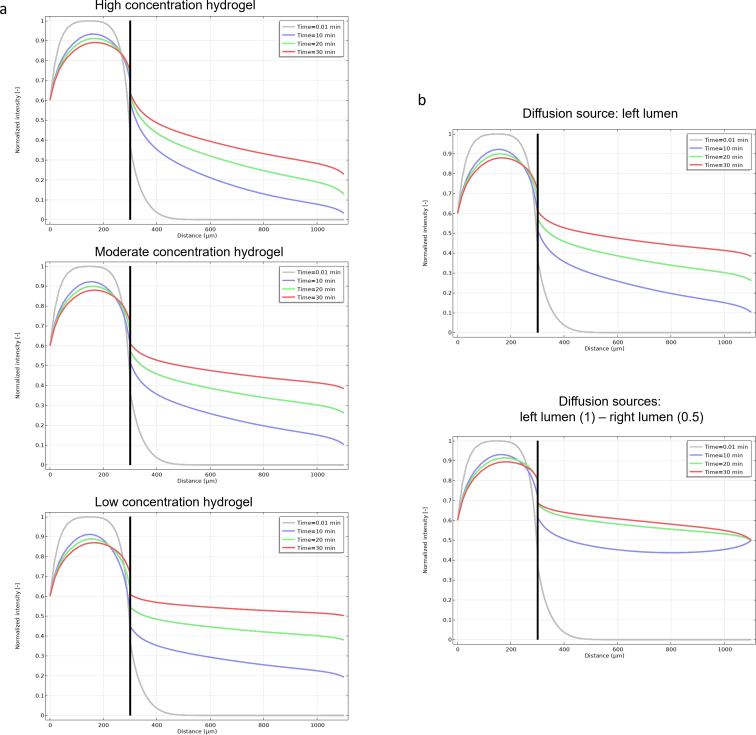 Figure 11
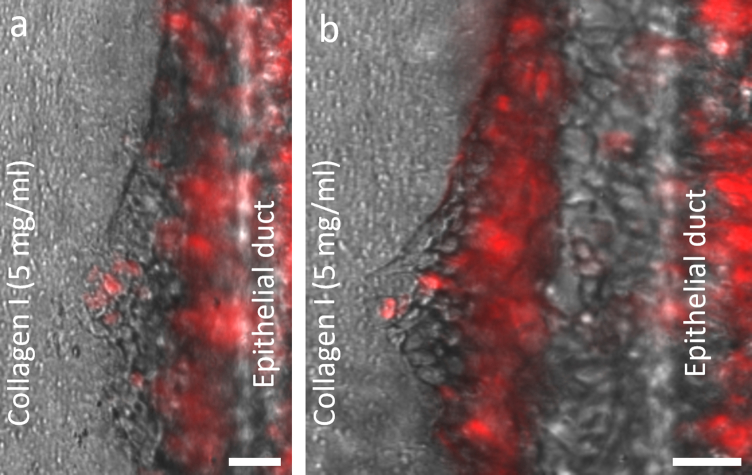 Figure 12
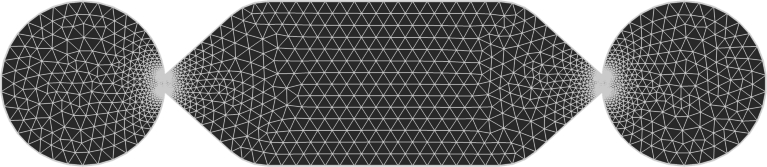 Figure 13
Peer Reviews
No public reviews on file for this paper yet. If you reviewed it on a platform where reviews are public (OpenReview, ICLR, NeurIPS, ICML), you can paste yours below so the community can read it here.
Videos
No videos yet. Explain this paper in a talk, walkthrough, or lecture? Add one.
Taxonomy
Topics3D Printing in Biomedical Research · Laser Material Processing Techniques · Cellular Mechanics and Interactions