Refractory marginal zone lymphoma uncovers activated phosphoinositide 3-kinase delta syndrome type 1 (APDS1)
Alex Wonnaparhown, Matthew Farley, Holly Miller, Charlotte Cunningham-Rundles, Catherine Freeman, Jacqueline Squire, Talal Hilal, Allison Rosenthal

TL;DR
A rare immune disorder called APDS1 can lead to a specific type of lymphoma, and genetic testing can help diagnose and improve treatment outcomes.
Contribution
This study highlights the importance of genetic testing in atypical lymphoma cases to uncover underlying immunodeficiencies.
Findings
Genetic testing in atypical lymphoma cases can reveal APDS1.
Identifying APDS1 can improve clinical outcomes through targeted treatment.
Abstract
Activated PI3K delta syndrome is a rare primary combined immunodeficiency that can present with lymphoma. Genetic testing of patients with atypical lymphoma may reveal an underlying immunodeficiency and improve clinical outcomes.
Genes, proteins, chemicals, diseases, species, mutations and cell lines named across the full text — each resolved to its canonical identifier and authoritative record.
Click any figure to enlarge with its caption.
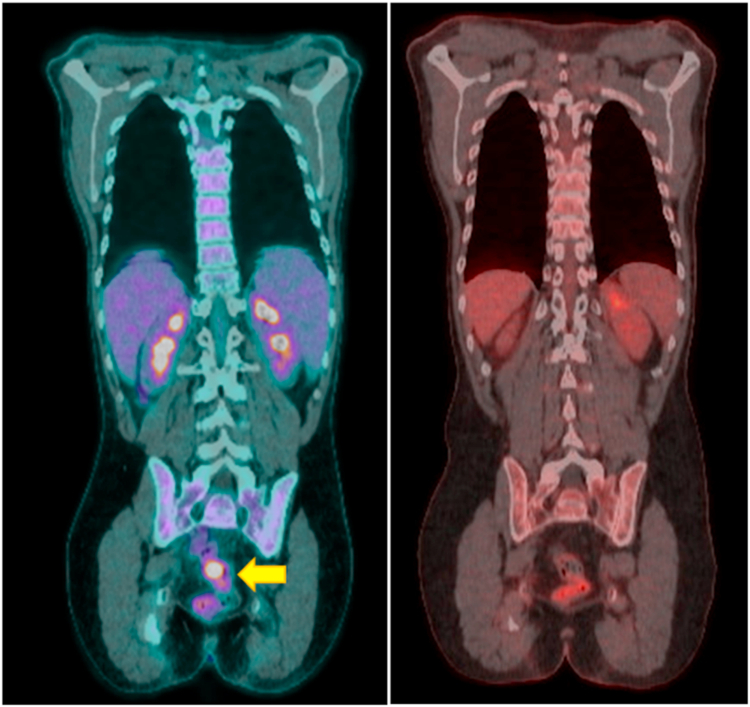 Figure 1
Peer Reviews
No public reviews on file for this paper yet. If you reviewed it on a platform where reviews are public (OpenReview, ICLR, NeurIPS, ICML), you can paste yours below so the community can read it here.
Videos
No videos yet. Explain this paper in a talk, walkthrough, or lecture? Add one.
Taxonomy
TopicsImmunodeficiency and Autoimmune Disorders · Chronic Lymphocytic Leukemia Research · Blood disorders and treatments