Alzheimer’s disease brain-derived tau extracts show differential processing and transcriptional effects in human astrocytes
Matthew J. Reid, Melissa Leija Salazar, Claire Troakes, Steven Lynham, Deepak P. Srivastava, Beatriz Gomez Perez-Nievas, Wendy Noble

TL;DR
This study shows how human astrocytes handle tau aggregates from Alzheimer's brains and how this affects gene activity.
Contribution
The study reveals how astrocytes process and respond to different tau aggregates from Alzheimer’s disease brains.
Findings
Human astrocytes can internalize tau aggregates from Alzheimer’s brain extracts.
Tau handling by astrocytes correlates with molecular properties of the aggregates and affects gene expression.
Astrocyte responses include both clearance of tau and seeding of further aggregation.
Abstract
Post-translational modifications of tau, including phosphorylation at specific residues, are closely linked with tau seeding ability and clinical disease progression. While most previous evidence has focused on neuronal tau spread, evidence supports a similar role for astrocytes. Here, we demonstrate that well characterized tau aggregates isolated from postmortem Alzheimer’s disease brain are internalized and processed by control human–induced pluripotent stem cell-derived astrocytes. Differences in the efficiency of tau internalization, clearance and/or seeding were noted, which reflect molecular properties of tau and/or co-factors in brain extracts. We observed a direct relationship between tau handling by astrocytes and astrocyte transcriptomic changes. Dysregulated genes include several previously identified as upregulated in reactive astrocytes in Alzheimer’s brain, as well as…
Genes, proteins, chemicals, diseases, species, mutations and cell lines named across the full text — each resolved to its canonical identifier and authoritative record.
Click any figure to enlarge with its caption.
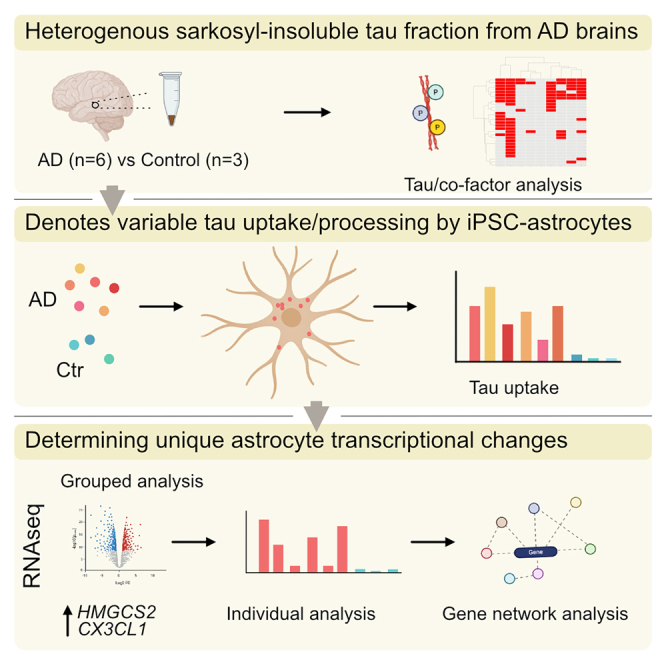 Figure 1
 Figure 2
 Figure 3
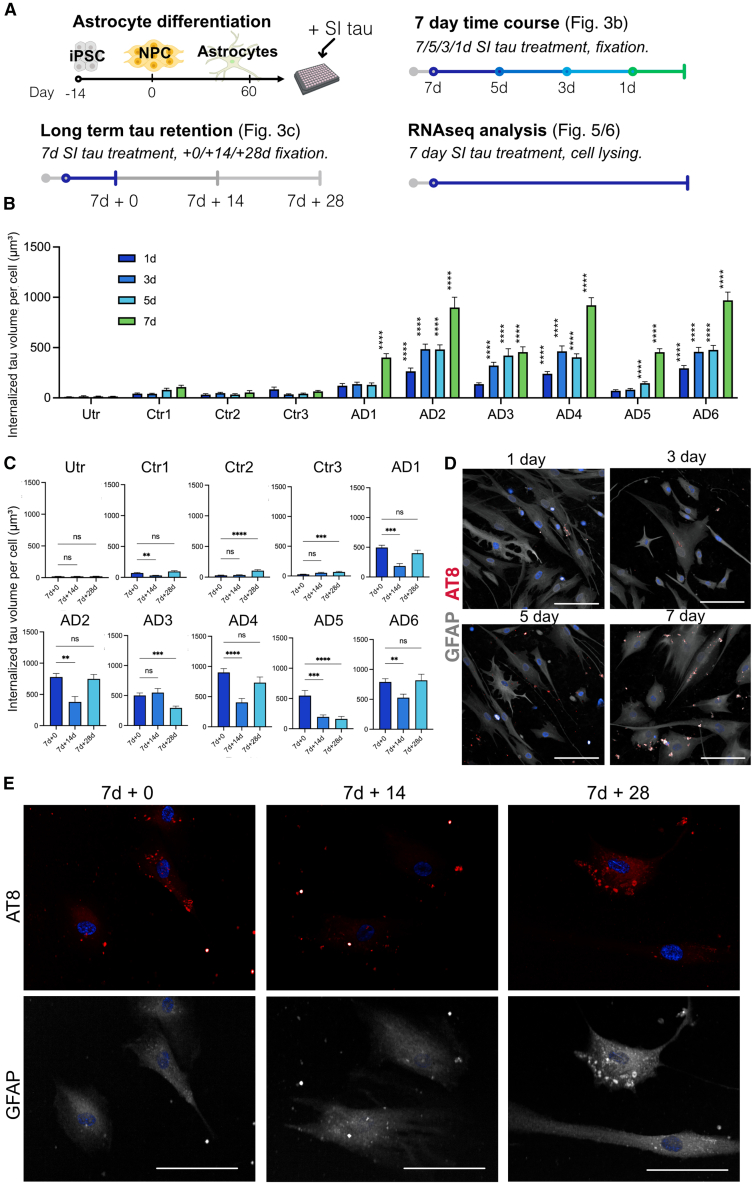 Figure 4
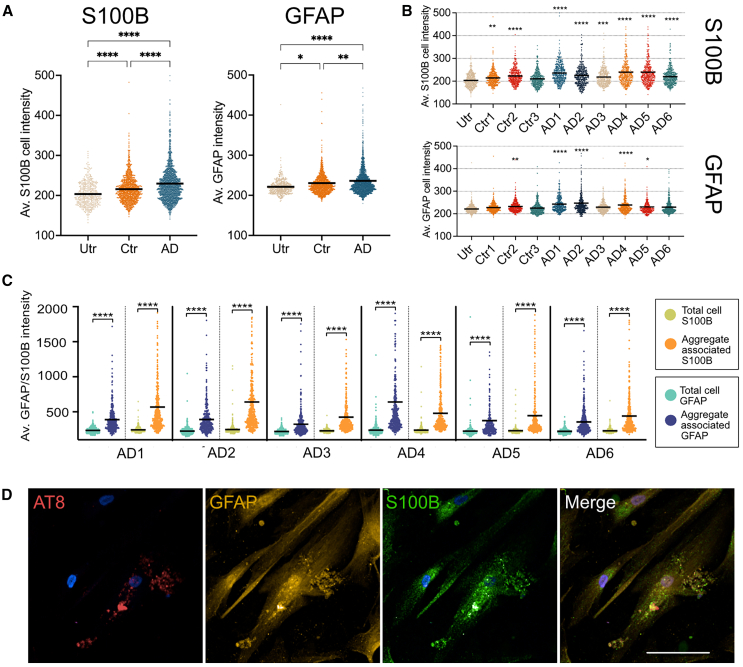 Figure 5
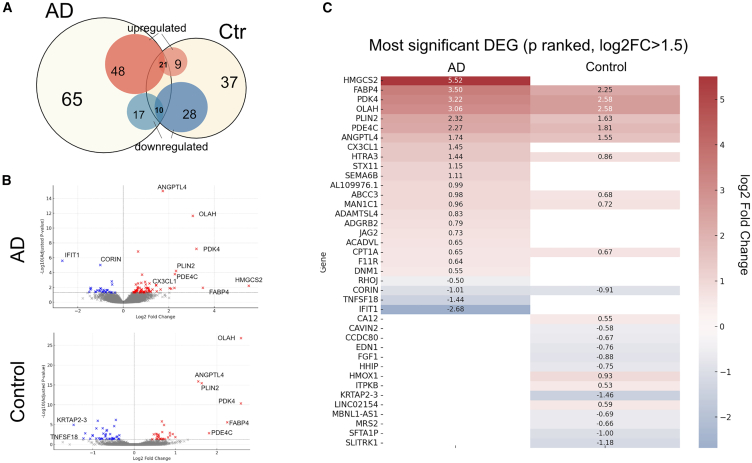 Figure 6
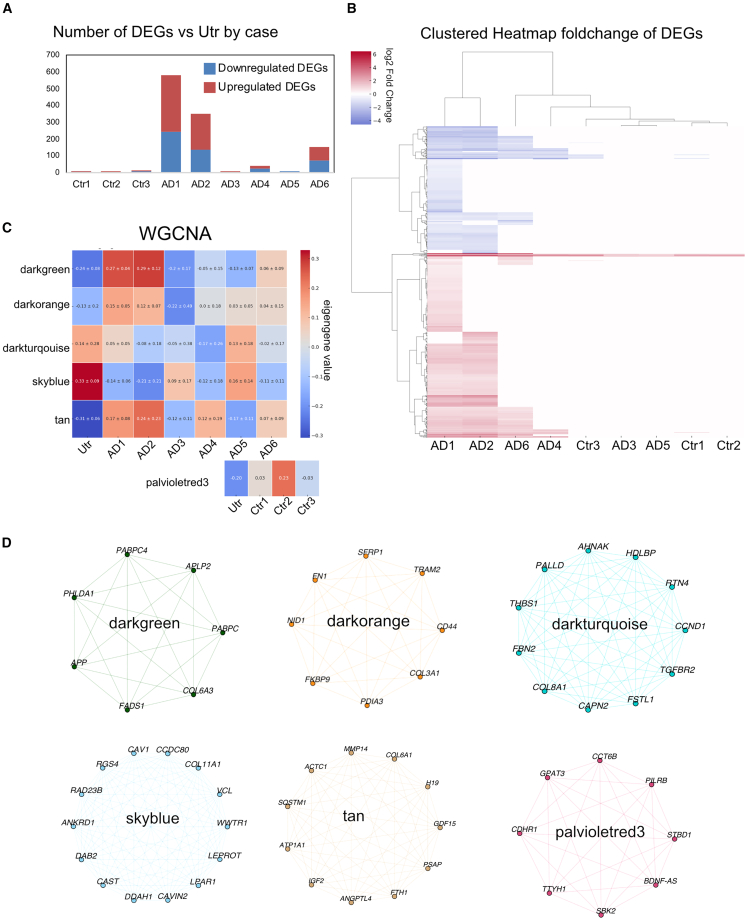 Figure 7
Peer Reviews
No public reviews on file for this paper yet. If you reviewed it on a platform where reviews are public (OpenReview, ICLR, NeurIPS, ICML), you can paste yours below so the community can read it here.
Videos
No videos yet. Explain this paper in a talk, walkthrough, or lecture? Add one.
Taxonomy
TopicsAlzheimer's disease research and treatments · Neuroscience and Neuropharmacology Research · Mitochondrial Function and Pathology