The transcription factor IRF4 regulates the homeostasis and function of intestinal ILC3s
Xianzhi Gao, Xin Shen, Qianying Xu, Yan Zeng, Linjia Dong, Shenghui Hong, Huihui Jin, Qianqian Wang, Di Wang, Linrong Lu, Lie Wang

TL;DR
The study shows that IRF4 is crucial for the function and balance of intestinal ILC3s, which are important for gut immunity.
Contribution
The study identifies IRF4 as a key regulator of ILC3 homeostasis and function through multi-omics analysis and functional rescue experiments.
Findings
IRF4-deficient mice show reduced NKp46+ ILC3s and impaired IL-22/IL-17A production.
IRF4 directly binds to Batf, Tbx21, Il22, and MHC II loci, influencing ILC3 function.
Overexpression of T-bet or BATF can partially restore ILC3 differentiation and function.
Abstract
Group 3 innate lymphoid cells (ILC3s) serve as critical guardians of mucosal immunity. However, the transcriptional networks governing their function remain incompletely characterized. Here, we demonstrate that interferon regulatory factor 4 (IRF4) is essential for maintaining intestinal ILC3 homeostasis and function. IRF4-deficient mice exhibit reduced NKp46+ ILC3s, expanded precursor-like NKp46−CCR6− ILC3s, and impaired interleukin-22 (IL-22)/IL-17A production, increasing susceptibility to infections. Furthermore, IRF4 loss disrupted major histocompatibility complex (MHC)-class II-associated transcriptional signatures in ILC3s, particularly in CCR6+ ILC3s, accompanied by downregulation of MHC class II protein expression. This perturbation consequently diminished ILC-mediated apoptosis of effector CD4+ T cells. Sequencing and trajectory analysis link IRF4 to NKp46+ ILC3 maintenance and…
Genes, proteins, chemicals, diseases, species, mutations and cell lines named across the full text — each resolved to its canonical identifier and authoritative record.
Click any figure to enlarge with its caption.
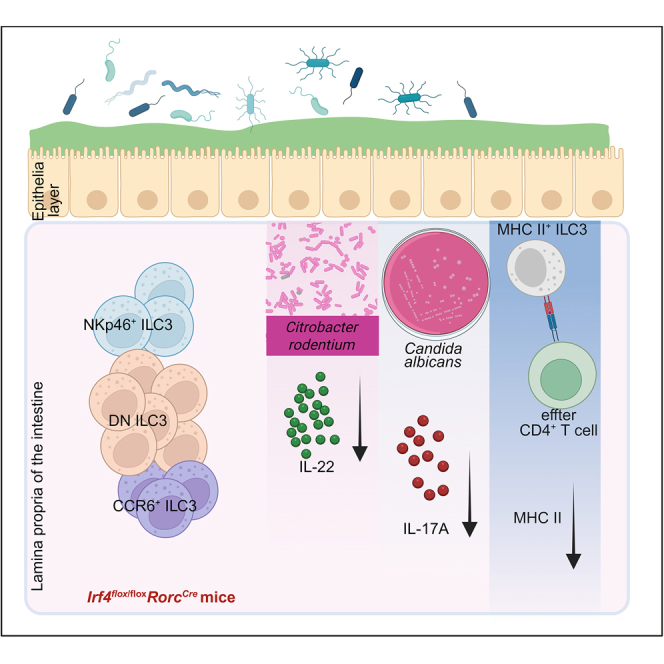 Figure 1
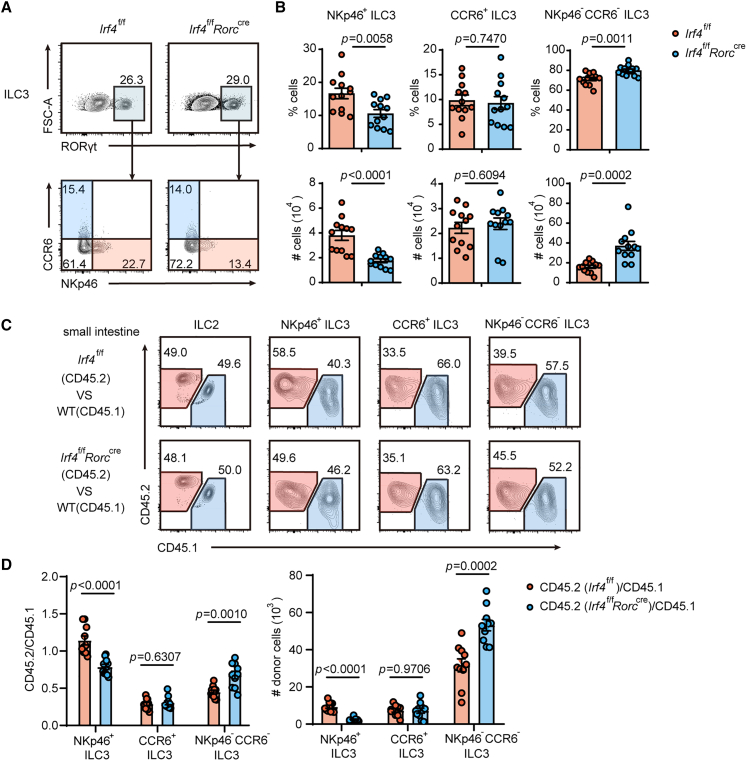 Figure 2
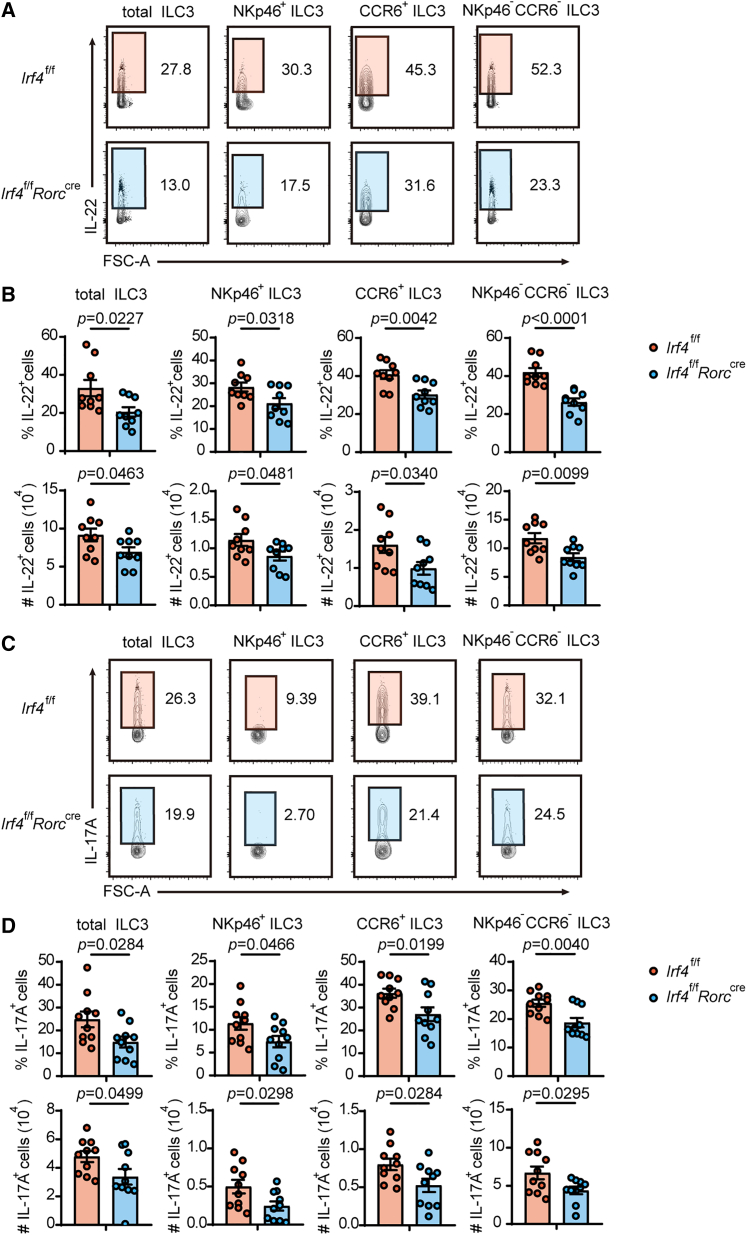 Figure 3
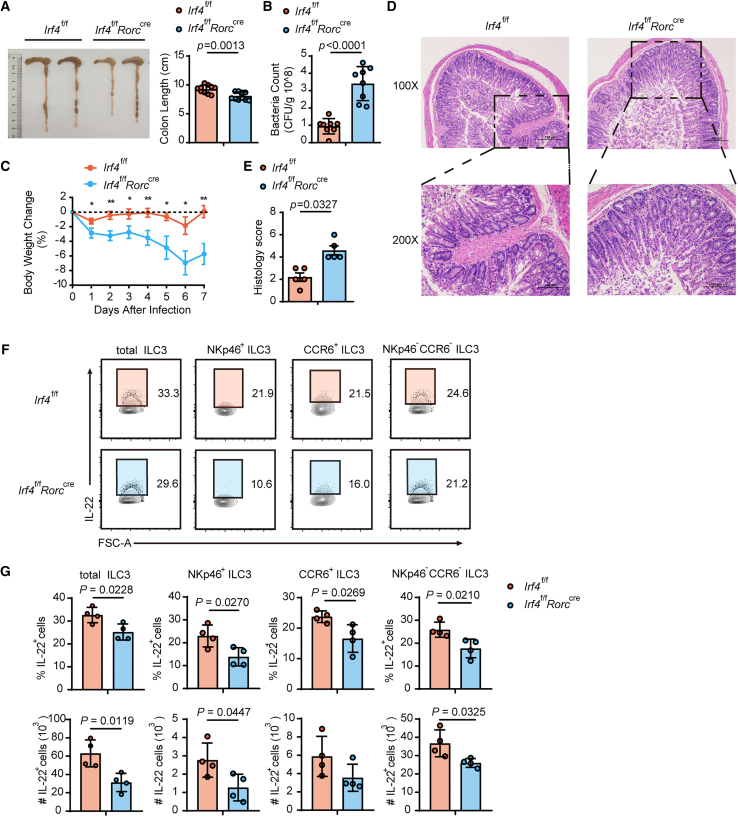 Figure 4
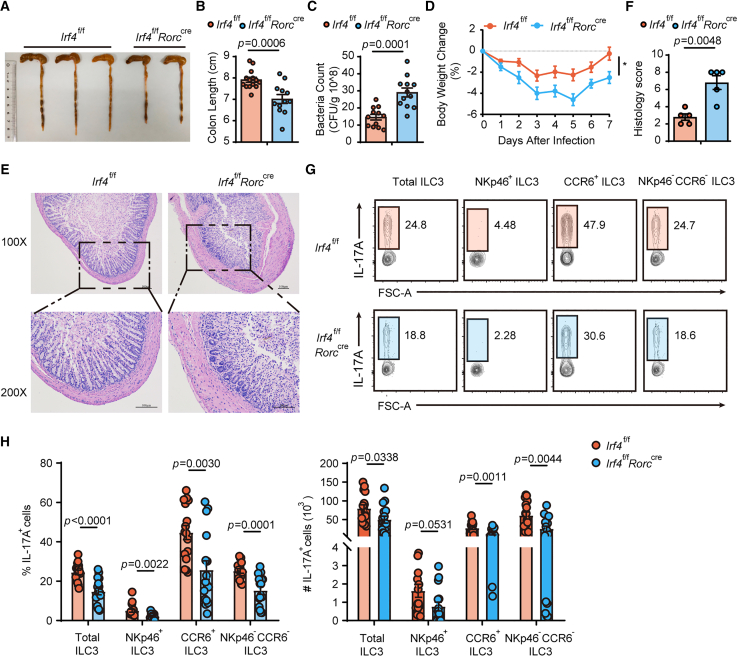 Figure 5
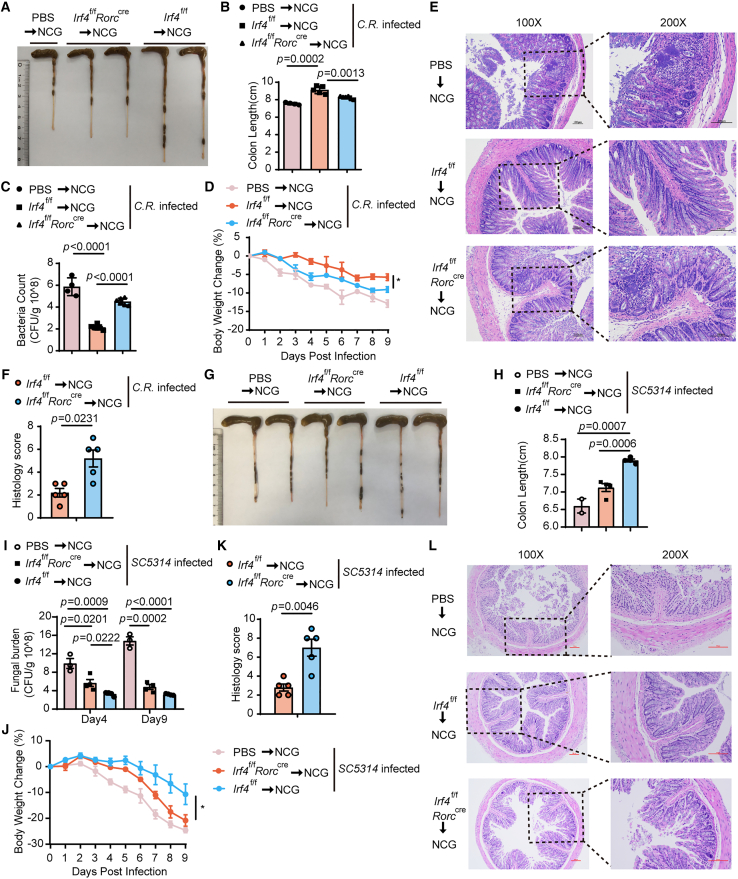 Figure 6
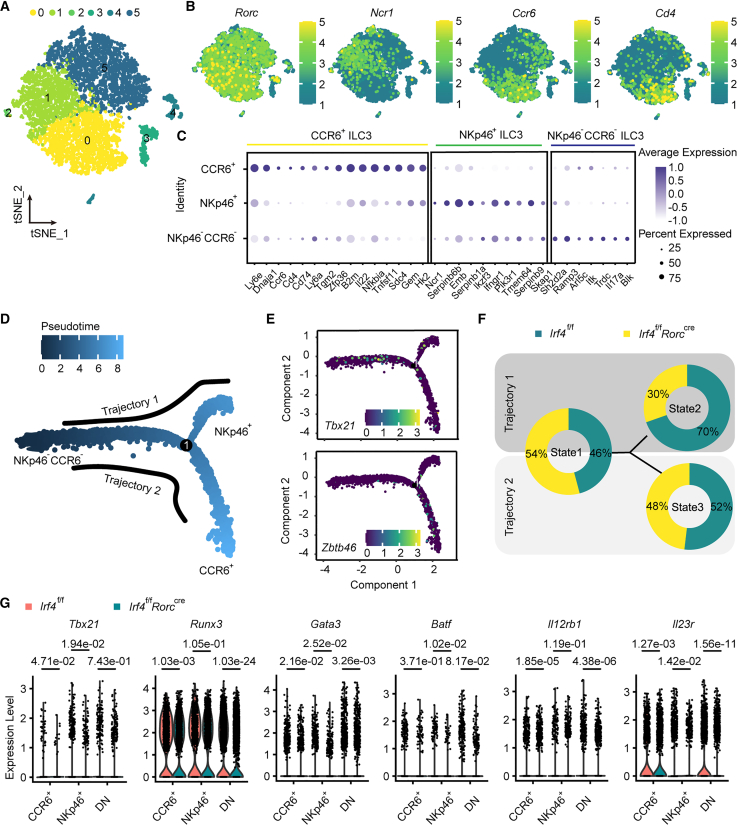 Figure 7
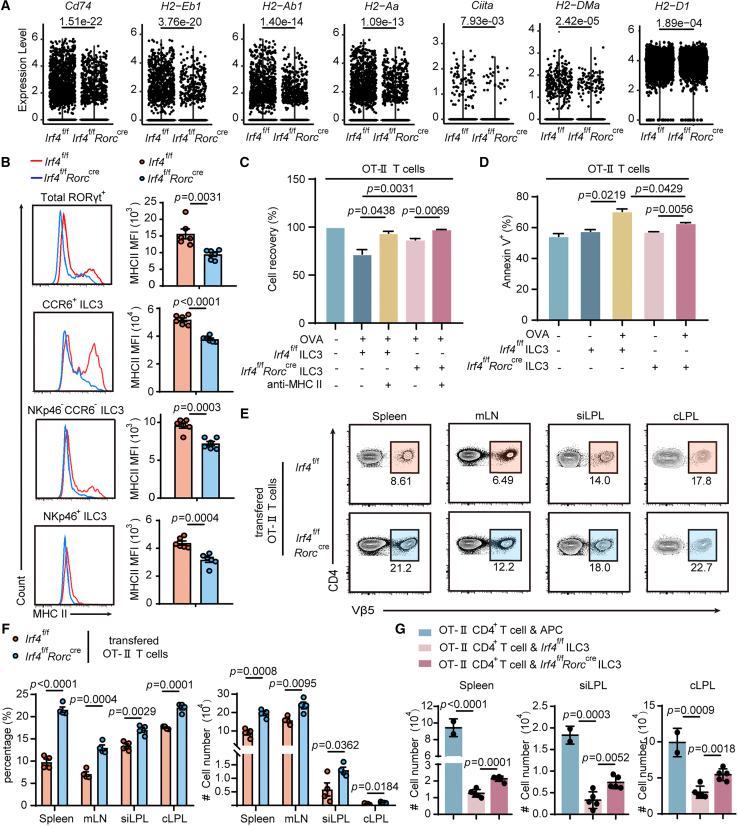 Figure 8
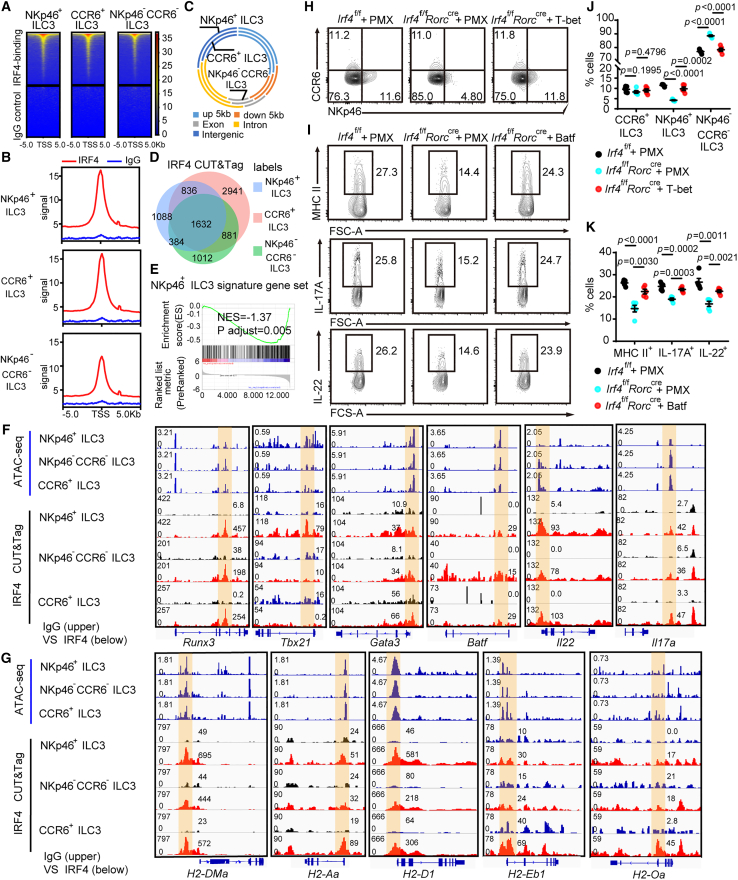 Figure 9
Peer Reviews
No public reviews on file for this paper yet. If you reviewed it on a platform where reviews are public (OpenReview, ICLR, NeurIPS, ICML), you can paste yours below so the community can read it here.
Videos
No videos yet. Explain this paper in a talk, walkthrough, or lecture? Add one.
Taxonomy
TopicsIL-33, ST2, and ILC Pathways · Eosinophilic Esophagitis · Immune Cell Function and Interaction